
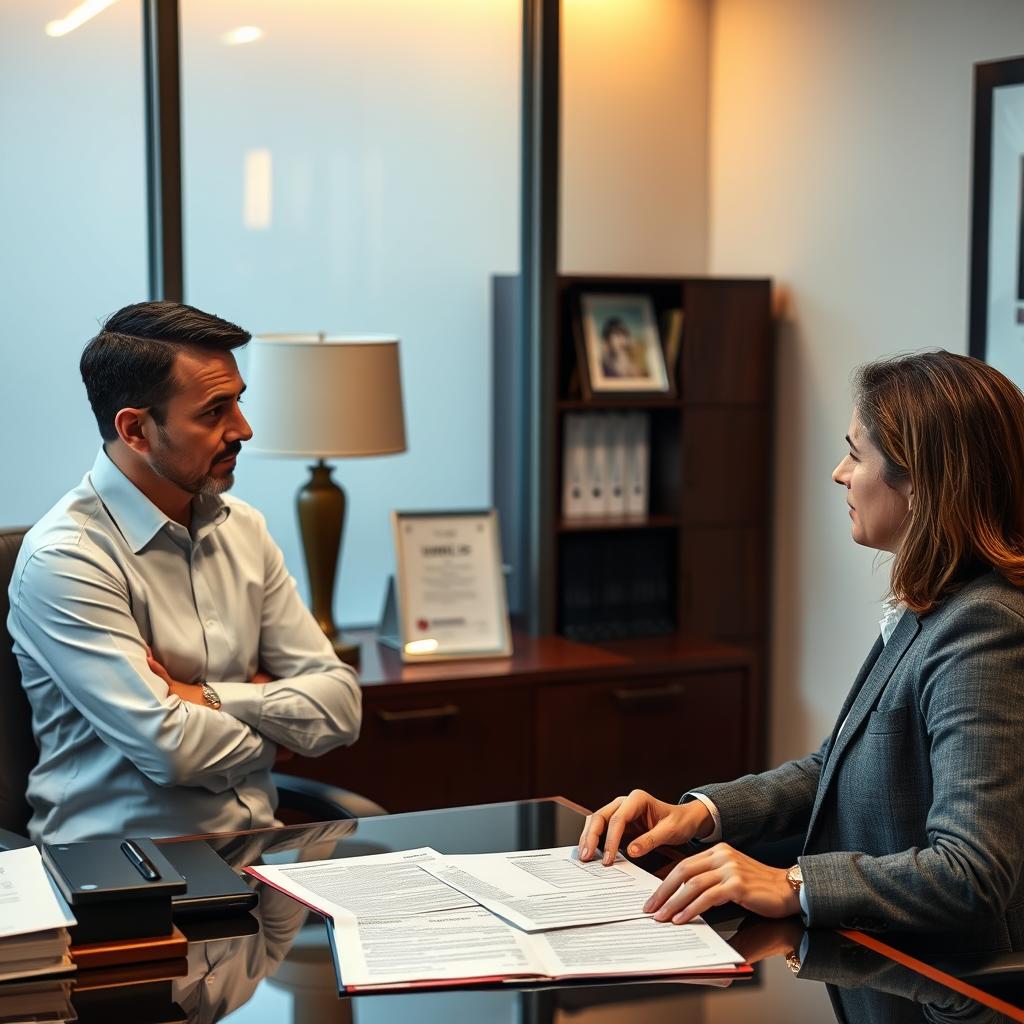
K3 Visa Lawyer Washington DC
For U.S. Citizens in Washington, D.C., who have filed an I-130 petition for a foreign-born spouse, the K-3 visa offers a way to bring that spouse to the United States while the immigrant visa is still pending. This nonimmigrant classification allows the beneficiary to enter the country, obtain work authorization, and begin building a life together during the often-lengthy consular processing period. Although K-3 adjudications are handled at the federal level, D.C. Residents interact with the nearby USCIS Washington District Office at 2675 Prosperity Avenue in Fairfax, Virginia, and any related removal or adjustment proceedings fall under the jurisdiction of the Arlington Immigration Court. Law Offices Of SRIS, P.C., practicing since 1997, helps families throughout the District navigate the K-3 process from its Arlington location, just minutes from the key federal facilities. To discuss your situation with a K3 visa lawyer serving Washington, D.C., call (888) 437-7747.
Law Offices Of SRIS, P.C. – Advocacy Without Borders.
What K3 Visa Means in Washington DC
The K-3 visa was created to prevent the prolonged separation of married couples when a U.S. Citizen files an immigrant visa petition for a spouse living abroad. It is a companion to the I-130 — by filing Form I-129F, the petitioner asks USCIS to classify the spouse as an eligible nonimmigrant. Once approved, the spouse can attend a consular interview, receive a K-3 visa, and travel to the United States. The visa holder may then apply for employment authorization and eventually adjust status to lawful permanent resident. For D.C. Residents, these steps are handled administratively through the USCIS Washington District Office in Fairfax, Virginia. While the legal framework is national, local USCIS office practices, processing priorities, and the availability of in-person interviews can vary. An immigration attorney familiar with the Washington, D.C. Area understands these procedural nuances and can help ensure that filings are complete and timely.
K-3 visa cases also intersect with broader immigration concerns. If a spouse has already entered the United States on a different nonimmigrant visa and seeks to remain, the interplay between the K-3 petition and ongoing removal proceedings becomes critical. The Arlington Immigration Court hears removal cases for D.C. Respondents, making it essential that the attorney handling a K-3 matter also understands the local EOIR environment. Law Offices Of SRIS, P.C. assists clients with both the USCIS filing and any subsequent immigration court appearances, serving the District from its Arlington, Virginia location.
How Mr. Sris and His Of Counsel Handle K3 Visa Cases
When you work with Mr. Sris and his Of Counsel team on a K-3 visa matter, the process begins with a thorough consultation to confirm eligibility and identify any potential issues — such as prior inadmissibility or misrepresentation concerns — that could complicate the application. The team then prepares the I-129F petition, assembles the required supporting documentation, and submits the filing to the appropriate USCIS service center. Throughout the adjudication, they monitor case updates, respond to Requests for Evidence, and coordinate with the beneficiary abroad to ensure a smooth consular interview. If a K-3 applicant is already in the United States and faces removal proceedings, Mr. Sris and his Of Counsel can simultaneously represent the individual before the Arlington Immigration Court, seeking adjustment of status or other relief.
The timeline for a K-3 case varies by individual circumstances and USCIS processing volumes. Mr. Sris and his Of Counsel focus on preparing a strong, error-free petition and addressing agency inquiries promptly. The goal is to avoid unnecessary delays and work toward a favorable outcome. Results may vary. Throughout the matter, clients receive straightforward explanations of their options and the status of their case.
About Mr. Sris and His Of Counsel Team
Mr. Sris is the Owner and Founder of Law Offices Of SRIS, P.C. A former prosecutor, he has been practicing since 1997 and is admitted in Virginia, Maryland, the District of Columbia, New Jersey, and New York. His professional background includes testifying before the Virginia House Courts of Justice Committee in support of 2019 HB 635 (chief patron Del. David Bulova). Mr. Sris and his Of Counsel bring extensive combined legal experience to immigration matters. Results may vary. The Of Counsel team — engaged through Excella — includes attorneys with complementary knowledge in federal immigration law, appellate advocacy, and administrative procedure, all working collaboratively to serve the D.C. Community.
The firm’s Arlington location provides convenient access for Washington, D.C., clients. Staff members are available to discuss case details, schedule consultations, and answer questions. The team’s multi-state admissions allow it to assist clients whose immigration cases involve travel or ties to multiple jurisdictions. Mr. Sris and his Of Counsel oversees the firm’s immigration practice, and clients benefit from the collective attention of a team that is focused on meeting the legal needs of families navigating the U.S. Immigration system.
Frequently Asked Questions
What is a K-3 visa?
A K-3 visa is a nonimmigrant visa that allows the foreign-born spouse of a U.S. Citizen to enter the United States while the family-based immigrant visa petition is pending. It is obtained by filing Form I-129F after the I-130 petition has been filed. Once in the United States, the visa holder may apply for work authorization and eventually adjust status to lawful permanent resident.
Who qualifies for a K-3 visa in Washington DC?
To qualify, the applicant must be the spouse of a U.S. Citizen, have an I-130 petition filed on their behalf, and be outside the United States seeking entry while the I-130 is in progress. The marriage must be legally valid, and the couple must meet all other admissibility requirements. Children of the spouse may be eligible for a K-4 derivative visa.
How long does it take to get a K-3 visa for a D.C. Resident?
K-3 processing times depend on USCIS workload, the service center handling the I-129F, and the consular post abroad. Typically, the administrative process can take several months, but each case is unique. Working with an attorney can help ensure the petition is correctly filed and that any agency communications are handled promptly, which may help avoid unnecessary delays.
Do I need a lawyer for a K-3 visa application?
No law requires you to hire a lawyer, but the K-3 process involves complex documentation and interaction with multiple federal agencies, and errors can lead to significant delays or denials. An experienced immigration attorney can review your eligibility, prepare a thorough petition, and guide you through the process. For Washington, D.C., residents, an attorney familiar with local USCIS and immigration court procedures can be particularly helpful.
What happens if USCIS denies the K-3 petition?
If USCIS denies the K-3 petition, the applicant may receive a written decision explaining the reasons, and there may be opportunities to file a motion to reopen or reconsider, or to pursue alternative immigration pathways. An attorney can evaluate the denial, identify the strongest response, and, if appropriate, appeal to the Board of Immigration Appeals or the federal courts.
Can a K-3 visa holder work in the United States?
Yes, a K-3 visa holder may apply for an Employment Authorization Document after entering the United States, which allows them to work while the immigrant visa process continues. The application is filed with USCIS, and once approved, the EAD provides the ability to seek employment. Legal counsel can assist with the EAD filing to ensure it is processed alongside the adjustment of status application.
Also serving:
Georgetown Immigration Lawyer,
Spring Valley Immigration Lawyer,
Cleveland Park Immigration Lawyer,
Chevy Chase Immigration Lawyer,
American University Park Immigration Lawyer.
Attorney advertising. Prior results do not guarantee a similar outcome.
Results may vary.
Case results depend on a variety of factors unique to each case.