
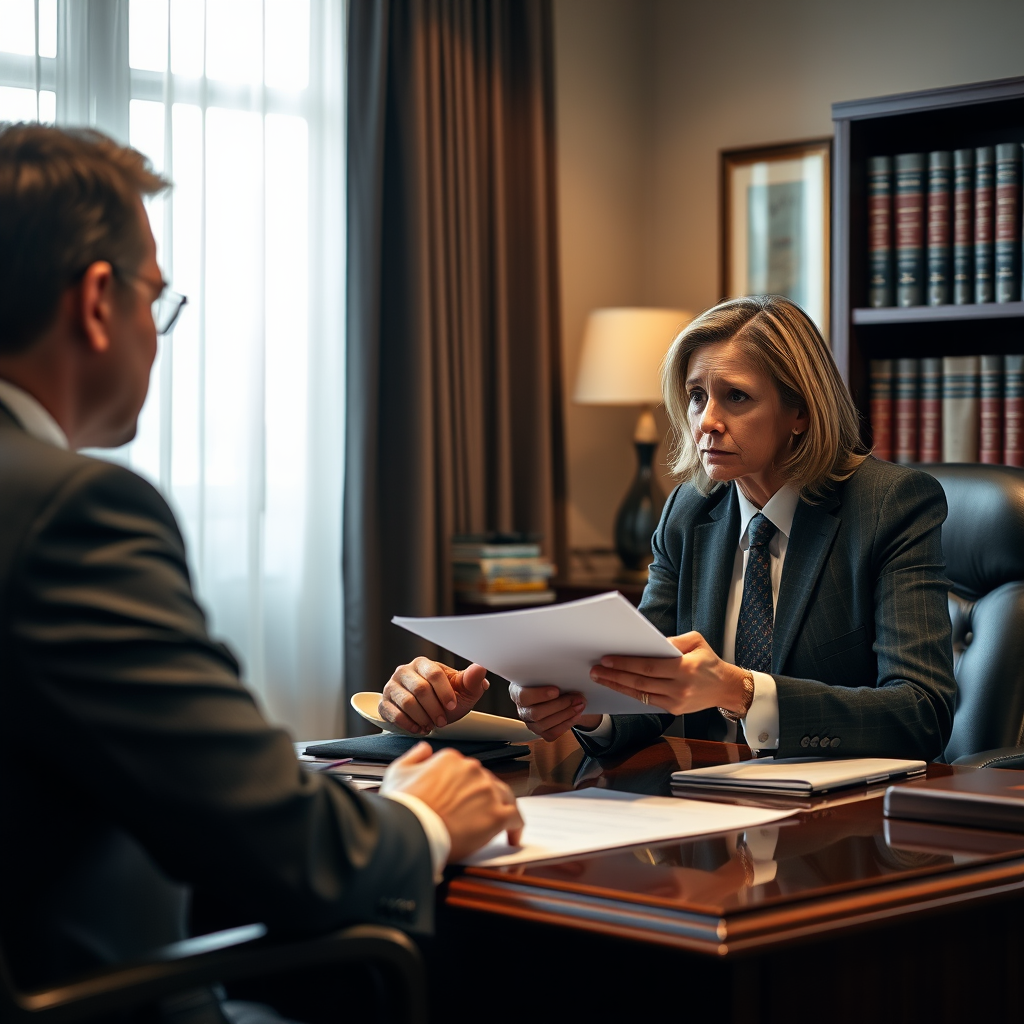
What Happens at an Immigration Court Hearing in King William County?
Immigration law is complex, highly technical, and deeply personal. If you are facing an immigration court hearing in King William County, Virginia, it is natural to feel overwhelmed by the legal terminology and the gravity of the situation. The process can vary significantly depending on the specific type of hearing—whether it involves asylum claims, removal proceedings, or adjustments of status. Understanding what typically happens at these hearings is the crucial first step toward preparing effectively.
At Law Offices Of SRIS, P.C., we understand that this is not just a legal proceeding; it affects your life, your family, and your ability to remain in the United States. While we cannot predict the outcome of any case—as results are always subject to applicable law and the discretion of the judge—we can provide a comprehensive overview of the stages, procedures, and evidence that are generally involved. This guide is designed to help you understand the structure of an immigration court hearing in King William County, empowering you with knowledge so you can speak confidently with your attorney.
Understanding the Immigration Court Process
An immigration court hearing is fundamentally a quasi-judicial proceeding where an immigration judge hears evidence and testimony to determine if an individual has met the legal criteria for relief (such as asylum or withholding of criminal penalty) or if they are subject to removal.
The Critical Stage: Pre-Hearing Preparation
Preparation is arguably the most critical phase. Before you ever step into a courtroom, your legal team will work with you to build a comprehensive case file. This involves gathering every piece of supporting documentation, including birth certificates, travel records, medical reports, and any evidence related to the persecution or fear you are claiming. If your case involves asylum, for example, we must gather detailed accounts of the events that led to your departure from your home country. The goal during preparation is to create a cohesive narrative supported by verifiable facts.
This stage often includes depositions and interviews with witnesses who can corroborate your story. The more thoroughly prepared you are, the stronger your case will appear before the judge. If you are concerned about the evidence needed for your specific situation, consulting with experienced King William County immigration lawyer is frequently consulted.
What Types of Hearings Might You Face?
The nature of the hearing dictates the procedure. Some common types include:
- Asylum Hearings: These are the most complex, requiring you to prove a well-founded fear of persecution in your home country based on race, religion, nationality, or political opinion.
- Removal Proceedings: These hearings determine if an individual has violated immigration law and may result in deportation if no other relief is granted.
- Adjustment of Status Hearings: These occur when you are already legally present in the U.S. And are seeking to change your status to a permanent resident.
Each type requires different evidence and legal arguments, which is why having an attorney familiar with the nuances of immigration law is essential.
What Happens at an Immigration Court Hearing in King William County?
While the specific flow can vary, a hearing generally follows a structured pattern. The immigration judge will preside over the proceedings, ensuring that all rules of evidence are followed. Here is a step-by-step breakdown of what you can expect.
1. Opening Statements
The legal team representing the government (ICE) and your attorney will each begin by presenting an opening statement. These statements outline the legal arguments and the evidence they intend to present to the judge. This sets the stage for the entire hearing and helps you understand the framework of the case.
2. Witness Testimony
This is often the most emotional and challenging part of the day. You, or other witnesses, will be called to testify under oath. The judge and opposing counsel will ask questions (direct examination), and then your attorney will have the opportunity to challenge those questions (cross-examination). It is vital that you remain calm, answer only the question asked, and speak clearly. Remember, everything you say can be used as evidence.
3. Presentation of Evidence
Evidence includes documents, photographs, expert reports, and physical items. Your attorney will introduce this evidence to support your claims. The judge determines the admissibility of this evidence based on established legal rules. For instance, if you are claiming persecution, your attorney may introduce news articles or academic studies to prove that your fear is reasonable.
4. Closing Arguments
After all testimony and evidence have been presented, the attorneys will deliver closing arguments. These summaries reiterate the key points of law and fact, persuading the judge that, based on the evidence presented, a certain outcome is warranted. This is your final chance to guide the judge toward the conclusion your legal team wants.
How Mr. Sris and the Firm’s Of Counsel Attorneys Handle Immigration Cases in King William County
Navigating an immigration court hearing requires not only thorough knowledge of federal law but also a nuanced understanding of local judicial procedures, such as those practiced within King William County. Our approach is built on comprehensive case strategy, ensuring that every piece of evidence and every testimony contributes to a cohesive and compelling narrative. We begin by conducting an exhaustive review of your entire immigration file, identifying potential gaps in documentation or inconsistencies in testimony that could be exploited by the government. This detailed audit allows us to proactively build defenses and strengthen claims before the hearing even begins.
Furthermore, we recognize that immigration cases are often highly emotional, and stress can impact testimony. Our process includes preparing you for the courtroom environment itself—from understanding how to answer tough questions under oath to managing your composure when facing difficult cross-examination. We work collaboratively with the firm’s Of Counsel attorneys, who bring specialized experience in various areas of immigration law, ensuring that whether your case involves asylum, family petitions, or removal defense, the firm has the necessary resources and local knowledge to advocate for your rights effectively.
About Mr. Sris and the Firm’s Of Counsel Attorneys
Mr. Sris, Owner and Founder of Law Offices Of SRIS, P.C., brings decades of dedicated experience to every case. As a former prosecutor, he possesses a unique perspective on how government agencies build their cases and, critically, how those cases can be challenged effectively in court. His commitment to justice is matched by his dedication to representing clients who are facing the most difficult legal hurdles. Mr. Sris is admitted in Virginia, Maryland, the District of Columbia, New Jersey, and New York, allowing him to provide a multi-jurisdictional view of immigration law that few attorneys can match.
The firm’s Of Counsel attorneys are a network of highly specialized legal professionals who augment our core team. They represent independent attorneys in specific areas of immigration law, providing deep technical knowledge that allows us to maintain an exceptionally high standard of care for all clients. By leveraging this collective experience, we ensure that every client benefits from the combined experience and diverse perspectives of a large, yet highly coordinated, legal team.
If you are located in another area of Virginia, such as Norfolk or Tappahannock, our team can still assist with your immigration defense.
What is Asylum in Virginia?
Asylum is a form of protection granted to individuals who are unable to return to their home country because they fear persecution based on specific protected grounds. In Virginia, the process for seeking asylum involves demonstrating that the government of your home country cannot or will not protect you from harm. This requires presenting detailed evidence of both the threat and the inability of local authorities to intervene.
What are Removal Procedures in Virginia?
Removal proceedings are initiated when an individual is deemed inadmissible or deportable under U.S. Law. These hearings focus on establishing whether the individual has violated immigration statutes and, if so, what the appropriate legal remedy is. Defense strategies often revolve around proving that the individual qualifies for a form of relief (like withholding of criminal penalty) that prevents removal.
How Does Adjusting Status Work in Virginia?
Adjusting status allows an individual who is already physically present in the United States to change their legal immigration status. This typically requires proving a qualifying relationship (such as marriage or employment) and demonstrating that they meet all statutory requirements for permanent residency.
King William County Immigration Lawyer Services
The local legal landscape in King William County requires attorneys who are not only knowledgeable about federal immigration statutes but also intimately familiar with the local court practices and community resources. Our practice focuses on providing dedicated, localized representation to ensure that your case is handled with the utmost attention to detail and cultural sensitivity.
Frequently Asked Questions About Immigration Hearings
What documents should I bring to my immigration hearing?
You should bring every document related to your case, including passports, birth certificates, medical records, and any correspondence with government agencies. If you are unsure what is needed, call us immediately so we can create a detailed checklist for you.
How long does the entire immigration process take?
The timeline varies dramatically. Some hearings are scheduled quickly, while complex asylum cases can take many months or even years due to backlogs and the depth of evidence required for a full hearing.
Can I represent myself at an immigration court hearing?
While you have the right to self-representation, immigration law is incredibly complex. Without legal training, it is extremely difficult to navigate the rules of evidence and cross-examination successfully. We strongly advise working with an experienced attorney.
What happens if I miss my hearing date?
Missing a scheduled hearing can result in severe consequences, including automatic removal proceedings or the denial of your claim. It is crucial to communicate any potential conflicts with your attorney well in advance.
Is it possible to get an extension for my hearing?
Extensions are often granted if there is a legitimate reason, such as needing time to gather critical evidence or if the judge determines more time is needed to ensure a fair proceeding. Your attorney will handle all requests for continuance.
Does my citizenship status affect my hearing?
Your current citizenship status affects which legal remedies are available to you. For instance, if you are already a citizen of the U.S., your case may be handled differently than if you are an undocumented visitor.
What is the difference between asylum and withholding of criminal penalty?
Asylum is based on proving persecution in your home country. Withholding of criminal penalty is a separate form of relief that prevents deportation based on certain criminal convictions, even if you don’t meet the full criteria for asylum.
Can I prepare my testimony with my attorney?
Yes. We will work with you to practice your testimony multiple times. This helps you feel comfortable with the questions and ensures that your narrative is consistent, clear, and legally sound.
What should I wear to my immigration court hearing?
While there is no strict dress code, we recommend wearing professional, conservative attire. This helps you feel more composed and respectful of the proceedings.
Conclusion: Taking the Next Steps
Facing an immigration court hearing in King William County is daunting, but you do not have to face it alone. The legal process is intricate, requiring specialized knowledge that goes far beyond general legal advice. Our goal at Law Offices Of SRIS, P.C. is to demystify the process for you, providing clear guidance and robust representation every step of the way.
If you have received notice of an immigration hearing or are simply seeking to understand your options, please do not wait until the last minute. The clock is always ticking in immigration law. We encourage you to reach out to our team for a confidential consultation. By speaking with an attorney about your particular situation, you can gain clarity and begin building a strong defense strategy immediately.
Need help understanding your rights in King William County?
Call (888) 437-7747 today to schedule a private consultation with our experienced immigration attorneys. We are available by appointment only.
***Disclaimer: The information provided on this website is for informational purposes only and does not constitute legal advice. Immigration law is subject to change, and every case is unique. You must consult with a qualified attorney licensed in the relevant jurisdiction to discuss the specifics of your situation.***
Case results depend on a variety of factors unique to each case.
Attorney advertising. Prior results do not guarantee a similar outcome.