
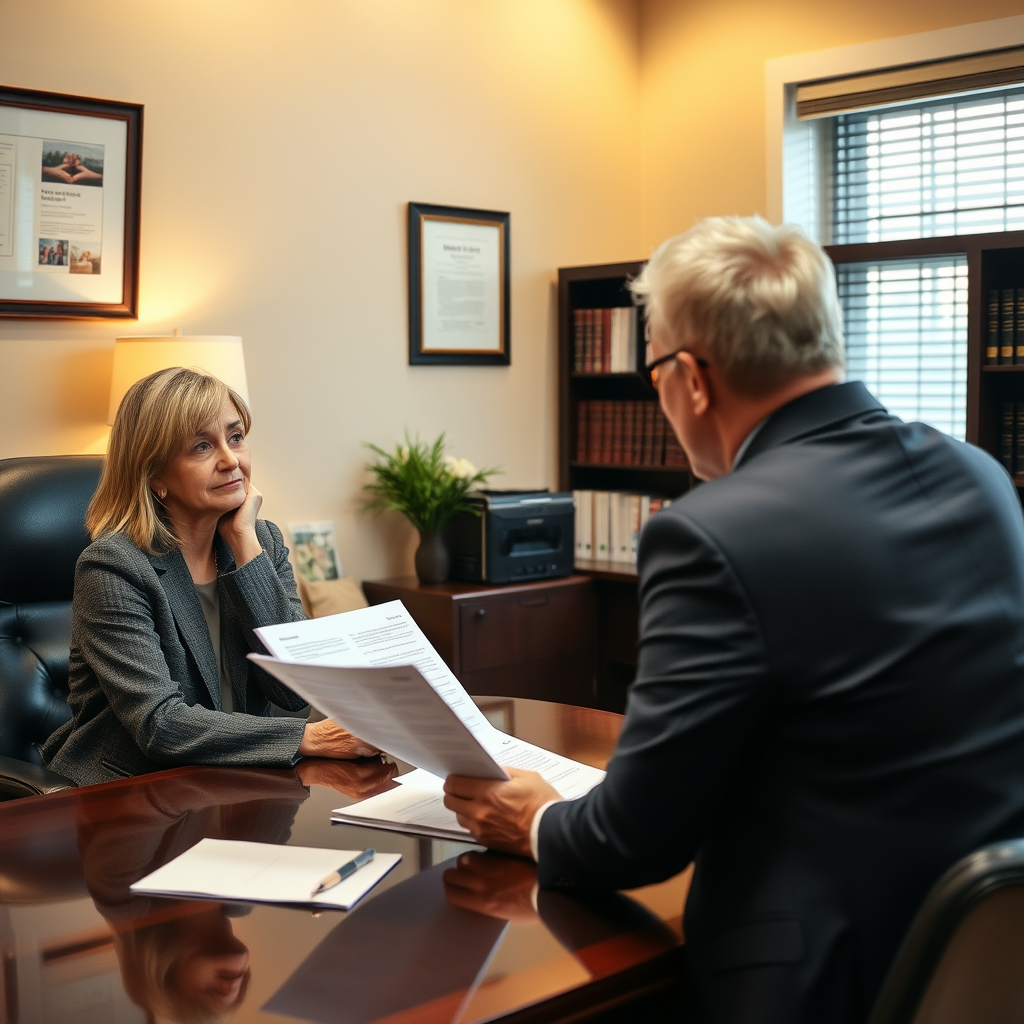
VAWA Self Petition Lawyer in Caroline County, VA
Navigating the complexities of the Violence Against Women Act (VAWA) and filing a self-petition can feel overwhelming, especially when you are dealing with trauma and fear. If you are a survivor seeking protection and legal recourse in Caroline County, Virginia, understanding your rights and the necessary procedural steps is critical. The process of obtaining VAWA status through a self-petition requires meticulous attention to detail, adherence to strict federal guidelines, and often, experienced attorney legal guidance.
At Law Offices Of SRIS, P.C., we understand that seeking legal assistance in this area is not just about paperwork; it is about safety, stability, and the right to a new beginning. Our dedicated team has extensive experience helping survivors across Virginia, Maryland, Washington D.C., New Jersey, and New York navigate the VAWA process. We are committed to providing compassionate, knowledgeable counsel to help you understand every stage of your self-petition filing in Caroline County.
What is the Violence Against Women Act (VAWA) Self-Petition Process?
The Violence Against Women Act (VAWA) is a landmark piece of federal legislation designed to combat domestic violence and support survivors. For individuals who cannot easily establish citizenship or permanent residency through traditional means, VAWA provides a critical pathway to legal status and protection. A self-petition is the process by which a survivor petitions for this status without the direct sponsorship of a U.S. Citizen or LPR relative.
The VAWA self-petition is not a guarantee of status; rather, it is a formal request to USCIS (U.S. Citizenship and Immigration Services) to recognize your status as a victim of abuse. To successfully file this petition, evidence must be gathered demonstrating that you were subjected to abuse, coercion, or threats by an abuser. This evidence can come from police reports, medical records, testimony from friends or family, and documentation related to the abuse itself. Our VAWA defense practice is built on gathering and presenting this evidence in a way that meets the high standards required by federal immigration law.
Understanding the Self-Petition Requirement
The “self-petition” aspect means you are advocating for your own case based on the facts of your experience. This places a significant burden of proof on the petitioner. While the law is designed to help, the procedural requirements are complex. For instance, understanding the specific documentation needed for a self-petition in Caroline County, VA, versus another jurisdiction like Maryland, can vary significantly. We guide you through these nuances, ensuring that every piece of evidence supports your claim while maintaining compliance with all federal regulations.
Key Elements of a Successful VAWA Case
A successful VAWA self-petition generally requires establishing several key elements: 1) Proof of abuse or threat; 2) Establishing the relationship between the petitioner and the abuser; 3) Demonstrating that the abuse occurred within the jurisdiction covered by VAWA; and 4) Providing credible documentation supporting your narrative. Many survivors struggle with gathering these disparate pieces of evidence—some are physical, some are testimonial, and some are circumstantial. This is where the experience of a local VAWA lawyer in Caroline County becomes invaluable.
The Comprehensive VAWA Self-Petition Process: What to Expect
The journey from initial consultation to final filing involves several distinct, yet interconnected, phases. We aim to demystify this process for you, providing clarity at every step. The first phase is the comprehensive intake and assessment. During this time, we meet with you to listen to your full story in a safe, confidential environment. We do not rush this process; we take the time necessary to understand the scope of the abuse and the specific legal hurdles you face.
Next, we move into the evidence collection phase. This is arguably the most critical stage. We work with you to identify every potential source of documentation—from hospital records to local police reports in Caroline County. We also help prepare you for any necessary interviews or testimony. If your case involves jurisdictional issues, such as crossing state lines between Virginia and Maryland, our team coordinates with attorneys who understand multi-state immigration law.
The third phase is the drafting and filing of the petition packet. This involves writing the narrative statement, compiling all supporting affidavits, and ensuring that every form submitted to USCIS is filled out accurately. The final phase involves managing the case through USCIS processing, which can take considerable time. Throughout this entire process, we maintain open communication, keeping you informed about status updates and any required follow-up actions.
If you are exploring other protective measures or need general guidance on immigration law, please review our guides on Understanding Protective Orders or learn more about our comprehensive immigration law practice.
How Mr. Sris and the Firm’s Of Counsel Attorneys Handle VAWA Cases in Caroline County
Handling a VAWA self-petition in Caroline County requires not only thorough knowledge of federal immigration statutes but also an acute understanding of local community dynamics and the specific challenges faced by survivors in this region of Virginia. Our approach is fundamentally built on advocacy, empathy, and strategic legal planning. We recognize that the evidence supporting a claim of abuse can be emotionally fraught, and our process is designed to support you while building an ironclad legal case.
When we begin working with a client in Caroline County, our first priority is establishing a secure, confidential framework for communication. We conduct thorough interviews to build a complete timeline of events. We work closely with local resources—including social service agencies and victim advocates within the county—to ensure that the documentation we gather is as robust and admissible as possible. Furthermore, we advise clients on coordinating their legal needs with local law enforcement records, ensuring that any police reports or court filings related to protective orders are properly integrated into the self-petition narrative. This comprehensive view of your situation allows us to build a case that is not only legally sound but also deeply reflective of the reality you have endured.
Our methodology emphasizes building credibility through documentation. We guide clients on how to organize disparate records—medical, educational, and financial—to paint a cohesive picture for USCIS. For those who are considering filing a self-petition in neighboring jurisdictions, such as Prince George County or Stafford County, our team can provide comparative advice, helping you determine which local legal framework best supports your specific needs. We manage the entire lifecycle of the petition, from initial consultation to final submission, ensuring that every detail, no matter how small, contributes to a stronger overall case for VAWA legal assistance.
About Mr. Sris and the Firm’s Of Counsel Attorneys
The foundation of our commitment to survivors began with Mr. Sris’s dedication to justice. As Owner and Founder, Mr. Sris brings decades of experience in complex criminal and immigration defense matters. His background as a former prosecutor provides him with a unique, comprehensive understanding of how state criminal proceedings intersect with federal immigration law—a critical intersection point for VAWA petitioners. He is admitted to practice law in Virginia, Maryland, the District of Columbia, New Jersey, and New York, allowing us to provide continuity of care and experience across multiple jurisdictions.
Mr. Sris’s commitment extends beyond litigation; it is rooted in advocacy. The firm believes that every survivor deserves access to competent legal representation regardless of their current immigration status. We maintain a network of experienced Of Counsel attorneys who practices in various facets of family and criminal law, ensuring that our clients receive specialized attention. These dedicated professionals work alongside the core team to provide comprehensive support, allowing us to manage the breadth of issues involved in a VAWA self-petition, from protective orders to permanent residency applications. We are here to guide you through every step.
If you need more information on our background or services, please see our immigration law practice page or learn about our commitment to client safety at our Caroline County VAWA lawyer resources.
Why Choose Our Firm for Your VAWA Self-Petition in Caroline County?
Choosing the right legal counsel when dealing with domestic violence and immigration status is perhaps the most important decision you will make. The VAWA self-petition process is inherently stressful, and the legal requirements are unforgiving of errors or omissions. Our firm distinguishes itself through a combination of deep jurisdictional knowledge, compassionate client advocacy, and a methodical approach to evidence management.
We do not offer generalized advice; we provide targeted strategies for your specific situation in Caroline County. Whether your case involves establishing residency within Virginia, dealing with cross-jurisdictional abuse patterns between VA and MD, or navigating the complexities of filing as a self-petitioner, our team has the framework to support you. We understand that the process requires patience, persistence, and experienced attorney navigation of federal rules.
Do not navigate this critical time alone. Contact Law Offices Of SRIS, P.C. Today. Our dedicated team is ready to discuss your situation confidentially and help you take the first steps toward securing the protection and status you deserve. Reach our location at (888) 437-7747 to schedule a consultation.
VAWA Legal Assistance in Caroline County, VA
The legal landscape surrounding VAWA is constantly evolving, and the requirements for self-petitioning can change based on federal policy updates or USCIS interpretations. Therefore, it is absolutely essential to work with counsel who remains current on these changes. Our local understanding of Caroline County’s judicial processes, combined with our national experience in immigration law, allows us to anticipate potential roadblocks before they impact your case.
We assist clients with various aspects of VAWA-related matters, including filing for protective orders, establishing temporary status, and ultimately seeking permanent residency. Our goal is always to provide a clear path forward, transforming what feels like an insurmountable legal obstacle into a manageable, actionable process. We encourage you to explore our Virginia Protective Orders resources to understand the immediate steps you can take while your self-petition is pending.
How Do I File a Self-Petition in Caroline County?
The initial step involves gathering all personal documentation, including identification, proof of abuse (medical records, police reports), and any evidence of separation from the abuser. We guide you through creating a detailed, chronological narrative that connects these pieces of evidence to the legal requirements of VAWA. This process is highly sensitive, and we ensure that your story is told accurately and powerfully to the immigration authorities.
What Are the Requirements for a VAWA Self-Petition?
While specific requirements are determined by USCIS, generally, you must prove that you were subjected to abuse or threats of abuse. Furthermore, the petition must demonstrate that you meet the criteria for status under VAWA. We help clients understand the difference between general evidence of hardship and the specific legal proof required for a successful self-petition filing. Consulting with an experienced VAWA lawyer in Caroline County is necessary to confirm all jurisdictional requirements are met.
What Is the Difference Between VAWA and Other Visas?
This is a common question. While other visas may provide pathways to legal status, VAWA is specifically tailored to address the unique vulnerabilities of survivors of domestic violence. It focuses on the protective aspect of the abuse suffered, which is often the central element missing from other immigration applications. Our team can clarify how VAWA provides a distinct and necessary layer of protection that other visa categories may not cover.
Frequently Asked Questions About VAWA Self-Petitions
What if I have been separated from my abuser for a long time?
Even if you have been separated for an extended period, the legal protections and status granted by VAWA can still be relevant. The focus remains on the abuse that occurred and the need for protection at that time. We can advise you on how to frame your narrative to address the timeline effectively.
Do I need a lawyer to file my self-petition?
While filing is technically possible without counsel, the complexity of VAWA law and USCIS requirements makes professional representation highly advisable. A local VAWA lawyer in Caroline County ensures that every form is correct and that your evidence is presented optimally to supports an informed approach.
Can my children be included in the self-petition?
Yes, typically, VAWA petitions can include immediate family members, such as minor children. Including them strengthens the overall petition and helps secure status for the entire family unit under the protection of the law.
How long does the VAWA self-petition process take?
The timeline is highly variable, depending on USCIS backlogs, the completeness of your initial documentation, and any required follow-up interviews. We manage expectations by providing realistic timelines while diligently working to keep your case moving forward.
What evidence is most helpful for a VAWA claim?
The most helpful evidence is documentation that corroborates your account of abuse—this includes medical reports, police records, and affidavits from credible witnesses. The more diverse and consistent the evidence, the stronger your case will appear.
Does my state of residence affect my VAWA petition?
While VAWA is a federal law, local jurisdictional issues (like protective orders) can be influenced by state laws. Our team understands the nuances between Virginia and neighboring states like Maryland, ensuring your petition addresses all relevant legal jurisdictions.
What if I cannot find records of my abuse?
Do not lose hope. If physical records are unavailable, we focus on alternative forms of evidence, such as testimony and circumstantial evidence, to build a compelling case. Our experience allows us to find value in seemingly minor details.
Conclusion: Taking the Next Step Towards Safety
The decision to pursue a VAWA self-petition is monumental, representing a commitment to your own safety and future stability. At Law Offices Of SRIS, P.C., we are here to be your trusted partners throughout this entire journey. We combine our thorough understanding of immigration law with the empathy required to support survivors. Our goal is not just to file paperwork; it is to advocate for your right to protection under the law.
If you are a survivor in Caroline County, VA, or anywhere else in our service area, please do not delay reaching out. Contact us today at (888) 437-7747. By scheduling a consultation, you take the first crucial step toward securing the legal protection and peace of mind that you deserve. We look forward to speaking with you about your particular situation.
Ready to Discuss Your VAWA Options?
Contact Law Offices Of SRIS, P.C. Today. We offer confidential consultations regarding VAWA self-petitions and related immigration matters. Call us at (888) 437-7747 or reach our location by appointment only.
Disclaimer: The information provided on this website is for informational purposes only and does not constitute legal advice. Immigration law is complex and subject to change. You should consult with a qualified attorney regarding your specific situation. Law Offices Of SRIS, P.C. Practices in Virginia, Maryland, the District of Columbia, New Jersey, and New York.
Case results depend on a variety of factors unique to each case.
Attorney advertising. Prior results do not guarantee a similar outcome.