
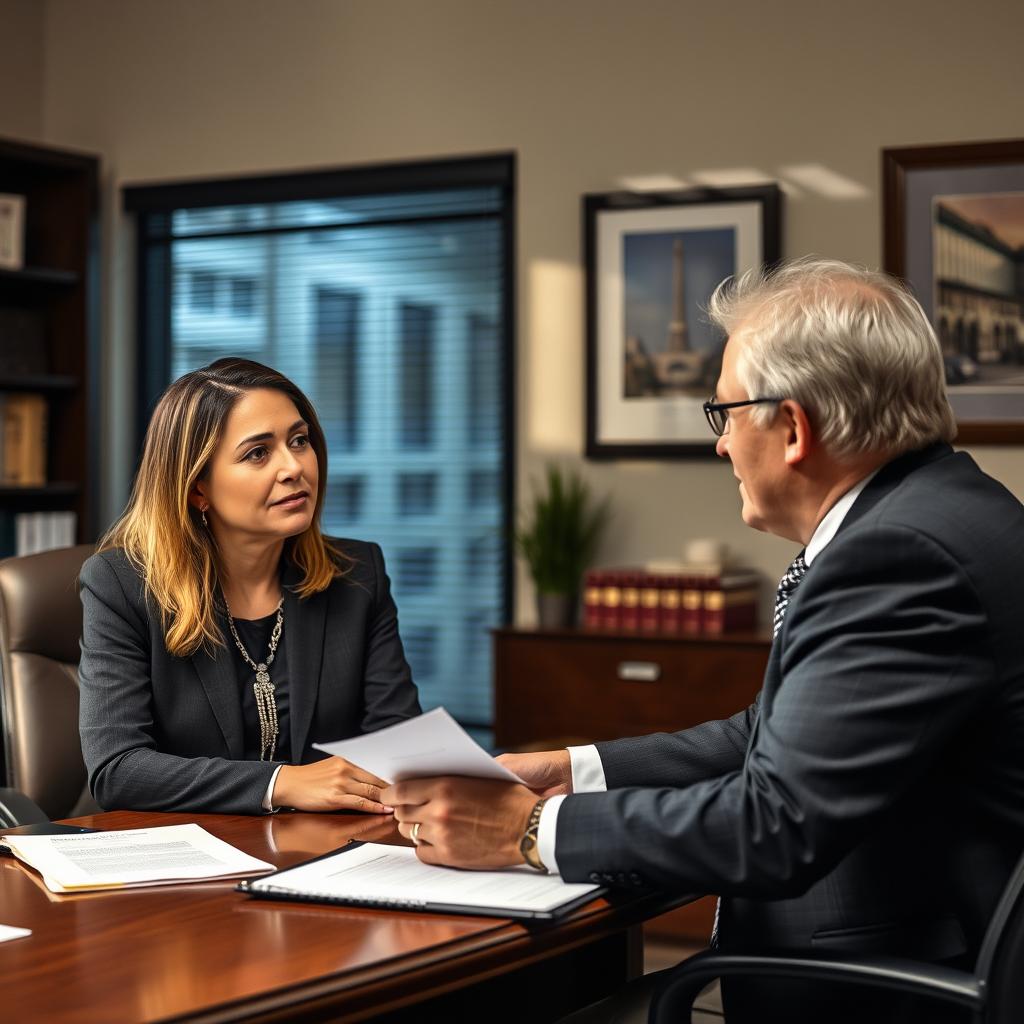
VAWA Petition Lawyer U Street Corridor, DC
Under the Violence Against Women Act (VAWA), a noncitizen spouse, child, or parent of a U.S. Citizen or lawful permanent resident who has been subjected to battery or extreme cruelty can self-petition for lawful status without the abuser’s knowledge or cooperation. The self‑petition is a confidential process designed to protect survivors and give them a route to safety and independence. For residents of U Street Corridor, DC, pursuing a VAWA petition requires careful documentation, a thorough understanding of the Immigration and Nationality Act, and an experienced guide who can navigate both the immigration and family-law dimensions of the matter. Mr. Sris and his Of Counsel at Law Offices Of SRIS, P.C. assist individuals throughout the U Street Corridor and the broader District of Columbia with preparing, filing, and following through on VAWA self‑petitions. To request a consultation, reach the firm at (888) 437‑7747.
Understanding VAWA Petitions for U Street Corridor, DC Residents
A VAWA self‑petition allows an abused spouse to file Form I‑360 on their own behalf, removing the abuser from the immigration process entirely. The statute, 8 U.S.C. § 1154(a)(1)(A)(iii)‑(iv), extends eligibility to spouses and children of U.S. Citizens or lawful permanent residents, as well as parents of U.S. Citizen sons or daughters who are at least 21 years old. The petition does not require the abuser to sponsor or even be notified, and USCIS safeguards the confidentiality of the filing. For individuals living in the U Street Corridor—a vibrant neighborhood anchored by the historic Howard Theatre, bustling restaurants, and a diverse immigrant community—accessing knowledgeable immigration counsel is critical because a VAWA petition involves demonstrating not only the qualifying relationship but also that the applicant lived with the abuser, that the abuser subjected the applicant to battery or extreme cruelty, and that the applicant is a person of good moral character.
Immigration cases for DC residents are processed through federal facilities in Northern Virginia. Affirmative VAWA petitions are filed with the USCIS Washington District Office at 2675 Prosperity Avenue in Fairfax, Virginia. If the applicant is already in removal proceedings, the defensive aspects of the case are heard at the Arlington Immigration Court at 1901 South Bell Street. Mr. Sris and his Of Counsel appear regularly before both USCIS and EOIR, and their Arlington location places them minutes from the key federal immigration offices that handle DC‑area cases. Residents of the U Street Corridor, together with those from adjacent neighborhoods like Shaw, Logan Circle, and Columbia Heights, can schedule a consultation to review eligibility and begin assembling the required evidentiary package.
How Mr. Sris and His Of Counsel Assist with VAWA Petitions
A VAWA self‑petition demands a substantial record of abuse, which may include police reports, protective‑order records, medical records, psychological evaluations, and sworn affidavits from witnesses. Mr. Sris’s background as a former prosecutor gives him insight into how to obtain and present criminal‑justice records while protecting a client’s confidentiality. He and his Of Counsel work with each client to identify and gather the types of evidence USCIS expects, ensuring that the petition tells a coherent, credible story of abuse and good moral character. Throughout the process, the team keeps the abuser unaware of the filing and does not require the abuser to submit any documents or attend any interview.
Once the I‑360 is filed, the matter proceeds according to USCIS case‑processing procedures. If the petition is approved and an immigrant visa is immediately available, the applicant may also apply for adjustment of status to lawful permanent residence. Mr. Sris and his Of Counsel prepare the adjustment application, attend the biometrics appointment with the client when appropriate, and represent the client in any USCIS interview. If the case reaches the Arlington Immigration Court, Mr. Sris can present the VAWA‑based defense in removal proceedings. The approach at every stage is fact‑driven: counsel carefully reviews each piece of evidence, explains the legal standards that apply, and keeps the client informed of developments. There is no guaranteed outcome, and the timeline depends on USCIS processing volumes and individual case circumstances.
About Mr. Sris and His Of Counsel Team
Mr. Sris founded Law Offices Of SRIS, P.C. in 1997 and has built a multi‑state practice that assists clients in Virginia, Maryland, the District of Columbia, New Jersey, and New York. A former prosecutor, Mr. Sris brings trial experience and an understanding of how law‑enforcement records are generated and interpreted—knowledge that directly benefits VAWA petitioners who must document abuse through police reports and court orders. His Of Counsel, all non‑employee attorneys engaged through Excella, contribute additional depth in immigration, criminal defense, and family‑law matters, ensuring that the overlapping legal issues common in VAWA cases receive coordinated attention.
Mr. Sris and his Of Counsel are experienced in immigration law and have assisted individuals seeking humanitarian immigration relief since 1997. Results may vary. For a confidential discussion of your circumstances, contact the firm and request a consultation.
Frequently Asked Questions
What is a VAWA self‑petition and who qualifies?
A VAWA self‑petition is a confidentiality‑protected immigration application that allows an abused spouse, child, or parent of a U.S. Citizen or lawful permanent resident to file for lawful status without the abuser’s involvement. To qualify, an applicant must establish a qualifying relationship, cohabitation with the abuser (for spousal cases), battery or extreme cruelty by the abuser, good moral character of the applicant, and—for a spouse—that the marriage was entered in good faith. The petition does not require the abuser to sign or submit any documents, and USCIS keeps the filing secret from the abuser.
How does the VAWA process work for someone living in the U Street Corridor, DC?
Residents of the U Street Corridor follow the same federal VAWA process as any applicant in the United States—the petition is filed with USCIS—but they benefit from the proximity of experienced counsel based in Arlington, Virginia, who can meet in person and accompany clients to the USCIS Washington District Office in Fairfax. The client works with counsel to gather evidence such as police reports, medical records, and affidavits. Once the I‑360 is filed, the case is processed by the Vermont Service Center. If the petition is approved, the applicant may be able to adjust status to lawful permanent residence, unless grounds of inadmissibility apply. Any removal‑proceeding concerns are handled at the Arlington Immigration Court.
Do I need a lawyer to file a VAWA petition?
You are not legally required to have a lawyer to file a VAWA petition, but working with experienced immigration counsel helps ensure that the petition is properly documented and that your status remains protected during the process. A VAWA self‑petition requires detailed evidence of abuse and good moral character, and mistakes or omissions can lead to delays or denial. Counsel can also advise you on whether to seek a waiver of inadmissibility, how to handle any pending criminal matters, and what to expect at a USCIS interview. The initial consultation with Law Offices Of SRIS, P.C. Allows you to evaluate your eligibility and decide whether to proceed with representation.
Where will my VAWA petition be processed if I live in DC?
Affirmative VAWA petitions filed by DC residents are processed by the USCIS Vermont Service Center, but the USCIS Washington District Office in Fairfax, Virginia, handles local interviews and biometrics. If an applicant is already in removal proceedings, the defensive aspects are heard at the Arlington Immigration Court at 1901 South Bell Street. Mr. Sris and his Of Counsel appear at both the Fairfax USCIS office and the Arlington Immigration Court, so clients from the U Street Corridor have a short trip for any in‑person appointments.
Can I work while my VAWA petition is pending?
If you are eligible to apply for employment authorization concurrently with the VAWA petition, you may receive a work permit while the I‑360 is under review. USCIS allows certain VAWA self‑petitioners to file Form I‑765 together with Form I‑360. The work permit is typically issued after the I‑360 is determined to have made a prima facie case. Processing times for both the petition and the employment authorization vary, and Mr. Sris and his Of Counsel can advise you on whether concurrent filing is appropriate in your situation.
What steps are taken to keep the abuser from learning about the petition?
The VAWA self‑petition process is designed to be entirely confidential; USCIS does not notify the abuser of the filing and will not disclose any information about the case to the abuser or to a third party without the applicant’s consent. Law Offices Of SRIS, P.C. also follows strict confidentiality practices: attorney‑client communications are privileged, and no information is shared with anyone outside the representation without the client’s authorization. In-person meetings are conducted in a private setting, and the firm can take additional precautions to help clients feel safe throughout the process.
Related immigration representation in the District of Columbia:
Immigration Lawyer Washington, D.C. ·
Georgetown Immigration Lawyer ·
Cleveland Park Immigration Attorney
Official sources:
USCIS – Battered Spouse, Children & Parents ·
8 U.S.C. § 1154 – Procedure for granting immigrant status
Attorney advertising. Prior results do not guarantee a similar outcome.
Case results depend on a variety of factors unique to each case.