
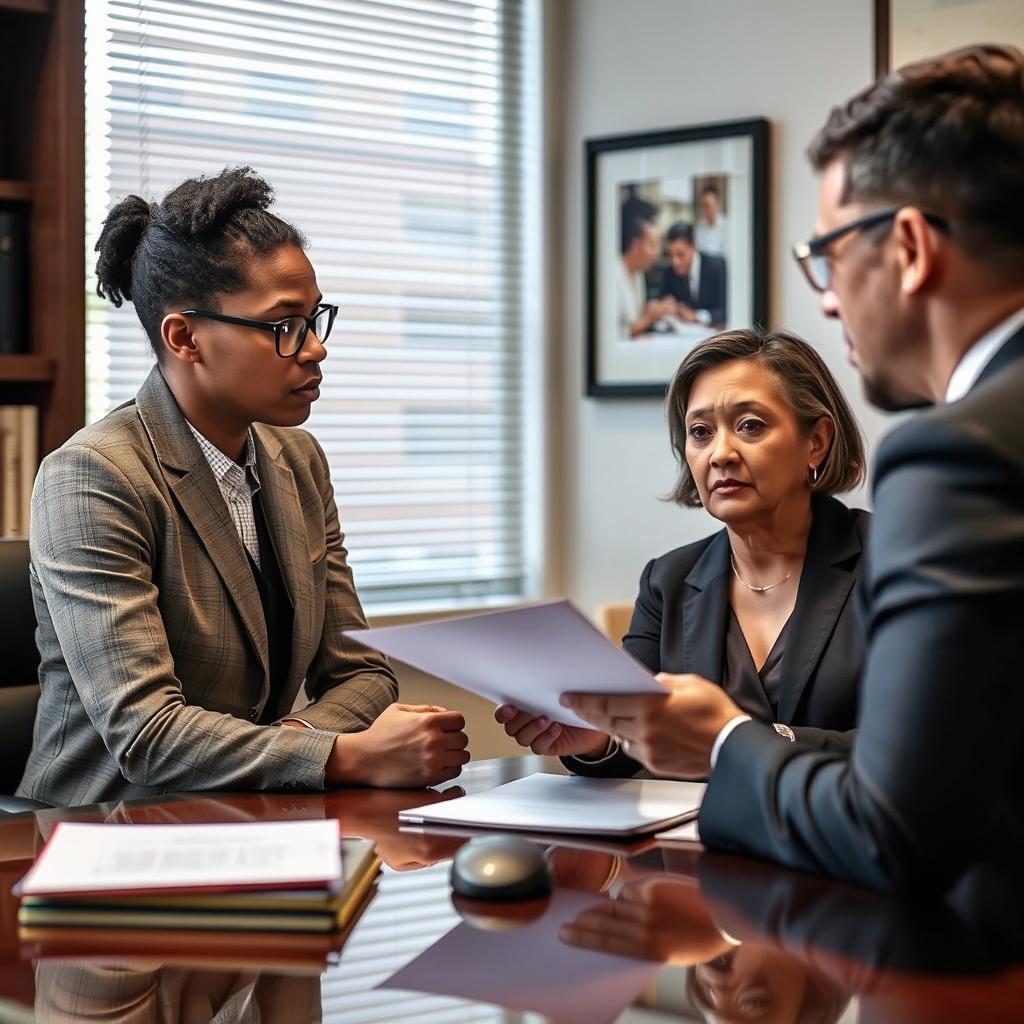
VAWA Petition Lawyer Georgetown, DC
For many immigrants living in Georgetown, Washington, D.C., a VAWA self‑petition offers a pathway to lawful permanent residence without having to rely on an abusive U.S. Citizen or lawful permanent resident spouse, parent, or adult child. Under 8 U.S.C. § 1154(a)(1)(A)(iii)–(iv), individuals who have suffered battery or extreme cruelty may file a Form I‑360 petition on their own behalf — independent of the abuser’s sponsorship. This confidential process allows survivors to seek safety and stability while keeping the abuser unaware of the filing. Mr. Sris, Owner and Founder of Law Offices Of SRIS, P.C., and his Of Counsel team assist Georgetown residents at every stage, from evaluating eligibility and gathering the necessary evidence to presenting a complete petition to U.S. Citizenship and Immigration Services. Our firm has documented 4,739+ case results firm‑wide, with a 93%+ favorable outcome rate. Results may vary. Reach our Arlington location at (888) 437‑7747 to schedule a consultation about a VAWA petition. Law Offices Of SRIS, P.C. – Advocacy Without Borders.
What a VAWA Petition Means in Georgetown
The Violence Against Women Act (VAWA) created a special immigration provision that permits certain abused noncitizens to obtain lawful status without the cooperation of the abuser. For Georgetown residents, the petition is a federal matter processed by the Arlington Immigration Court and the USCIS Washington Field Office — federal bodies that serve the entire District of Columbia. Mr. Sris and his Of Counsel regularly appear before these offices, guiding clients through a system that can feel opaque. The process begins with Form I‑360 and, if approved, may lead to adjustment of status under 8 U.S.C. § 1255 or consular processing for those outside the United States.
Georgetown’s proximity to the Arlington offices — and to our firm’s Arlington location at 1655 Fort Myer Drive — means that case preparation, filing, and follow‑up occur across a concentrated geographic area. Eligibility turns on showing that the applicant is the spouse, child, or parent of a U.S. Citizen or lawful permanent resident who subjected them to battery or extreme cruelty; that the applicant has good moral character; and that they have resided with the abuser. Because the petition is confidential, USCIS is prohibited from notifying the abuser. This statutory shield is central to the protection VAWA offers, and it is one reason why survivors in the Georgetown neighborhood — from the historic waterfront to the Burleith border — can come forward without fear of retaliation.
How Mr. Sris and His Of Counsel Handle VAWA Petitions
Every VAWA petition presents unique facts. Mr. Sris and his Of Counsel work methodically to build a file that meets the statute’s evidentiary standards. The team identifies and gathers police reports, medical records, protection orders, affidavits from witnesses, and any other documentation that demonstrates the abuse and the relationship to the abuser. They craft a detailed personal declaration that explains the harm suffered and connects it to the legal criteria. Then they file the petition with the appropriate USCIS service center, monitor case progress, and respond to any Requests for Evidence that the agency issues.
Because VAWA petitions are often the foundation for a future green‑card application, the team ensures that the record is complete and internally consistent. If a client is in removal proceedings, Mr. Sris and his Of Counsel can present the approved I‑360 to the Arlington Immigration Court as a defense to deportation. Throughout, the firm maintains the confidentiality the law requires: no one outside the legal team and USCIS learns of the filing. The goal is to move the client from vulnerability to a durable immigration status while safeguarding their privacy.
About Mr. Sris and His Of Counsel Team
Mr. Sris, Owner and Founder of Law Offices Of SRIS, P.C., has practiced immigration law since 1997 and is admitted in Virginia, Maryland, the District of Columbia, New Jersey, and New York. A former prosecutor, Mr. Sris testified before the Virginia House Courts of Justice Committee in support of 2019 HB 635 (chief patron Del. David Bulova). His experience in the courtroom and before federal agencies informs the strategic approach the firm takes to each VAWA petition.
Mr. Sris and his Of Counsel bring extensive combined legal experience to immigration matters. The Of Counsel team includes attorneys with backgrounds in criminal defense, family law, and federal litigation — disciplines that often intersect with VAWA cases when past interactions with the criminal justice system or family court need to be explained to USCIS. Together, they provide Georgetown clients a multi‑state perspective grounded in the firm’s documented case results since 1997. Results may vary.
Frequently Asked Questions
What is a VAWA self‑petition?
A VAWA self‑petition is a confidential immigration filing under the Violence Against Women Act that lets an abused spouse, child, or parent of a U.S. Citizen or lawful permanent resident apply for lawful status without the abuser’s knowledge or consent. The petition is filed on Form I‑360 and can lead to a green card if approved. It is available to both women and men, and it covers abuse that is physical, emotional, or psychological. Because the process is confidential, USCIS will not notify the abuser. For Georgetown residents, the petition is adjudicated by the USCIS Vermont Service Center and may later involve the Arlington Immigration Court if the applicant is in removal proceedings. To discuss your eligibility, call Law Offices Of SRIS, P.C. at (888) 437‑7747.
Who qualifies for a VAWA petition?
You may qualify if you are the spouse, child, or parent of a U.S. Citizen or lawful permanent resident who has subjected you to battery or extreme cruelty, you have good moral character, and you resided with the abuser. The statute uses the term “extreme cruelty” broadly to include threats, isolation, and any pattern of coercive control. You must also show that the marriage was entered in good faith — not solely to obtain an immigration benefit — when applying as a spouse. Children may file if the abuse was inflicted by the citizen or permanent‑resident parent, and parents can petition if the abuser is their adult son or daughter. Each category carries its own evidentiary requirements, which an experienced immigration attorney can help you navigate.
Does filing a VAWA petition notify the abuser?
No. By law, USCIS cannot disclose the filing to the abuser or to any third party without the applicant’s consent. The confidentiality provisions of 8 U.S.C. § 1154(a)(1)(A) are among the strongest in immigration law. Additionally, the abuser is never informed about any related applications, such as an employment authorization or adjustment of status. This protection extends to the Georgetown applicant’s address, phone number, and any other identifying information. The firm takes care to maintain this confidentiality at every step, ensuring that the client’s safety is the first priority.
How long does the VAWA petition process take?
Processing timelines vary significantly depending on USCIS caseloads, the completeness of the initial filing, and whether a Request for Evidence is issued. While some straightforward cases may be adjudicated in under a year, others can take longer. Once the I‑360 is approved, additional time is required for the green‑card stage if a visa number is available immediately. The Arlington Immigration Court’s docket can also affect cases that involve removal proceedings. Because no two cases are alike, Mr. Sris and his Of Counsel provide a realistic timeline after reviewing the specific facts. For a discussion of your situation, reach our location at (888) 437‑7747.
Can I work while my VAWA petition is pending?
Yes. Once USCIS makes a prima facie determination that the I‑360 appears approvable, you may apply for an Employment Authorization Document (EAD) using Form I‑765. A prima facie determination is a preliminary review that confirms the petition is complete and presents a basic eligibility case; it is not a final approval. The EAD allows you to work legally while the petition is adjudicated. If the I‑360 is ultimately approved and you adjust status, you will receive a green card that authorizes employment. For Georgetown residents, the EAD application is processed at the same time as the I‑360 or shortly thereafter, minimizing gaps in work authorization.
Do I need a lawyer for a VAWA petition in Georgetown?
You are not legally required to hire a lawyer, but the complex evidentiary standards and the need to maintain confidentiality make experienced legal counsel advisable. A poorly prepared petition that omits crucial evidence or contains inconsistencies can lead to denial, and a denied VAWA petition can trigger removal proceedings in some circumstances. An attorney can also help you decide whether VAWA is the trusted path — other forms of relief, such as U‑visa or asylum, may be available. Mr. Sris and his Of Counsel evaluate each client’s full immigration history before recommending a course of action. For a confidential consultation, call (888) 437‑7747.
Immigration Services in Neighboring Communities
- Washington, D.C. Immigration attorney
- Spring Valley immigration lawyer
- Cleveland Park immigration lawyer
- Chevy Chase immigration attorney
Official Primary‑Source Resources
- USCIS — VAWA Self‑Petition Information
- Executive Office for Immigration Review — Immigration Courts
- 8 U.S.C. § 1154 — Legal Information Institute
Attorney advertising. Prior results do not guarantee a similar outcome.
Results may vary.
Case results depend on a variety of factors unique to each case.