
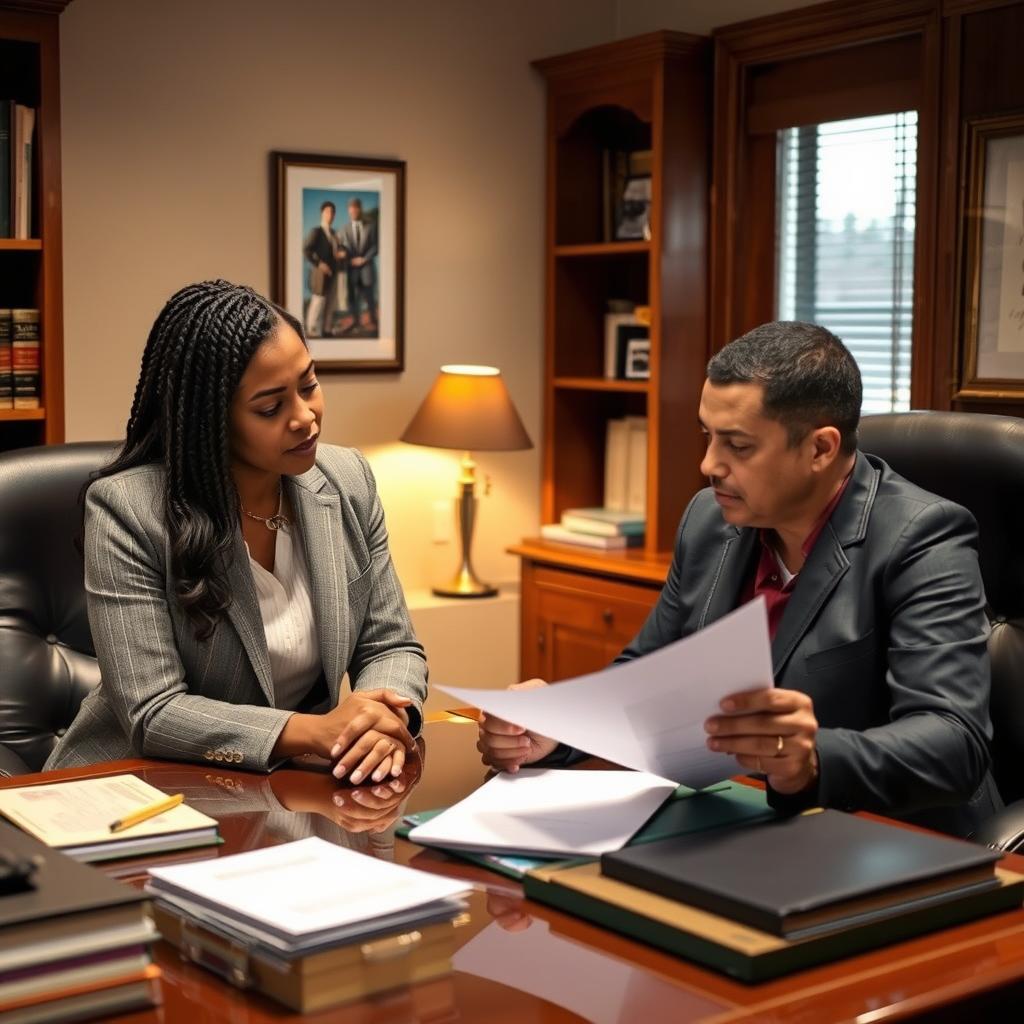
VAWA Petition Lawyer Columbia Heights, DC
A Violence Against Women Act (VAWA) self‑petition allows noncitizen victims of domestic abuse to seek lawful immigration status in the United States without the knowledge or cooperation of the abusive family member. Law Offices Of SRIS, P.C. assists individuals in Columbia Heights, Washington, D.C., who are navigating this complex legal pathway. Mr. Sris, Owner and Founder of the firm, leads an immigration practice that has helped people in the District of Columbia secure protection and stability through VAWA petitions. If you or someone close to you is an abused spouse, child, or parent of a U.S. Citizen or lawful permanent resident, you may have a right to file. The firm’s Arlington, Virginia location serves clients throughout the District, including the Columbia Heights neighborhood, with a focus on guiding survivors through the petition process discreetly and effectively. To discuss your situation with an experienced multi‑state immigration attorney, contact Law Offices Of SRIS, P.C. at (888) 437‑7747. Law Offices Of SRIS, P.C. – Advocacy Without Borders.
What a VAWA Petition Means in Columbia Heights, DC
Under the Violence Against Women Act, specifically 8 U.S.C. § 1154(a)(1)(A)(iii)‑(iv), a qualifying noncitizen may self‑petition for lawful permanent residence without relying on an abusive spouse, parent, or adult child. The law recognizes that domestic violence can trap victims in abusive relationships because of the threat of deportation. A VAWA petition is a confidential filing that allows the survivor to take control of their immigration future.
For residents of Columbia Heights—a vibrant, densely populated neighborhood in Ward 1 of Washington, D.C.—the local immigration infrastructure can feel distant. Most immigration applications for D.C. Residents are processed through the USCIS Washington Field Office, which is physically located in Fairfax, Virginia, and removal proceedings are heard at the Arlington Immigration Court on South Bell Street. Law Offices Of SRIS, P.C. Regularly assists clients from Columbia Heights, Mount Pleasant, Petworth, and surrounding communities who must interact with those federal agencies. The firm’s familiarity with the procedures at the Arlington‑area offices and its ability to appear on behalf of petitioners help streamline what can otherwise be an overwhelming experience.
The eligibility requirements are not based on the severity of the abuse alone but also on the qualifying relationship and the abuser’s immigration status. A petitioner must demonstrate that they have lived with the abuser and that the abuse occurred during the relationship. Evidence can include police reports, orders of protection, medical records, and statements from witnesses. The firm works with clients to gather and present this documentation in a way that meets USCIS’s standards while protecting the petitioner’s safety. Because Columbia Heights is a densely urban area with many multi‑family residences and shared buildings, privacy is paramount; the firm takes care to keep all communications confidential and never contacts the abuser.
How Mr. Sris and His Of Counsel Handle VAWA Petition Cases
When you engage Law Offices Of SRIS, P.C., Mr. Sris and the Of Counsel team begin by evaluating your specific circumstances to confirm eligibility for VAWA relief. This initial consultation reviews the nature of the qualifying relationship, the abuse history, and any current immigration concerns—such as pending removal proceedings. The goal is to determine whether a self‑petition is the most appropriate path, or whether other forms of relief, such as U‑visa certification or asylum, may also be relevant.
Once eligibility is established, the team helps you compile the required evidence. This can involve obtaining certified court records, securing statements from counselors or domestic‑violence advocates, and preparing a detailed declaration that explains the abuse and its impact. The firm then completes Form I‑360 (Petition for Amerasian, Widow(er), or Special Immigrant) and assembles the supporting documentation for submission to the USCIS Vermont Service Center. Throughout the process, Mr. Sris and the Of Counsel team monitor the case, respond to any Requests for Evidence, and prepare the client for the possibility of a prima facie determination or an interview. Because many petitioners may also be in removal proceedings, the firm coordinates closely with the Arlington Immigration Court when necessary to seek administrative closure or termination, always aiming to keep the petitioner in the United States while the petition is pending.
No two VAWA cases are identical. The firm’s approach is tailored to the facts, the documentary evidence available, and any time‑sensitive factors such as a pending court date. By keeping the caseload focused, Mr. Sris ensures that each matter receives the attention it needs.
About Mr. Sris and His Of Counsel Team
Mr. Sris founded Law Offices Of SRIS, P.C. in 1997 and serves as its Owner and Founder. A former prosecutor, he has practiced law for more than twenty‑five years and is admitted to the bars of Virginia, Maryland, the District of Columbia, New Jersey, and New York. This multi‑state credentialing enables the firm to represent immigration clients whose cases intersect with multiple jurisdictions—common in the Washington metropolitan area, where individuals may live in the District but have encounters with law enforcement in Virginia or Maryland.
Mr. Sris is supported by a team of Of Counsel attorneys who bring additional immigration‑law knowledge. Collectively, they assist with the preparation and advocacy that each VAWA petition demands. The firm takes a collaborative approach: Mr. Sris oversees the strategy, while the Of Counsel team contributes to the research, document drafting, and client communication. Clients of the firm benefit from a practice that combines seasoned leadership with hands‑on support, all without the bureaucratic layers of a large firm environment.
Frequently Asked Questions
What is a VAWA self‑petition and who qualifies?
A VAWA self‑petition is a confidential immigration filing that allows an abused spouse, child, or parent of a U.S. Citizen or lawful permanent resident to seek lawful status without the abuser’s involvement. To qualify, the applicant must demonstrate a qualifying relationship, that they resided with the abuser, that they suffered battery or extreme cruelty, and that they have good moral character. The abuse can be physical, emotional, or psychological. The petition is filed on Form I‑360 and, if approved, can lead to deferred action and eventually lawful permanent residence. The law protects the petitioner’s identity; USCIS does not notify the abuser of the filing.
Do I need a lawyer for a VAWA petition in Columbia Heights, DC?
You are not legally required to hire a lawyer to file a VAWA petition, but an experienced immigration attorney can help ensure your petition is complete, well‑documented, and properly presented to USCIS. VAWA cases involve detailed evidentiary standards and interactions with both USCIS and potentially the Arlington Immigration Court. An attorney can identify the strongest evidence, prepare a persuasive declaration, and handle any follow‑up requests from the agency. For Columbia Heights residents who may have safety concerns or language barriers, working with a firm that understands the local federal‑office dynamics is especially helpful. Law Offices Of SRIS, P.C. can discuss your matter in a confidential consultation at (888) 437‑7747.
Can I file a VAWA petition if I am in removal proceedings?
Yes, you can file a VAWA self‑petition while in removal proceedings, and in some cases the approved petition can provide a basis to seek termination of the proceedings and adjustment of status before the immigration judge. The Arlington Immigration Court oversees removal cases for D.C. Residents, and the firm appears regularly before that court. Filing a VAWA petition while in removal can be a powerful defense, but the timing and procedural requirements are critical. The court may administratively close the case pending the USCIS decision, or the petitioner may request termination if the petition is approved and a visa number is available. Because each situation differs, it is important to have an attorney review your immigration court history.
What evidence do I need for a VAWA petition?
You typically need a combination of primary and secondary evidence, such as a detailed personal statement, police or court records, medical or counseling reports, and witness affidavits that corroborate the abuse. Primary evidence includes a marriage certificate or birth certificate proving the relationship, along with documentation of the abuser’s citizenship or lawful permanent resident status. The critical evidence is often your own declaration, which describes the abuse in detail. Additional supporting documents, such as photographs of injuries, copies of protective orders, or letters from domestic‑violence service providers, can strengthen the case. Collecting this evidence can be sensitive; Law Offices Of SRIS, P.C. helps clients identify what is needed while respecting their safety and privacy.
How long does the VAWA petition process take?
The timeline for a VAWA petition varies considerably depending on the USCIS workload, whether additional evidence is requested, and whether any background‑check delays occur. In general, petitioners can expect the process to take a number of months from filing to an initial decision, but this is not a fixed period and can be longer if complications arise. The firm monitors case processing times and, when a case is delayed, advocates on the client’s behalf through appropriate USCIS channels. The important step is to file a complete and well‑supported petition from the start, because incomplete filings tend to take longer. For a realistic assessment based on the current processing trends, contact the firm.
Can my abuser find out about my VAWA petition?
No, the law prohibits USCIS from disclosing any information about a VAWA petition to the abuser, and the filing is kept strictly confidential. The entire process is designed to protect the petitioner’s safety. USCIS will not contact the abuser, request information from the abuser, or reveal to anyone through routine channels that a petition has been filed. Even the decision notice is sent only to the petitioner or their attorney. This confidentiality is a cornerstone of the VAWA legislation and gives victims the security to seek legal status without fear of retaliation. If you have concerns about safety, discuss them with the firm during your consultation.
If you need additional information on immigration options in the District of Columbia, you may find these resources helpful: Washington, D.C. Immigration lawyer, Georgetown immigration lawyer, Spring Valley immigration lawyer, Cleveland Park immigration lawyer, and Chevy Chase immigration lawyer.
Attorney advertising. Prior results do not guarantee a similar outcome.
Case results depend on a variety of factors unique to each case.