
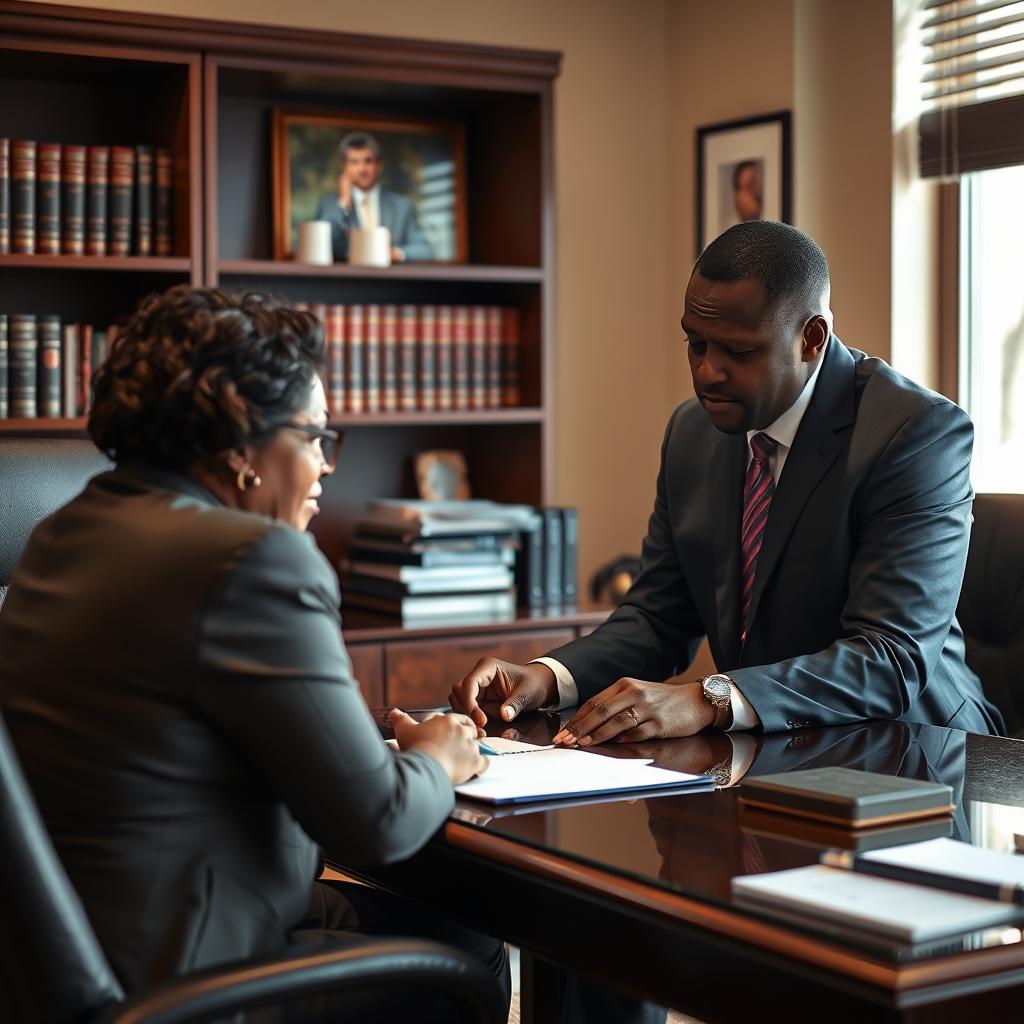
VAWA Petition Lawyer Anacostia, DC
For an individual living in Anacostia who has experienced abuse from a U.S. Citizen or lawful permanent resident family member, the Violence Against Women Act (VAWA) provides a way to seek safety and lawful immigration status without the abuser’s knowledge or consent. A VAWA self-petition allows qualifying spouses, children, or parents to request classification as an immediate relative based on the qualifying family relationship and the abuse they have suffered. Mr. Sris, Owner and Founder of Law Offices Of SRIS, P.C., concentrates his practice on immigration matters for clients throughout the District of Columbia, including Anacostia, Congress Heights, and the surrounding neighborhoods. The firm’s Arlington location serves DC residents and is situated approximately 4.5 miles from the Arlington Immigration Court, where removal proceedings are heard, and from the USCIS Washington District Office in Fairfax for affirmative applications. To discuss a VAWA petition, reach Law Offices Of SRIS, P.C. at (888) 437-7747. Law Offices Of SRIS, P.C. – Advocacy Without Borders.
VAWA Self-Petitions for Anacostia Residents
The VAWA self-petition process is a confidential immigration benefit designed to allow victims of domestic violence to obtain lawful status without dependence on the abuser. Under 8 U.S.C. § 1154(a)(1)(A)(iii)–(iv), a self-petitioning spouse, child, or parent may file Form I-360 with U.S. Citizenship and Immigration Services (USCIS) and, if approved, may be eligible for employment authorization and, eventually, lawful permanent residence. Anacostia residents who file a VAWA petition deal with the USCIS Washington District Office at 2675 Prosperity Avenue, Fairfax, VA, for the adjudication of the I-360 and any subsequent adjustment of status application. If the petitioner is currently in removal proceedings, the case is heard at the Arlington Immigration Court at 1901 South Bell Street, Arlington, VA. Understanding which venue handles each part of the process is critical, and working with an attorney who regularly appears before both USCIS and the Executive Office for Immigration Review (EOIR) helps keep the petition on track.
The legal standard for a VAWA petition requires the petitioner to show, among other things, that the qualifying relative is a U.S. Citizen or lawful permanent resident, that the petitioner has or had a qualifying family relationship with that relative, that the petitioner resided with the relative, and that the petitioner was battered or subjected to extreme cruelty by the relative during the relationship. Good moral character must also be demonstrated. Because USCIS adjudicates these petitions with a focus on credibility and supporting evidence, preparing a thorough petition with detailed declarations, police reports, medical records, and other corroborating documentation is essential. Mr. Sris and his Of Counsel work with clients to gather and present the necessary evidence in a way that protects the petitioner’s confidentiality throughout the process.
How Mr. Sris and His Of Counsel Handle VAWA Cases
When someone from Anacostia contacts Law Offices Of SRIS, P.C. about a possible VAWA petition, the first step is a confidential consultation to determine whether the individual meets the statutory eligibility requirements. Mr. Sris and his Of Counsel review the client’s immigration history, the nature and duration of the qualifying relationship, and the evidence of abuse or extreme cruelty. If a VAWA petition is viable, the firm guides the client through gathering supporting documents, drafting a detailed personal declaration, and obtaining corroborating materials from third parties such as counselors, shelters, or law enforcement agencies. The goal is to build a petition that provides USCIS with a coherent and well-supported narrative of the abuse and the qualifying relationship.
Once the I-360 is filed, the firm monitors the case and responds to any requests for evidence (RFEs) that USCIS issues. If the client is also seeking adjustment of status, the concurrent or subsequent filing of Form I-485 is handled in coordination with the VAWA petition. Mr. Sris and his Of Counsel also advise clients on related matters such as work authorization, public benefits eligibility, and, if applicable, representation in removal proceedings before the Arlington Immigration Court. Because VAWA petitions are confidential by law, USCIS is prohibited from contacting the abuser or revealing the existence of the petition, and the firm takes care to maintain that confidentiality in all communications. Throughout the process, the firm’s multi-state practice and experience with federal immigration agencies provide the client with consistent, informed representation.
About Mr. Sris and His Of Counsel Team
Mr. Sris is the Owner and Founder of Law Offices Of SRIS, P.C. He established the firm in 1997 and is admitted to practice in Virginia, Maryland, the District of Columbia, New Jersey, and New York. A former prosecutor, Mr. Sris brings a perspective shaped by years of courtroom experience. He testified before the Virginia House Courts of Justice Committee in support of 2019 HB 635 (chief patron Del. David Bulova). His practice includes immigration matters such as VAWA petitions, family-based green cards, naturalization, and deportation defense. Mr. Sris and his Of Counsel bring extensive combined legal experience. Results may vary.
The firm’s Of Counsel attorneys—engaged through Excella—contribute additional experience in immigration, criminal defense, and family law. The team works collaboratively on VAWA cases, leveraging multiple attorneys’ familiarity with USCIS procedures and the immigration court. Clients in Anacostia are served from the firm’s Arlington location, where meetings are by appointment only. To request a consultation, call (888) 437-7747.
Frequently Asked Questions About VAWA Petitions in Anacostia, DC
What is a VAWA self-petition?
A VAWA self-petition is a confidential immigration filing that allows certain abused spouses, children, or parents of U.S. Citizens or lawful permanent residents to seek lawful status on their own, without the abuser’s involvement. The petition is filed on Form I-360 with USCIS. If approved, the self-petitioner may be eligible to apply for lawful permanent residence (a green card). The process is designed to protect victims of domestic violence by keeping the petition confidential and preventing USCIS from notifying the abuser. VAWA petitions must include evidence of the qualifying relationship, the abuse, and the petitioner’s good moral character. An attorney can help identify and prepare the necessary documentation to meet the legal standard.
Who qualifies for a VAWA petition in Anacostia?
An individual in Anacostia who is the spouse, child, or parent of a U.S. Citizen or lawful permanent resident and has been battered or subjected to extreme cruelty by that relative may qualify for a VAWA petition. The abuse must have occurred during the qualifying relationship, and the petitioner must have resided with the abuser at some point. Good moral character is required. Both men and women can qualify. The petitioner does not need to be in lawful immigration status at the time of filing, and the abuser’s consent or knowledge is not required. A confidential consultation with an immigration attorney can clarify whether the specific facts of a case meet the statutory criteria.
Do I need to involve the abuser in my VAWA case?
No. A VAWA self-petition is filed entirely without the abuser’s knowledge or involvement. USCIS is prohibited by law from contacting the abuser or revealing any information about the petition. The purpose of the VAWA provisions is to allow victims to seek lawful immigration status independently. All correspondence from USCIS goes to the petitioner or the petitioner’s attorney. The confidentiality protections extend throughout the process, including any subsequent adjustment of status application. This allows the petitioner to pursue safety and stability without fear that the abuser will be alerted or interfere with the immigration case.
Where is the immigration court for DC residents?
Removal proceedings for DC residents, including those from Anacostia, are heard at the Arlington Immigration Court at 1901 South Bell Street, Arlington, VA. That court is part of the Executive Office for Immigration Review (EOIR) and is located near the Crystal City Metro station. Affirmative applications such as VAWA petitions and adjustment of status are processed by the USCIS Washington District Office, located at 2675 Prosperity Avenue in Fairfax, Virginia. Mr. Sris and his Of Counsel appear regularly at both locations. The firm’s Arlington location is at that distance from the immigration court, making it convenient for clients who need to attend hearings or meetings related to their VAWA case.
How do I start a VAWA petition in Anacostia?
The first step is to discuss your situation with an experienced immigration attorney who can determine whether you meet the VAWA eligibility requirements. During a confidential consultation, the attorney will ask about your immigration history, the nature of your relationship with the abuser, and any evidence of abuse or extreme cruelty. If you appear eligible, the attorney will help you gather documents such as a personal declaration, police reports, medical records, and statements from witnesses. The petition is then prepared and filed with USCIS. Throughout the process, you are never required to contact the abuser or involve law enforcement if you are not comfortable doing so. For a consultation, reach Mr. Sris and his Of Counsel at (888) 437-7747.
What happens after USCIS approves my VAWA petition?
An approved VAWA self-petition places the individual in a category that may allow them to apply for lawful permanent residence, either through adjustment of status if they are in the United States or through consular processing if they are abroad. Approval does not automatically grant a green card. The petitioner must demonstrate that they remain eligible and are not inadmissible. In some cases, a waiver of certain grounds of inadmissibility may be required. The subsequent application for lawful permanent residence is filed with USCIS, and at that stage the petitioner may also seek employment authorization and advance parole. An attorney can explain the specific next steps based on the petitioner’s individual situation and ensure that all filings are properly coordinated.
For additional information about immigration representation in the District of Columbia, visit our pages on Immigration Lawyer Washington, D.C., Immigration Lawyer Georgetown, and Immigration Lawyer Capitol Hill.
Attorney advertising. Prior results do not guarantee a similar outcome. Case results depend on a variety of factors unique to each case. Attorney responsible for this advertising: Mr. Sris. Results may vary.