
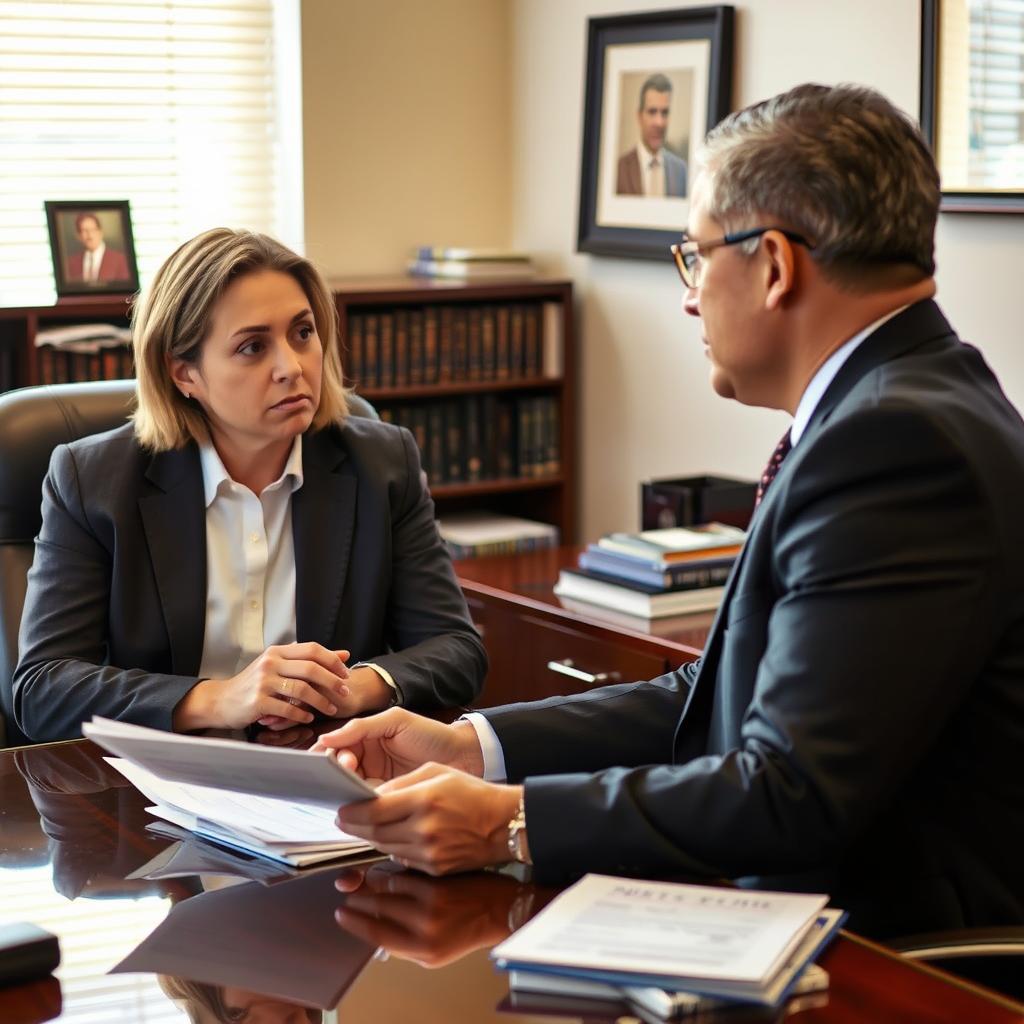
VAWA Lawyer Woodley Park, DC
You live in Woodley Park, a quiet, tree‑lined neighborhood in Northwest Washington, D.C., just steps from the National Zoo and the leafy expanse of Rock Creek Park. You are in an abusive relationship with a U.S. Citizen or permanent resident spouse. You fear for your physical safety, but you also worry about your immigration status. If you report the abuse, could you be deported? Could your abuser use your status to control you further? The Violence Against Women Act (VAWA) provides a confidential path for survivors of domestic violence to obtain lawful permanent residence without the abuser’s knowledge or cooperation. As a VAWA lawyer serving Woodley Park, DC, Mr. Sris and his Of Counsel at Law Offices Of SRIS, P.C. Guide survivors through every stage of the self‑petition process. Our Arlington location serves clients throughout the District from a short drive away. Call (888) 437‑7747 to request a consultation. Law Offices Of SRIS, P.C. – Advocacy Without Borders.
How VAWA Self‑Petitions Work in Woodley Park, DC
VAWA is a federal immigration statute codified at 8 U.S.C. § 1154(a)(1)(A)(iii)–(iv) that allows certain abused spouses, children, and parents of U.S. Citizens or lawful permanent residents to file a self‑petition for immigrant classification without the abuser’s involvement. A “self‑petition” means you—the survivor—are the sole signatory on Form I‑360. The abuser is never notified. Once the petition is approved, you may be granted deferred action and eligibility for employment authorization, and eventually you may apply for a green card even if the abuser withdraws his or her own petition.
Woodley Park residents’ immigration cases are processed by the USCIS Washington District Office and, if removal proceedings are involved, the Arlington Immigration Court at 1901 S. Bell Street, Arlington, VA 22202. Our location on Fort Myer Drive in Arlington places us minutes from that court, allowing Mr. Sris and his team to handle hearings efficiently. The self‑petition process involves gathering documentation of the qualifying relationship, evidence of abuse (police reports, medical records, protective orders, affidavits), and proof of good moral character. Although the legal standard is set by federal law, the District of Columbia’s robust family‑law protections—including DC Superior Court civil protection orders—often intersect with the immigration case. We coordinate both fronts so that your safety and your immigration goals are addressed together.
How Mr. Sris and His Of Counsel Handle VAWA Cases in DC
Mr. Sris and his Of Counsel approach every VAWA matter with an understanding that the client is already dealing with trauma. The first step is a consultation in a private setting—by phone or at our Arlington location—where we explain the process, answer your questions, and assess your eligibility. Because VAWA self‑petitions are confidential, we take careful measures to ensure that no correspondence is sent to the abuser and that USCIS uses a safe address.
We then help you assemble the required evidentiary package. This includes the I‑360 form, a detailed personal statement describing the abuse, supporting documents, and fee‑waiver requests when applicable. Throughout the process, we handle any requests for evidence from USCIS and monitor case status. If your VAWA approval leads to a green card application, we file the I‑485 adjustment of status and represent you at the interview. Mr. Sris, a former prosecutor, brings insight into how government agencies assess credibility and documentation—a skill especially relevant when corroboration of abuse may be limited. Our team works to present the strong case while respecting your privacy.
About Mr. Sris and His Of Counsel Team
Mr. Sris, Owner and Founder of Law Offices Of SRIS, P.C., founded the firm in 1997 and has concentrated his practice on immigration, criminal defense, and family law for over two decades. He is a former prosecutor, a background that gives him a practical edge in evaluating evidence and presenting cases to government adjudicators. Mr. Sris testified before the Virginia House Courts of Justice Committee in support of 2019 HB 635 (chief patron Del. David Bulova). He is admitted in Virginia, Maryland, the District of Columbia, New Jersey, and New York.
Working alongside Mr. Sris is a team of Of Counsel attorneys with experience in immigration matters ranging from VAWA petitions and family‑based green cards to removal defense. Together, the team has documented case results in immigration and related practice areas since the firm’s founding. Results may vary. Reach Law Offices Of SRIS, P.C. at (888) 437‑7747 to discuss your situation.
Frequently Asked Questions
What is a VAWA self‑petition?
A VAWA self‑petition permits an abused spouse, child, or parent of a U.S. Citizen or permanent resident to seek lawful permanent residence independently, without the abuser’s knowledge or support. The petitioner files Form I‑360 and demonstrates the qualifying relationship, the abuse, and good moral character. If USCIS approves the petition, the survivor may be granted work authorization and placed in a position to adjust status to lawful permanent resident. The entire process is confidential; the abuser receives no notice of the filing.
Who is eligible for a VAWA self‑petition in the District of Columbia?
You may be eligible if you are the abused spouse, child (under 21), or parent of a U.S. Citizen or lawful permanent resident and you have resided with the abuser. Eligibility does not depend on the abuser’s consent or cooperation. Abuse can be physical, emotional, psychological, or any combination that constitutes battery or extreme cruelty under immigration law. Same‑sex spouses are eligible under the same criteria. Because eligibility hinges on the specific facts, consulting with an experienced attorney early is prudent.
Can I get a work permit through a VAWA self‑petition?
Once USCIS issues a prima facie determination—a preliminary finding that your case appears approvable—you may apply for employment authorization. This work permit, renewable during the pendency of your application, allows you to support yourself and your family while the process moves forward. If your VAWA petition is approved, continued work authorization and a path to permanent residence follow, subject to standard admissibility requirements.
Will my abuser be notified if I file a VAWA self‑petition?
No. Federal law prohibits USCIS from notifying the abuser or sharing any information about the self‑petition with the abuser. The confidentiality is absolute; agency discretion and internal safeguards prevent disclosure. All notices and correspondence are sent to a safe mailing address designated by the victim, never to the abuser or their attorney. This protection is one of the core features of the VAWA self‑petition process.
How long does the VAWA process take?
Processing times vary based on USCIS workload, the completeness of the initial filing, and whether additional evidence is requested. Generally, receipt of a prima facie determination may occur in months, and full adjudication can take longer. Applicants who maintain eligibility throughout—by avoiding criminal issues, for example—often see smoother timelines. An immigration attorney can help you prepare a thorough application that minimizes requests for additional evidence and associated delays.
Do I need a lawyer to file a VAWA self‑petition in DC?
You are not legally required to have a lawyer, but the evidentiary demands and confidentiality requirements make experienced legal guidance invaluable. A qualified immigration attorney helps you gather the right documents, draft a persuasive personal statement, and prepare for any USCIS interview. Mistakes in the paperwork or omission of key evidence can result in a denial that is difficult to overturn. For a confidential consultation, reach Mr. Sris and his Of Counsel at (888) 437‑7747.
Washington, D.C. Immigration Lawyer |
Georgetown Immigration Lawyer |
Cleveland Park Immigration Lawyer |
Chevy Chase Immigration Lawyer
Attorney advertising. Prior results do not guarantee a similar outcome. Case results depend on a variety of factors unique to each case. Results may vary.