
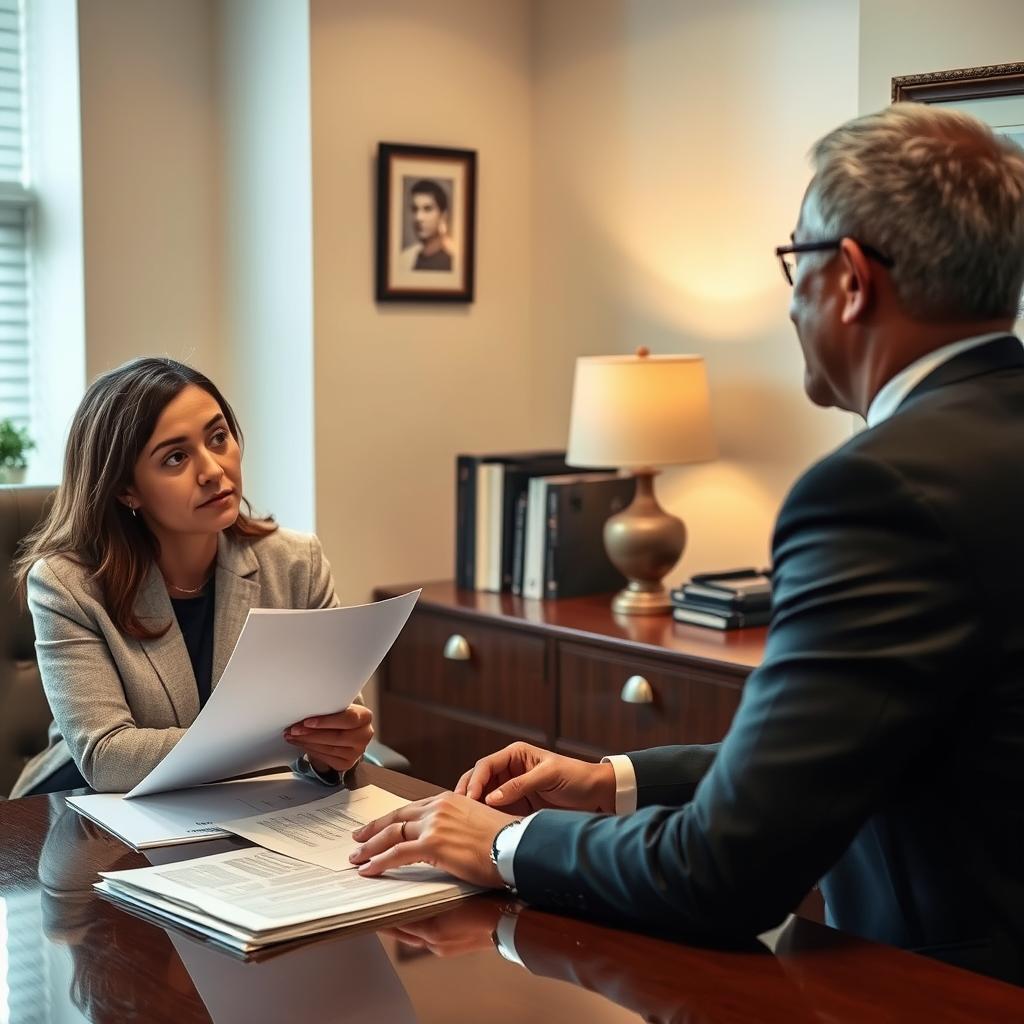
VAWA Lawyer Washington DC
For individuals in Washington, D.C. Who have experienced domestic violence at the hands of a U.S. Citizen or lawful permanent resident spouse, parent, or child, the Violence Against Women Act (VAWA) offers a path to lawful status independent of the abuser. A VAWA self‑petition allows a victim to seek lawful permanent residence without the abuser’s knowledge, cooperation, or sponsorship. Law Offices Of SRIS, P.C. Concentrates its immigration practice on helping DC‑area residents navigate VAWA petitions, adjustment of status, and related immigration relief. Whether you are filing affirmatively at the USCIS Washington Field Office or need representation in removal proceedings at the Arlington Immigration Court, Mr. Sris and his Of Counsel team are experienced in handling sensitive domestic‑violence‑based immigration matters across the District. To speak with a VAWA lawyer in Washington, D.C., contact Law Offices Of SRIS, P.C. at (888) 437‑7747. Law Offices Of SRIS, P.C. – Advocacy Without Borders.
What VAWA Immigration Means in Washington, D.C.
The Violence Against Women Act (VAWA) is a federal law that, among other protections, created a special immigration benefit for qualifying noncitizen victims of domestic abuse. Under 8 U.S.C. § 1154(a)(1)(A)(iii)–(iv), a person who has been battered or subjected to extreme cruelty by a U.S. Citizen or lawful permanent resident relative may file a self‑petition for classification as an immediate relative. This petition does not require the abuser to know about or participate in the process, and it is not dependent on the abuser’s consent. For Washington, D.C. Residents, the typical starting point is an affirmative filing with U.S. Citizenship and Immigration Services (USCIS). The Washington Field Office—located in Fairfax, Virginia—adjudicates many of these petitions for DC‑area applicants. Because immigration law is exclusively federal, no local District of Columbia court plays a role in VAWA determinations; instead, the process unfolds within the USCIS administrative framework and, where removal defenses are raised, before the Executive Office for Immigration Review at the Arlington Immigration Court. The firm’s Arlington location, just a short distance from the immigration court and the USCIS field office, allows Mr. Sris and his Of Counsel to serve DC clients efficiently in every phase of the VAWA process.
Eligibility for a VAWA self‑petition hinges on several factors: the petitioner must have suffered battery or extreme cruelty at the hands of a qualifying relative; the petitioner must have resided with the abuser; the petitioner must be a person of good moral character; and the marriage to the abuser—if the abuser is a spouse—must have been entered into in good faith. The statute does not require a criminal conviction of the abuser or a protection order from a local court, though such documentation can strengthen a case. Because VAWA relief is discretionary and the evidentiary standards are rigorous, working with an attorney who is familiar with the local USCIS office’s expectations and the case law that applies in the Fourth Circuit (which hears appeals from Virginia‑based immigration courts) can make a meaningful difference. Mr. Sris, who is admitted to practice in the District of Columbia, Virginia, Maryland, New Jersey, and New York, and his Of Counsel bring a multi‑state perspective that accounts for how evidence gathered in DC—such as police reports from the Metropolitan Police Department, orders from the DC Superior Court Domestic Violence Division, and medical records from DC hospitals—may be viewed in the federal immigration system.
How Mr. Sris and His Of Counsel Handle VAWA Cases
Every VAWA matter begins with a thorough, confidential assessment of the client’s personal history and eligibility. Mr. Sris and his Of Counsel team review the facts of the relationship, the nature of the abuse, and any corroborating evidence—including police incident reports, protection orders, medical and psychological records, sworn statements from witnesses, and documentation of the abuser’s immigration status. Because the firm handles the entire range of family‑based and humanitarian immigration applications, it can also identify whether other forms of relief—such as a U‑visa for victims of certain crimes, asylum, or withholding of removal—may be available alongside or as an alternative to a VAWA petition.
Once the client has provided all available documentation, the attorney prepares a comprehensive self‑petition package that includes Form I‑360 and a detailed declaration describing the abuse. The firm is mindful that USCIS officers scrutinize these applications for consistency and credibility, and the declaration is often the single most important piece of evidence. Before filing, Mr. Sris and his Of Counsel carefully review the entire record to ensure it meets the statutory and regulatory requirements. After filing, the firm tracks the case through USCIS processing, responds to any Requests for Evidence, and—when necessary—represents the client in an interview at the Washington Field Office. For clients who are in removal proceedings at the Arlington Immigration Court, the firm can present the VAWA petition as a form of relief in immigration court, advocating for termination or administrative closure of proceedings where appropriate. Throughout the process, the firm maintains a trauma‑informed approach, understanding that clients may be recounting painful experiences.
About Mr. Sris and His Of Counsel Team
Mr. Sris, Owner and Founder of Law Offices Of SRIS, P.C., has practiced immigration law and other areas since 1997. He is admitted in Virginia, Maryland, the District of Columbia, New Jersey, and New York. His background as a former prosecutor informs his thorough, evidence‑focused approach to building immigration cases, including VAWA petitions that often rely on the careful presentation of sensitive personal history. Mr. Sris testified before the Virginia House Courts of Justice Committee in support of 2019 HB 635 (chief patron Del. David Bulova), demonstrating a commitment to shaping law that affects families. Alongside him, the firm’s Of Counsel team—engaged through Excella—provides additional experience in immigration matters, family‑based petitions, and removal defense, provides clients with comprehensive attention.
Frequently Asked Questions
Who can file a VAWA self‑petition?
A spouse, child, or parent of an abusive U.S. Citizen or lawful permanent resident who has been battered or subjected to extreme cruelty may file a VAWA self‑petition. The abuser must be a qualifying family member, and the petitioner must have resided with the abuser at some point. The petitioner must also be a person of good moral character. The self‑petition is filed independently; the abuser does not need to know about it or cooperate. For DC residents, the petition is typically submitted to the USCIS Vermont Service Center, with any follow‑up interviews conducted at the Washington Field Office in Fairfax, Virginia. Because evidence requirements are detailed, consulting an experienced immigration attorney is advisable before filing.
What evidence is needed to support a VAWA petition?
A VAWA self‑petition requires evidence of the qualifying relationship, joint residence, abuse, and good moral character. Common documents include a marriage or birth certificate showing the relationship, lease agreements or bills demonstrating shared residence, police reports or protection orders issued by the DC Superior Court Domestic Violence Division, medical or counseling records, and sworn statements from witnesses who can attest to the abuse. The petitioner’s own detailed declaration is essential. The firm helps clients gather and organize this evidence because USCIS evaluates both the quality and the consistency of the documentation.
Can I work while my VAWA petition is pending?
Yes, a VAWA self‑petitioner who has an approved Form I‑360 may apply for employment authorization. The work permit (Form I‑765) is generally filed concurrently with the adjustment‑of‑status application after the petition is approved. The timeline for approval of the work permit varies based on USCIS processing times. While the petition is pending, the petitioner does not automatically have work authorization; consulting an attorney can help determine the trusted timing and eligibility for interim benefits. Law Offices Of SRIS, P.C. assists DC‑area clients in seeking work authorization at every appropriate step of the process.
If I am in removal proceedings, can I still apply for VAWA relief?
Yes, a person in removal proceedings before the Arlington Immigration Court may still file a VAWA self‑petition and seek relief from removal. In defensive filings, the immigration judge has jurisdiction over the petition, and the applicant must meet the same statutory standards as an affirmative filer. If the petition is approved, the individual may be able to adjust status to lawful permanent resident, and the judge may terminate or administratively close the removal case. Because the interplay between USCIS and the immigration court can be complex, having an attorney who is familiar with the local immigration court’s practices is critical. Mr. Sris and his Of Counsel regularly appear at the Arlington Immigration Court and can integrate a VAWA petition into a broader removal defense strategy.
How long does a VAWA case typically take?
The time from filing a VAWA self‑petition to a final decision varies depending on USCIS workload, the completeness of the initial filing, and whether additional evidence is requested. USCIS processing times for Form I‑360 VAWA petitions fluctuate; current estimates can be checked on the USCIS website. Cases that require a Request for Evidence or that involve complicated factual records may take longer. After the petition is approved, the adjustment‑of‑status stage adds its own timeline, which also depends on visa availability for the petitioner’s category. For individualized guidance on timing, a consultation with an immigration attorney is the trusted way to get a realistic picture.
For guidance on your specific situation, reach Law Offices Of SRIS, P.C. at (888) 437‑7747.
Georgetown Immigration Lawyer · Spring Valley Immigration Lawyer · Cleveland Park Immigration Lawyer
Attorney advertising. Prior results do not guarantee a similar outcome.
Results may vary.
Case results depend on a variety of factors unique to each case.