
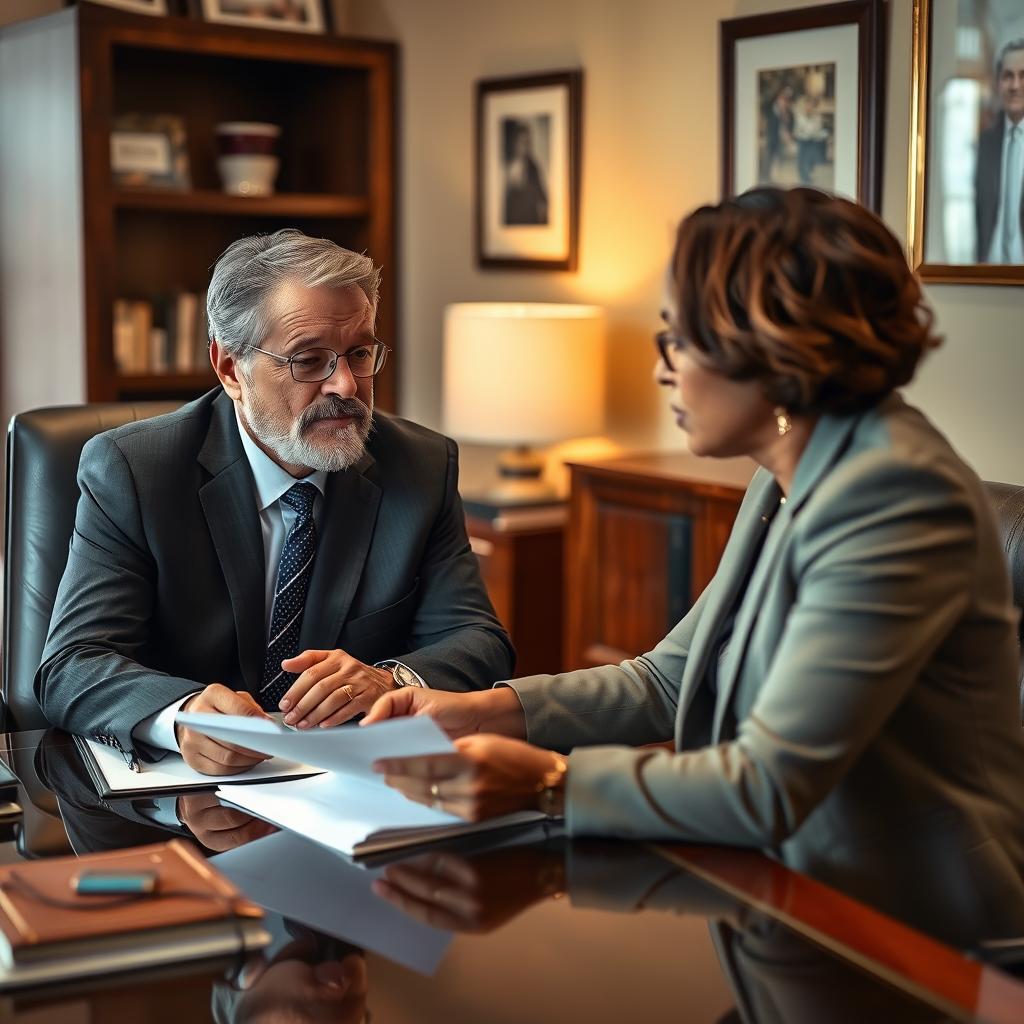
VAWA Lawyer Forest Hills, DC
For individuals in Forest Hills, Washington, D.C., navigating the immigration process under the Violence Against Women Act (VAWA) can feel daunting. The VAWA self‑petition allows certain noncitizen victims of abuse to seek lawful status independently of the abuser—a path that can lead to a green card and safety. Mr. Sris, a former prosecutor and the Owner and Founder of Law Offices Of SRIS, P.C., concentrates his practice on immigration law and represents VAWA petitioners in the Forest Hills area. Because immigration applications are decided under federal law, where you live can affect how your case is handled by the U.S. Citizenship and Immigration Services (USCIS) and the immigration courts. Mr. Sris and his Of Counsel team guide clients at every stage—from preparing the self‑petition, gathering supporting documentation, to appearing at interviews or hearings—and they have done so since the firm was founded in 1997. To request a consultation, call (888) 437‑7747. Law Offices Of SRIS, P.C. – Advocacy Without Borders.
What VAWA Immigration Means in Forest Hills
Forest Hills is a residential neighborhood in Northwest Washington, D.C., near the Maryland border and bordering Van Ness and Chevy Chase DC. Residents who seek VAWA protection file their petitions with USCIS, which processes cases for the District of Columbia through its Washington Field Office. If removal proceedings are underway, those matters are heard at the Arlington Immigration Court in Virginia. Even though Forest Hills is in the District, immigration law is federal, so the governing statutes are found in the Immigration and Nationality Act (INA) and Title 8 of the Code of Federal Regulations.
The VAWA self‑petition, authorized by 8 U.S.C. § 1154(a)(1)(A)(iii)–(iv), allows an abused spouse, child, or parent of a U.S. Citizen or lawful permanent resident to file Form I‑360 without the abuser’s knowledge or consent. The petition serves as the foundation for eventual adjustment of status to lawful permanent residence. The adjudication process requires documentation of the qualifying relationship, evidence of battery or extreme cruelty, and a showing of good moral character. Because eligibility determinations can involve complex evidentiary standards, working with an experienced immigration attorney is essential. Mr. Sris and his Of Counsel have assisted many Forest Hills residents with preparing thorough VAWA packets that address the legal requirements while respecting the petitioner’s privacy and safety concerns.
How Mr. Sris and His Of Counsel Handle VAWA Cases
When a Forest Hills client contacts Law Offices Of SRIS, P.C., a consultation is scheduled—either by phone or at the firm’s Arlington location, which serves the District of Columbia. During that first conversation, Mr. Sris or one of his Of Counsel listens to the client’s story, explains the VAWA eligibility criteria, and outlines what the process will look like. Every case begins with a careful assessment of the evidence: personal declarations, police reports, medical or counseling records, and supporting affidavits from witnesses are gathered and organized to build a compelling petition.
After filing the I‑360 with USCIS, the firm monitors the case closely. If a prima facie determination is made, the petitioner may be eligible for deferred action and work authorization while the petition is adjudicated. Once approved, the petitioner can apply for adjustment of status if an immigrant visa is immediately available. Throughout each phase, Mr. Sris and his Of Counsel respond to any Requests for Evidence (RFEs) issued by USCIS, prepare clients for interviews, and handle any complications that may arise—including cases that overlap with removal proceedings in immigration court. Because each VAWA matter presents its own factual and procedural challenges, the firm tailors its approach to the specific circumstances of the petitioner, always with an eye toward the safest and most efficient path to lawful permanent residence.
About Mr. Sris and His Of Counsel Team
Mr. Sris, Owner and Founder of Law Offices Of SRIS, P.C., began his legal career as a prosecutor, gaining firsthand insight into how government agencies build cases. That background now informs the way he prepares VAWA petitions—anticipating the scrutiny USCIS will apply and addressing potential weaknesses before the filing leaves the firm. Mr. Sris testified before the Virginia House Courts of Justice Committee in support of 2019 HB 635 (chief patron Del. David Bulova). Admitted in Virginia, Maryland, the District of Columbia, New Jersey, and New York, Mr. Sris has concentrated his practice on immigration law for over two decades. He is supported by a team of Of Counsel attorneys, each bringing additional experience to immigration and related practice areas. Together, Mr. Sris and his Of Counsel offer multi‑state capability while remaining focused on the individual needs of clients in Forest Hills and across the District of Columbia.
The firm’s commitment to VAWA cases is reflected in its consistent track record. Mr. Sris and his Of Counsel have obtained favorable outcomes for petitioners in a wide range of circumstances. Results may vary. To speak with an attorney about a VAWA petition, call (888) 437‑7747.
Frequently Asked Questions
What is a VAWA self‑petition?
A VAWA self‑petition is a form of immigration relief that allows certain abused spouses, children, or parents to petition for lawful status independently of the abuser. Governed by 8 U.S.C. § 1154(a)(1)(A)(iii)–(iv), the petition (Form I‑360) may be filed without the abuser’s knowledge. If approved, the petitioner can then apply for adjustment of status to lawful permanent residence. The process requires proof of the qualifying relationship, evidence of battery or extreme cruelty, and a showing of good moral character. An experienced attorney can help gather the necessary documentation and present a persuasive case to USCIS.
Who qualifies for VAWA immigration protection?
Abused spouses, children, or parents of U.S. Citizens or lawful permanent residents may qualify for VAWA protection. The abuse must be battery or extreme cruelty, and the petitioner must reside, or have resided, with the abuser. Good moral character and a qualifying relationship are also required. Importantly, the petitioner does not need the abuser’s consent or involvement—the filing is entirely confidential. Eligibility can extend to individuals in removal proceedings or those who have never been in immigration proceedings at all.
How long does a VAWA case take in the Forest Hills area?
Processing times for VAWA self‑petitions can range from approximately 8 to 14 months for the initial I‑360 decision, and an additional 8 to 14 months for adjustment of status if an immigrant visa is available. These estimates are based on current USCIS workload reports, but actual timelines vary by case complexity, RFEs, and the availability of interviews at the Washington Field Office. Because delays are common, working with an attorney who can proactively prepare a complete and well‑documented packet helps minimize processing hiccups.
Can I work while my VAWA petition is pending?
Yes, in many cases a VAWA petitioner may work while the petition is pending, but work authorization is not automatic. Once USCIS makes a prima facie determination of eligibility, the petitioner can apply for an Employment Authorization Document (EAD). An approved EAD allows the petitioner to work lawfully in the United States. Mr. Sris and his Of Counsel help clients request work authorization at the appropriate point in the process and ensure that the application is filed correctly, reducing the risk of unnecessary delays.
Do I need a lawyer for a VAWA petition in Washington, D.C.?
While you are not legally required to hire a lawyer to file a VAWA petition, legal representation greatly strengthens the application and protects your rights. A VAWA case involves complex federal law, evidentiary standards, and—frequently—interactions with USCIS, the immigration court, or both. An experienced attorney can identify the strongest evidence, prepare affidavits, anticipate challenges, and handle any RFEs or interviews. Representation also keeps the petitioner’s contact information confidential from the abuser. For a consultation, reach Mr. Sris and his Of Counsel at (888) 437‑7747.
What if I am in removal proceedings while I file a VAWA petition?
A pending VAWA petition can provide a basis to request termination of removal proceedings or administrative closure, allowing the petitioner to pursue the I‑360 with USCIS free from the immediate threat of deportation. If the petitioner is already before the Arlington Immigration Court, the attorney will file the petition with USCIS and simultaneously advocate before the immigration judge for relief. The interaction between the two processes is delicate, and timing is critical. Mr. Sris and his Of Counsel have experience coordinating VAWA petitions with removal defense to seek the most protective outcome possible.
Internal‑link nav strip:
- Washington, D.C. Immigration lawyer – overview of immigration services for the District.
- Georgetown immigration lawyer – representation for residents of Georgetown.
- Spring Valley immigration lawyer – serving the Spring Valley community.
- Cleveland Park immigration lawyer – immigration counsel for Cleveland Park.
- Chevy Chase DC immigration lawyer – assisting Chevy Chase DC residents.
Official primary‑source links:
- U.S. Citizenship and Immigration Services (USCIS) – official forms and processing information.
- Executive Office for Immigration Review (EOIR) – immigration court rules and resources.
Attorney advertising. Prior results do not guarantee a similar outcome.
Results may vary.
Case results depend on a variety of factors unique to each case.