
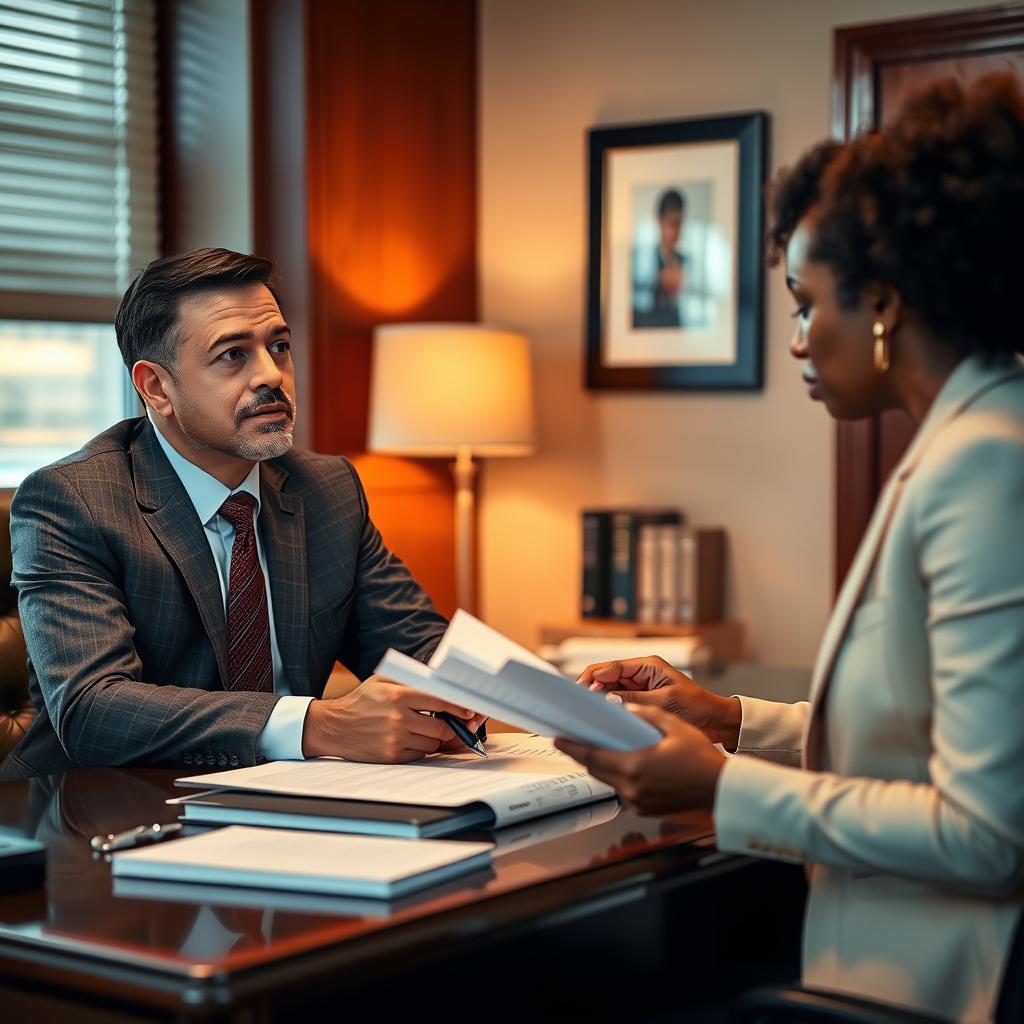
VAWA Lawyer American University Park, DC
Immigrant survivors of domestic violence living in American University Park, DC may be eligible for lawful immigration status through a Violence Against Women Act (VAWA) self‑petition. This federal remedy, codified at 8 U.S.C. § 1154(a)(1)(A)(iii)–(iv), allows a noncitizen spouse, child, or parent who has experienced battery or extreme cruelty by a U.S. Citizen or lawful permanent resident family member to seek protection confidentially—without the abuser’s knowledge or cooperation. At Law Offices Of SRIS, P.C., Mr. Sris and his Of Counsel team represent clients from American University Park and throughout the District of Columbia in VAWA self‑petition matters. The firm, founded in 1997, combines extensive experience in federal immigration law with a practical understanding of the local federal immigration infrastructure that serves DC residents, including the Arlington Immigration Court and the USCIS Washington Field Office. Because VAWA cases require meticulous documentation of abuse, good moral character, and statutory eligibility, working with a legal team familiar with the nuances of these petitions can help protect your rights and your confidentiality. To speak with an attorney about your situation, reach our location at (888) 437‑7747. Law Offices Of SRIS, P.C. – Advocacy Without Borders.
What VAWA Immigration Means in American University Park, DC
For residents of American University Park—a quiet Northwest DC neighborhood bordered by Tenleytown, Spring Valley, and Friendship Heights—immigration matters involving domestic violence proceed under federal statute, not local DC law. The Violence Against Women Act creates a pathway for eligible self‑petitioners to obtain work authorization and, ultimately, lawful permanent residence without relying on an abusive family member to sponsor them. American University Park clients file their VAWA self‑petitions (Form I‑360) with USCIS; the local federal presence includes the USCIS Washington Field Office in Fairfax, Virginia, which handles biometrics and interviews for DC‑area applicants, and the Arlington Immigration Court at 1901 S. Bell Street, which hears removal proceedings for DC residents. Mr. Sris and his Of Counsel regularly appear at both locations. The firm’s Arlington location—just across the Potomac River and served by Metro’s Red Line—makes it convenient for American University Park clients to meet with counsel by appointment.
The VAWA self‑petition process does not require the abuser to be notified, and federal law (8 U.S.C. § 1367) strictly prohibits disclosure of VAWA‑related information to the abuser. Because eligibility turns on proof of physical presence, a qualifying family relationship, showing that the abuser is a U.S. Citizen or lawful permanent resident, demonstrating battery or extreme cruelty, establishing residence in the United States, and showing good moral character, the evidentiary requirements are substantial. The firm works with clients to gather medical records, police reports, witness statements, and psychological evaluations, and to address any Requests for Evidence (RFE) or Notices of Intent to Deny (NOID) issued by USCIS. For clients who are also in removal proceedings, the VAWA self‑petition can serve as a basis for administrative closure or termination of proceedings, allowing the immigration judge to focus on the relief sought. Because immigration law is subject to frequent policy changes, an experienced attorney can help steer a VAWA case through the current administrative landscape while safeguarding confidentiality.
How Mr. Sris and His Of Counsel Handle VAWA Cases
Mr. Sris and his Of Counsel approach each VAWA case with a focus on confidentiality, thorough evidentiary preparation, and strategic navigation of the USCIS and Immigration Court systems. The team recognizes that many survivors in American University Park face language barriers or fear of retaliation; the firm’s multilingual staff can communicate in English, Spanish, and Tamil. The process typically begins with a confidential case assessment during which the attorney evaluates the client’s eligibility under the statutory framework, identifies gaps in the evidence, and develops a plan to meet the requisite burden of proof.
Once retained, the firm prepares and submits the Form I‑360 self‑petition along with a comprehensive legal brief outlining how the specific facts satisfy each element of the VAWA statute. The team also prepares the client’s declaration—a detailed personal statement describing the abuse—and coordinates supporting documentation. If USCIS issues an RFE, Mr. Sris and his Of Counsel respond with additional evidence and legal argument to avoid denial. When an interview is scheduled at the USCIS Washington Field Office, an attorney prepares the client and may attend the interview to help ensure that the officer’s questions are answered accurately and that the client’s confidentiality is maintained. For clients who are also in removal proceedings before the Arlington Immigration Court, the firm files the self‑petition as a form of relief, potentially asking the court to administratively close or terminate the case while USCIS adjudicates the petition. Throughout the process, the firm communicates in plain language so that clients understand each step and what is expected of them.
About Mr. Sris and His Of Counsel Team
Mr. Sris, Owner and Founder of Law Offices Of SRIS, P.C., has practiced law since 1997 and is admitted in Virginia, Maryland, the District of Columbia, New Jersey, and New York. Before entering private practice, Mr. Sris served as a former prosecutor, bringing a courtroom perspective that informs the firm’s approach to immigration law. Mr. Sris testified before the Virginia House Courts of Justice Committee in support of 2019 HB 635 (chief patron Del. David Bulova). His Of Counsel team brings extensive combined legal experience, and all non‑Sris attorneys serve as Of Counsel—no associates or partners. This structure allows the firm to draw on a broad range of knowledge while keeping Mr. Sris personally engaged in the most complex matters.
To request a confidential consultation about a VAWA self‑petition or any immigration concern, call (888) 437‑7747. The firm’s Arlington location—1655 Fort Myer Dr, Suite 700, Room 719, Arlington, VA 22209—serves the American University Park community and the greater District of Columbia. Phones are answered 24 hours a day, and in‑person meetings are by appointment.
Frequently Asked Questions
What is a VAWA self‑petition, and who is eligible?
A VAWA self‑petition (Form I‑360) allows certain noncitizens who have been abused by a U.S. Citizen or lawful permanent resident family member to obtain legal status without the abuser’s involvement. A noncitizen spouse, child, or parent who has experienced battery or extreme cruelty, resided with the abuser, and demonstrates good moral character may file. The petitioner must prove the qualifying family relationship, the abuser’s status, and the abuse. The petition is filed confidentially; USCIS is prohibited from notifying the abuser. Once approved, the self‑petitioner may receive work authorization and, if a visa is available, apply for adjustment of status to lawful permanent residence. Eligibility depends on the specific facts of each case, so an attorney can explain whether the statute applies to your situation.
Can I file a VAWA self‑petition if the abuser does not know or if the abuser is also facing criminal charges?
Yes. A VAWA self‑petition is filed confidentially, and the law prohibits USCIS from disclosing any information to the abuser, whether or not the abuser is aware of the filing. The existence of a separate criminal case against the abuser may actually strengthen the petition by providing official evidence of abuse. Police reports, protective orders, and criminal convictions can serve as supporting documents. Because VAWA relief is a civil immigration benefit, it proceeds independently of any criminal prosecution. An attorney can help coordinate the documentation without compromising the petitioner’s safety.
Do I need a lawyer to file a VAWA self‑petition in American University Park?
While you are not legally required to have an attorney, working with an experienced immigration lawyer can help you avoid mistakes that could delay or derail your petition. VAWA self‑petitions require a detailed declaration, substantial evidence of abuse, and proof of eligibility under 8 U.S.C. § 1154(a)(1)(A)(iii)–(iv). USCIS may issue a Request for Evidence if anything is missing. An attorney can draft a thorough legal brief, organize the evidence, and respond to USCIS inquiries. Because many American University Park clients have concerns about confidentiality and prefer not to navigate the system alone, Mr. Sris and his Of Counsel offer confidential consultations to discuss the process and what the firm can do to help.
Where is the immigration court that handles DC removal cases?
Removal proceedings for residents of the District of Columbia, including American University Park, are heard at the Arlington Immigration Court, located at 1901 S. Bell Street, Arlington, Virginia 22202. Affirmative benefit applications such as VAWA self‑petitions are processed by USCIS at the Washington District Office in Fairfax, Virginia. If a DC resident is placed in removal proceedings, their case is docketed at Arlington Immigration Court, which falls under the Executive Office for Immigration Review. Mr. Sris and his Of Counsel regularly appear at the Arlington court and can represent clients throughout the removal process while also pursuing humanitarian relief such as VAWA, asylum, or cancellation of removal. For specific questions about your court date or case, reach our location at (888) 437‑7747.
How long does a VAWA self‑petition take?
Processing times vary based on USCIS workload, the completeness of the initial filing, and whether a Request for Evidence is issued. The self‑petition alone (Form I‑360) may be adjudicated in several months, but obtaining work authorization and, later, a green card can take additional time depending on visa availability and other factors. The firm monitors case status and responds promptly to any USCIS inquiries. Because each situation is different, we can give you a more tailored estimate after reviewing the facts of your case.
Visit our Washington, D.C. Immigration Lawyer page for an overview of services across the District. See also our pages for Georgetown, Spring Valley, and Cleveland Park.
Attorney advertising. Prior results do not guarantee a similar outcome.
Results may vary.
Case results depend on a variety of factors unique to each case.