
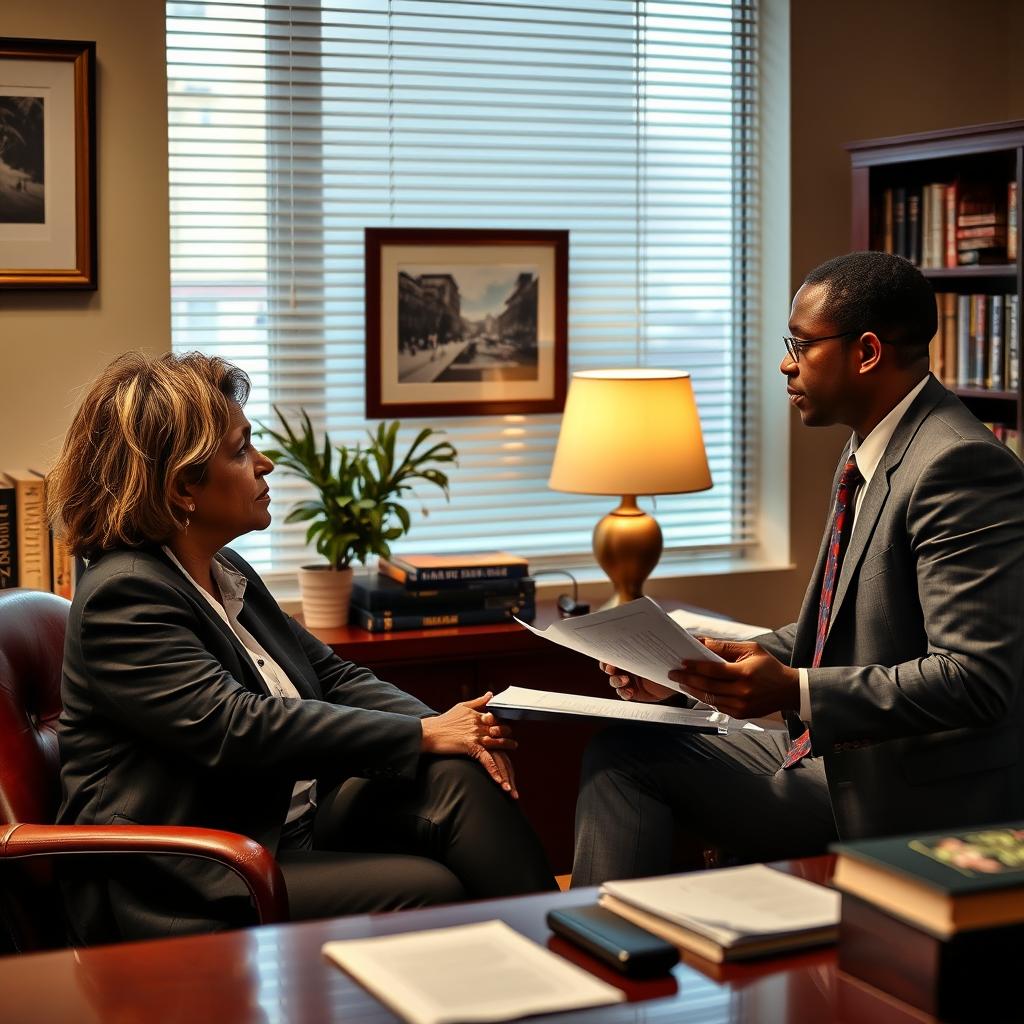
VAWA Lawyer Adams Morgan, DC
When domestic violence intersects with immigration status, the legal path forward can feel uncertain. For individuals in Adams Morgan, DC, and across the District of Columbia, the Violence Against Women Act (VAWA) provides a path to lawful status without relying on an abusive U.S. Citizen or lawful permanent resident family member. Mr. Sris and his Of Counsel help clients determine whether they qualify for a VAWA self‑petition, gather the required documentation, and pursue protection under federal immigration law. Because Adams Morgan is a vibrant, diverse neighborhood, the firm is accustomed to handling VAWA matters that involve clients from many backgrounds. The firm’s Arlington location is minutes away, allowing convenient access for consultations. Law Offices Of SRIS, P.C. Concentrates on immigration law alongside family, criminal, and other practice areas, and Mr. Sris and his Of Counsel work closely with each client to pursue favorable outcomes. To learn how a VAWA self‑petition could apply to your circumstances, reach Law Offices Of SRIS, P.C. at (888) 437‑7747. Law Offices Of SRIS, P.C. – Advocacy Without Borders.
What VAWA Means in Adams Morgan, DC
The Violence Against Women Act, despite its name, protects men and women alike. Under VAWA, certain abused spouses, children, or parents of U.S. Citizens or lawful permanent residents may file a self‑petition for lawful status independently—without the abuser’s knowledge or consent. The petition is filed confidentially with U.S. Citizenship and Immigration Services (USCIS). If approved, the self‑petitioner can obtain work authorization and eventually apply for lawful permanent residence. Because VAWA is a federal statute, the same legal framework applies to residents of Adams Morgan, DC, as to anyone else in the country, but working with counsel who understands the local filing offices and the realities of life in the District can help keep the process on track.
Adams Morgan’s diverse population includes individuals from many countries and family structures. Some may be uncertain about their rights because they fear contacting authorities or disclosing abuse. The firm regularly advises clients who are undocumented, out of status, or facing removal proceedings alongside domestic violence. Mr. Sris and his Of Counsel explain how VAWA protections may apply even if the abuser has withdrawn a family petition or refused to cooperate in the immigration process. While each case is different, a VAWA self‑petition can offer a pathway to stability, allowing the survivor to remain in the United States legally and build a life free from abuse.
How Mr. Sris and His Of Counsel Handle VAWA Cases
The VAWA self‑petition process involves more than filling out forms. Mr. Sris and his Of Counsel begin by evaluating whether the client meets the statutory requirements: a qualifying relationship with the abuser, joint residence, evidence of battery or extreme cruelty, and good moral character. The firm helps clients assemble supporting documents, such as police reports, medical records, affidavits from witnesses, and personal declarations, while protecting the client’s confidentiality. Because USCIS does not notify the abuser of a VAWA filing, the client can proceed without fear that the abuser will learn about the petition.
Once the I‑360 self‑petition is submitted, Mr. Sris and his Of Counsel monitor the case through the adjudication process. If a prima facie determination is issued, the client may become eligible for certain public benefits and a work permit while the petition is pending. Should USCIS issue a request for additional evidence, the firm works to respond with the necessary documentation. Throughout the process, Mr. Sris and his Of Counsel advise clients on how to maintain eligibility and avoid actions that could jeopardize the case, such as leaving the United States without proper travel authorization. The goal is to help the client secure lawful status and move forward with a fresh start.
About Mr. Sris and His Of Counsel Team
Mr. Sris, Owner and Founder of Law Offices Of SRIS, P.C., has practiced immigration law since 1997. A former prosecutor, he brings a broad understanding of the legal system and the challenges individuals face when they interact with government agencies. His experience includes handling family‑based immigration matters, deportation defense, asylum claims, and VAWA self‑petitions. Mr. Sris testified before the Virginia House Courts of Justice Committee in support of 2019 HB 635 (chief patron Del. David Bulova), reflecting his engagement with the legislative process. He is admitted in Virginia, Maryland, the District of Columbia, New Jersey, and New York.
Mr. Sris is supported by a team of Of Counsel attorneys who are experienced in immigration and related practice areas. Mr. Sris and his Of Counsel bring extensive combined legal experience. Results may vary. The firm handles VAWA cases with an understanding of the sensitive nature of domestic violence and the need for discretion. Consultations are available by appointment. To discuss your situation, reach Law Offices Of SRIS, P.C. at (888) 437‑7747.
Frequently Asked Questions
What is a VAWA self‑petition, and who qualifies?
A VAWA self‑petition allows an abused spouse, child, or parent of a U.S. Citizen or lawful permanent resident to apply for lawful status without the abuser’s involvement. The applicant must show a qualifying relationship, joint residence with the abuser, battery or extreme cruelty, and good moral character. The petition is filed on Form I‑360 with USCIS. If approved, the self‑petitioner can obtain work authorization and may become eligible to adjust status to lawful permanent residence. An experienced attorney can help assess eligibility before filing.
Will my abuser find out about the VAWA self‑petition?
No, USCIS is prohibited from disclosing information about a VAWA self‑petition to the abuser. The confidentiality provisions of VAWA mean the abuser is not notified of the filing and cannot participate in the process. The petiton is adjudicated solely on the evidence submitted by the applicant. To maintain confidentiality, applicants should not share details of the petition with anyone who could inadvertently reveal it to the abuser. Legal counsel can advise on safe practices throughout the case.
Do I need a lawyer to file a VAWA self‑petition in Adams Morgan?
You are not legally required to hire a lawyer, but legal guidance helps ensure your petition is properly prepared and supported by sufficient evidence. VAWA petitions involve complex legal standards, and missing documentation or incomplete forms can lead to delays or denial. Mr. Sris and his Of Counsel review the facts of each case, advise on the strength of the evidence, and assist with gathering credible supporting materials. Because VAWA denials are not appealable, getting it right the first time is important.
How does the VAWA process work for someone living in Adams Morgan, DC?
The process begins with a confidential consultation, followed by the preparation and filing of Form I‑360 with USCIS along with supporting evidence of abuse and the qualifying relationship. Once filed, the client typically receives a receipt notice. If USCIS finds enough evidence for a prima facie case, the client may receive a prima facie determination that helps with public benefits eligibility. After approval of the I‑360, the client may apply for adjustment of status if a visa is immediately available. The timeline varies depending on USCIS processing times and the client’s individual circumstances.
What if I am in removal proceedings—can I still apply for VAWA relief?
Yes, a VAWA self‑petition can be filed even if you are in removal proceedings, and it may form the basis for cancellation of removal or other forms of relief. Mr. Sris and his Of Counsel can evaluate whether a VAWA‑based application can be pursued before the immigration court. Filing a self‑petition does not automatically stop removal, but it can be a key step toward obtaining lawful status. The interaction between USCIS and the immigration court requires careful procedural management. Each case is unique, and an attorney can help determine the strongest strategy.
What should I bring to a consultation about a VAWA petition?
Bring any documents related to your identity, your relationship with the abuser, and any evidence of abuse, such as police reports, medical records, photographs, or threatening messages. Also bring any immigration documents you have, including your passport, visas, I‑94 arrival record, and any prior applications or court notices. A detailed written timeline of the abuse can also be helpful. Mr. Sris and his Of Counsel will review what you have and advise on what else may be needed. For a consultation, reach Law Offices Of SRIS, P.C. at (888) 437‑7747.
Visit our related immigration practice pages for nearby neighborhoods:
Washington, D.C. Immigration Lawyer |
Georgetown Immigration Lawyer |
Cleveland Park Immigration Lawyer |
Spring Valley Immigration Lawyer
Attorney advertising. Prior results do not guarantee a similar outcome.
Results may vary.
Case results depend on a variety of factors unique to each case.