
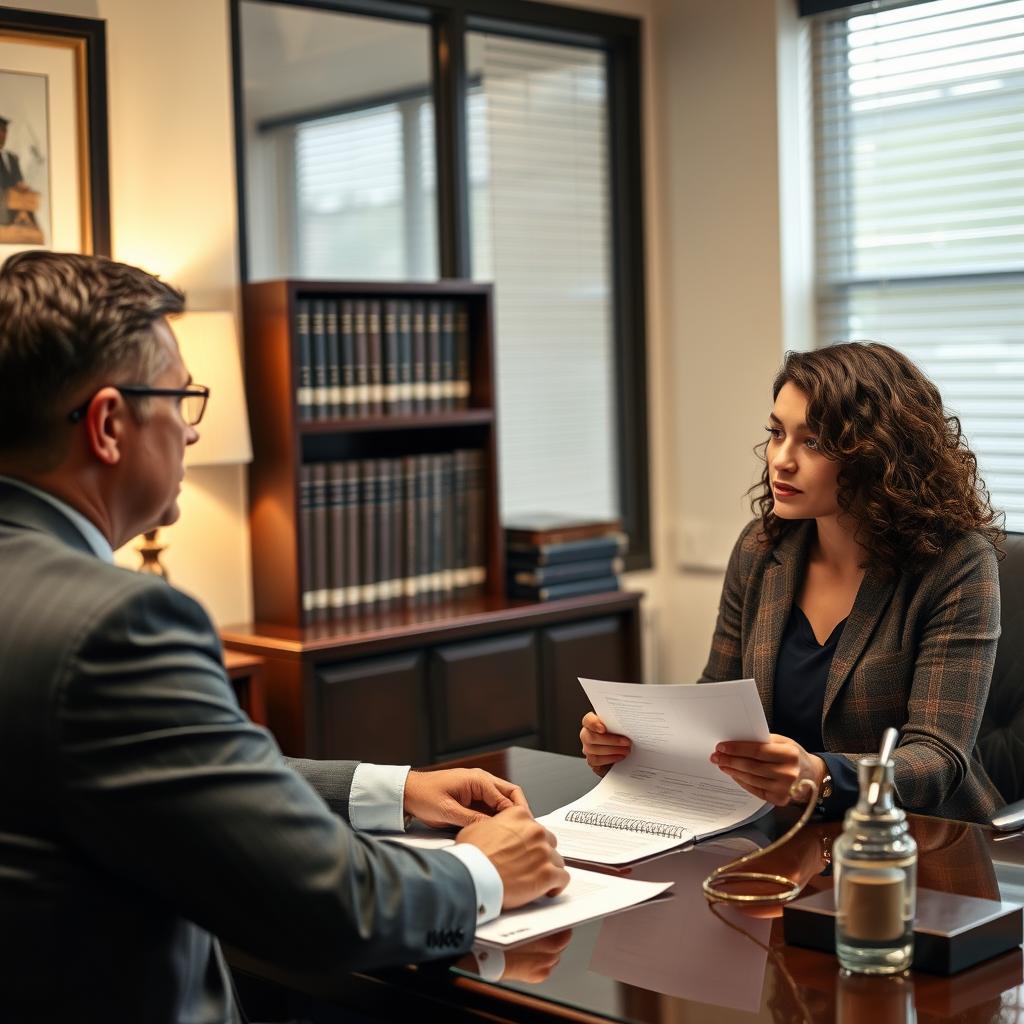
VAWA Immigration Lawyer Madison County
You need a VAWA Immigration Lawyer Madison County to file a Violence Against Women Act self-petition. This process allows abused spouses, children, and parents of U.S. citizens or lawful permanent residents to seek immigration status independently. The Law Offices Of SRIS, P.C.—Advocacy Without Borders. provides direct legal help for these sensitive cases. (Confirmed by SRIS, P.C.)
Statutory Definition of VAWA Self-Petitioning
The Violence Against Women Act is codified in the Immigration and Nationality Act. The primary statute is INA § 204(a)(1)(A)(iii), (B)(ii), or (C) — Humanitarian Relief — Potential Path to a Green Card. VAWA creates a path for certain abused family members to self-petition for lawful status without the abuser’s knowledge. This is a federal immigration process, not a state court action. The petition is filed directly with the U.S. Citizenship and Immigration Services Vermont Service Center. Success requires proving a qualifying relationship, the petitioner’s good moral character, and that the petitioner suffered battery or extreme cruelty. A VAWA Immigration Lawyer Madison County understands the specific evidence needed to meet this federal standard.
The legal basis is the Immigration and Nationality Act § 204(a). VAWA provisions allow a spouse, child, or parent abused by a U.S. citizen or lawful permanent resident to file an immigration petition. The petitioner must demonstrate they lived with the abuser, were subjected to battery or extreme cruelty, and are a person of good moral character. This is a humanitarian form of relief designed to protect victims. It is a standalone petition, Form I-360, that does not require the abuser’s participation or sponsorship.
Who qualifies to file a VAWA self-petition in Madison County?
Eligibility is strictly defined by federal law. Qualifying individuals include abused spouses of U.S. citizens or green card holders, abused children, and abused parents of U.S. citizen sons or daughters. The abuse can be physical, sexual, or psychological. The petitioner must have resided with the abuser and must be a person of good moral character. Consulting a VAWA Immigration Lawyer Madison County is the first step to confirm eligibility based on your specific circumstances.
What constitutes “battery or extreme cruelty” under VAWA?
USCIS interprets this broadly beyond physical violence. It includes threats of violence, forced detention, psychological abuse, sexual abuse, and coercive control. Patterns of isolation, financial control, and intimidation can qualify as extreme mental cruelty. Documentation is key, and a VAWA Immigration Lawyer Madison County can help identify what evidence from your situation meets the legal threshold. Police reports, medical records, and witness statements are common forms of proof.
How does VAWA differ from a standard family-based petition?
A VAWA self-petition removes the abusive sponsor from the process. In a standard family petition, the U.S. citizen or green card holder spouse must sponsor the immigrant. VAWA allows the victim to petition on their own behalf, in secret from the abuser. This critical difference provides safety and autonomy. A VAWA Immigration Lawyer Madison County files the Form I-360 without notifying the abusive family member.
The Insider Procedural Edge for Madison County
While VAWA is a federal process, local evidence collection in Madison County is vital. Your VAWA Immigration Lawyer Madison County will gather documentation from local sources to build a compelling case. This includes obtaining records from the Madison County Sheriff’s Location or local police departments if incidents were reported. Medical records from healthcare providers in Oneida or surrounding areas can substantiate claims of abuse. Witness affidavits from local community members, clergy, or counselors are also powerful evidence. SRIS, P.C. knows how to compile this local evidence to meet USCIS standards.
What is the procedural timeline for a VAWA case?
The USCIS processing time for a VAWA self-petition is typically 18 to 24 months. After filing Form I-360, you may receive a prima facie determination, which can allow access to certain public benefits. If the petition is approved, you may then be eligible to apply for a work permit and later adjust status to a lawful permanent resident. The entire process from filing to green card can take several years. A VAWA Immigration Lawyer Madison County manages this lengthy timeline and keeps you informed at each stage.
Where are VAWA petitions filed?
VAWA self-petitions are mailed to the USCIS Vermont Service Center. The address is 75 Lower Welden Street, St. Albans, VT 05479. All correspondence and requests for evidence will come from this federal center. Despite being a federal filing, having a local VAWA Immigration Lawyer Madison County ensures you have an advocate to handle all communications and deadlines.
What are the costs involved in filing a VAWA petition?
There is no government filing fee for Form I-360, the VAWA self-petition. This is a critical benefit for victims seeking independence. However, associated costs for medical records, translations, and postage may apply. The primary cost is legal representation to ensure the petition is properly prepared and documented. SRIS, P.C. provides a Consultation by appointment to discuss the investment required for a strong VAWA case in Madison County.
Penalties & Defense Strategies for Immigration Issues
Failing to properly address immigration status can lead to severe penalties. For individuals without lawful status, the consequence is removal proceedings initiated by U.S. Immigration and Customs Enforcement. A final order of removal can result in deportation and bars to reentering the United States for years. For those with pending VAWA cases, any criminal charges in Madison County can jeopardize their petition and good moral character claim. It is imperative to have a VAWA Immigration Lawyer Madison County who can also provide criminal defense representation if needed.
| Offense | Penalty | Notes |
|---|---|---|
| Unlawful Presence | Removal Proceedings, 3/10 Year Bar | Triggered after 180 days/1 year of unlawful presence. |
| VAWA Petition Denial | Loss of Legal Standing, Potential Removal | Denial does not automatically trigger removal but exposes status. |
| Criminal Conviction During VAWA Process | Petition Denial, Deportability | Certain crimes destroy good moral character requirement. |
| Fraud or Misrepresentation | Permanent Inadmissibility | False statements on any immigration form have severe consequences. |
[Insider Insight] Local law enforcement in Madison County may cooperate with ICE under certain circumstances. Any interaction with police, even for minor issues, can have immigration consequences if you lack status. A VAWA petitioner must avoid any criminal charges. If charged, immediate criminal defense representation from an attorney who understands immigration law is non-negotiable. SRIS, P.C. integrates defense strategies to protect both your liberty and your immigration case.
How does a criminal charge affect a VAWA case in Madison County?
A criminal charge can derail a VAWA self-petition entirely. The good moral character requirement is absolute for VAWA eligibility. Certain criminal convictions, including crimes involving moral turpitude or domestic violence, make a petitioner statutorily ineligible. Even an arrest without a conviction can lead to a Request for Evidence from USCIS. You need an attorney who handles both the criminal case and the immigration implications concurrently.
What are the defenses against a VAWA petition denial?
If USCIS issues a Notice of Intent to Deny, you have 30 days to respond. Defenses involve submitting additional evidence, clarifying misunderstandings, or arguing legal error. A motion to reopen or reconsider may be filed after a denial. The strongest defense is a thoroughly documented initial petition prepared by a skilled VAWA Immigration Lawyer Madison County. SRIS, P.C. builds cases anticipating potential challenges from the start.
Can you appeal a denied VAWA petition?
There is no direct appeal to a court for a denied VAWA self-petition. Your options are to file a motion to reopen or reconsider with USCIS, or in some cases, re-file the petition with new and material evidence. The strict deadlines make immediate legal action critical. An experienced our experienced legal team can assess the denial reason and advise on the best course of action.
Why Hire SRIS, P.C. for Your Madison County VAWA Case
Our lead immigration attorney has over a decade of focused experience handling humanitarian-based petitions like VAWA. This specific credential means we understand the nuanced evidence standards and sensitive client approach these cases demand. We do not treat VAWA as a simple form filing; we build a narrative of your case that meets the humanitarian intent of the law. SRIS, P.C. provides advocacy without borders for clients in Madison County facing complex immigration hurdles.
Primary Attorney: Our managing immigration attorney has successfully guided numerous clients through the VAWA self-petition process. Their practice is dedicated to family-based and humanitarian immigration law. They understand how to present evidence of abuse from Madison County contexts in a way that resonates with USCIS adjudicators. They work directly with clients to gather the necessary documentation while maintaining confidentiality and safety.
Our firm’s approach is direct and evidence-driven. We know what USCIS officers look for in a credible VAWA petition. We help you collect police reports, medical records, psychological evaluations, and personal affidavits. We draft a detailed personal declaration that outlines the history of abuse and your good moral character. We handle all communication with the Vermont Service Center, shielding you from unnecessary stress. For Madison County residents, having a dedicated legal team that understands both federal law and local resources is a decisive advantage.
Localized FAQs for Madison County Immigration
Can I file a VAWA petition if I live in Madison County but the abuse happened elsewhere?
Yes. Your current residence in Madison County determines where you file. The abuse can have occurred in a different location, even a different state or country. The petition is based on your relationship to the abuser and the abuse suffered, not solely the location of the incidents.
Will my abuser be notified if I file a VAWA self-petition?
No. A core protection of VAWA is confidentiality. USCIS is prohibited by law from contacting your abuser or revealing any information about your petition. This allows you to seek immigration relief safely and independently from the abusive family member.
How long does it take to get a work permit with a pending VAWA petition?
You can apply for a work permit (Form I-765) after your VAWA petition is pending for 150 days and remains unadjudicated. USCIS typically takes 3-6 months to process the work permit application once filed. This provides financial independence during the long wait for petition approval.
What if I am in removal proceedings while in Madison County?
You can still file a VAWA self-petition. It may be possible to have the removal proceedings administratively closed or terminated while USCIS adjudicates your VAWA case. An immediate filing is crucial. An attorney can file the petition and request prosecutorial discretion from ICE.
Can a man file a VAWA self-petition in Madison County?
Yes. Despite the law’s name, the Violence Against Women Act protections extend to abused men as well. Eligible spouses and children, regardless of gender, can self-petition if abused by a U.S. citizen or lawful permanent resident spouse or parent.
Proximity, CTA & Disclaimer
Our legal team serves clients throughout Madison County, New York. We understand the local community and court systems. While SRIS, P.C. does not have a physical Location in Madison County, our attorneys are fully equipped to represent you remotely or travel for necessary proceedings. We provide strong immigration legal help lawyer Madison County for VAWA and other complex cases. For a detailed immigration case consultation lawyer Madison County, contact us directly.
Consultation by appointment. Call 1-888-437-7747. 24/7.
NAP: Law Offices Of SRIS, P.C., 1-888-437-7747.
Past results do not predict future outcomes.