
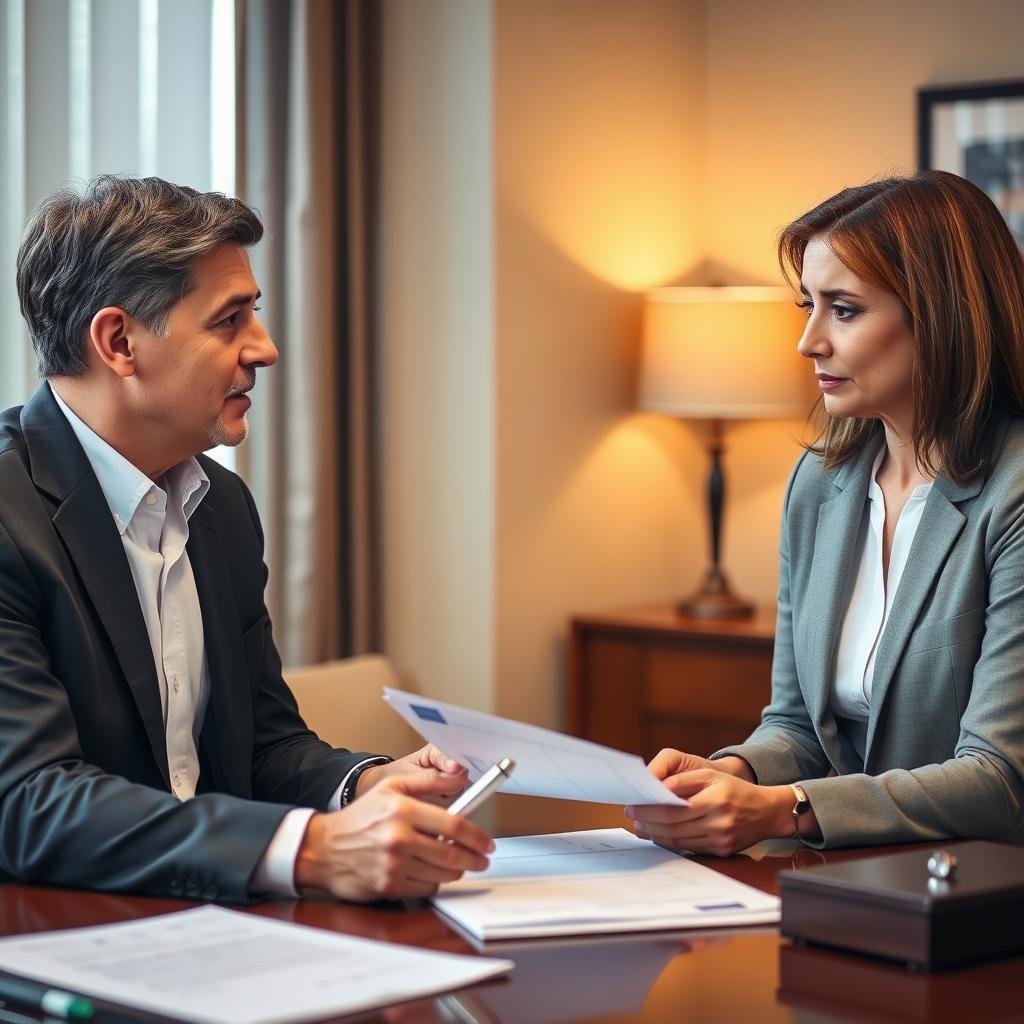
VAWA Immigration Lawyer Fairfax County, VA
If you are living in Fairfax County and experiencing domestic violence at the hands of a U.S. Citizen or lawful permanent resident spouse, parent, or adult child, you may have a path to lawful status without your abuser’s involvement or knowledge. A VAWA self-petition—authorized under the Violence Against Women Act and codified at 8 U.S.C. § 1154(a)(1)(A)(iii)-(iv)—permits certain abused spouses, children, and parents to file for immigration relief on their own behalf. Law Offices Of SRIS, P.C., founded in 1997, represents Fairfax County residents in VAWA self-petitions, adjustment of status, and related immigration matters before USCIS and the Executive Office for Immigration Review. Mr. Sris, Owner and Founder of the firm, and the firm’s Of Counsel attorneys work with clients to prepare and submit the documentation USCIS requires for a self-petition, including evidence of the qualifying relationship, the abuse suffered, and good moral character. To request a consultation about a VAWA self-petition, reach Law Offices Of SRIS, P.C. at (888) 437-7747. Law Offices Of SRIS, P.C. – Advocacy Without Borders.
What VAWA Immigration Means in Fairfax County, Virginia
The Violence Against Women Act created a critical exception to the ordinary family-based immigration process. Typically, a U.S. Citizen or lawful permanent resident spouse or parent controls the petition that leads to a family member’s green card. That control can become a tool of coercion in an abusive relationship. A VAWA self-petition removes the abuser from the process entirely. The applicant—called the self-petitioner—files Form I-360 with USCIS without the abuser’s knowledge, consent, or participation. If USCIS approves the petition and the self-petitioner meets the other eligibility requirements, the self-petitioner may apply for lawful permanent residence through adjustment of status or consular processing.
For Fairfax County residents, affirmative VAWA self-petitions and related applications for adjustment of status are processed at the USCIS Washington Field Office at 2675 Prosperity Avenue in Fairfax, Virginia. If the self-petitioner is in removal proceedings, the matter is heard at the Arlington Immigration Court at 1901 South Bell Street in Arlington, part of the Executive Office for Immigration Review. Immigration is exclusively federal in jurisdiction; Virginia state courts do not adjudicate petitions for immigration benefits. However, a VAWA self-petitioner in Fairfax County may also interact with the Fairfax County Juvenile and Domestic Relations District Court for protective orders or related family-law matters. Mr. Sris and the firm’s Of Counsel attorneys concentrate their immigration practice on navigating the federal processes while coordinating with any parallel state-court proceedings that affect the client’s immigration case.
Qualifying for a VAWA self-petition requires proof of several elements under the statute. The self-petitioner must establish that the abuser is a U.S. Citizen or lawful permanent resident, that the qualifying relationship exists (spouse, former spouse, child, or parent), that the self-petitioner resided with the abuser, that the self-petitioner suffered battery or extreme cruelty, and that the self-petitioner possesses good moral character. USCIS evaluates the totality of the evidence submitted. Documentation may include police reports, medical records, protective orders, affidavits from witnesses, and the self-petitioner’s own detailed declaration. Each case turns on its specific facts, and the required supporting evidence varies accordingly.
How Law Offices Of SRIS, P.C. handles VAWA Self-Petitions
Mr. Sris and the firm’s Of Counsel attorneys approach each VAWA self-petition by first understanding the client’s full immigration history, family circumstances, and safety concerns. A VAWA self-petition is confidential; USCIS is prohibited from notifying the abuser of the filing or of any information provided. The firm works with the client to identify and gather evidence of the qualifying relationship, the abuse or extreme cruelty suffered, and the client’s good moral character. This often involves coordinating with medical providers, law enforcement agencies, shelters, and other professionals who have interacted with the client.
After the I-360 self-petition is filed, USCIS issues a prima facie determination notice if the petition establishes a preliminary case. That notice can help the self-petitioner access certain public benefits while the full adjudication proceeds. If the self-petition is approved and the client is eligible to adjust status, the firm prepares and files the adjustment application and represents the client at the USCIS interview at the Washington Field Office in Fairfax. If the client is in removal proceedings before the Arlington Immigration Court, Mr. Sris and the firm’s Of Counsel attorneys may seek termination or administrative closure of proceedings to allow USCIS to adjudicate the self-petition, or may request that the immigration judge grant relief in conjunction with the pending petition. The procedural path depends on the client’s immigration posture and the facts of the case.
About Mr. Sris and the Firm’s Of Counsel Attorneys
Mr. Sris founded Law Offices Of SRIS, P.C. in 1997 and serves as its Owner and Founder. Admitted to practice in Virginia, Maryland, the District of Columbia, New Jersey, and New York, Mr. Sris concentrates his practice on immigration matters including VAWA self-petitions, family-based petitions, adjustment of status, deportation defense, and related federal immigration proceedings. He has testified before the Virginia House Courts of Justice Committee. The firm’s Of Counsel attorneys bring experience across immigration practice areas and collaborate with Mr. Sris on the preparation and filing of VAWA self-petitions for clients in Fairfax County and throughout Northern Virginia. To discuss a VAWA self-petition, reach Mr. Sris and the firm’s Of Counsel attorneys at (888) 437-7747.
Frequently Asked Questions About VAWA Immigration in Fairfax County
What is a VAWA self-petition and who can file one?
A VAWA self-petition is a Form I-360 filed with USCIS by an abused spouse, child, or parent of a U.S. Citizen or lawful permanent resident, permitting the victim to seek lawful immigration status independently of the abuser. Qualifying relationships include current or former spouses, children under 21, and parents of adult U.S. Citizen children. The self-petitioner must demonstrate that they resided with the abuser, suffered battery or extreme cruelty, and possess good moral character. The abuser is not notified of the filing. For Fairfax County residents, the petition and any subsequent adjustment application are processed at the USCIS Washington Field Office.
Do I need an attorney to file a VAWA self-petition in Fairfax County?
You are not legally required to have an attorney to file a VAWA self-petition, but working with experienced immigration counsel helps ensure that your petition is properly documented and that you understand the full scope of immigration relief potentially available to you. A VAWA self-petition requires substantial supporting evidence, and errors or omissions can delay adjudication or lead to a denial. An attorney can also evaluate whether other forms of relief—such as a U visa, asylum, or cancellation of removal—may apply to your circumstances. To speak with Mr. Sris and the firm’s Of Counsel attorneys about your situation, reach Law Offices Of SRIS, P.C. at (888) 437-7747.
How long does the VAWA self-petition process take?
USCIS processing times for VAWA self-petitions vary based on caseload and the specific facts of each case, and the agency does not provide a fixed timeline for adjudication. After filing, USCIS typically issues a prima facie determination within a few months if the initial evidence is sufficient. Full adjudication of the I-360 may take longer. If the self-petitioner is also applying for adjustment of status, the timeline extends to include the green-card interview at the USCIS Washington Field Office. The overall processing period depends on USCIS workloads and the completeness of the evidence submitted. Prompt preparation of a thorough petition helps avoid unnecessary delays.
What documents do I need for a VAWA self-petition?
USCIS requires evidence of the qualifying relationship, proof of battery or extreme cruelty, and documentation of the self-petitioner’s good moral character. The specific documents vary by case but typically include a marriage certificate or birth certificate establishing the qualifying family tie, police reports or protective orders from courts such as the Fairfax County Juvenile and Domestic Relations District Court, medical or counseling records, affidavits from witnesses who can attest to the abuse, and the self-petitioner’s own sworn statement describing the abuse in detail. Evidence of good moral character may include background checks, employment records, and community or religious involvement. An attorney can help you identify and gather the documents most relevant to your circumstances.
Can I apply for a VAWA self-petition if I am in removal proceedings?
Yes, a person in removal proceedings before the Arlington Immigration Court may file a VAWA self-petition with USCIS, and the immigration judge may consider the pending petition in deciding whether to grant relief or terminate proceedings. The self-petitioner must meet the same eligibility requirements as any other VAWA applicant. If USCIS approves the I-360 while removal proceedings are ongoing, the self-petitioner may seek adjustment of status through the immigration judge or request termination of proceedings to pursue adjustment with USCIS. The procedural path depends on the specific facts and procedural posture of the case. Mr. Sris and the firm’s Of Counsel attorneys represent clients in removal proceedings before the Arlington Immigration Court.
What happens after my VAWA self-petition is approved?
After USCIS approves a VAWA self-petition, the self-petitioner may be eligible to apply for lawful permanent residence through adjustment of status if they meet the other statutory requirements, including admissibility and continued eligibility. If a visa number is immediately available, the self-petitioner can file Form I-485 with USCIS. The adjustment interview is conducted at the USCIS Washington Field Office in Fairfax. If the self-petitioner is outside the United States or is ineligible for adjustment, consular processing may be an alternative. Approval of the I-360 also enables the self-petitioner to seek work authorization and, in some instances, to access certain public benefits during the pendency of the adjustment application. Each case follows a timeline determined by USCIS processing and the applicant’s particular circumstances.
For additional information on immigration matters in nearby communities, see our pages on Immigration Lawyer Prince William County, Immigration Lawyer Loudoun County, Immigration Lawyer Arlington County, and Immigration Lawyer Stafford County.
Primary-source references: USCIS — Battered Spouse, Children, and Parents | Executive Office for Immigration Review | Virginia Judicial System
Reviewed by Mr. Sris, Owner and Founder
Admitted in Virginia, Maryland, District of Columbia, New Jersey, and New York
Practicing since 1997
Attorney advertising. Prior results do not guarantee a similar outcome. Case results depend on a variety of factors unique to each case. Results may vary. Consultation by appointment. Reach Law Offices Of SRIS, P.C. at (888) 437-7747.