
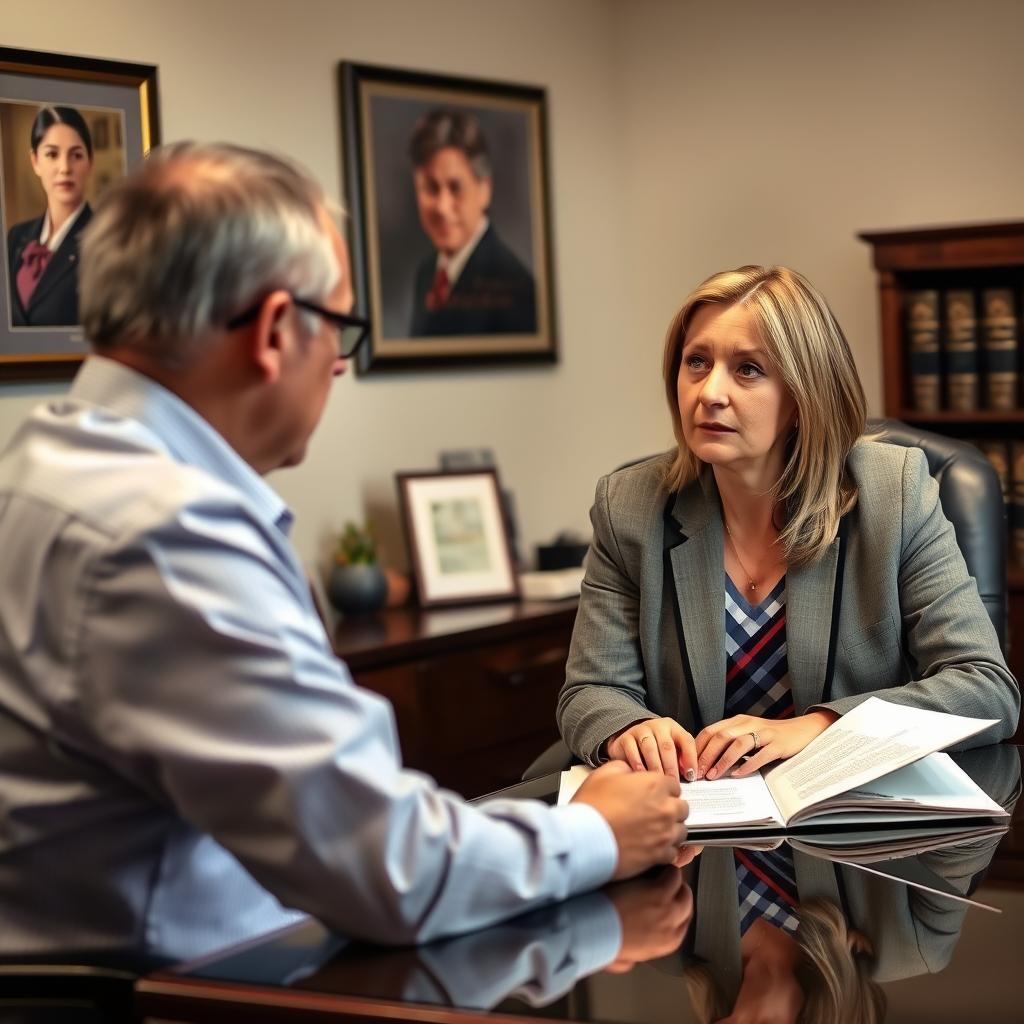
VAWA Immigration Lawyer Caroline County, VA
Immigrants who are victims of domestic violence may be eligible for lawful status in the United States without the cooperation of an abusive spouse or parent. The Violence Against Women Act (VAWA) allows certain abused spouses, children, and parents of U.S. Citizens or lawful permanent residents to self-petition for immigration benefits. Law Offices Of SRIS, P.C. assists Caroline County residents with VAWA self-petitions and related immigration relief. Mr. Sris and the firm’s Of Counsel attorneys guide clients through the confidential application process, helping them gather evidence, prepare forms, and navigate interactions with U.S. Citizenship and Immigration Services (USCIS) and the Immigration Court. If you or a family member needs VAWA immigration help, reach our Fairfax location at (888) 437-7747 to schedule a consultation. Law Offices Of SRIS, P.C. – Advocacy Without Borders.
How a VAWA Immigration Lawyer Helps in Caroline County
A VAWA self-petition allows an abused alien to apply for lawful permanent resident status without the abuser’s knowledge or consent. The process is confidential, and USCIS cannot disclose the application to the abuser. Caroline County residents file VAWA petitions with the USCIS Washington Field Office at 2675 Prosperity Avenue in Fairfax. If the applicant is already in removal proceedings, the matter may proceed before the Arlington Immigration Court at 1901 South Bell Street. An experienced immigration attorney can evaluate eligibility, prepare the Form I-360 self-petition and supporting evidence, and represent the applicant at any required interviews or hearings.
The firm’s immigration team, led by Mr. Sris, works with Caroline County clients to document the abuse, the qualifying relationship, and the applicant’s good moral character. Because VAWA petitions often intersect with state‑court protective‑order proceedings, counsel also coordinates with any pending family-law matters. Mr. Sris and the firm’s Of Counsel attorneys have handled immigration cases for over two decades and understand the sensitive nature of domestic‑violence‑based petitions. The firm’s approach emphasizes careful case preparation and clear communication with USCIS.
Frequently Asked Questions
What is a VAWA self-petition?
A VAWA self-petition is a confidential immigration application that allows certain abused spouses, children, or parents of U.S. Citizens or lawful permanent residents to seek legal status independently. It is filed on Form I-360 with USCIS and does not require the abuser’s participation. If approved, the applicant may be eligible to apply for a green card and, eventually, citizenship. The process is designed to protect victims who might otherwise be afraid to come forward.
Who is eligible for VAWA immigration relief?
An abused spouse, child, or parent of a U.S. Citizen or lawful permanent resident may qualify for VAWA relief if they can show battery or extreme cruelty during the qualifying relationship. The abuse can be physical, emotional, or psychological. The applicant must also demonstrate that they lived with the abuser at some point, that they have good moral character, and that they entered the marriage in good faith. Both men and women can apply.
Do I need a lawyer to file a VAWA self-petition in Caroline County?
You are not legally required to hire an attorney, but a lawyer can help ensure the petition is properly prepared and that all necessary evidence is submitted. VAWA cases often involve complex legal arguments about the validity of the marriage, the nature of the abuse, and the applicant’s admissibility. Mistakes can lead to delays or denials. Mr. Sris and the firm’s Of Counsel attorneys help Caroline County clients present a strong, well-documented case.
How does the VAWA process work for Caroline County residents?
A Caroline County resident begins by filing Form I-360 with the USCIS Washington Field Office in Fairfax. The application includes a detailed personal statement, evidence of the relationship, proof of abuse, and good‑moral‑character documentation. While the petition is pending, the applicant may be eligible for work authorization. If the I-360 is approved and a visa is immediately available, the applicant can file for adjustment of status to permanent residence. If removal is pending, the case may be heard at the Arlington Immigration Court.
What documents are needed for a VAWA application?
The application requires evidence of the qualifying relationship, proof of the abuse, and documentation of good moral character. Typical items include marriage and birth certificates, police reports, medical records, protective orders, letters from counselors, photographs, and affidavits from witnesses. A detailed personal declaration describing the abuse is central to the petition. An immigration attorney can help identify and organize the strongest evidence for your specific situation.
Can I apply for VAWA if I am in removal proceedings?
Yes, a person in removal proceedings can file a VAWA self-petition as a defense to deportation. The application is still submitted to USCIS, but the immigration judge may wait for the outcome before making a removal decision. If the petition is approved, the judge can terminate proceedings and allow the applicant to pursue adjustment of status. Caroline County residents in removal proceedings appear at the Arlington Immigration Court.
How long does VAWA processing take?
VAWA processing times vary depending on USCIS workload and the complexity of the case. There is no fixed timeframe, but once the petition is approved, the applicant can apply for a green card when a visa becomes available. Work authorization may arrive sooner. The firm’s attorneys monitor case status and communicate with USCIS to help avoid unnecessary delays.
What happens after VAWA approval?
If the VAWA self-petition is approved, the applicant may apply for lawful permanent residence (a green card) if a visa is immediately available. The applicant will also be eligible for work authorization and, in some cases, public benefits. If a visa is not available, the approved petition places the applicant in a deferred‑action status pending visa availability. The firm assists with the adjustment‑of‑status application and any related waiver requests.
Does a VAWA self-petition require cooperation from the abuser?
No, the entire VAWA process is confidential, and USCIS cannot disclose the petition to the abuser. The victim does not need the abuser’s signature, knowledge, or participation. This independence is one of the key features of VAWA relief, as it allows victims to escape dangerous situations without relying on the person who harmed them.
Can I include my children in a VAWA petition?
Yes, certain children of an abused parent may be included as derivative beneficiaries on the parent’s VAWA self-petition. Unmarried children under 21 can receive immigration benefits along with the principal applicant. Additionally, an abused child of a U.S. Citizen or lawful permanent resident may file their own VAWA self-petition. The firm reviews each family’s circumstances to determine an appropriate approach.
About Mr. Sris and the Firm’s Of Counsel Attorneys
Mr. Sris, Owner and Founder of Law Offices Of SRIS, P.C., leads a multi‑state immigration practice and personally oversees VAWA and other family‑based immigration matters. The firm’s Of Counsel attorneys bring extensive combined legal experience, including backgrounds in law enforcement and prosecution that can strengthen immigration cases involving criminal history questions. Mr. Sris and the firm’s Of Counsel attorneys have documented case results across multiple practice areas since 1997. Results may vary. Caroline County residents receive coordinated representation from the firm’s Fairfax location, with support available in English, Spanish, and Tamil. To discuss a VAWA immigration matter, contact the firm at (888) 437-7747.
For immigration legal services in neighboring communities, see our Fairfax County Immigration Lawyer, Prince William County Immigration Lawyer, and Manassas Immigration Lawyer pages.
For more information on Virginia protective orders that may support a VAWA self-petition, see Va. Code § 16.1-279.1. For general information about the Virginia court system, visit Virginia’s Judicial System website.
Attorney advertising. Prior results do not guarantee a similar outcome. Results may vary.
Case results depend on a variety of factors unique to each case.