
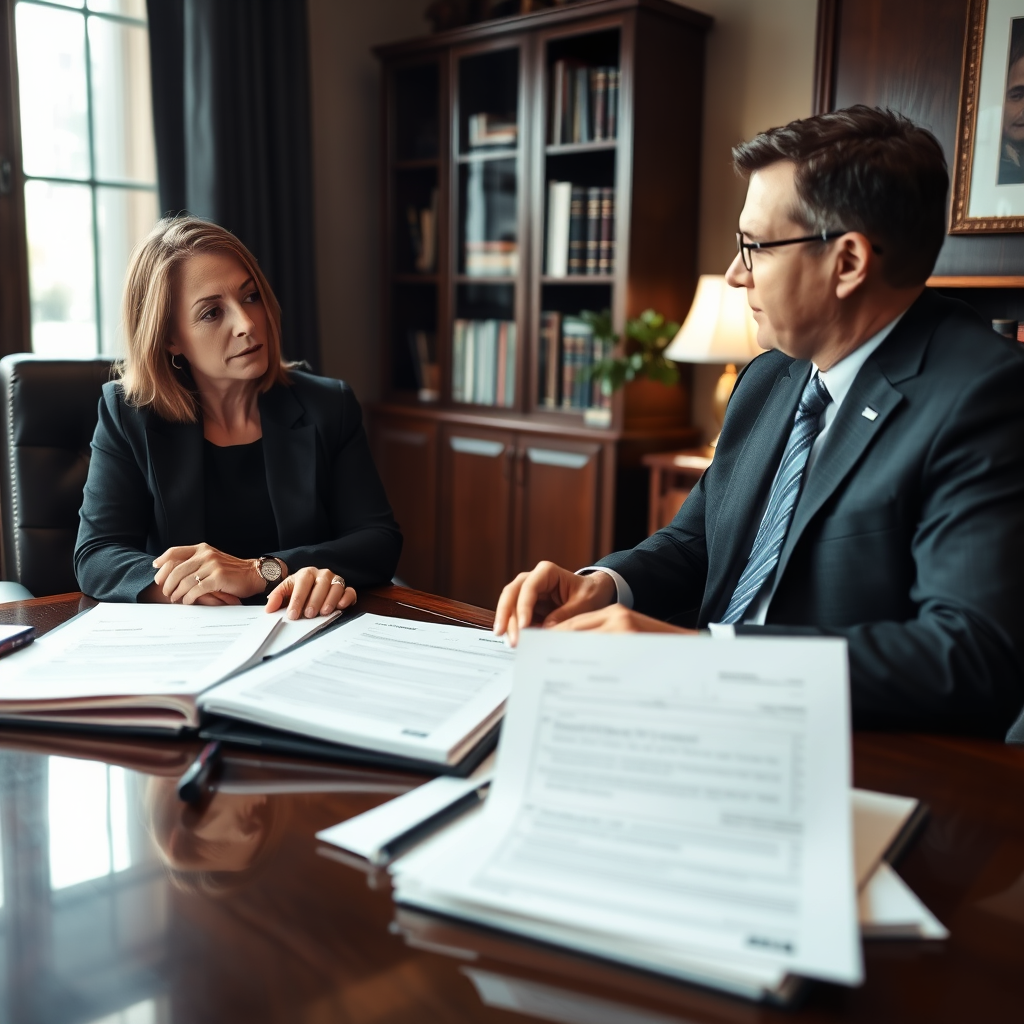
Virginia US Visa Lawyer: Your Trusted Path to Immigration Success
As of December 2025, the following information applies. In Virginia, US visa processes involve various categories and strict requirements. Securing a US visa means successfully meeting these governmental demands, often needing careful documentation and adherence to evolving regulations. The Law Offices Of SRIS, P.C. provides dedicated legal defense for these matters, helping individuals and families pursue their American dreams.
Confirmed by Law Offices Of SRIS, P.C.
What is a US Visa Lawyer in Virginia?
A US visa lawyer in Virginia isn’t just someone who knows immigration law; they’re your guide through what can often feel like a maze. Think of it this way: applying for a US visa is like trying to build a complex piece of furniture without instructions. You might get some parts together, but without guidance, it’s easy to make a mistake that could cause the whole thing to fall apart. An immigration attorney in Virginia is here to give you those clear instructions, helping you understand your options, prepare your application correctly, and represent your interests with the government. They work on a variety of visa types, from family-based visas allowing loved ones to reunite, to employment visas for skilled workers, and even investor visas that fuel the economy. Their role is to simplify the intricate legal requirements, defend against potential issues, and ensure your application stands the best possible chance for approval.
It’s important to remember that immigration law changes. What was true yesterday might not be true today, thanks to new policies or revised regulations. A knowledgeable US immigration attorney stays on top of these shifts, providing up-to-date advice and adjusting strategies as needed. They’re also there to represent you if complications arise, like requests for more evidence, or even if your application faces an initial denial. They can help you understand why an application was rejected and what steps you can take next. For many, having an experienced professional by their side brings a much-needed sense of reassurance. They’ll work to protect your rights, explain the potential pitfalls, and fight for your opportunity to live, work, or study in the United States.
Takeaway Summary: A US visa lawyer in Virginia acts as your essential guide and advocate through the complex and ever-changing landscape of US immigration law. (Confirmed by Law Offices Of SRIS, P.C.)
How to Understand the US Visa Application Process in Virginia?
Trying to figure out the US visa application process in Virginia can feel overwhelming, like trying to follow a recipe with half the ingredients missing. It’s not just about filling out a form; it’s about understanding a multi-step journey that requires precision and patience. When you’re looking to come to the United States, whether for family, work, or other reasons, you’ll be engaging with various governmental agencies, primarily U.S. Citizenship and Immigration Services (USCIS) and the Department of State. Each step has its own set of rules, deadlines, and potential roadblocks. Missteps can lead to delays, denials, or even more serious immigration consequences. That’s why breaking it down and approaching it methodically is so important. Let’s walk through the general flow:
Determine Your Visa Type: First things first, you need to figure out which visa category fits your situation. This isn’t always straightforward. Are you seeking a temporary stay (non-immigrant visa) or a permanent one (immigrant visa)? There are dozens of options, including family-sponsored visas (like immediate relative or family preference visas), employment-based visas (such as H-1B for skilled workers, L-1 for intracompany transferees, or O-1 for individuals with extraordinary ability), student visas (F-1), tourist visas (B-2), and investor visas (E-2). Each type has specific eligibility criteria. Picking the wrong one can waste time and money.
Gather Required Documents: Once you know your visa type, you’ll need to collect a mountain of documents. This often includes passports, birth certificates, marriage certificates, educational transcripts, employment letters, financial statements, and police clearance certificates. For specific visas, things like business plans or proof of specialized skills might be needed. The key here is thoroughness; missing a single document or providing an expired one can derail your entire application. Make sure everything is current, accurate, and translated into English if necessary.
Complete and File Petitions/Applications: Many immigrant visas start with a petition filed by a US citizen or lawful permanent resident relative, or an employer, with USCIS. For some non-immigrant visas, you might file the application directly. These forms are lengthy and demand precise information. Even small errors can trigger requests for evidence (RFEs), significantly slowing down your process. You’ll also need to pay various filing fees, which can be substantial and are typically non-refundable.
Attend Biometrics and Interviews: After filing, you’ll likely receive an appointment for biometrics, where your fingerprints and photo are taken. This is part of a background check. For most visa types, you’ll also need to attend an interview at a US embassy or consulate abroad, or at a USCIS office in the US if you’re adjusting status. The interview is your chance to explain your case to an immigration officer. They’ll ask questions about your application, your intentions, and your background. Being prepared, honest, and clear is vital.
Receive a Decision: Finally, after your interview and all required checks are complete, a decision will be made on your visa. If approved, you’ll receive your visa stamp or, for those adjusting status, a Green Card. If denied, you’ll usually receive a letter explaining the reasons. A denial isn’t necessarily the end of the road, but it often requires re-evaluating your strategy and potentially filing an appeal or a new application. Understanding the specific reason for denial is the first step towards a potential remedy.
Each of these steps has its own intricacies, and without a solid understanding of immigration law, it’s easy to get lost. The process can be lengthy, often taking months or even years depending on the visa type and country of origin. This isn’t a task to take lightly; your future in the US hinges on getting it right.
Can Minor Errors Jeopardize My US Visa Application?
It’s a common thought: “It’s just a form, I’ll fill it out.” But when it comes to US visa applications, even seemingly minor errors can have significant, sometimes devastating, consequences. Think of your application like a finely tuned machine; one small wrong screw or a misplaced wire, and the whole thing might not run. This isn’t just about typos. It can be about inconsistent dates across documents, failing to disclose a past interaction with law enforcement (even if it was dismissed), or not providing the exact evidence requested, even if you think other documents prove your point. The US immigration system is built on strict adherence to rules and absolute transparency. What might seem like an oversight to you could be interpreted as misrepresentation or an attempt to conceal information by an immigration officer. This is where fear can creep in – the fear that your dreams are shattered because of something you didn’t even realize was a mistake.
Let’s be blunt: immigration officers are trained to spot discrepancies. They process thousands of applications and have a keen eye for anything that doesn’t add up. If they find an error, even an innocent one, they can issue a Request for Evidence (RFE), asking for clarification or additional documents. This immediately slows down your process, adding stress and uncertainty. Worse, if they suspect deliberate misrepresentation or fraud, your application could be outright denied, and you could even face a ban from entering the United States for several years. This is why thoroughness and honesty are vital. It’s not just about presenting facts; it’s about presenting them accurately and completely, leaving no room for doubt or misinterpretation. For example, if you overstayed a previous visa by a day, or had a traffic ticket from years ago, failing to mention it can be a bigger problem than the event itself. Immigration authorities prioritize candor. Rebuilding trust after a perceived deception is incredibly challenging.
The good news? Many common errors can be avoided with careful preparation and, crucially, a knowledgeable review. A seasoned US immigration attorney can spot these potential pitfalls before your application even reaches the government’s desk. They can help you compile a robust application package, ensure all forms are completed accurately, and advise you on how to address any past issues honestly and effectively. They can also represent you if an RFE is issued, helping you craft a comprehensive response that satisfies the officer’s concerns. Don’t let the fear of making a mistake keep you from pursuing your goals. Instead, empower yourself by understanding the importance of precision and seeking the right support. It’s about turning that fear into clarity and then into hope for a successful outcome.
Why Hire Law Offices Of SRIS, P.C. for Your US Visa Needs?
When your future in the United States is on the line, you don’t want just any representation; you want a team that understands the weight of your aspirations and has the experience to back it up. That’s precisely what you find at the Law Offices Of SRIS, P.C. We know that behind every visa application is a person, a family, or a business with significant hopes and plans. We approach each case with the dedication it deserves, understanding that the outcome impacts lives.
Mr. Sris, the firm’s founder, has been a driving force in legal representation since 1997. His approach is direct, compassionate, and rooted in a deep understanding of complex legal matters. As Mr. Sris himself puts it: “My focus since founding the firm in 1997 has always been directed towards personally taking on the most challenging and complex criminal and family law matters our clients face. I find my background in accounting and information management provides a unique advantage when managing the intricate financial and technological aspects inherent in many modern legal cases.” This commitment to personal involvement and leveraging diverse expertise extends to our immigration practice. We believe that a strong foundation in a variety of legal disciplines, combined with an empathetic approach, truly benefits our clients as they pursue their immigration goals.
Choosing Law Offices Of SRIS, P.C. means choosing a team that is not afraid of a challenge and is dedicated to guiding you through every step of your US visa process. From the initial confidential case review to the final decision, we are here to provide clear advice, meticulous preparation, and assertive representation. We’ll help you anticipate potential problems, respond to government requests, and present your case in the most compelling way possible. Our goal isn’t just to fill out forms; it’s to help you achieve your American dream.
Law Offices Of SRIS, P.C. has locations in Virginia, including our office in Fairfax, conveniently located at: 4008 Williamsburg Court, Fairfax, VA, 22032, US. You can reach us directly at +1-703-636-5417.
Call now for a confidential case review and let us help you move forward.
Frequently Asked Questions About US Visas in Virginia
What types of US visas are available?
The US offers numerous visa types. Common ones include non-immigrant visas for temporary stays (like B-1/B-2 for business/tourism, F-1 for students, H-1B for skilled workers) and immigrant visas for permanent residency (often family or employment-based Green Cards). Your specific purpose determines the right category.
How long does the US visa application process typically take?
Visa processing times vary widely. Factors like the visa type, the applicant’s country of origin, governmental backlogs, and individual case complexities all play a role. It can range from weeks for some non-immigrant visas to several years for certain immigrant visa categories.
Can I apply for a US visa if I have a criminal record?
A criminal record can impact visa eligibility. Some offenses may result in inadmissibility to the US, while others might require a waiver. It’s vital to be completely transparent about any record and seek legal advice to assess your specific situation and options.
What happens if my US visa application is denied?
A visa denial can be disheartening. The denial letter usually states the reason. Depending on the reason, you might be able to appeal, refile with additional information, or explore different visa options. Understanding the cause is the first step toward a remedy.
Do I need a lawyer for a tourist visa application?
While not legally required, a lawyer can be beneficial for tourist visas, especially if you have a complex background, previous denials, or concerns about proving your intent to return home. An attorney can help ensure a strong application.
What is the difference between an immigrant and a non-immigrant visa?
An immigrant visa is for individuals who intend to live permanently in the United States and leads to a Green Card. A non-immigrant visa is for temporary stays, such as tourism, study, or temporary work, with the expectation of returning home.
Can I work in the US on a tourist visa (B-1/B-2)?
No, a B-1 (business visitor) or B-2 (tourist) visa generally does not permit employment in the United States. Engaging in unauthorized work while on a tourist visa can lead to severe immigration penalties, including future inadmissibility.
How do I renew my US visa, or extend my stay?
Visa renewal or extension processes depend on your current visa type and your circumstances. For extensions of stay while in the US, you typically file Form I-539 with USCIS before your authorized stay expires. Renewing a visa usually requires applying at a consulate abroad.
What is a Green Card, and how do I get one?
A Green Card, or Lawful Permanent Resident Card, allows you to live and work permanently in the United States. It’s typically obtained through family sponsorship, employment sponsorship, investment, or the Diversity Visa Lottery. The path varies significantly by eligibility.
What is the role of a US immigration attorney in Virginia?
A US immigration attorney helps clients understand complex immigration laws, prepare and file visa applications, respond to governmental requests, and represent them in interviews or hearings. They strive to prevent errors and maximize the chances of a successful outcome.
The Law Offices Of SRIS, P.C. has locations in Virginia in Fairfax, Loudoun, Arlington, Shenandoah and Richmond. In Maryland, our location is in Rockville. In New York, we have a location in Buffalo. In New Jersey, we have a location in Tinton Falls.
Past results do not predict future outcomes.