
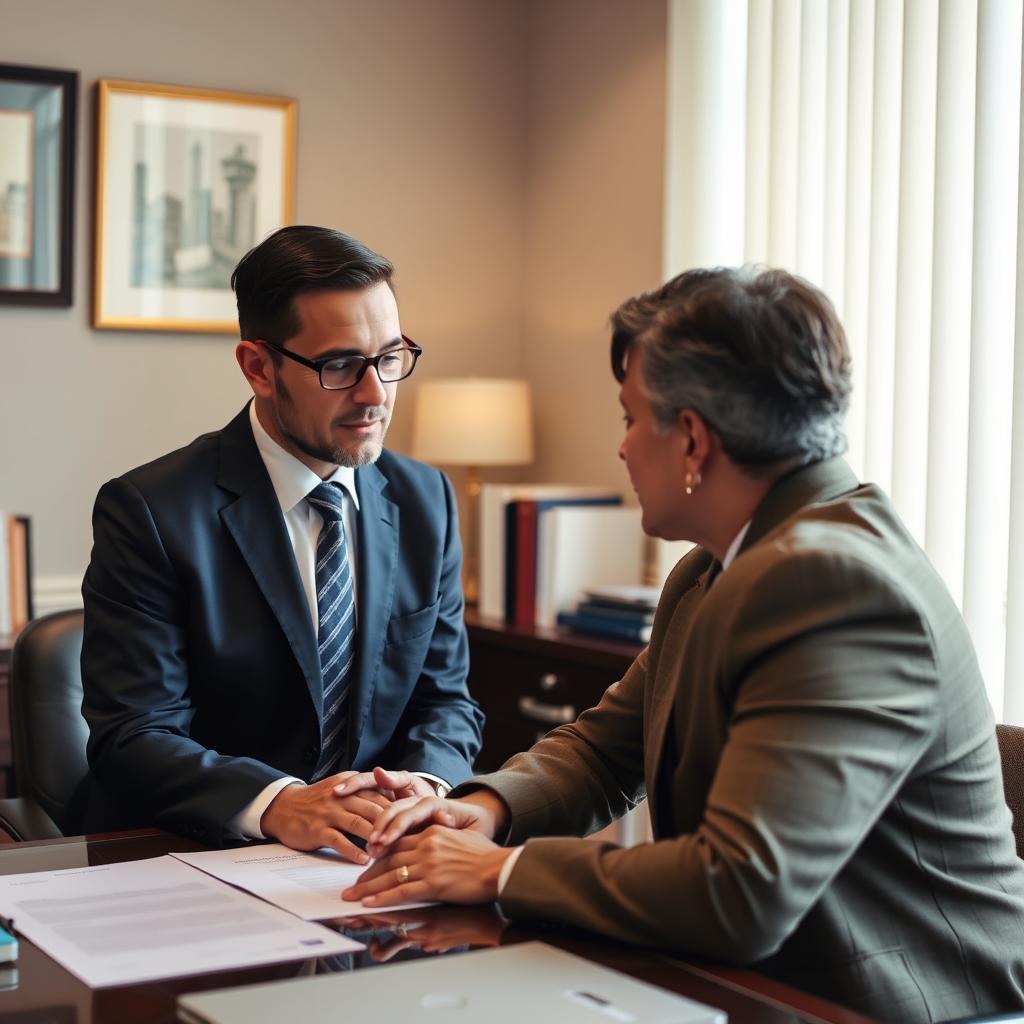
Spouse Visa Lawyer Stafford County, VA
For families in Stafford County, Virginia, the path to bringing a spouse to the United States runs through a federal immigration system with specific requirements, evolving policies, and significant paperwork. Whether you are a U.S. Citizen filing an immediate relative petition (Form I-130) for an IR-1 or CR-1 visa, or a lawful permanent resident seeking to reunite with your spouse, the process demands careful attention to USCIS documentation, fee schedules, and interview preparation. Stafford County residents work with the USCIS Washington Field Office in Fairfax, the Arlington Immigration Court for removal proceedings, and, in some cases, the National Visa Center for consular processing abroad. A spouse visa lawyer in Stafford County can guide you through each step, helping to avoid the delays and denials that arise from incomplete filings or overlooked procedural requirements. Law Offices Of SRIS, P.C., founded in 1997, represents clients throughout Virginia from our Fairfax location (by appointment). To schedule a consultation, call (888) 437-7747. Law Offices Of SRIS, P.C. – Advocacy Without Borders.
What Spouse Visa Means in Stafford County
Spouse visa matters are governed by federal law, but the local context in Stafford County matters. Most affirmative applications—green card adjustments, naturalization, and work permits—are processed at the USCIS Washington District Office at 2675 Prosperity Avenue in Fairfax. If a case involves removal proceedings, it is heard at the Arlington Immigration Court, 1901 South Bell Street. Stafford County’s proximity to these federal venues means residents can access in-person services more easily than those in more remote parts of Virginia, but the same proximity also heightens the consequences of missteps. An attorney who understands the local immigration court’s practices, the preferences of USCIS officers at the Washington Field Office, and how Stafford County’s state-court docket may interact with immigration status can help safeguard your spouse’s path to lawful permanent residence.
Stafford County is part of the 15th Judicial District of Virginia, with the Stafford County General District Court and Circuit Court located at 1300 Courthouse Road. While those courts handle state matters, a spouse visa case may intersect with them if, for example, a pending criminal charge or a past conviction could affect admissibility. The immigration consequences of state-court proceedings are often overlooked by those who practice exclusively in one system. Law Offices Of SRIS, P.C. is experienced in both federal immigration law and Virginia state practice, allowing the firm to evaluate how a Stafford County court outcome may influence an I-130 petition, an I-485 adjustment application, or a consular visa interview.
How Mr. Sris and His Of Counsel Handle Spouse Visa Cases
Spouse visa cases involve multiple government agencies, strict deadlines, and detailed supporting documentation. The firm begins with a thorough consultation to identify the correct immigration pathway: an immediate relative petition for a spouse of a U.S. Citizen, a family-based preference petition for a spouse of a lawful permanent resident, or, in limited circumstances, a K-3 nonimmigrant visa. After determining eligibility, the legal team gathers the required evidence—marriage certificates, proof of a bona fide relationship, financial documentation, and prior immigration history—and prepares and files the petition with USCIS or the appropriate consular post.
Once the petition is pending, the firm monitors case status, responds to requests for evidence, and prepares clients and their spouses for interviews. If USCIS denies the petition, the team evaluates whether to file a motion to reopen or reconsider, or to pursue an appeal. In removal defense contexts, Mr. Sris and his Of Counsel appear at the Arlington Immigration Court to assert the spouse’s right to remain in the United States while a petition is adjudicated. Throughout the process, the firm works to identify risks—such as past immigration violations or criminal history—before they become obstacles, and to structure the application to present the strong case under the Immigration and Nationality Act.
About Mr. Sris and the Firm’s Of Counsel Attorneys
Mr. Sris, Owner and Founder of Law Offices Of SRIS, P.C., has concentrated his practice on immigration law since the firm was founded in 1997. A former prosecutor with experience in trial work, Mr. Sris applies a strategic, detail-oriented approach to each spouse visa case, drawing on decades of experience navigating federal immigration agencies and the immigration court system. Mr. Sris testified before the Virginia House Courts of Justice Committee in support of 2019 HB 635 (chief patron Del. David Bulova), demonstrating his long-standing commitment to Virginia law and his ability to engage with complex legal frameworks. The firm’s Of Counsel attorneys bring additional depth in criminal defense, agency procedures, and family-based immigration, and, together with Mr. Sris, they assist clients in spouse visa and related immigration matters. Mr. Sris and his Of Counsel bring extensive combined legal experience. Results may vary.
Frequently Asked Questions
What is a spouse visa and who qualifies?
A spouse visa allows the husband or wife of a U.S. Citizen or lawful permanent resident to enter the United States and live as a permanent resident. The two main paths are an immigrant visa (IR-1 or CR-1) processed through consular processing abroad, and adjustment of status (Form I-485) for a spouse already in the United States. Eligibility requires a legally valid marriage, proof the marriage is genuine and not solely for immigration purposes, and that the petitioning spouse meets income requirements. U.S. Citizens may also petition for a K-3 nonimmigrant visa as a shorter-term alternative while the immigrant visa is pending.
How does the spouse visa process work in Virginia?
The process starts with the U.S. Citizen or permanent resident filing Form I-130 with USCIS; after approval, the case moves to the National Visa Center if the spouse is abroad, or to adjustment of status if the spouse is already in the United States. For Stafford County residents, USCIS processing occurs at the Washington Field Office in Fairfax, and any interviews or appointments are scheduled there. If the spouse is overseas, the consular interview occurs at the U.S. Embassy or consulate in the home country. Throughout the process, the couple must submit biometric data, undergo a medical examination, and provide extensive supporting documents demonstrating the bona fides of the marriage.
What documents are needed for a spouse visa petition?
A complete spouse visa petition requires proof of the petitioner’s U.S. Citizenship or permanent resident status, a valid marriage certificate, evidence of termination of any prior marriages, and documentation showing that the marriage is genuine. Typical evidence includes joint bank account statements, lease agreements, photographs, affidavits from family and friends, and correspondence between the spouses. USCIS may also request additional documentation through a Request for Evidence. Organizing these materials thoroughly from the start can significantly reduce processing delays. An attorney can help compile the right evidence and anticipate what the adjudicating officer will examine closely.
How long does it take to get a spouse visa?
Processing times for spouse visas vary depending on the type of petition, USCIS workload, and whether the spouse is inside or outside the United States. Cases that require consular processing often involve additional steps at the National Visa Center and the U.S. Embassy abroad, extending the overall timeline. Unexpected delays can arise from missing documents, background checks, or requests for evidence. While USCIS provides general processing time estimates, each case is unique, and planning for some flexibility is prudent. An experienced immigration lawyer can help keep the case on track by ensuring all filings are accurate and complete from the beginning.
Can a prior criminal conviction affect a spouse visa application?
A criminal conviction can affect a spouse visa application, particularly if the offense involves a crime involving moral turpitude, an aggravated felony, or drug-related conduct. Immigration law imposes specific grounds of inadmissibility that may require a waiver. The impact depends on the nature of the conviction, the sentence imposed, and when it occurred. Before filing the I-130 petition, it is critical to evaluate any criminal history—whether from a Virginia court like the Stafford County General District Court or elsewhere—to determine whether a waiver of inadmissibility is needed and whether the spouse is likely to overcome the inadmissibility finding. Failure to disclose a conviction can result in a denial or, in more serious cases, a bar from future immigration benefits.
Do I need a lawyer for a spouse visa in Stafford County?
You are not legally required to hire a lawyer to apply for a spouse visa, but legal representation can help avoid costly mistakes and identify issues before they become problems. USCIS regulations permit self-representation, yet the complexity of the law and the administrative process means that many couples benefit from professional guidance. An attorney can ensure the petition is properly documented, respond to USCIS inquiries, and prepare the couple for the interview. If issues like prior immigration violations, criminal history, or complex financial circumstances are present, the risk of denial increases significantly without experienced counsel. To discuss your specific situation, reach Law Offices Of SRIS, P.C. at (888) 437-7747.
Related pages: Immigration lawyer Fairfax County · Prince William County immigration attorney · Fauquier County immigration lawyer · Loudoun County immigration law office · Arlington County immigration representation
Official resources: Virginia Judicial System · Virginia Legislative Information System
Attorney advertising. Prior results do not guarantee a similar outcome. Case results depend on a variety of factors unique to each case. Results may vary.