
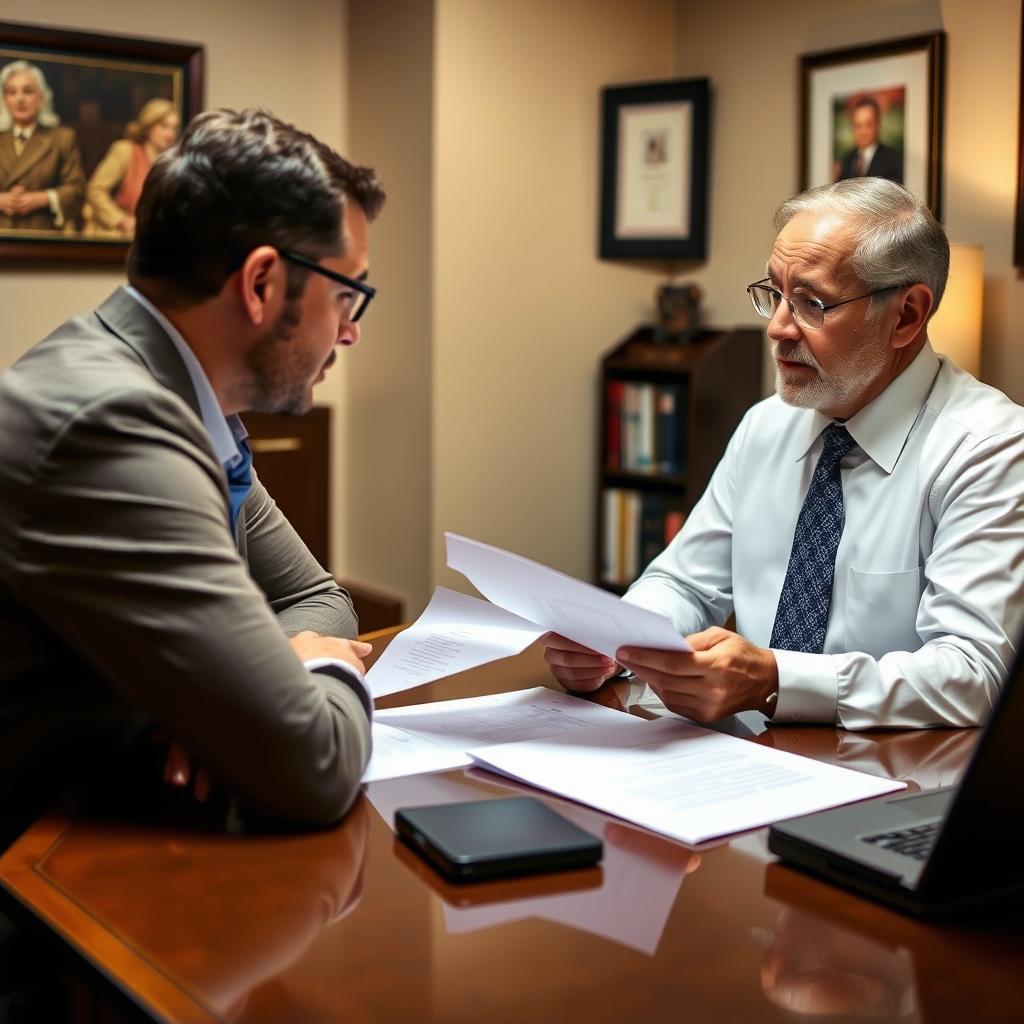
Spouse Visa Lawyer Fauquier County
You need a Spouse Visa Lawyer Fauquier County to handle the complex federal immigration process for your marriage-based petition. Law Offices Of SRIS, P.C. —Advocacy Without Borders. provides direct legal representation for I-130 petitions and adjustment of status applications in Fauquier County. We manage the evidence requirements and procedural deadlines with the U.S. Citizenship and Immigration Services. (Confirmed by SRIS, P.C.)
Statutory Definition and Immigration Basis
The legal basis for a spouse visa is the Immigration and Nationality Act (INA) § 201(b)(2)(A)(i) and § 203(a)(2) — Immediate Relative Classification — No numerical limit. This statute grants U.S. citizens the right to petition for a foreign-born spouse to obtain a green card. The process is governed by federal law, not Virginia state code. The petition proves a bona fide marriage exists. It is the first critical step toward lawful permanent residence.
The INA defines an immediate relative as the spouse of a U.S. citizen. This category is not subject to annual visa quotas. This allows for faster processing compared to family preference categories. The petitioning U.S. citizen spouse is the sponsor. They must prove they can financially support the immigrant spouse. This is done through an Affidavit of Support under INA § 213A. The entire process is administered by U.S. Citizenship and Immigration Services (USCIS).
Success depends on proving the marriage is legitimate. USCIS scrutinizes petitions to prevent marriage fraud. Evidence must be thorough and convincing. A Spouse Visa Lawyer Fauquier County knows what evidence USCIS expects. They build a strong case from the start. This avoids requests for evidence (RFEs) that cause delays. The legal standard is “preponderance of the evidence.” This means it is more likely than not that the marriage is real.
What is the I-130 Petition for Alien Relative?
The I-130 Petition for Alien Relative is the foundational form to establish the qualifying family relationship. This form is filed by the U.S. citizen spouse with USCIS. Its approval is a prerequisite for the foreign spouse to apply for a green card. The form requires detailed biographical information for both spouses. It must be accompanied by primary evidence of the marriage certificate and proof of the petitioner’s U.S. citizenship.
What is the Difference Between CR-1 and IR-1 Visas?
CR-1 visas are for spouses married less than two years at the time of entry, granting conditional permanent residence. IR-1 visas are for spouses married two years or more, granting immediate, unconditional permanent residence. The conditional status under a CR-1 visa requires filing a joint petition to remove conditions within the 90-day window before the second anniversary of receiving the green card. Failure to file this petition can result in the termination of status and removal proceedings.
What is the Role of the National Visa Center (NVC)?
The National Visa Center manages all approved immigrant visa petitions after USCIS and before the consular interview. The NVC creates a case file, collects fees, and processes the DS-260 immigrant visa application and supporting civil documents. They schedule the final interview at the U.S. embassy or consulate in the beneficiary’s home country. All communication shifts from USCIS to the NVC at this stage. Timely response to NVC correspondence is critical to avoid case closure. Learn more about Virginia legal services.
The Insider Procedural Edge in Fauquier County
While immigration is federal, your local Fauquier County circumstances directly impact your case evidence and affidavit of support. Procedural specifics for Fauquier County are reviewed during a Consultation by appointment at our Virginia Location. The local circuit court can be a source for certified marriage certificates or name change documents if needed. Having legal counsel familiar with local document sources simplifies evidence gathering.
USCIS processing times are uniform, but local life provides the evidence. A marriage in Fauquier County creates local records. Joint bank accounts with local branches, leases on county property, and local utility bills are strong evidence. A Spouse Visa Lawyer Fauquier County understands how to document a life built here. They know how to present Fauquier County-specific evidence to USCIS. This localizes an otherwise federal process.
The financial sponsorship requirement is assessed against local cost-of-living standards. The poverty guidelines are federal, but USCIS officers consider local context. Demonstrating stable income and assets within the community strengthens the affidavit of support. Employment with a Fauquier County business is a positive factor. Counsel can help structure financial evidence to meet requirements. This addresses potential concerns about public charge inadmissibility.
Where Do You File the Initial I-130 Petition?
You file the I-130 petition by mail to the USCIS Chicago Lockbox facility or online via the USCIS portal. The filing address is determined by your place of residence and the petition type. For a U.S. citizen petitioner living in Virginia, the petition is typically mailed to a specific P.O. Box in Chicago, Illinois. The current filing fee must be paid online or by money order. Filing incorrectly can lead to rejection and delays.
What is the Typical Timeline for a Spouse Visa?
The typical timeline for a spouse visa from filing to interview ranges from 12 to 24 months, depending on USCIS backlogs and the beneficiary’s country. The process involves multiple stages: USCIS petition approval, National Visa Center processing, and the consular interview. Each stage has its own waiting period. Cases involving requests for evidence or administrative processing can take longer. An attorney manages expectations and monitors case progress. Learn more about criminal defense representation.
What are the Government Filing Fees?
The current government filing fee for Form I-130 is $675, and the immigrant visa application processing fee is $325. Additional costs include the USCIS Immigrant Fee of $220 for the green card production and the medical examination fee, which varies by country. These fees are non-refundable even if the application is denied. Fee waivers are extremely limited for family-based petitions. Budgeting for these costs is part of case planning.
Penalties & Defense Strategies for Visa Issues
The most common penalty for a deficient spouse visa application is a denial, resulting in lost fees, time, and potential separation. A denial triggers a right to appeal or, in some cases, the option to file a motion to reopen or reconsider. For individuals already in the U.S., a denial of adjustment of status could lead to the initiation of removal proceedings. The stakes are high, making precise preparation non-negotiable.
| Issue | Consequence | Notes |
|---|---|---|
| Application Denial | Loss of filing fees ($1,000+), processing delay of 6+ months. | Requires re-filing or appeal; time apart from spouse continues. |
| Finding of Marriage Fraud | Permanent bar from any U.S. immigration benefit; possible criminal prosecution. | Under INA § 204(c); applies to both spouses. |
| Inadmissibility Due to Past Violations | Denial; potential permanent bar if prior unlawful presence exceeds 1 year. | Triggers 3-year or 10-year bar under INA § 212(a)(9)(B). |
| Failure to Remove Conditions (CR-1) | Termination of status; placement in removal proceedings. | Conditional resident status expires; must file I-751 petition on time. |
[Insider Insight] USCIS adjudicators are trained to identify inconsistencies indicative of fraud. In Fauquier County, where community ties are visible, a petition lacking local evidence—like joint membership in a local organization or photos at local landmarks—may be scrutinized more heavily. Proactively addressing potential “red flags,” such as a large age difference or brief courtship, with overwhelming affirmative evidence of a shared life in the county is a key defense strategy. An attorney anticipates these concerns.
How Do You Defend Against Marriage Fraud Allegations?
You defend against marriage fraud allegations by submitting a voluminous, chronological record of co-mingled finances and shared life. Evidence includes joint tax returns, leases or deeds, joint bank account statements, insurance policies, affidavits from Fauquier County friends, and photos spanning the relationship. The evidence must tell a consistent story of a genuine partnership. An attorney organizes this evidence into a compelling narrative for USCIS.
What if a Spouse Has a Prior Immigration or Criminal Issue?
If a spouse has a prior issue, a waiver of inadmissibility may be required, which is a separate, complex application with a high standard of proof. Common waivers include the I-601 waiver for unlawful presence or fraud and the I-212 waiver for prior deportation. Approval requires demonstrating extreme hardship to the U.S. citizen spouse. These waivers are discretionary and legally complex. Legal representation is critical for any case involving a waiver. Learn more about DUI defense services.
What Happens After a Visa Denial at the Consulate?
After a consular denial, the case is returned to USCIS with a recommendation to revoke the petition, or the applicant may be eligible to reapply after addressing the deficiency. The consular officer’s decision is typically final and cannot be appealed in court. However, the petitioner can sometimes file a new I-130 petition with additional evidence. The path forward depends on the specific ground of refusal. Immediate legal analysis is necessary.
Why Hire SRIS, P.C. for Your Spouse Visa in Fauquier County
SRIS, P.C. provides focused immigration advocacy with an understanding of how Fauquier County life supports a visa petition. Our team handles the detailed documentation and legal arguments required by USCIS and the NVC. We prepare clients for interviews and respond swiftly to requests for evidence. Our approach is direct and strategic. We aim to secure your family’s future together in Virginia.
Our attorneys bring specific experience in family-based immigration law. We manage the full case lifecycle from the initial I-130 petition through to the green card approval. We identify potential issues early, such as past immigration violations or criminal records, and develop strategies to address them. We communicate clearly about timelines and requirements. Our goal is a smooth, successful process for families in Fauquier County.
Choosing a Spouse Visa Lawyer Fauquier County residents can consult with locally means having an advocate who understands the federal process and the local context. Evidence of your life in Fauquier County is crucial. We help you compile that evidence effectively. We also provide representation if complications arise, such as requests for evidence or notices of intent to deny. Our firm is committed to advocacy without borders for your family.
Localized FAQs for Spouse Visas in Fauquier County
Can I file for a spouse visa if I live in Fauquier County but my spouse is here on a tourist visa?
Yes, but strict rules apply. If your spouse entered with a tourist visa and you now plan to stay, you may file for adjustment of status. You must prove the initial intent was not to immigrate. Consult an attorney immediately to assess your specific timing and circumstances. A misstep can lead to a finding of fraud. Learn more about our experienced legal team.
How long does it take to get a work permit while the spouse visa is processing?
When filing for adjustment of status, you can concurrently apply for a work permit (EAD). Current USCIS processing times for the EAD are approximately 6-9 months after filing. The permit is valid while the green card application is pending. It allows your spouse to work legally in Fauquier County during the wait.
What evidence proves a bona fide marriage for USCIS in Fauquier County?
Strong evidence includes a joint lease or mortgage in Fauquier County, joint bank accounts at a local bank, utility bills in both names, joint tax returns, photos together at local venues, and affidavits from county residents who know your marriage. The evidence should span the entire relationship chronologically.
What if my income in Fauquier County doesn’t meet the poverty guidelines for sponsorship?
You can use a joint sponsor who does meet the income requirements. The joint sponsor must be a U.S. citizen or permanent resident. You can also use assets to supplement income. The assets must be liquid and worth three times the income shortfall. An attorney can help structure this financial evidence.
Where is the nearest USCIS Location for a biometrics appointment?
The nearest USCIS Application Support Center for biometrics is typically in Fairfax, Virginia. You will receive a notice with the exact address and time after filing your application. You must attend this appointment. Failure to attend can result in denial of your application.
Proximity, CTA & Disclaimer
SRIS, P.C. serves clients in Fauquier County and across Virginia. While immigration is a federal practice, having counsel that understands your local community is an advantage. Our Virginia Location is accessible for consultations to discuss your spouse visa case. We analyze your situation, explain the process, and outline a clear strategy.
Consultation by appointment. Call 888-437-7747. 24/7.
Law Offices Of SRIS, P.C.
Advocacy Without Borders.
Phone: 888-437-7747
Past results do not predict future outcomes.