
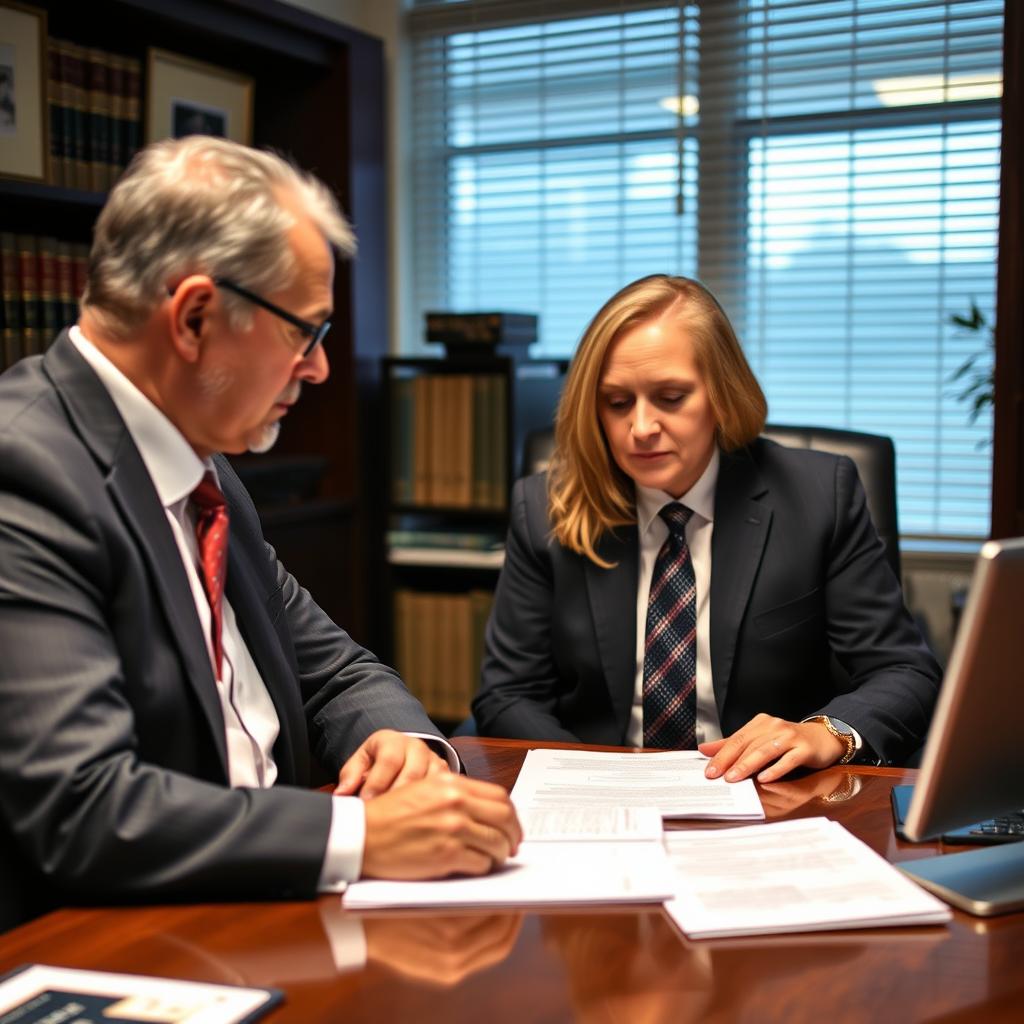
Spouse Visa Lawyer Culpeper County
You need a Spouse Visa Lawyer Culpeper County to handle the complex immigration process for your spouse. Law Offices Of SRIS, P.C. —Advocacy Without Borders. can manage the I-130 petition and consular processing required in Culpeper County, Virginia. Our team understands the specific evidence needed to prove a bona fide marriage to USCIS and the State Department. (Confirmed by SRIS, P.C.)
Statutory Definition and Immigration Framework
The legal basis for a spouse visa is the Immigration and Nationality Act (INA) § 201(b)(2)(A)(i) and § 203(a)(2) — Family-Sponsored Preference — Immediate Relative Status for a spouse of a U.S. citizen. For a U.S. citizen petitioner in Culpeper County, the process begins by filing Form I-130, Petition for Alien Relative, with U.S. Citizenship and Immigration Services (USCIS). This petition establishes the qualifying relationship. Approval does not grant immigration status; it simply makes the foreign spouse eligible to apply for an immigrant visa or adjustment of status. The INA is federal law, so the procedures are uniform, but local preparation of evidence in Culpeper County is critical.
The entire spouse visa process is governed by federal statutes and regulations, not Virginia state law. The key distinction is between an immediate relative visa for a U.S. citizen’s spouse, which has no annual limit, and a family preference visa for a lawful permanent resident’s spouse, which is subject to numerical quotas and waiting periods. The process involves multiple federal agencies: USCIS, the National Visa Center (NVC), and the U.S. Department of State. A Spouse Visa Lawyer Culpeper County handles this multi-agency pathway. The goal is to secure a CR-1 (conditional resident) or IR-1 (immediate relative) immigrant visa for entry into the United States.
What is the difference between a K-3 visa and a CR-1/IR-1 visa?
The K-3 nonimmigrant visa is largely obsolete and rarely processed faster than the immigrant visa. The CR-1/IR-1 immigrant visa is the standard path for a spouse living abroad. The CR-1 is issued if the marriage is less than two years old at entry, granting conditional permanent residence. The IR-1 is issued for marriages over two years, granting immediate permanent residence. A marriage visa petition lawyer Culpeper County will almost always advise pursuing the direct immigrant visa route over the K-3.
What constitutes a “bona fide marriage” for immigration purposes?
USCIS requires proof the marriage was entered into in good faith, not solely for immigration benefits. Evidence from Culpeper County includes joint leases or mortgages, joint bank accounts, shared utility bills, insurance policies listing both spouses, photographs together over time, affidavits from friends and family, and evidence of commingled finances. A spousal immigration lawyer Culpeper County organizes this evidence to create a compelling narrative of a real, ongoing marital union.
How does a previous immigration violation affect a spouse visa case?
Previous violations like unlawful presence, visa fraud, or misrepresentation can trigger grounds of inadmissibility. These require a waiver, such as Form I-601 or I-601A, which demands proof of extreme hardship to the U.S. citizen spouse. Waiver strategies are complex and require precise legal argument. This is a critical area where experienced criminal defense representation intersecting with immigration law is vital.
The Insider Procedural Edge in Culpeper County
While immigration is federal, local evidence gathering and client preparation in Culpeper County directly impact case success. Procedural specifics for Culpeper County are reviewed during a Consultation by appointment at our Culpeper County Location. The physical filing address for Form I-130 depends on the petitioner’s location and is typically a USCIS lockbox in Texas, Arizona, or Illinois. However, all supporting documentation proving the marital relationship originates from life in Culpeper County. Local knowledge is key for assembling this evidence.
After USCIS approves the I-130 petition, the case moves to the National Visa Center for fee payment and document collection. Following NVC processing, the case is forwarded to the U.S. Embassy or Consulate in the foreign spouse’s home country for an interview. The entire timeline from filing to interview can range from 12 to 24 months or longer, depending on visa category and consulate backlogs. A marriage visa petition lawyer Culpeper County manages this timeline and prepares the client for the consular interview, which is the final and most critical step.
What is the typical processing timeline for a spouse visa from Culpeper County?
The current USCIS processing time for an I-130 petition for a U.S. citizen’s spouse is approximately 10-15 months. National Visa Center processing adds 2-4 months. The wait for a consular interview varies greatly by country, often adding several more months. Total processing often exceeds 18 months. A Spouse Visa Lawyer Culpeper County monitors these phases and addresses requests for evidence promptly to prevent additional delays.
Where does the medical examination for the visa occur?
The immigration medical exam must be performed by a USCIS-designated civil surgeon in the United States if adjusting status, or by a panel physician authorized by the U.S. embassy abroad if undergoing consular processing. The exam cannot be done by a family doctor in Culpeper County. A spousal immigration lawyer Culpeper County provides the list of authorized physicians and prepares clients for this required step.
Penalties, Denials, and Defense Strategies
The most severe penalty for a spouse visa case is a permanent denial with a finding of fraud, leading to a lifetime bar from the U.S. A denied petition or visa application creates significant delays and legal hurdles. The table below outlines common negative outcomes.
| Issue | Consequence | Notes |
|---|---|---|
| I-130 Petition Denial | Case termination; must refile or appeal. | Often due to insufficient evidence of bona fide marriage or failure to establish legal termination of prior marriages. |
| Visa Denial at Consulate | Application refused; must overcome inadmissibility. | Common grounds: misrepresentation, criminal history, public charge, or insufficient ties. |
| Finding of Fraud or Misrepresentation | Permanent ineligibility (INA § 212(a)(6)(C)(i)). | Requires an I-601 waiver proving extreme hardship to a qualifying relative. |
| Request for Evidence (RFE) or Notice of Intent to Deny (NOID) | Stops the clock; failure to respond adequately results in denial. | Deadlines are strict, typically 30-90 days. |
[Insider Insight] Consular officers have broad discretion and focus intensely on the bona fides of the marriage. They look for inconsistencies in the couple’s story, lack of commingled lives, and marriages following very short courtships. Preparing a cohesive evidence packet and conducting rigorous interview preparation is the primary defense against a denial.
What happens if my spouse has a criminal record?
Criminal convictions can make a foreign spouse inadmissible. Crimes involving moral turpitude, drug offenses, and aggravated felonies are particularly problematic. Some require a waiver; others may render the spouse permanently barred. A thorough analysis of the foreign criminal statute and the U.S. equivalent is necessary. This often requires collaboration with DUI defense in Virginia and other criminal law focused practitioners within a firm.
Can we adjust status if my spouse entered the U.S. illegally?
If the foreign spouse entered the United States without inspection (EWI), they generally cannot adjust status inside the country. They must usually depart and process through consular processing, which may trigger a 3-year or 10-year bar for unlawful presence. An I-601A provisional unlawful presence waiver may be filed before departure to mitigate this risk. This is a high-stakes procedure requiring precise execution.
Why Hire SRIS, P.C. for Your Culpeper County Spouse Visa Case
SRIS, P.C. attorneys have direct experience handling the intersection of family law and federal immigration procedure. Our team includes former prosecutors and defense attorneys who understand how to present evidence and build a persuasive legal case. We apply this litigation experience to the administrative immigration process. For spouse visa cases, this means constructing an evidence package that anticipates and rebuts potential doubts about the marriage’s legitimacy.
Our lead attorney for family-based immigration cases is supported by a team with extensive litigation backgrounds. This experience is critical when responding to Requests for Evidence or preparing waiver applications that require narrative persuasion. We understand what adjudicators and consular officers need to see to approve a case.
We manage the entire process from the initial I-130 petition filed from Culpeper County through to the final consular interview. We prepare detailed interview guides and conduct practice sessions. Our goal is to ensure our clients are confident and consistent. We know the common pitfalls that lead to delays or denials. You need a legal team that handles the paperwork while you focus on your life in Culpeper County. Explore our experienced legal team to understand our approach.
Localized FAQs for Culpeper County Spouse Visas
How long does a spouse visa take for someone in Culpeper County?
The total process typically takes 18 to 24 months from filing the I-130 petition to the visa interview. USCIS processing is the longest phase. Consular interview wait times vary by the foreign spouse’s country.
What evidence of marriage is best from Culpeper County?
Provide joint leases or mortgage deeds for Culpeper County property, joint bank account statements from local banks, utility bills showing both names, and photos at local landmarks like the Culpeper National Cemetery or Mountain Run Lake Park.
Can I file the spouse visa petition myself?
You can file pro se, but errors on the forms or in the evidence package can cause denials or multi-year delays. Legal guidance ensures the petition meets all regulatory requirements and presents the strongest case.
What if my spouse is already in the U.S. with me in Culpeper?
If they entered legally, they may adjust status by filing Form I-485 with USCIS without leaving. If they entered without inspection, consular processing is usually required, which is more complex.
How much does it cost to hire a spouse visa lawyer?
Legal fees vary based on case complexity. Government filing fees are separate and total over $1,500. A Consultation by appointment provides a clear cost structure for your specific Culpeper County case.
Proximity, Contact, and Critical Disclaimer
Our Culpeper County Location serves clients throughout the region. We are accessible for meetings to prepare your spouse visa petition and evidence. The success of your case depends on the quality of your application and the strength of your evidence. Do not leave this to chance. Consultation by appointment. Call 24/7. Contact SRIS, P.C. to discuss your spouse’s immigration path. Our phone number is (703) 273-5505. Our legal team is ready to assist with your family’s immigration matters.
Past results do not predict future outcomes.