
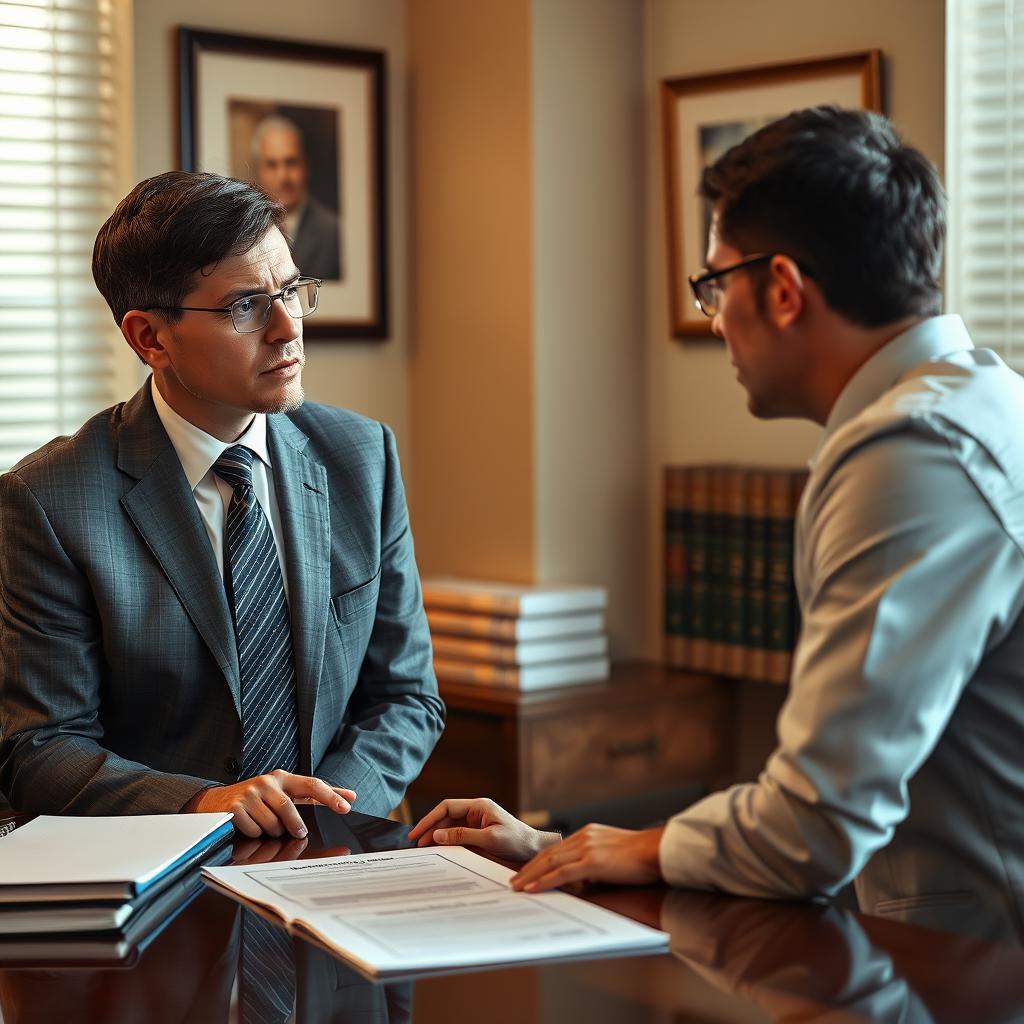
Spouse Visa Lawyer Culpeper County, VA
For families in Culpeper County, Virginia, bringing a spouse from another country to the United States is a process governed by the Immigration and Nationality Act and administered by U.S. Citizenship and Immigration Services. The spouse visa pathway—whether an IR1/CR1 immigrant visa for a spouse living abroad or an adjustment of status for a spouse already in the United States—requires careful preparation of the I-130 Petition for Alien Relative, supporting evidence of a bona fide marriage, and navigation of consular processing or USCIS interview procedures. Culpeper County residents file affirmative applications at the USCIS Washington District Office in Fairfax, and any removal proceedings are heard at the Arlington Immigration Court. Law Offices Of SRIS, P.C., practicing since 1997, provides representation to clients in Culpeper County and throughout Virginia. Mr. Sris and the firm’s Of Counsel attorneys assist with family-based petitions, consular processing, and related immigration matters. To request a consultation, call (888) 437-7747. Law Offices Of SRIS, P.C. – Advocacy Without Borders.
What a Spouse Visa Means for Culpeper County Residents
A spouse visa permits the foreign-national spouse of a United States citizen or lawful permanent resident to enter the United States and, in most cases, obtain lawful permanent resident status. For U.S. Citizens petitioning for a spouse, the process typically begins with Form I-130, which establishes the qualifying family relationship. Once USCIS approves the petition, the foreign spouse may apply for an immigrant visa at a U.S. Consulate abroad or, if already lawfully present in the United States, may file Form I-485 to adjust status without leaving the country.
Culpeper County, situated in Virginia’s Piedmont region between Northern Virginia and Charlottesville, falls within the jurisdiction of the USCIS Washington District Office at 2675 Prosperity Avenue in Fairfax. Affirmative applications—including family petitions, adjustment of status, and naturalization—are processed through that office. If a case involves removal proceedings, those matters are heard at the Arlington Immigration Court on South Bell Street. Understanding where and how your case will be processed is a foundational step, and counsel familiar with both the USCIS and Executive Office for Immigration Review procedures can help you prepare for each stage.
The spouse visa category includes the IR1 visa for spouses married more than two years at the time of admission, the CR1 conditional visa for marriages of shorter duration, and the K-3 nonimmigrant visa, which was designed to shorten the separation period for spouses awaiting I-130 adjudication. In practice, the K-3 pathway is rarely used today because USCIS now adjudicates I-130 petitions more efficiently. An experienced immigration attorney can evaluate which route fits your circumstances and timeline.
How Mr. Sris and the Firm’s Of Counsel Attorneys Handle Spouse Visa Cases
Every spouse visa case begins with a thorough review of the marriage relationship. USCIS officers scrutinize petitions for indicia of a bona fide marriage, including joint financial accounts, cohabitation evidence, photographs, correspondence, and affidavits from family and friends. Mr. Sris and the firm’s Of Counsel attorneys work with clients to identify and organize the documentation that best demonstrates the authenticity of the marriage, anticipating the types of questions that arise at the interview stage.
After the I-130 petition is prepared and filed, the next steps depend on whether the spouse is inside or outside the United States. For spouses abroad, the case proceeds through the National Visa Center and a U.S. Consulate in the spouse’s home country, where the spouse undergoes a medical examination and attends an in-person visa interview. For spouses already in the United States, the adjustment-of-status process allows concurrent filing of the I-130 and I-485 in many cases, along with applications for employment authorization and advance parole. The firm’s attorneys guide clients through each document, deadline, and interview-preparation step so that the process moves forward as smoothly as possible.
When USCIS issues a Request for Evidence or a Notice of Intent to Deny, prompt and well-prepared responses are essential. Mr. Sris and the firm’s Of Counsel attorneys have experience responding to agency requests and presenting additional evidence that addresses the officer’s specific concerns. If an application is denied, the firm evaluates whether a motion to reopen, a motion to reconsider, or an appeal to the Administrative Appeals Office or the Board of Immigration Appeals is the appropriate next step. Immigration timelines depend on USCIS processing volumes and case complexity, and each matter follows its own schedule.
About Mr. Sris and the Firm’s Of Counsel Attorneys
Law Offices Of SRIS, P.C. was founded in 1997 by Mr. Sris, a former prosecutor who now concentrates his practice on immigration, criminal defense, and family law across Virginia, Maryland, the District of Columbia, New Jersey, and New York. Mr. Sris testified before the Virginia House Courts of Justice Committee in support of 2019 HB 635 (chief patron Del. David Bulova). His multi-state practice and familiarity with federal immigration procedures provide a broad perspective on how immigration matters intersect with other areas of law, including family law and criminal defense.
The firm’s Of Counsel attorneys bring experience from diverse professional backgrounds. Their collective work supports the preparation of family-based petitions, adjustment-of-status applications, consular processing documents, and removal-defense strategies. The firm serves Culpeper County from its Fairfax location, and consultations are available by appointment. To discuss your spouse visa matter with Mr. Sris or the firm’s Of Counsel attorneys, call (888) 437-7747. Staff members who speak Spanish and Tamil are available. Results may vary.
Frequently Asked Questions
What is the difference between a K-3 visa and an IR1/CR1 spouse visa?
The K-3 visa is a nonimmigrant visa that allows the spouse of a U.S. Citizen to enter the United States while the I-130 petition is pending. The IR1 and CR1 visas, by contrast, are immigrant visas issued after the I-130 is approved. In practice, USCIS now processes I-130 petitions efficiently enough that K-3 visas are rarely issued—the agency often administratively closes the K-3 when the I-130 reaches adjudication. Most spouse visa cases today proceed directly through the IR1 or CR1 pathway. An experienced immigration attorney can advise on whether a K-3 filing provides any procedural advantage in your particular circumstances. For guidance on your specific situation, reach Law Offices Of SRIS, P.C. at (888) 437-7747.
How long does the spouse visa process take for Culpeper County residents?
USCIS processing times for the I-130 petition and subsequent consular processing or adjustment of status vary based on caseloads at the service center and the applicable visa category. Immediate relatives of U.S. Citizens—including spouses—are not subject to annual numerical limits, so visas are available as soon as the petition is approved and processing is complete. Applicants filing from abroad may experience additional time for National Visa Center processing and consular interview scheduling. The timeline in any individual case depends on the specific USCIS office handling the file, whether a Request for Evidence is issued, and the completeness of the initial submission. To discuss the details of your matter, contact Law Offices Of SRIS, P.C. at (888) 437-7747.
What happens if USCIS denies my spouse visa petition?
If USCIS denies a spouse visa petition, the petitioner generally has the right to file an administrative appeal or a motion to reopen or reconsider, depending on the basis for the denial. The denial notice explains the specific reasons and the available review options. Common grounds for denial include insufficient evidence of a bona fide marriage, ineligibility findings related to prior immigration violations, or failure to respond to a Request for Evidence. Mr. Sris and the firm’s Of Counsel attorneys review denial notices, assess whether the decision can be challenged, and prepare the appropriate motion or appeal. Removal proceedings initiated after a denial are heard at the Arlington Immigration Court. For a consultation, reach Mr. Sris and the firm’s Of Counsel attorneys at (888) 437-7747.
Do I need a lawyer for a spouse visa application in Culpeper County?
There is no legal requirement to retain a lawyer for a spouse visa application, but the I-130 petition process involves detailed evidentiary requirements and legal standards that benefit from experienced guidance. USCIS officers evaluate whether the marriage is bona fide—entered in good faith and not solely for immigration purposes—and incomplete or poorly organized documentation can lead to delays, Requests for Evidence, or denials. If the foreign spouse has prior immigration violations, criminal history, or prior removal orders, the legal issues become more complex. An attorney familiar with USCIS procedures and the Immigration and Nationality Act can help identify potential issues before filing and prepare a complete petition package. To discuss your matter, reach Law Offices Of SRIS, P.C. at (888) 437-7747.
What immigration services are available for Culpeper County residents?
Law Offices Of SRIS, P.C. handles green cards, family petitions, naturalization, deportation defense, and work visas for clients in Culpeper County, Virginia. The firm assists with adjustment of status, consular processing, I-751 removal of conditions, hardship waivers, VAWA petitions for domestic violence victims, asylum applications, cancellation of removal, and appeals before the Board of Immigration Appeals. Affirmative applications for Culpeper County residents are processed at the USCIS Washington District Office in Fairfax; removal proceedings are heard at the Arlington Immigration Court. Consultation is by appointment. Call (888) 437-7747 to schedule.
What documents do I need for a spouse visa petition?
The I-130 petition requires proof of the petitioner’s U.S. Citizenship or lawful permanent resident status, proof of a valid marriage, and evidence that the marriage is bona fide. This typically includes the marriage certificate, divorce decrees from any prior marriages, birth certificates, passport-style photographs, and documentation of the couple’s shared life—joint bank account statements, lease or mortgage agreements, utility bills in both names, photographs spanning the relationship, travel itineraries from visits, and affidavits from individuals who know the couple. The specific documents depend on whether the spouse is inside or outside the United States and on the couple’s individual circumstances. An attorney can review what you have and identify any gaps before filing.
Related practice-area pages: Fairfax County | Prince William County | Manassas | Falls Church | Virginia Immigration Overview
Official resources: U.S. Citizenship and Immigration Services | Immigration and Nationality Act (8 U.S.C.) | Executive Office for Immigration Review
Attorney advertising. Prior results do not guarantee a similar outcome. Results may vary.
Case results depend on a variety of factors unique to each case.