
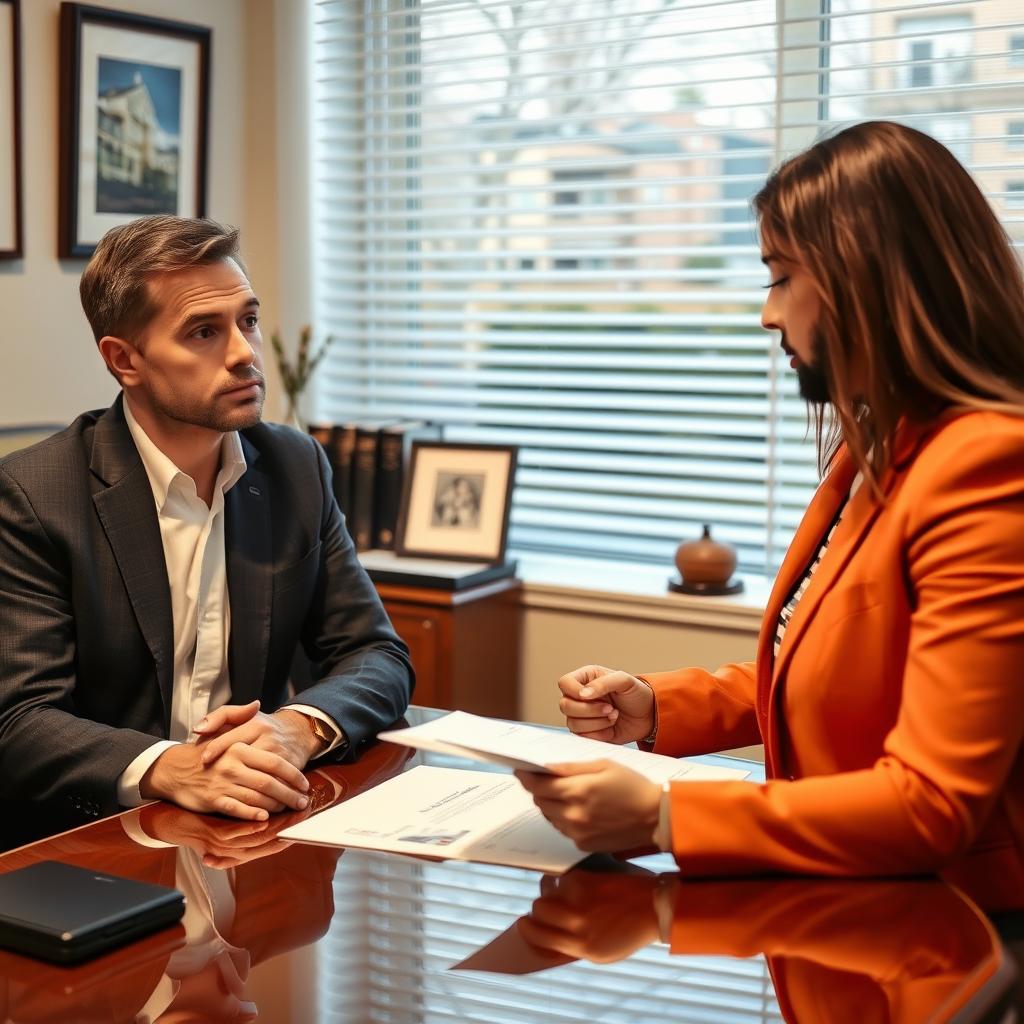
Spouse Visa Lawyer Chesapeake, VA
For a U.S. Citizen or lawful permanent resident living in Chesapeake, Virginia, bringing a spouse to the United States is a significant legal undertaking that requires careful preparation and compliance with federal immigration laws. The spouse visa process is governed by the Immigration and Nationality Act and is handled exclusively by U.S. Citizenship and Immigration Services (USCIS) and, for consular processing, the U.S. Department of State. Chesapeake residents typically file their petitions with the USCIS Washington District Office in Fairfax, and if removal proceedings arise, matters are heard at the Arlington Immigration Court. At Law Offices Of SRIS, P.C., the firm assists clients throughout Chesapeake, Deep Creek, Great Bridge, and Greenbrier with spouse-based immigration matters, working to ensure that petitions are properly documented and that clients understand each step of the process. To discuss your spouse visa options, reach Law Offices Of SRIS, P.C. at (888) 437-7747. Law Offices Of SRIS, P.C. – Advocacy Without Borders.
What a Spouse Visa Means for Chesapeake Residents
A spouse visa allows the husband or wife of a U.S. Citizen or lawful permanent resident to enter the United States and, in most cases, obtain lawful permanent residence (a green card). There are two primary pathways. An immigrant spouse visa (CR‑1 or IR‑1) grants permanent residence upon entry. A nonimmigrant K‑3 visa, though now rarely used, was designed to allow a spouse to enter the U.S. While the immigrant petition is pending. For Chesapeake residents, the process begins with the citizen or permanent‑resident spouse filing a Form I‑130, Petition for Alien Relative, which establishes the qualifying family relationship.
Because immigration is a matter of federal law, the location of the petitioner or beneficiary within Virginia does not change the substantive eligibility requirements. However, where a petition is adjudicated can affect processing logistics. Chesapeake‑area applicants interact with the USCIS Washington District Office at 2675 Prosperity Avenue in Fairfax for adjustment‑of‑status interviews and other in‑person proceedings. Removal proceedings, if they become necessary, are conducted at the Arlington Immigration Court on South Bell Street. The firm’s Richmond Location, at 7400 Beaufont Springs Drive, regularly serves Chesapeake families, and the firm’s attorneys are familiar both with the federal immigration framework and with the practical steps required for a Chesapeake‑based spouse visa case.
How Mr. Sris and the Firm’s Of Counsel Attorneys Handle Spouse Visa Cases
A spouse visa petition requires meticulous documentation. The firm works with clients to gather evidence of a bona fide marriage—joint financial records, lease agreements, photographs, affidavits from friends and family—and to present that evidence in a manner that addresses USCIS’s concerns about marriage fraud. The firm also reviews criminal or immigration history that could affect admissibility and prepares clients for consular interviews or adjustment‑of‑status interviews.
If a case turns complex—for example, when a prior removal order, a criminal conviction, or a finding of marriage fraud is involved—the firm’s attorneys evaluate waiver options, such as a hardship waiver or a fraud waiver, and represent clients in immigration court as needed. The firm does not guarantee a particular outcome; each case depends on its specific facts. The goal is to prepare a thorough, well‑supported petition and to advocate effectively throughout the adjudication process.
About Mr. Sris and the Firm’s Of Counsel Attorneys
Mr. Sris, Owner and Founder of Law Offices Of SRIS, P.C., established the firm in 1997. A former prosecutor, he has practiced in immigration, criminal defense, and family law for more than two decades. He is admitted to the bars of Virginia, Maryland, the District of Columbia, New Jersey, and New York. Mr. Sris testified before the Virginia House Courts of Justice Committee in support of 2019 HB 635 (chief patron Del. David Bulova).
The firm’s Of Counsel attorneys bring extensive collective experience to spouse visa matters, working alongside Mr. Sris to prepare petitions, respond to requests for evidence, and handle contested proceedings. Mr. Sris and the firm’s Of Counsel attorneys draw on extensive combined legal experience. Results may vary.
Frequently Asked Questions
What is a spouse visa, and who qualifies to apply?
A spouse visa allows the foreign‑national spouse of a U.S. Citizen or lawful permanent resident to enter the United States as a lawful permanent resident or, in limited cases, as a nonimmigrant. To qualify, the petitioner must be a U.S. Citizen or a lawful permanent resident, legally married to the beneficiary, and must demonstrate the ability to support the spouse at a level above the federal poverty guidelines. The marriage must be legally valid where it was celebrated and genuine, not entered into solely for immigration benefits.
How do I start the spouse visa process from Chesapeake, Virginia?
The first step is for the U.S. Citizen or lawful permanent resident spouse to file Form I‑130, Petition for Alien Relative, with USCIS. The petition is mailed to the appropriate USCIS lockbox and, once approved, is forwarded to the National Visa Center for consular processing if the spouse is outside the United States, or to the USCIS Washington District Office if the spouse is already in the United States and eligible to adjust status. The firm assists Chesapeake clients with preparing the petition, compiling supporting evidence, and tracking the case through the many stages of processing.
How long does the spouse visa process typically take?
USCIS processing times for Form I‑130 vary based on the agency’s workload and the specific facts of the case. An immediate relative of a U.S. Citizen (spouse) is not subject to numerical visa limits, which generally means the process moves more quickly than for spouses of permanent residents, who are subject to annual visa caps. After USCIS approves the petition, additional time is needed for consular processing or adjustment of status. The total timeline depends on the caseload at the relevant USCIS office or U.S. Consulate. The firm does not guarantee a specific processing period.
Can my spouse adjust status in the United States instead of going through consular processing abroad?
Yes, a spouse who entered the United States lawfully and meets all other eligibility criteria may apply for adjustment of status using Form I‑485 without leaving the country. This option is available to immediate relatives of U.S. Citizens. The applicant must not have a bar to adjustment, such as a prior removal order or certain immigration violations. An interview is typically scheduled at the USCIS Washington District Office in Fairfax. The firm helps clients determine whether consular processing or adjustment of status is the better path based on their individual circumstances.
What is the difference between a K‑3 visa and an immigrant spouse visa (CR‑1/IR‑1)?
A K‑3 visa is a nonimmigrant visa that allows a spouse to enter the United States while the I‑130 petition is pending, whereas a CR‑1 or IR‑1 visa confers lawful permanent resident status upon entry. Because USCIS now processes I‑130 petitions more efficiently, K‑3 visas are rarely issued; most couples proceed directly with an immigrant spouse visa. The firm evaluates each case to determine whether a K‑3 application would offer any practical advantage, but in the majority of cases, the immigrant spouse visa is the recommended route.
Fairfax County immigration lawyer ·
Fairfax City immigration attorney ·
Falls Church immigration lawyer ·
Prince William County immigration representation ·
Manassas City immigration attorney
For authoritative guidance on spouse-based immigration, see the U.S. Citizenship and Immigration Services page on Spouse of a U.S. Citizen and the U.S. Department of State’s Family Immigration page.
Attorney advertising. Prior results do not guarantee a similar outcome.
Case results depend on a variety of factors unique to each case.