
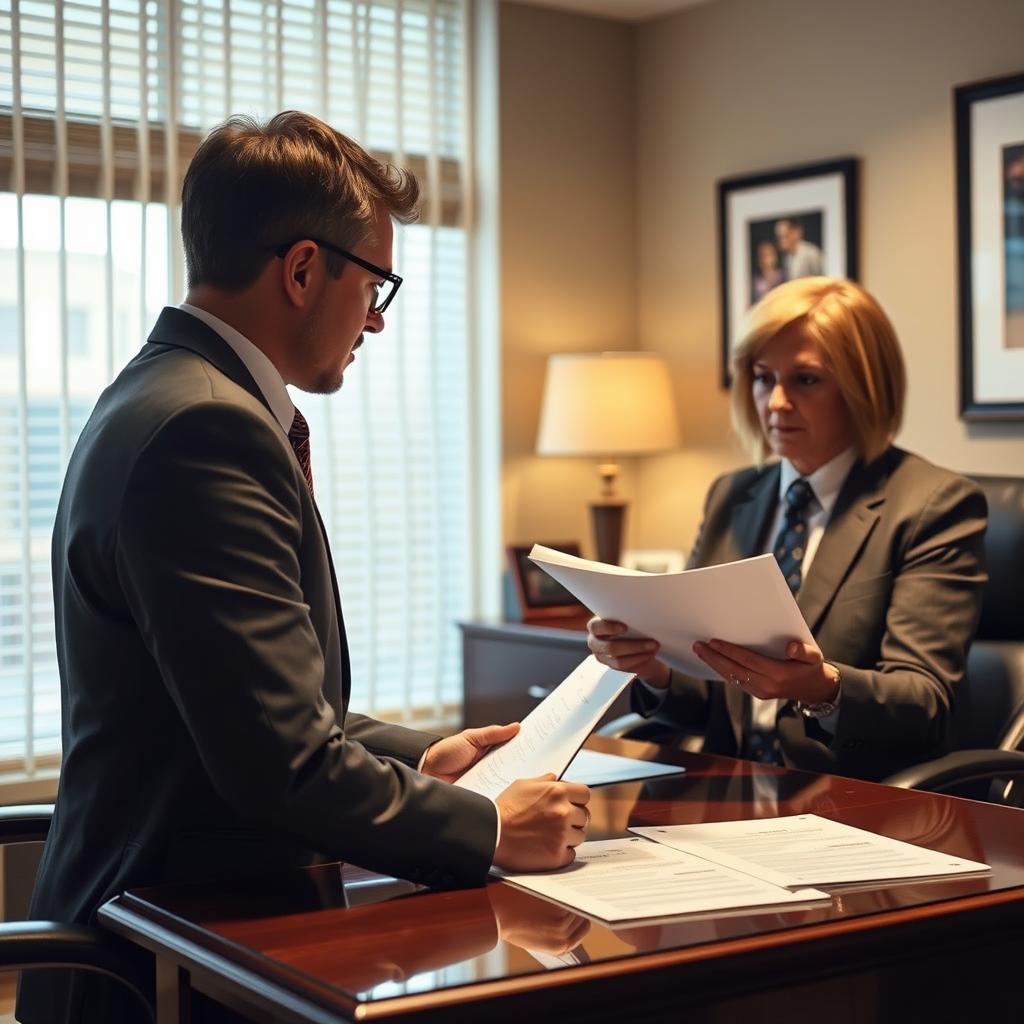
Sibling Visa Lawyer Spotsylvania County, VA
A sibling visa allows a United States citizen who is at least 21 years old to petition for a foreign-born brother or sister to obtain lawful permanent residence. The sibling category falls under the fourth preference (F4) in the family-based immigration system. For residents of Spotsylvania County, Virginia, the process involves filing a Form I-130 petition with U.S. Citizenship and Immigration Services (USCIS), navigating priority dates, and completing either consular processing abroad or adjustment of status in the United States when eligibility permits. Mr. Sris and the firm’s Of Counsel attorneys at Law Offices Of SRIS, P.C. assist clients from Spotsylvania, Chancellor, Massaponax, and throughout the county with the full sibling visa process. Reach Law Offices Of SRIS, P.C. at (888) 437-7747 to schedule a consultation. Law Offices Of SRIS, P.C. – Advocacy Without Borders.
Understanding the Sibling Visa Process for Spotsylvania County Residents
Under the Immigration and Nationality Act, a U.S. Citizen who is at least 21 years of age may file a visa petition for a sibling. The petitioner must establish the qualifying sibling relationship by providing birth certificates, evidence of the petitioner’s U.S. Citizenship, and proof of a legal name change if the sibling’s name does not match the birth certificate exactly. Half-siblings may qualify if they share at least one common parent, and step-siblings may qualify if the marriage creating the step-relationship occurred before the step-sibling turned 18. Adopted siblings may also be eligible under certain conditions. Because sibling visas are in the family fourth preference category, they are subject to annual numerical limits and per-country caps. This means that after USCIS approves the I-130 petition, the sibling must wait for a visa number to become available according to the priority date—the date the petition was filed—published each month in the Department of State Visa Bulletin.
For Spotsylvania County residents, the petition and supporting documents are submitted to the USCIS lockbox facility, and subsequent processing is handled by the USCIS Washington District Office in Fairfax, Virginia. If the sibling is residing abroad, the case proceeds through the National Visa Center and a U.S. Embassy or consulate in the sibling’s home country. If the sibling is already in the United States and qualifies for adjustment of status, the application may be adjudicated without leaving the country, though the sibling must have maintained lawful status. Spotsylvania County clients who have questions about which path is available or how to address a prior immigration violation can consult with Mr. Sris and the firm’s Of Counsel attorneys at Law Offices Of SRIS, P.C. The firm’s Fairfax Location is accessible to clients from the Route 3, Route 208, and I-95 corridors. Contact (888) 437-7747 for an appointment.
How Mr. Sris and the Firm’s Of Counsel Attorneys Assist with Sibling Visa Cases
Mr. Sris and the firm’s Of Counsel attorneys begin each sibling visa matter with a thorough review of the petitioner’s and beneficiary’s immigration histories, family documentation, and any potential issues that could affect eligibility. The legal team gathers the required civil documents—birth certificates, marriage certificates, divorce decrees if applicable, police certificates, and proof of citizenship—and prepares a comprehensive I-130 petition package. When USCIS issues a request for evidence (RFE) or a notice of intent to deny (NOID), the firm responds with the specific documentation and legal arguments required to address the agency’s concerns.
Once the I-130 is approved and a visa number becomes available, Mr. Sris and the firm’s Of Counsel attorneys guide clients through the National Visa Center stage, including the payment of fees, submission of the affidavit of support (Form I-864), and preparation for the consular interview. For siblings who are already in the United States and eligible to adjust status, the firm prepares and files Form I-485 along with applications for employment authorization and advance parole when needed. Throughout the process, the legal team remains accessible to clients in Spotsylvania County, providing updates and answering questions about case progress. Mr. Sris and the firm’s Of Counsel attorneys bring extensive combined legal experience to sibling visa representation. Results may vary. To discuss a sibling visa matter, contact Law Offices Of SRIS, P.C. at (888) 437-7747.
About Mr. Sris and the Firm’s Of Counsel Attorneys
Mr. Sris, Owner and Founder of Law Offices Of SRIS, P.C., has practiced since the firm was founded in 1997. He is a former prosecutor. Mr. Sris is admitted to practice in Virginia, Maryland, the District of Columbia, New Jersey, and New York—a five-jurisdiction admission that allows the firm to represent immigration clients in matters that may involve interactions with multiple state court systems alongside federal immigration agencies. Mr. Sris testified before the Virginia House Courts of Justice Committee in support of 2019 HB 635 (chief patron Del. David Bulova).
The firm’s Of Counsel attorneys include practitioners with substantial backgrounds in criminal defense, traffic enforcement, and family law—areas that frequently intersect with immigration issues such as inadmissibility due to criminal convictions or family-based petitions where the petitioner has a prior state-court record. All Of Counsel attorneys contract directly with Law Offices Of SRIS, P.C. The firm serves clients in Spotsylvania County from its Fairfax Location. Appointments are available by calling (888) 437-7747. A consultation allows a Spotsylvania County resident to discuss the specific facts of a sibling visa matter and receive guidance about the process.
Frequently Asked Questions
What is a sibling visa?
A sibling visa is an immigrant visa for the brother or sister of a U.S. Citizen, classified in the family-based fourth preference (F4) category. The visa allows the foreign sibling to enter the United States as a lawful permanent resident after I-130 petition approval and waiting for a visa number to become available. The sibling may then live and work in the United States and eventually apply for naturalization. The process is governed by the Immigration and Nationality Act and is administered by USCIS and the Department of State.
Who qualifies for a sibling visa?
To qualify, the petitioner must be a U.S. Citizen at least 21 years old, and the beneficiary must be the petitioner’s biological sibling, half-sibling, step-sibling, or adopted sibling under specific conditions. The relationship must be legally established. A half-sibling must share at least one common parent. A step-sibling qualifies if the marriage creating the step-relationship occurred before the step-sibling reached age 18. An adopted sibling qualifies if the adoption took place before age 16 and the legal requirements of the adoption are met. The beneficiary’s spouse and unmarried children under 21 may be included as derivative beneficiaries.
How long does it take to get a sibling visa?
The total processing time depends on the beneficiary’s country of origin and the availability of visa numbers under the annual numerical caps; waiting periods often extend for several years and can exceed a decade for certain countries. Once the I-130 petition is approved, the priority date determines placement in the queue. The U.S. Department of State publishes a monthly Visa Bulletin showing the dates being processed for each country. When the priority date becomes current, the case moves to consular processing or adjustment of status. A consultation with an immigration attorney can help estimate likely timelines based on current Visa Bulletin trends.
What are the government fees for a sibling visa?
The current filing fee for Form I-130 is $675, and there are additional fees for consular processing, the affidavit of support, the immigrant visa application, and the required medical examination. Fee amounts are subject to change by USCIS and the Department of State. Additional costs may include fees for obtaining and translating documents, travel for the consular interview, and legal representation. During a consultation, the firm can provide updated fee information and a cost estimate based on the specific case.
Do I need a lawyer for a sibling visa?
U.S. Immigration law does not require a petitioner to hire an attorney, but retaining legal counsel can help avoid common filing errors that lead to delays, requests for evidence, or denials. An attorney can verify that the documentation is sufficient, identify potential grounds of inadmissibility, respond to agency inquiries, and prepare the sibling for the consular interview. Mr. Sris and the firm’s Of Counsel attorneys handle sibling visa cases for Spotsylvania County clients and can provide the guidance needed to navigate the process efficiently. Contact Law Offices Of SRIS, P.C. at (888) 437-7747 to discuss your matter.
How does Law Offices Of SRIS, P.C. help Spotsylvania County clients with sibling visas?
The firm’s Fairfax Location serves Spotsylvania County residents by providing consultations on family-based immigration, preparing complete visa petitions, and representing clients through the USCIS adjudication and consular processing stages. Mr. Sris and the firm’s Of Counsel attorneys are available by appointment to review documents, explain the steps, and respond to any agency actions. The firm maintains communication with clients throughout the multi-year process and helps address issues that arise during the waiting period. To get started, call (888) 437-7747.
For guidance on your specific situation, reach Law Offices Of SRIS, P.C. at (888) 437-7747.
Fairfax County Immigration Lawyer |
Fairfax City Immigration Lawyer |
Falls Church Immigration Attorney |
Prince William County Immigration Lawyer |
Manassas Immigration Lawyer
Primary sources: USCIS Family of U.S. Citizens | U.S. Department of State Immigrant Visa Process
Attorney advertising. Prior results do not guarantee a similar outcome. Results may vary. Case results depend on a variety of factors unique to each case.