
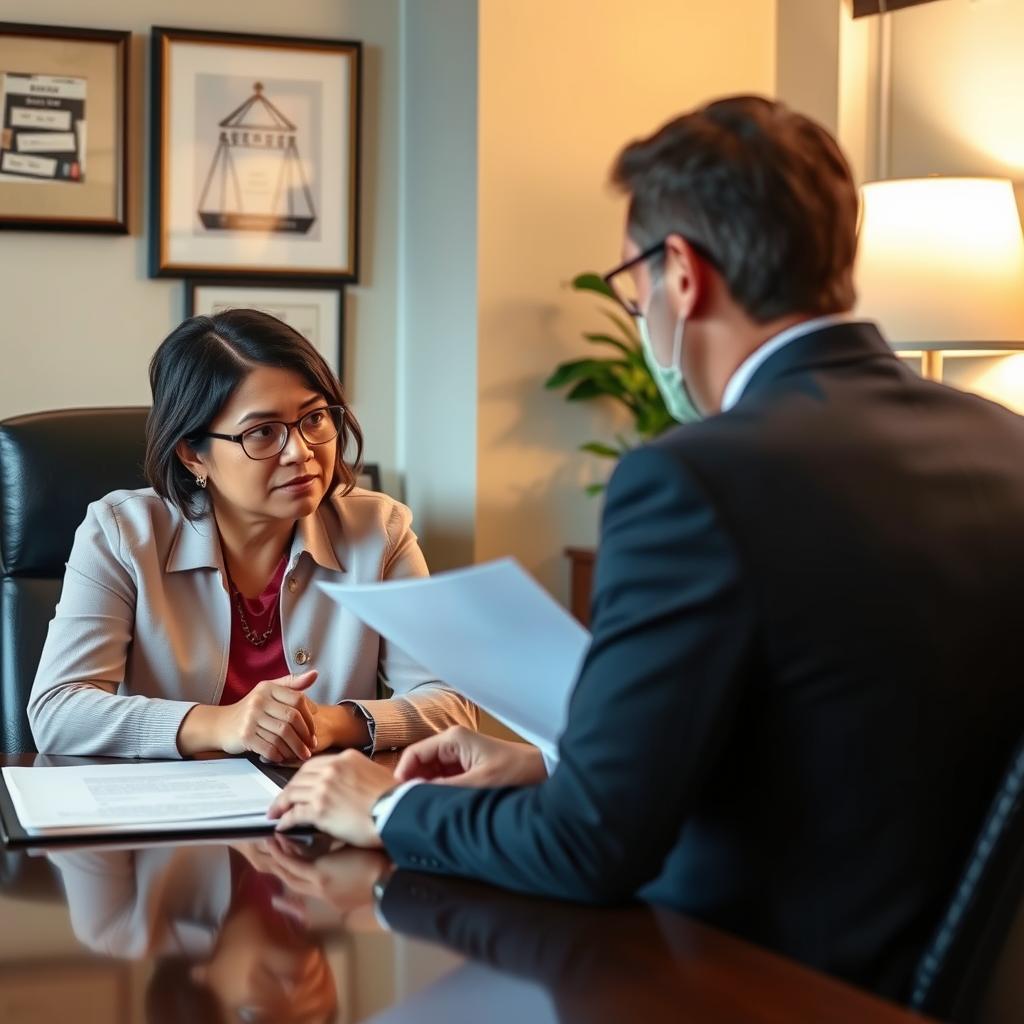
Sibling Visa Lawyer Louisa County, VA
For a U.S. Citizen who wants to bring a brother or sister to live permanently in the United States, the sibling visa process requires careful attention to federal immigration law, USCIS filing procedures, and consular processing. Residents of Louisa County, Virginia, are not required to have a lawyer to file a sibling petition, but the family preference category has lengthy backlogs and exacting documentation standards. A missing signature, incorrect fee, or omission in the I-130 petition can delay a case for months or lead to a denial. Mr. Sris and his Of Counsel at Law Offices Of SRIS, P.C. represent individuals and families in Louisa County through the sibling visa process—from the initial I-130 filing through consular processing or adjustment of status—and also assist if complications arise, such as a notice of intent to deny or a removal proceeding. For a consultation about a sibling visa matter, call (888) 437-7747. Law Offices Of SRIS, P.C. – Advocacy Without Borders.
What Sibling Visa Means in Louisa County
A sibling visa is a family-based immigrant visa that allows a U.S. Citizen to petition for a brother or sister to obtain lawful permanent residence. The process begins by filing Form I-130, Petition for Alien Relative, with U.S. Citizenship and Immigration Services (USCIS). Once approved, the sibling enters a long queue within the family fourth preference category (F4), where the wait depends on the sibling’s country of birth and the worldwide numerical limits set by the Immigration and Nationality Act. For Louisa County residents, affirmative immigration applications are adjudicated at the USCIS Washington Field Office, located at 2675 Prosperity Avenue, Fairfax, VA 22031. If a sibling is already in the United States and eligible to adjust status without leaving the country, the application proceeds at that same field office. When a sibling is abroad, the case moves to the National Visa Center and then to the U.S. Embassy or consulate in the sibling’s home country for consular processing. Removal proceedings for Louisa County residents, when they arise, are heard at the Arlington Immigration Court, 1901 South Bell Street, Arlington, VA 22202.
Sibling visa cases demand more than filling out a form. The F4 category often involves waits that can span a decade or longer for nationals of certain countries, and during that time, personal circumstances—marriage, divorce, or the death of the petitioner—can change eligibility. The firm’s experience with Virginia-area immigration processing helps clients anticipate document requests, respond to Requests for Evidence (RFEs), and keep cases moving. Because immigration is exclusively federal, the Louisa County General District Court does not adjudicate sibling visa matters; our role is to guide clients through the USCIS and Department of State channels, drawing on years of immigration practice across Virginia, Maryland, the District of Columbia, New Jersey, and New York.
How Mr. Sris and His Of Counsel Handle Sibling Visa Cases
Mr. Sris and his Of Counsel begin every sibling visa representation by reviewing the petitioner’s citizenship status and the beneficiary’s own immigration history. If the beneficiary has a prior removal order, unauthorized employment, or a criminal record, admissibility issues must be evaluated before filing. The team then prepares the I-130 petition with supporting evidence—birth certificates, proof of the petitioner’s citizenship, and evidence of the sibling relationship—and submits it to USCIS. After approval, the firm tracks the priority date against the monthly Visa Bulletin and, when the date becomes current, assists with either adjustment of status (if the beneficiary is lawfully present in the United States) or consular processing abroad.
The firm also addresses challenges that arise mid-case. If USCIS issues a Request for Evidence, Mr. Sris and his Of Counsel gather the additional documentation—often birth records, marriage certificates, or affidavits—and respond within the designated timeframe. When a case encounters a denial, the team evaluates grounds for a motion to reconsider or an appeal to the Board of Immigration Appeals. Because no two sibling visa cases are identical, every strategy is built on the specific facts of the family relationship, the beneficiary’s country of origin, and the current state of immigration law and policy. Our objective is to present a complete, well-supported petition so that administrative processing proceeds as smoothly as possible.
About Mr. Sris and His Of Counsel Team
Mr. Sris, Owner and Founder of Law Offices Of SRIS, P.C., is a former prosecutor who has practiced law since 1997. He is admitted in Virginia, Maryland, the District of Columbia, New Jersey, and New York, and he brings extensive experience in immigration matters, including family-based petitions, adjustment of status, consular processing, and deportation defense. Mr. Sris testified before the Virginia House Courts of Justice Committee in support of 2019 HB 635 (chief patron Del. David Bulova). His Of Counsel team includes attorneys with substantial immigration and federal court experience who collaborate on sibling visa cases to ensure that each petition addresses USCIS requirements and any potential bars to admissibility. Together, Mr. Sris and his Of Counsel bring over 120 years of combined legal experience and have secured over 4,739 documented firm-wide results. Results may vary.
Frequently Asked Questions
What is the filing fee for a sibling visa petition?
The government filing fee for Form I-130, Petition for Alien Relative, is $675 as of the current USCIS fee schedule. This fee is paid to USCIS when the petition is filed. Additional costs may apply later in the process, such as visa application processing fees at the U.S. Embassy or consulate and the affidavit of support fee. Fee amounts are subject to change, so contact our firm or check the USCIS website before filing. Our firm helps clients submit the correct fee with the petition to avoid rejection.
The current USCIS filing fee for Form I-130 is $675.
Source: USCIS Fee Schedule. USCIS Filing Fees
Reviewed by Mr. Sris, admitted in VA/MD/DC/NJ/NY.
How long does it take to get a sibling visa approved?
Sibling visa processing has two distinct phases: the I-130 petition approval phase, which often takes several months, and the visa availability waiting period under the F4 preference category, which can stretch many years depending on the sibling’s country of birth and the annual numerical limits. For most countries, the wait for a visa to become available is measured in years—often a decade or more. The dates are published monthly in the Department of State’s Visa Bulletin. After a visa number is available, the subsequent step of consular processing or adjustment of status adds additional months. Each case moves at its own pace, and we work to advance the case as each stage permits.
Can my sibling live in the United States while the visa petition is pending?
A pending sibling visa petition does not confer any legal status or the right to remain in the United States. The sibling must either maintain valid nonimmigrant status, if lawfully present, or wait abroad. If the sibling is in the United States and eligible to adjust status under INA § 245(a) without triggering a bar, adjustment of status may be possible once the priority date is current. Unlawful presence exceeding 180 days can trigger a 3-year or 10-year bar to reentry, so it is essential to assess admissibility at the outset. Our firm reviews each sibling’s immigration history to advise on the safest path forward.
What happens if USCIS denies the I-130 petition?
If USCIS denies an I-130 petition, the petitioner has the option to file an appeal with the Board of Immigration Appeals or a motion to reconsider with the USCIS office that issued the denial, depending on the reason for the denial. An appeal challenges a legal error; a motion to reconsider introduces new evidence or argues that the decision misapplied the law. Strict deadlines apply, so prompt action is critical. Mr. Sris and his Of Counsel evaluate the denial notice, identify whether the issue is a fixable documentary shortfall or a more complex admissibility problem, and prepare the appropriate response within the regulatory timeframes.
Do I need a lawyer for a sibling visa case in Louisa County?
You are not required by law to have a lawyer file a sibling visa petition, but many people choose to work with an immigration attorney because the family preference process involves detailed documentary requirements, multi-year timelines, and the risk of denial that can delay family reunification for years. An attorney can verify the sibling relationship evidence, check for any bars to admissibility, and respond to USCIS requests. Errors in the petition are common when filed pro se, and they can lead to costly delays. Mr. Sris and his Of Counsel handle sibling visa cases for Louisa County residents and offer consultation appointments to discuss each family’s specific situation.
What documents are needed to prove the sibling relationship?
The central document is a certified copy of the birth certificate of the sibling seeking the visa, along with the birth certificate of the U.S. Citizen petitioner, both showing at least one common parent. If the siblings share only one parent—for example, a half-sibling relationship—additional evidence such as marriage certificates of the parents may be necessary. In adoption cases, a full certified adoption decree is required. When original records are missing or contain discrepancies, secondary evidence like school records, affidavits from older relatives, and DNA testing may be used. Our firm helps clients gather the proper documentation to meet USCIS standards.
Sibling visa pages for other Virginia localities:
Fairfax County immigration lawyer,
Fairfax (City) immigration lawyer,
Falls Church (City) immigration lawyer,
Prince William County immigration lawyer,
Manassas (City) immigration lawyer.
Official primary sources:
USCIS Filing Fees ·
Virginia Circuit Courts ·
Virginia Code Title 13.1 (for business entity matters).
Attorney advertising. Prior results do not guarantee a similar outcome. Results may vary.
Case results depend on a variety of factors unique to each case.