
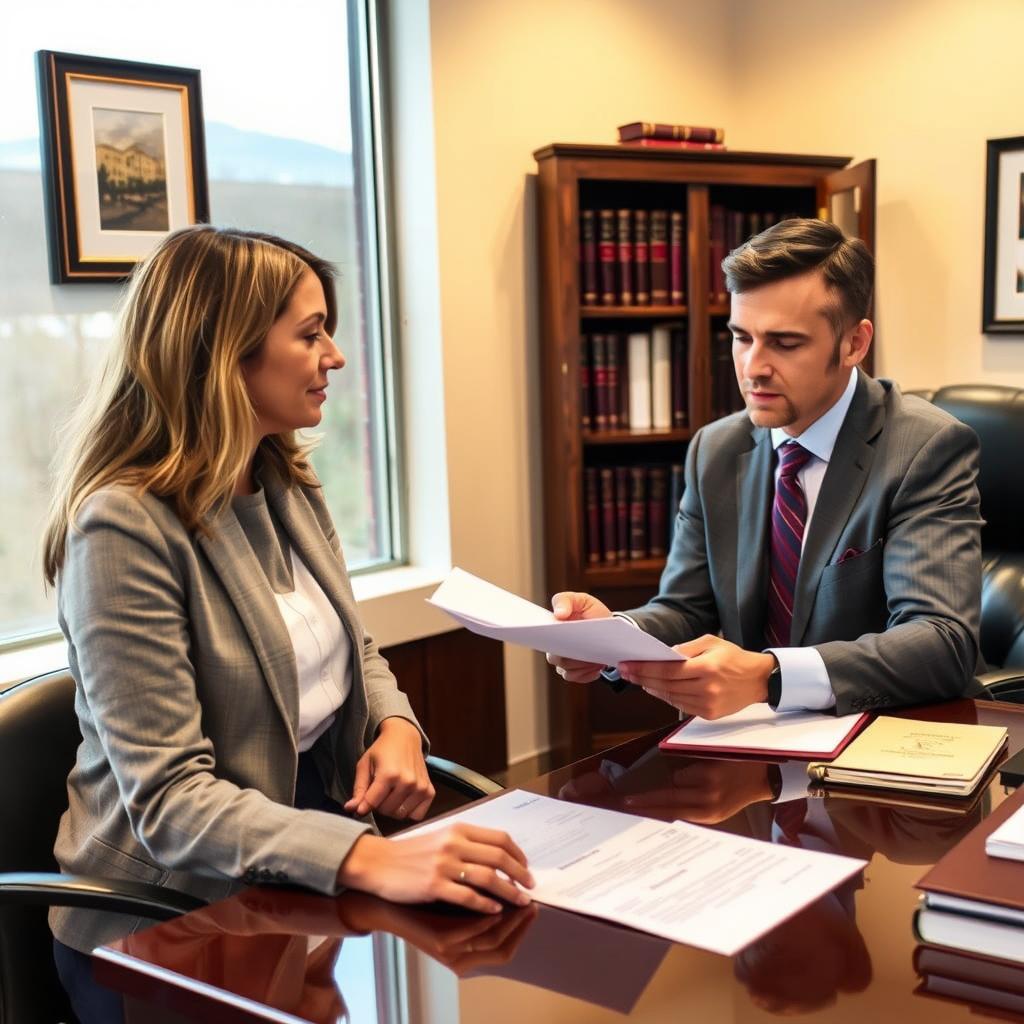
Sibling Visa Lawyer Alexandria, VA
If you are a U.S. Citizen or lawful permanent resident seeking to bring a brother or sister to live permanently in the United States, the sibling visa process requires careful planning. Law Offices Of SRIS, P.C. provides immigration representation for Alexandria residents navigating family‑based visa petitions. Mr. Sris is a former prosecutor who founded the firm in 1997 and is admitted in Virginia, Maryland, the District of Columbia, New Jersey, and New York. Together with the firm’s Of Counsel attorneys, he assists clients with I‑130 sibling petitions, consular processing, adjustment of status, and related immigration matters. Because Alexandria individuals and families often interact with the USCIS Washington District Office in Fairfax and the Arlington Immigration Court for removal‑defense proceedings, working with counsel familiar with both agency practice and the local immigration‑court culture can help position your case. To request a consultation, call (888) 437‑7747. Law Offices Of SRIS, P.C. – Advocacy Without Borders.
What a Sibling Visa Means for Alexandria Residents
A sibling visa—formally a family‑based fourth‑preference immigrant visa—allows a U.S. Citizen to sponsor a brother or sister for lawful permanent residence (a green card). Lawful permanent residents are not eligible to sponsor siblings directly. The process begins with the U.S. Citizen filing Form I‑130 (Petition for Alien Relative) with U.S. Citizenship and Immigration Services (USCIS). Once the petition is approved, the sibling must wait for a visa number to become available under the annual numerical limits set by the Immigration and Nationality Act. For Alexandria residents, affirmative applications such as the I‑130 are adjudicated at the USCIS Washington District Office, 2675 Prosperity Avenue, Fairfax, VA 22031. If a sibling is already in the United States in lawful status and eligible to adjust status, the filing may also involve Form I‑485 processed through the same field office. In removal‑defense scenarios, the Arlington Immigration Court at 1901 South Bell Street, Arlington, VA 22202 hears matters for Alexandria residents. Because visa‑number backlogs for the fourth preference can extend many years and because USCIS processing is subject to frequent policy changes, retaining an experienced immigration lawyer can help avoid delays and preserve eligibility throughout the multi‑year process.
The sibling visa classification falls under 8 U.S.C. § 1153(a)(4), which sets the annual worldwide cap for siblings of U.S. Citizens at 65,000 visas. Due to demand that far exceeds the cap, the U.S. Department of State publishes a monthly Visa Bulletin showing which priority dates are current. For nationals of certain oversubscribed countries, the wait can be significantly longer. Alexandria residents with a sibling abroad must also navigate consular processing at a U.S. Embassy or consulate once the priority date becomes current. Throughout, Mr. Sris and his Of Counsel guide clients on documentation requirements, DS‑260 submissions, and the medical‑exam and interview stages that follow. The firm also advises on derivative beneficiaries—the sibling’s spouse and unmarried children under 21—and on strategies to avoid common pitfalls such as public‑charge inadmissibility, misrepresentation, or failure to maintain lawful status during the wait period.
Given the complexity of the I‑130 process and the years‑long timeline, Alexandria petitioners should be aware that a sibling visa case often spans multiple changes in immigration policy. Mr. Sris and his Of Counsel monitor regulatory updates, relevant federal court decisions, and USCIS policy memoranda so that filings reflect the most current legal standards. The firm also coordinates with family members abroad to gather the necessary civil documents and, where needed, works with the National Visa Center and consular posts. By staying proactive rather than reactive, the team works to minimize administrative delays and to protect the sibling applicant’s eligibility from start to finish.
How Mr. Sris and His Of Counsel Handle Sibling Visa Cases
In every sibling‑visa matter, Mr. Sris begins by reviewing the petitioner’s citizenship or immigration status, the sibling’s current location and immigration history, and any potential grounds of inadmissibility. This initial assessment shapes the entire strategy because an I‑130 petition that is approved but later encounters a consular or adjustment denial leaves years of waiting wasted. The firm’s Of Counsel attorneys bring additional experience in family‑based immigration, removal defense, and appellate practice, so overlapping legal issues—such as a sibling with a prior order of removal that triggers the I‑212 waiver process—are identified early. The team then develops a documented plan: a checklist of required supporting evidence, a timeline of expected agency actions, and a contingency approach for administrative or judicial review if USCIS issues a request for evidence, a notice of intent to deny, or a denial.
Once the I‑130 is filed, the process for Alexandria clients often involves correspondence with the USCIS Washington District Office. The firm handles all case‑status inquiries, change‑of‑address notifications, and updates to USCIS systems. If the sibling is outside the United States, the matter shifts to the National Visa Center and later to a consular post. Mr. Sris and his Of Counsel prepare the Affidavit of Support (Form I‑864) and the DS‑260 immigrant‑visa application, and they coach the sibling applicant through the in‑person interview. For siblings already inside the U.S. In valid nonimmigrant status, the firm pursues adjustment of status under INA § 245 when the priority date is current. In either track, counsel remains alert to changing regulations, evolving interpretations of the public‑charge ground, and statutory bars that could delay or block approval. Throughout, the firm maintains direct communication with clients so that they understand what to expect at each stage.
Because sibling‑visa cases are lengthy, Mr. Sris and his Of Counsel also help clients with interim measures such as maintaining lawful status, extending temporary work authorization if eligible, and preparing for the possibility of administrative appeals. If a petition is denied, the firm evaluates whether to file a motion to reopen/reconsider with USCIS or to appeal to the Board of Immigration Appeals. The firm’s extensive experience before the Arlington Immigration Court and its familiarity with federal‑court review in the Fourth Circuit further support clients whose cases intersect with removal proceedings or complex legal issues. The approach is always tailored to the individual facts of the case; no two sibling‑visa journeys are identical, so the legal work is individualized at every step.
About Mr. Sris and His Of Counsel
Mr. Sris, Owner and Founder of Law Offices Of SRIS, P.C., has concentrated his practice on immigration law, criminal defense, and family law since 1997. He is admitted in Virginia, Maryland, the District of Columbia, New Jersey, and New York. As a former prosecutor, Mr. Sris brings firsthand insight into how the government builds its cases—perspective that is valuable when anticipating USCIS scrutiny or challenging an adverse agency decision. He testified before the Virginia House Courts of Justice Committee in support of 2019 HB 635 (chief patron Del. David Bulova). Mr. Sris actively represents Alexandria clients in sibling‑visa matters, working to navigate the complex statutory framework and to secure the family‑unity goals at the heart of the immigration system.
The firm’s Of Counsel attorneys supplement this work with their own extensive experience in immigration and related areas. Together, Mr. Sris and his Of Counsel bring extensive combined legal experience to sibling‑visa cases. They handle the complete range of family‑based immigration services—from the initial I‑130 filing through consular interview preparation, adjustment‑of‑status applications, waiver requests, and, when necessary, federal litigation. The team is comfortable communicating with USCIS field offices, the National Visa Center, and consular posts worldwide. They also understand the specific court culture of the Arlington Immigration Court, where removal‑defense matters for Alexandria residents are heard, and they draw on that knowledge to counsel clients who face overlapping immigration challenges. Mr. Sris and his Of Counsel have documented case results across all practice areas since 1997. Results may vary.
Frequently Asked Questions
Who qualifies for a sibling visa?
A U.S. Citizen at least 21 years old may petition for a brother or sister to become a lawful permanent resident. The sibling may be a half‑brother, half‑sister, step‑sibling (if the marriage creating the relationship occurred before the petitioner turned 18), or a sibling by adoption (if the adoption took place before the sibling turned 16). Lawful permanent residents cannot sponsor siblings. The petitioner must demonstrate the familial relationship through official documents such as birth certificates and, where applicable, marriage and divorce records. Mr. Sris and his Of Counsel help Alexandria clients compile the required evidence and ensure the I‑130 form is fully supported before filing.
How long does the sibling visa process take?
The total timeline varies because the sibling category is subject to per‑country numerical limits and worldwide demand far exceeds the annual visa allocation. After USCIS approves the I‑130 petition, the sibling must wait for a priority date to become current under the Visa Bulletin; that wait can range from several years to over two decades depending on the sibling’s country of birth. Alexandria residents working with the USCIS Washington District Office and, later, the National Visa Center should plan for a multi‑year process. The firm monitors priority‑date movement, alerts clients when action is needed, and prepares subsequent filings to help avoid additional delays.
Can a sibling with an overstay or prior removal order still obtain a visa?
In many cases, yes, but waivers or additional filings may be necessary. An unlawful‑presence bar can be overcome by filing Form I‑601A or I‑601 to request a waiver of inadmissibility, while a prior removal order may require the sibling to file Form I‑212 for permission to reapply. An experienced immigration lawyer can assess the specific facts and determine whether the sibling qualifies for a provisional waiver, consular processing, or other relief. Mr. Sris and his Of Counsel evaluate all potential grounds of inadmissibility early in the case and craft a strategy to address them before they become obstacles to approval.
What happens after the I‑130 is approved?
If the sibling is outside the United States, the case moves to the National Visa Center, which collects the required fees, the Affidavit of Support, and the immigrant‑visa application (Form DS‑260). Once the priority date is current, the case is forwarded to a U.S. Consulate abroad for an interview. If the sibling is already in the United States in lawful nonimmigrant status and a visa number is available, the firm may file Form I‑485 for adjustment of status. Alexandria clients whose I‑130 petitions are adjudicated at the USCIS Washington District Office often proceed through adjustment if eligible. The firm handles the entire post‑approval process, including preparation for the consular interview or the USCIS officer interview, to help clients present their case clearly.
What documents are needed to start a sibling visa petition?
The petitioner must provide proof of U.S. Citizenship (such as a passport, birth certificate, or naturalization certificate), proof of the sibling relationship (birth certificates showing a common parent, or adoption/step‑sibling documentation), and completed immigration forms. Additional evidence may include divorce decrees if either sibling has a prior marriage, name‑change documents, and any prior immigration records. Mr. Sris and his Of Counsel advise Alexandria clients on the specific documentation required for their individual circumstances and review all materials for completeness before submission to reduce the risk of an RFE or denial.
Do I need a lawyer for a sibling visa application?
There is no legal requirement to hire a lawyer, but the multi‑year process involves complex eligibility rules, evolving USCIS policies, and strict documentary standards that can be difficult to navigate without professional guidance. An error on an I‑130 petition or a missed deadline can result in years of delay or a denial that may be hard to undo. Mr. Sris and his Of Counsel have extensive experience handling sibling‑visa cases for Alexandria residents and can help with the full process, from initial petition through consular processing or adjustment of status. For a consultation about your specific situation, reach Law Offices Of SRIS, P.C. at (888) 437‑7747.
Can the sibling’s spouse and children immigrate at the same time?
Yes, the law allows a derivative beneficiary: the sibling visa applicant’s spouse and unmarried children under 21 may immigrate as accompanying dependents. The derivative family members must be listed on the I‑130 petition and later on the DS‑260 immigrant‑visa application, and they must undergo medical exams, interviews, and background checks just like the principal applicant. Mr. Sris and his Of Counsel help Alexandria clients include derivative beneficiaries, prepare supporting documents for each family member, and address any separate admissibility issues that may arise for a spouse or child, such as a prior immigration violation or a medical condition that requires a waiver.
How does consular processing work for a sibling living abroad?
Consular processing involves applying for the immigrant visa directly at a U.S. Embassy or consulate in the sibling’s home country, typically after the I‑130 is approved and the priority date becomes current. The National Visa Center will request the civil documents, fees, and the DS‑260 application. Then the consulate schedules an interview. The sibling must present original documents, a valid passport, police certificates, and medical‑exam results. Mr. Sris and his Of Counsel coordinate with Alexandria‑based petitioners to ensure all paperwork from the U.S. Side is complete and coach the sibling overseas on what to expect at the interview, reducing the risk of surprises that could delay issuance.
Sibling immigration pages:
Fairfax County immigration lawyer |
Fairfax City immigration lawyer |
Falls Church immigration lawyer |
Prince William County immigration lawyer |
Manassas immigration lawyer
Attorney advertising. Prior results do not guarantee a similar outcome. Case results depend on a variety of factors unique to each case. Attorney responsible for this advertising: Mr. Sris. Results may vary.