
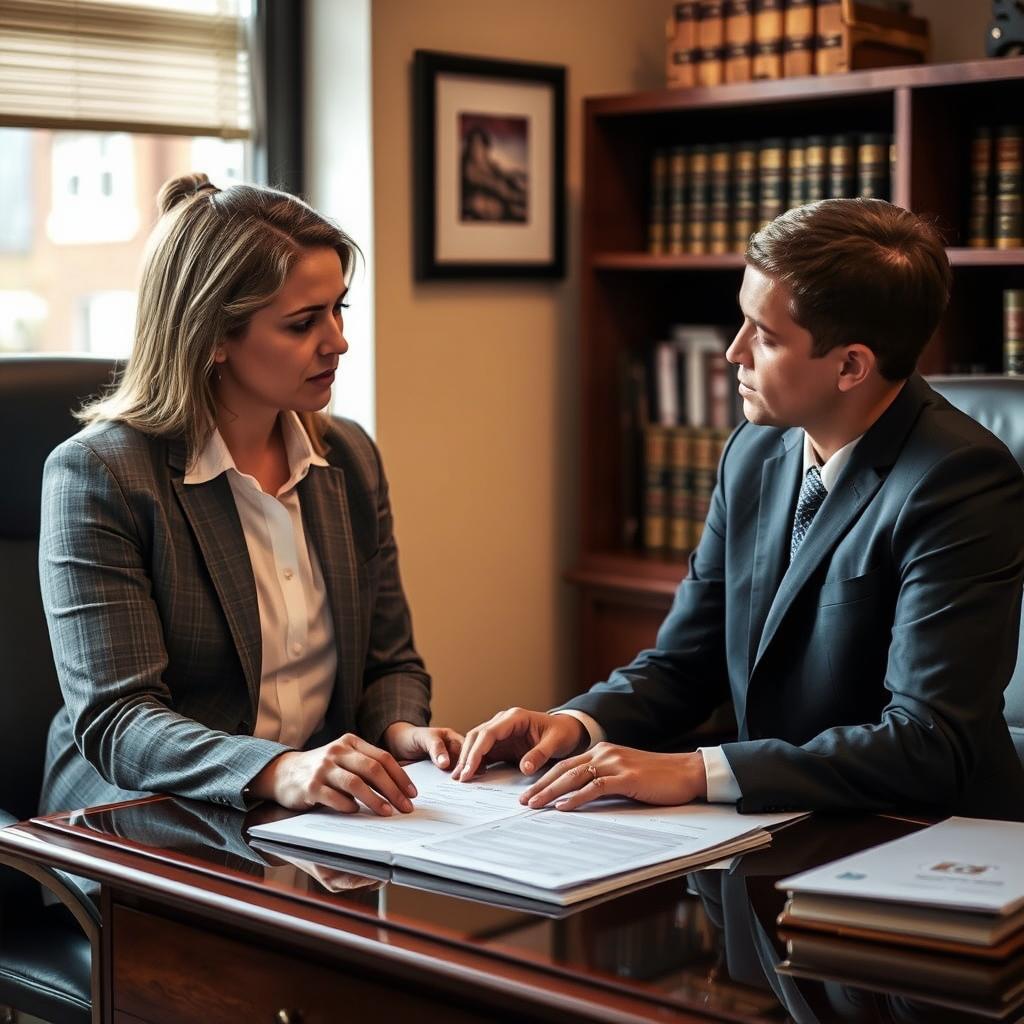
Sibling Petition Lawyer Adams Morgan, DC
For U.S. Citizens living in the Adams Morgan neighborhood of Washington, D.C., a sibling petition offers a path to reunite with a brother or sister who lives abroad. The process is governed by federal immigration law, and it begins with the filing of Form I‑130, Petition for Alien Relative, with U.S. Citizenship and Immigration Services (USCIS). Once approved, the petition enters a queue based on a priority date, and the sibling eventually becomes eligible to apply for an immigrant visa when a visa number becomes available in the family‑based fourth preference (F4) category. Mr. Sris and his Of Counsel team at Law Offices Of SRIS, P.C. assist Adams Morgan residents at every stage—from preparing the initial petition to responding to requests for evidence and coordinating consular processing or adjustment of status. Reach our location at (888) 437‑7747 to schedule a consultation. Law Offices Of SRIS, P.C. – Advocacy Without Borders.
The USCIS filing fee for Form I‑130, Petition for Alien Relative, is $675.
Source: USCIS Fee Schedule. USCIS Filing Fees
Reviewed by Mr. Sris, admitted in VA/MD/DC/NJ/NY.
Understanding Sibling Petitions for Adams Morgan Residents
The sibling petition is a family‑based immigration mechanism available only to U.S. Citizens who are at least 21 years old. It falls under the fourth preference (F4) category of the Immigration and Nationality Act, codified at 8 U.S.C. § 1153(a)(4). The petitioner—the U.S. Citizen sibling—files Form I‑130 with USCIS, demonstrating the bona fide sibling relationship through birth certificates and other official documents. Once USCIS approves the petition, the case is transferred to the National Visa Center (NVC) for processing. The sibling beneficiary waits for a visa number to become available according to the Department of State’s monthly Visa Bulletin, which lists the current priority dates for each preference category and country. For many countries, the wait time under the F4 category can be significant because of annual statutory limits on the number of immigrant visas issued worldwide and per country.
An Adams Morgan resident filing a sibling petition will interact with the USCIS Washington Field Office and potentially with the U.S. Consulate in the beneficiary’s home country if the sibling is abroad. Consular officers review the beneficiary’s eligibility, including admissibility factors and financial support requirements; the petitioner must submit an Affidavit of Support (Form I‑864) to show that the intending immigrant will not become a public charge. If the sibling is already in the United States and is eligible to adjust status under Section 245 of the INA, the case may be processed through USCIS’s adjustment-of-status procedure instead of consular processing. Throughout these steps, small errors in documentation or failure to meet admissibility standards can cause delays or denials, making it important to work with an attorney who understands the procedural landscape.
Sibling petitions fall under the family‑based fourth preference (F4) category, limited to 65,000 visas per fiscal year plus any unused visas from higher‑preference categories.
Source: 8 U.S.C. § 1153(a)(4). 8 U.S.C. § 1153
Reviewed by Mr. Sris, admitted in VA/MD/DC/NJ/NY.
How Mr. Sris and His Of Counsel Handle Sibling Petition Cases
When an Adams Morgan client retains Law Offices Of SRIS, P.C., Mr. Sris and his Of Counsel begin by conducting a detailed intake to confirm that the petitioner meets all eligibility criteria: U.S. Citizenship, age over 21, and a qualifying sibling relationship. They then gather the required civil documents, translate foreign‑language records when necessary, and prepare the I‑130 petition package with a well‑organized supporting cover letter. The team is experienced in addressing common issues, such as proving half‑sibling or adoptive sibling relationships where the documentary trail is incomplete.
After filing, the firm monitors USCIS case status and promptly responds to any requests for evidence (RFE) or notices of intent to deny. If USCIS denies the petition, Mr. Sris and his Of Counsel evaluate the basis for the denial and can prepare a motion to reopen or reconsider, or file an appeal to the Administrative Appeals Office (AAO) or the Board of Immigration Appeals (BIA) when appropriate. Throughout the consular‑processing or adjustment‑of‑status phase, the team prepares the beneficiary for the interview and helps resolve admissibility issues. While no attorney can guarantee a particular outcome—immigration decisions rest with the agency—the firm’s thorough preparation helps pursue a favorable result for each family.
About Mr. Sris and His Of Counsel Team
Mr. Sris, Owner and Founder of Law Offices Of SRIS, P.C., has practiced immigration law since founding the firm in 1997. A former prosecutor, he is admitted in Virginia, Maryland, the District of Columbia, New Jersey, and New York. His understanding of the federal administrative process, drawn from years of experience in the courtroom and before immigration authorities, shapes the firm’s approach to family‑based petitions. Mr. Sris testified before the Virginia House Courts of Justice Committee in support of 2019 HB 635 (chief patron Del. David Bulova), and his legislative awareness informs his strategic thinking.
Mr. Sris is supported by a dedicated Of Counsel team that brings substantial combined legal experience to immigration matters. These attorneys, engaged through Excella, work collaboratively on sibling petition cases, preparing petitions, tracking priority dates, and coordinating with consular posts abroad. Together, Mr. Sris and his Of Counsel serve the Adams Morgan community from the firm’s Arlington location at 1655 Fort Myer Dr, Suite 700, Room 719, Arlington, VA 22209. All consultations are by appointment only; reach our location at (888) 437‑7747 to schedule.
Frequently Asked Questions
What is a sibling petition?
A sibling petition is a filing by a U.S. Citizen at least 21 years old requesting that an immigrant visa be made available to a brother or sister. The petition is filed on Form I‑130 with USCIS. If approved, the sibling enters the family‑based fourth preference (F4) queue and waits for a visa number to become current before applying for an immigrant visa at a U.S. Consulate or, if eligible, adjusting status within the United States.
How long does it take to get a green card through a sibling petition?
The wait time depends on the beneficiary’s country of chargeability and the demand for F4 visas; it can range from several years to over a decade. Because Congress has set an annual numerical limit on F4 immigrant visas and a per‑country cap, the Department of State’s Visa Bulletin determines when a priority date becomes current. Processing times at USCIS and consulates add additional months after visa availability.
Can I file a sibling petition if I live in Adams Morgan but my sibling is already in the U.S.?
Yes, if you are a U.S. Citizen over 21 and your sibling is legally present and eligible to adjust status, you may file the I‑130 and your sibling may file Form I‑485 concurrently if a visa number is immediately available. Eligibility for adjustment depends on maintaining lawful status, not having accrued certain periods of unlawful presence, and not being subject to other bars. An attorney can analyze whether concurrent filing is possible based on the current Visa Bulletin.
What documents are required for a sibling petition?
The core documents include the petitioner’s proof of U.S. Citizenship (passport or naturalization certificate), the petitioner’s and sibling’s birth certificates showing at least one common parent, and certified translations if originals are not in English. Additional evidence such as school records, family photographs, or DNA test results may be necessary if birth certificates are insufficient. The petitioner must also submit an Affidavit of Support (Form I‑864) at the NVC stage to demonstrate financial ability to support the sibling.
What if USCIS denies my sibling petition?
If USCIS denies an I‑130, the petitioner may file a motion to reopen or reconsider, or appeal to the Administrative Appeals Office, depending on the denial reason. A denial might occur due to missing evidence, a finding that the sibling relationship is not sufficiently proven, or errors in the petition. An attorney can review the denial notice and determine an appropriate $1 for re‑filing or appeal. In some cases, starting over with a stronger petition is the most efficient path.
For guidance on your specific situation, reach Law Offices Of SRIS, P.C. at (888) 437‑7747.
Official resources: USCIS Form I‑130 | Department of State Visa Bulletin | 8 U.S.C. § 1153 (Allocation of Immigrant Visas)
Attorney advertising. Prior results do not guarantee a similar outcome. Results may vary.
Case results depend on a variety of factors unique to each case.