
Note: This article is confirmed by Law Offices Of SRIS, P.C.
WRITTEN BY: [Author Name]
Roanoke VA Immediate Relative Petition Lawyer
What is Immediate Relative Petition
An immediate relative petition is the first step in obtaining a green card for qualifying family members of U.S. citizens. This immigration category is specifically designed for the closest family relationships and offers several advantages over other family-based immigration options. The immediate relative category includes spouses of U.S. citizens, unmarried children under 21 years of age, and parents of U.S. citizens who are at least 21 years old.
The process begins with the U.S. citizen petitioner filing Form I-130, Petition for Alien Relative, with U.S. Citizenship and Immigration Services (USCIS). This form establishes the qualifying family relationship and serves as the foundation for the entire immigration process. Supporting documentation must accompany the petition, including proof of the petitioner’s U.S. citizenship and evidence of the bona fide family relationship.
One significant advantage of immediate relative petitions is that they are not subject to annual numerical limitations. Unlike family preference categories that have visa quotas and waiting periods, immediate relatives can obtain visas as soon as their petitions are approved and visa numbers become available. This typically results in faster processing times compared to other family-based immigration pathways.
The legal requirements for immediate relative petitions are specific and must be met precisely. USCIS examines these petitions carefully to prevent fraud and ensure only legitimate family relationships are approved. Common issues that can delay or deny petitions include insufficient evidence of relationship, incomplete forms, and failure to meet eligibility requirements.
How to File an Immediate Relative Petition
The process of filing an immediate relative petition requires careful attention to detail and proper documentation. The first step involves gathering all necessary evidence to establish both the petitioner’s status and the qualifying family relationship. For the petitioner, this includes proof of U.S. citizenship such as a birth certificate, passport, or naturalization certificate. For the beneficiary, documentation varies based on the specific relationship being claimed.
Form I-130 must be completed accurately with all required information. This includes personal details for both petitioner and beneficiary, information about the relationship, and details about previous immigration history if applicable. The form requires specific information about how and when the relationship was established, particularly for spousal petitions where evidence of a bona fide marriage is essential.
Supporting documentation is important to the petition’s success. For spousal petitions, this includes marriage certificates, joint financial documents, photographs together, and affidavits from friends and family. For parent-child relationships, birth certificates establishing the biological relationship are required. In cases of adoption, proper adoption documentation must be provided. All foreign language documents must be accompanied by certified English translations.
Once the petition package is complete, it must be submitted to the appropriate USCIS lockbox with the correct filing fee. USCIS will issue a receipt notice confirming they have received the petition. Processing times vary but typically range from several months to over a year. During this period, USCIS may request additional evidence or schedule an interview if they have questions about the petition.
Can I Petition Multiple Family Members
U.S. citizens have the ability to petition multiple qualifying family members through the immediate relative category. Each family member requires a separate Form I-130 petition with its own supporting documentation and filing fee. There is no limit to the number of immediate relative petitions a U.S. citizen can file, as long as each beneficiary qualifies under the immediate relative definitions.
When petitioning multiple family members, it’s important to understand that each case is processed independently. USCIS evaluates each petition on its own merits, and approval of one petition does not guarantee approval of others. However, consistent documentation and evidence across multiple petitions can help establish patterns of legitimate family relationships.
Strategic considerations come into play when filing multiple petitions. The order of filing may matter depending on individual circumstances and immigration goals. For example, if petitioning both a spouse and children, the timing of each petition could affect overall family unity during the immigration process. Some families choose to file all petitions simultaneously, while others may stagger filings based on specific needs or circumstances.
Documentation requirements multiply with multiple petitions. Each petition requires its own set of supporting documents, though some documents like the petitioner’s proof of citizenship can be copies across multiple petitions. Relationship evidence must be specific to each beneficiary. For children, this means individual birth certificates; for parents, marriage certificates and the petitioner’s birth certificate establishing the parent-child relationship.
Why Hire Legal Help for Immediate Relative Petitions
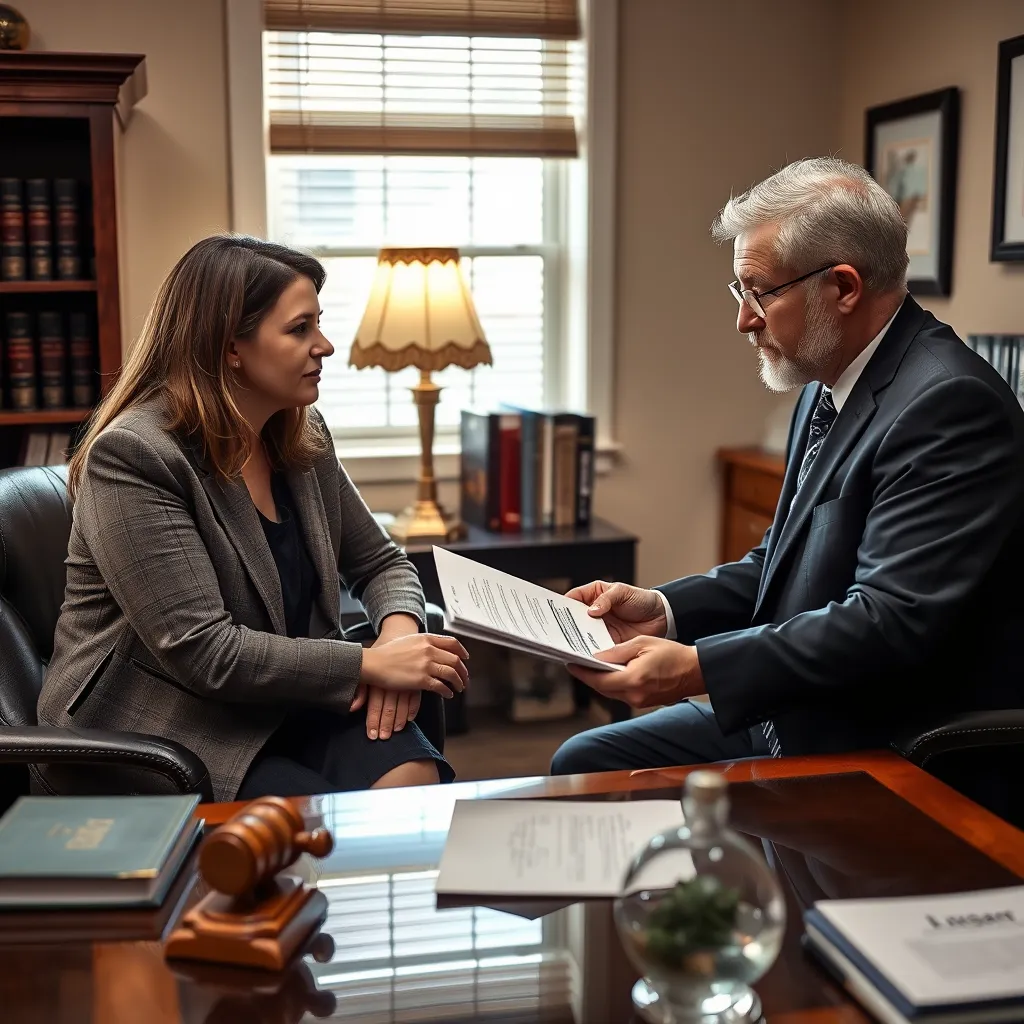
Hiring legal assistance for immediate relative petitions provides significant advantages in managing the immigration process effectively. Immigration law contains numerous technical requirements and procedural details that can be challenging for individuals to manage independently. Legal professionals understand the specific evidence requirements, filing procedures, and potential issues that may arise during the petition process.
One of the primary benefits of legal representation is ensuring all forms are completed accurately and completely. Simple errors on immigration forms can lead to requests for additional evidence, processing delays, or even denials. Attorneys review each section of the petition for accuracy, consistency, and compliance with current USCIS requirements. They also ensure all supporting documentation meets USCIS standards and is properly organized for submission.
Legal professionals can identify and address potential issues before they become problems. This includes evaluating eligibility concerns, assessing documentary evidence for sufficiency, and developing strategies for involved situations. For cases involving previous immigration violations, criminal history, or other complicating factors, attorneys can provide guidance on how to present these issues to USCIS and what additional evidence may be required.
Throughout the process, legal representation provides continuity and professional oversight. Attorneys monitor case progress, respond to USCIS requests, and keep clients informed about developments. They can also prepare clients for interviews and help them understand what to expect at each stage of the process. This professional support reduces stress and uncertainty for families addressing immigration procedures.
FAQ:
What documents prove a bona fide marriage?
Joint financial accounts, lease agreements, photographs together, and affidavits from friends provide evidence of genuine marriage.
How long does immediate relative petition processing take?
Processing times vary but typically range from several months to over a year depending on USCIS workload.
Can I petition my married child over 21?
Married children over 21 fall under family preference categories, not immediate relative petitions.
What if my relative entered the U.S. illegally?
Illegal entry creates complications requiring legal evaluation of options and potential waivers.
Do immediate relative petitions have annual limits?
No, immediate relative petitions are not subject to annual numerical limitations or visa quotas.
What happens after I-130 approval?
After approval, the beneficiary applies for immigrant visa or adjustment of status depending on location.
Can I speed up petition processing?
Premium processing is not available for I-130 petitions; processing follows standard USCIS timelines.
What if my petition is denied?
Denied petitions may be appealed or refiled depending on the reasons for denial and available options.
Do I need an interview for I-130 petition?
USCIS may schedule interviews if they have questions about the relationship or documentation.
Can I petition my sibling?
Siblings fall under family preference categories with longer waiting periods, not immediate relative petitions.
What evidence proves parent-child relationship?
Birth certificates showing biological relationship or adoption documents establish parent-child relationships.
How much does filing cost?
Filing fees include Form I-130 fee and potentially biometrics fee, with amounts subject to change.
Past results do not predict future outcomes