
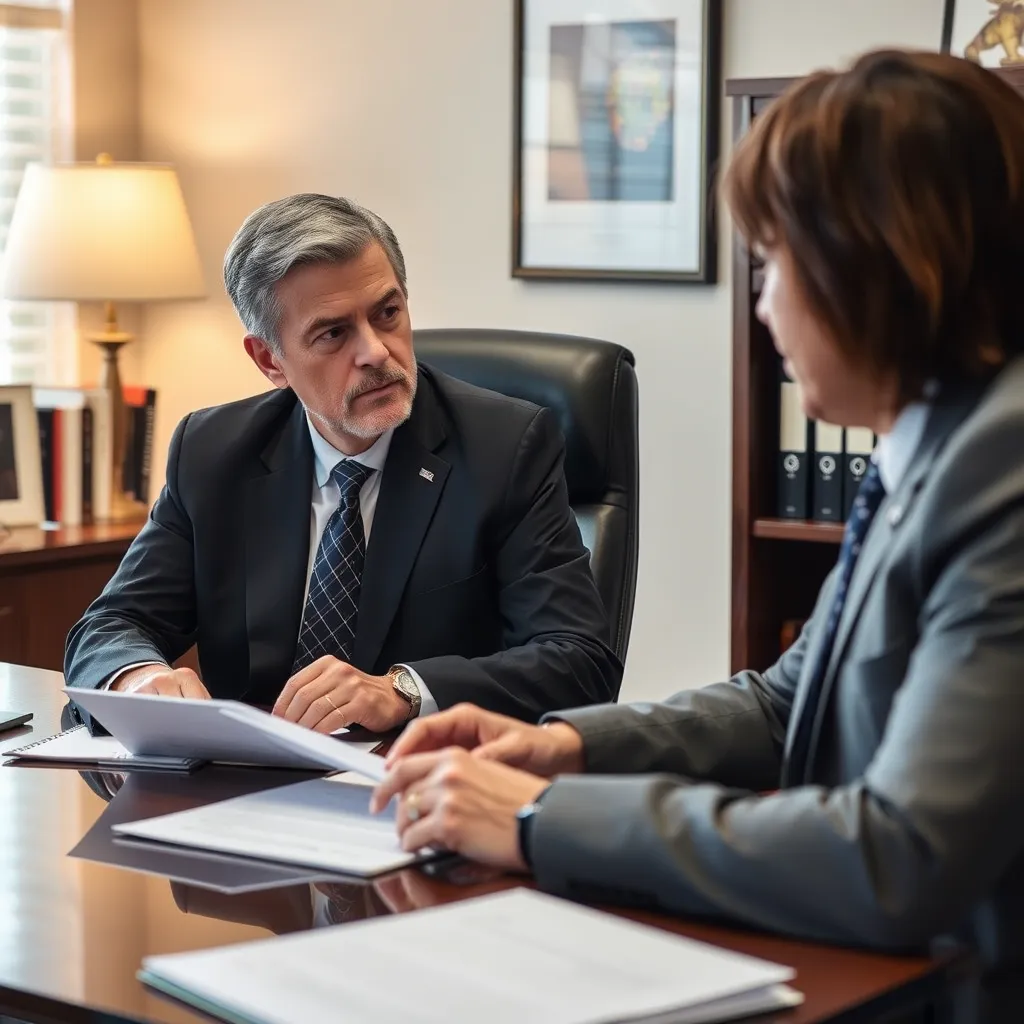
Note: This article is confirmed by Law Offices Of SRIS, P.C.
WRITTEN BY: [Author Name]
Roanoke VA Consular Processing Lawyer
What is Consular Processing
Consular processing serves as the official pathway for individuals outside the United States to seek immigration benefits through U.S. diplomatic missions worldwide. This system operates through American embassies and consulates located in foreign countries. The process begins when an individual qualifies for a specific immigration benefit, such as a family-based immigrant visa, employment-based visa, or diversity visa. Applicants must complete required forms, gather supporting documents, and submit their materials to the appropriate consular post.
The procedural steps involve several stages. First, applicants must determine their eligibility for the specific visa category. Next, they complete the necessary forms, which vary depending on the immigration benefit sought. Required documentation typically includes passports, birth certificates, marriage certificates, police clearance certificates, medical examination results, and financial support evidence. Once submitted, applications undergo review by consular officers who assess compliance with immigration laws.
Consular interviews represent a significant component of the process. During these appointments, officers verify information, assess applicant credibility, and determine eligibility. Preparation for these interviews involves understanding potential questions, organizing documents, and presenting a clear case. Officers may request additional information or documentation if initial submissions raise questions.
Legal representation during consular processing provides several advantages. Attorneys help clients understand involved requirements, prepare accurate applications, and address potential issues before submission. They can identify documentation gaps, ensure proper form completion, and develop strategies for interview preparation. Legal professionals also assist with responding to requests for evidence and handling administrative processing delays.
Real-Talk Aside: The consular process involves strict deadlines and specific documentation requirements. Missing details can cause significant delays or denials.
How to Prepare for Consular Processing
Preparation for consular processing requires systematic organization and attention to detail. The first step involves understanding the specific requirements for the intended visa category. Each visa type has distinct documentation needs and eligibility criteria. Applicants should review official government resources and consult with legal professionals to ensure comprehensive understanding.
Document gathering represents a substantial portion of preparation work. Required materials typically include valid passports, birth certificates, marriage certificates, divorce decrees, police clearance certificates from all countries lived in, medical examination results, and financial support documentation. All documents must be original or certified copies, and non-English documents require certified translations. Applicants should begin collecting these materials early, as obtaining some documents may take several weeks or months.
Form completion requires precision and accuracy. Immigration forms contain detailed questions about personal history, employment, family relationships, and immigration background. Inaccurate or incomplete information can lead to delays, requests for evidence, or denials. Legal professionals help ensure forms are completed correctly and consistently across all documentation.
Interview preparation involves understanding the process and potential questions. Consular officers assess applicant credibility, verify information, and determine eligibility during interviews. Preparation includes reviewing application materials, understanding the visa category requirements, and practicing responses to common questions. Applicants should be prepared to discuss their background, purpose of travel, ties to their home country, and plans in the United States.
Financial preparation is essential for many visa categories. Applicants must demonstrate they will not become public charges in the United States. This typically involves providing evidence of sufficient financial resources, which may include bank statements, employment letters, tax returns, or affidavits of support from sponsors. Understanding the specific financial requirements for each visa category helps ensure proper documentation.
Real-Talk Aside: Consular officers review applications thoroughly. Inconsistent information or missing documents can result in delays or denials.
Can I Handle Consular Processing Without Legal Help
The decision to handle consular processing without legal assistance depends on individual circumstances, familiarity with immigration procedures, and case challenge. Some applicants with straightforward cases and strong English language skills may consider self-representation. However, the immigration system involves numerous regulations, procedures, and potential complications that challenge even experienced applicants.
Self-representation requires substantial time investment in research and preparation. Applicants must thoroughly understand specific visa requirements, form instructions, documentation needs, and interview procedures. Government websites provide basic information, but interpreting how regulations apply to individual situations can be difficult. Missing subtle requirements or misunderstanding instructions can lead to application delays or denials.
Common challenges for self-represented applicants include form completion errors, documentation gaps, and interview preparation issues. Immigration forms contain technical questions that may confuse applicants unfamiliar with legal terminology. Documentation requirements vary by visa category and individual circumstances, making it easy to overlook necessary materials. Interview preparation requires understanding what consular officers seek to determine and how to present information effectively.
Legal representation offers several advantages. Attorneys help interpret regulations, complete forms accurately, gather appropriate documentation, and prepare for interviews. They identify potential issues before submission and develop strategies to address them. Legal professionals understand procedural nuances, timing requirements, and common reasons for delays or denials. They can also communicate with consular posts on behalf of clients when necessary.
Cost considerations factor into the decision. While legal services involve fees, the potential costs of application denials, delays, or mistakes may outweigh initial legal expenses. Denied applications may require reapplying with additional fees, and processing delays can disrupt personal and professional plans. Legal assistance helps minimize these risks through proper preparation and submission.
Real-Talk Aside: Immigration procedures involve specific requirements and deadlines. Mistakes can lead to significant delays or application denials.
Why Hire Legal Help for Consular Processing
Legal representation in consular processing matters provides comprehensive support throughout the immigration journey. Attorneys bring knowledge of immigration laws, regulations, and procedural requirements that govern consular processing. This understanding helps clients handle involved requirements and avoid common pitfalls that may delay or jeopardize applications.
Application preparation benefits significantly from legal assistance. Attorneys review forms for accuracy, consistency, and completeness before submission. They ensure all required documentation is gathered, properly organized, and presented effectively. Legal professionals identify potential issues in application materials and develop strategies to address them proactively. This thorough preparation reduces the likelihood of requests for additional evidence or processing delays.
Documentation organization represents a substantial aspect of legal assistance. Attorneys help clients understand which documents are required, how to obtain them, and how to present them effectively. They review documents for compliance with requirements, ensure proper translations when needed, and identify any gaps that need addressing. Proper documentation organization facilitates smoother processing and interview preparation.
Interview strategy development is another advantage of legal representation. Attorneys prepare clients for consular interviews by explaining the process, discussing potential questions, and helping develop clear, consistent responses. They advise on appropriate demeanor, documentation presentation, and communication strategies. This preparation helps clients feel more confident and present their cases effectively to consular officers.
Issue resolution represents a significant benefit of legal assistance. When applications encounter problems, such as requests for evidence, administrative processing delays, or potential denials, attorneys can develop response strategies, communicate with consular posts, and address concerns effectively. They understand procedural options and can advise on appropriate courses of action based on specific circumstances.
Real-Talk Aside: Consular processing involves specific procedures and requirements. Legal assistance helps address potential issues before they become problems.
FAQ:
What is consular processing?
Consular processing involves applying for U.S. immigration benefits through American embassies or consulates abroad. This method is used for various visa categories and permanent resident applications.
Who needs consular processing?
Individuals outside the United States seeking immigrant visas, nonimmigrant visas, or certain green cards typically use consular processing. The specific requirements depend on the immigration benefit sought.
How long does consular processing take?
Processing times vary based on visa category, consular post workload, and individual circumstances. Some cases complete in months while others may take longer due to various factors.
What documents are required?
Required documents typically include passports, birth certificates, marriage certificates, police clearances, medical exams, and financial evidence. Specific requirements vary by visa category.
What happens during the consular interview?
Consular officers verify information, assess eligibility, and determine applicant credibility during interviews. They review documents and ask questions about the application and background.
Can applications be denied?
Applications may be denied for various reasons including incomplete documentation, eligibility issues, or credibility concerns. Understanding requirements helps reduce denial risks.
What if additional documents are requested?
Consular officers may request additional evidence to clarify information or establish eligibility. Timely response with appropriate materials is important for continued processing.
How can legal help assist?
Legal assistance helps understand requirements, prepare applications, organize documents, and develop interview strategies. Attorneys identify potential issues before submission.
What are common mistakes to avoid?
Common mistakes include incomplete forms, missing documents, inconsistent information, and inadequate preparation. Careful attention to details helps avoid these issues.
How should I prepare for the interview?
Interview preparation involves reviewing application materials, understanding visa requirements, and practicing responses to potential questions. Organization and clarity are important.
What if my case involves complications?
Cases with complications may benefit from legal assistance to address specific issues. Attorneys can develop strategies based on individual circumstances and requirements.
Where can I get more information?
Government websites provide basic information, but legal professionals offer specific guidance based on individual situations and immigration goals.
Past results do not predict future outcomes