
Note: This article is confirmed by Law Offices Of SRIS, P.C.
WRITTEN BY: Immigration Attorney
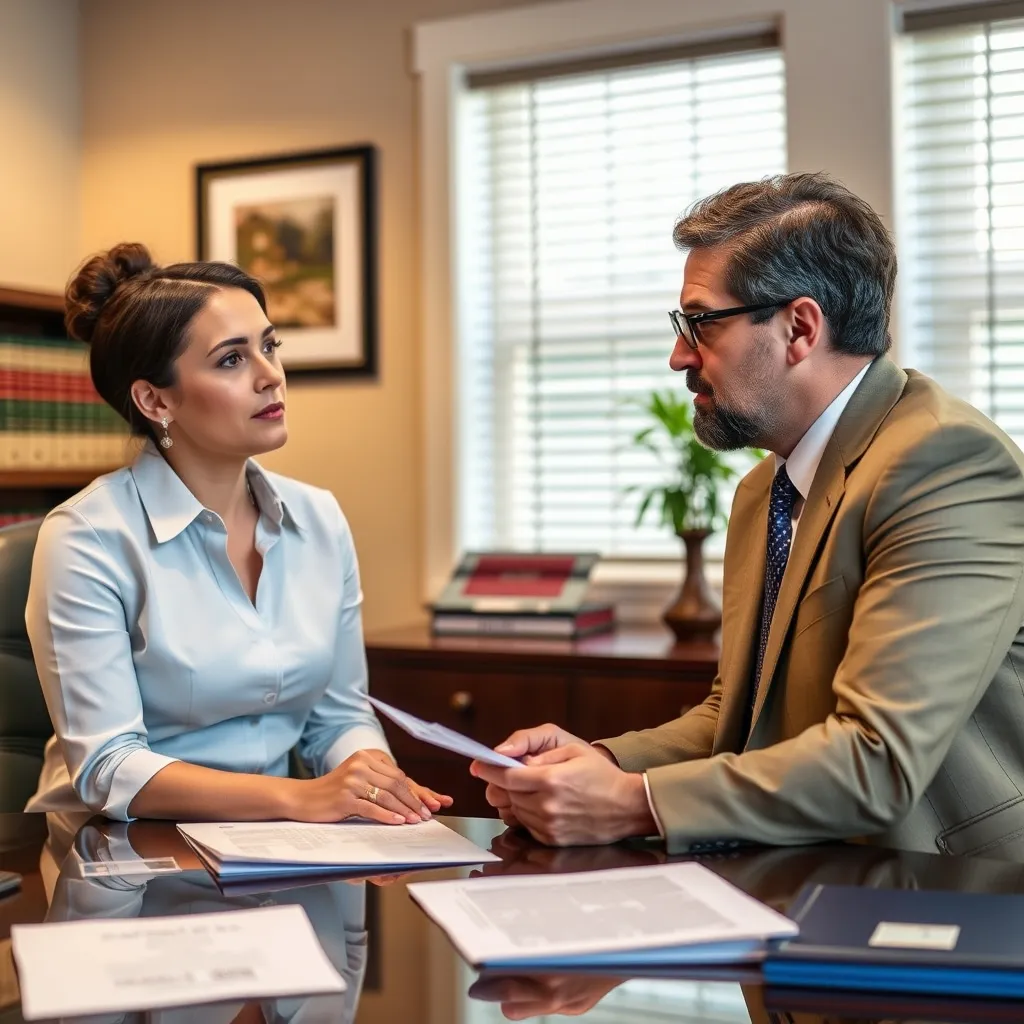
Our immigration attorney has extensive experience with family-based immigration matters. They understand the specific requirements for sibling visa petitions. The attorney works closely with clients throughout the immigration process. They provide clear guidance on documentation and procedural steps.
Poquoson VA Sibling Visa Lawyer
What is sibling visa immigration
Sibling visa immigration represents a specific family-based immigration category available to United States citizens. This legal pathway enables citizens to sponsor brothers and sisters for lawful permanent residence in the United States. The process begins with filing Form I-130, Petition for Alien Relative, which establishes the qualifying sibling relationship. This form serves as the foundation for the entire immigration process.
The sibling visa category operates under the fourth preference family-sponsored immigration system. This classification means there are annual numerical limitations on how many sibling visas can be issued each fiscal year. These limitations create significant waiting periods that can extend for many years depending on the petitioner’s country of origin. The priority date system determines when a beneficiary can proceed with their visa application.
Documentation requirements for sibling petitions include birth certificates for both petitioner and beneficiary showing at least one common parent. Additional evidence may include marriage certificates, divorce decrees, or adoption papers when applicable. Establishing the qualifying relationship requires clear documentation that withstands immigration scrutiny. Any discrepancies in documentation can lead to requests for evidence or petition denial.
Immigration authorities carefully review sibling petitions to prevent fraud and ensure compliance with immigration laws. The process involves multiple government agencies including United States Citizenship and Immigration Services and the Department of State. Understanding the procedural requirements and documentation standards is vital for successful petition approval.
How to file a sibling petition
Filing a sibling petition begins with obtaining and completing Form I-130, Petition for Alien Relative. This form collects essential information about both the United States citizen petitioner and the sibling beneficiary. Accuracy in completing this form is important as errors can lead to processing delays or requests for evidence. The form requires details about both parties’ personal information, immigration history, and family relationships.
The supporting documentation package represents the most important component of the sibling petition. Required documents typically include birth certificates for both petitioner and beneficiary showing at least one common parent. When dealing with half-siblings or step-siblings, additional documentation such as marriage certificates or divorce decrees becomes necessary. All foreign language documents must include certified English translations prepared by qualified translators.
Payment of the required filing fee accompanies the petition submission. Current fee amounts and payment methods should be verified directly from official immigration sources as these can change. Some petitioners may qualify for fee waivers based on financial circumstances, though eligibility requirements apply. The filing package should be organized logically with clear labeling for easy review by immigration officers.
After submission, petitioners receive a receipt notice confirming United States Citizenship and Immigration Services has received the petition. This notice includes the receipt number used for tracking the petition’s status online. Processing times vary depending on workload at the specific service center handling the petition. Regular status checks help petitioners stay informed about their petition’s progress.
Can I adjust status for a sibling
Status adjustment for siblings presents specific challenges under current immigration regulations. Most siblings seeking lawful permanent residence must complete consular processing abroad rather than adjusting status within the United States. This requirement stems from immigration laws that generally restrict adjustment of status to immediate relatives and certain employment-based categories. Sibling petitions fall under the family fourth preference category, which typically requires overseas processing.
The primary exception to this general rule involves siblings who are already in the United States in a different nonimmigrant status that allows for adjustment. However, even in these circumstances, the sibling’s priority date must be current according to the Visa Bulletin. The monthly Visa Bulletin published by the Department of State indicates which priority dates are currently being processed for each visa category and country of chargeability.
Consular processing involves several distinct steps after the Form I-130 petition receives approval. The National Visa Center manages the case until it becomes documentarily qualified, meaning all required forms and supporting documents have been submitted. Once the priority date becomes current, the case transfers to the appropriate United States embassy or consulate for visa interview scheduling. The beneficiary must undergo medical examination and obtain required vaccinations before the interview.
During the consular interview, immigration officers verify the authenticity of the sibling relationship and assess admissibility. Any issues with documentation or potential grounds of inadmissibility must be addressed before visa issuance. Successful visa approval allows the sibling to enter the United States as a lawful permanent resident. The actual green card typically arrives by mail several weeks after entry.
Why hire legal help for sibling visas
Hiring legal help for sibling visa matters provides several advantages in handling involved immigration procedures. A Poquoson Virginia family visa lawyer brings specific knowledge of sibling petition requirements and common challenges. This professional guidance begins with proper case assessment to determine eligibility and identify potential issues. Early identification of complications allows for strategic planning to address concerns before they become problems.
Documentation preparation represents a important area where legal assistance proves valuable. Sibling petitions require specific evidence establishing the qualifying relationship, often involving documents from multiple countries with different record-keeping systems. Attorneys understand what documentation immigration authorities require and how to obtain certified copies or proper translations. They can also help address discrepancies in documentation that might otherwise lead to requests for evidence or petition denial.
Procedural guidance throughout the lengthy sibling visa process helps petitioners understand what to expect at each stage. From initial Form I-130 filing through potential consular processing, attorneys explain requirements and timelines. This includes monitoring priority dates in the Visa Bulletin and preparing for the next steps when dates become current. Regular updates keep clients informed about their case status and any changes in immigration policies.
Addressing potential issues before they escalate represents another important benefit of legal representation. Immigration matters can involve involved legal questions about admissibility, documentation authenticity, or relationship validity. Attorneys can develop strategies to overcome challenges and present cases effectively to immigration authorities. This proactive approach helps manage expectations while working toward successful outcomes.
FAQ:
What documents prove sibling relationship?
Birth certificates showing at least one common parent establish sibling relationships. Additional documents may include marriage or adoption records when applicable.
How long do sibling visas take?
Processing times vary by country but often exceed ten years. The Visa Bulletin shows current processing dates for each category.
Can half-siblings qualify for visas?
Yes, half-siblings with one common biological parent can qualify. Proper documentation must establish the shared parent relationship.
What happens after I-130 approval?
Approved petitions go to the National Visa Center. They manage documentation until the priority date becomes current for consular processing.
Do sibling visas have annual limits?
Yes, sibling visas have annual numerical limitations. These limits create waiting periods that vary by country of origin.
Can siblings work while waiting?
Siblings abroad cannot work in the United States while waiting. Those in valid nonimmigrant status may have work authorization through their current visa.
What if documents are in another language?
Foreign language documents require certified English translations. Qualified translators must certify the accuracy of their translations.
How do I check my petition status?
Use the receipt number from USCIS to check status online. The Case Status Online system provides current processing information.
Can I speed up sibling visa processing?
Standard processing follows established timelines. Extraordinary circumstances might qualify for expedited consideration in limited situations.
What costs are involved?
Costs include filing fees, translation fees, medical exam costs, and potential legal fees. Fee amounts change periodically.
Do age limits apply to sibling visas?
No age limits apply to sibling beneficiaries. The relationship must exist at the time of petition filing.
What if my sibling marries during processing?
Marriage generally does not affect sibling petitions. The relationship established at filing remains valid throughout processing.
Past results do not predict future outcomes