
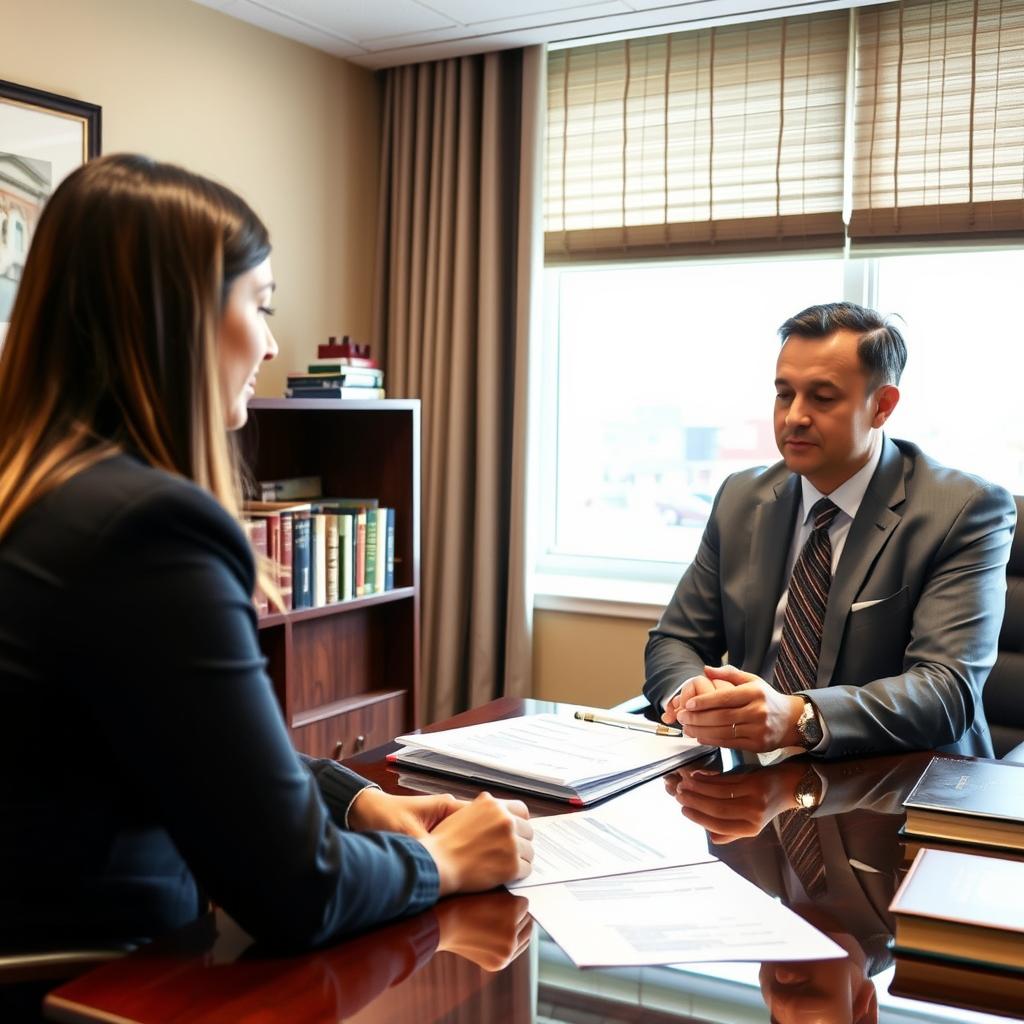
K1 Visa Lawyer Capitol Hill, DC
Seeking a K1 fiancé visa to bring your future spouse to Capitol Hill, DC? The K1 nonimmigrant visa allows a U.S. Citizen to petition for a foreign-citizen fiancé to enter the United States for marriage. Navigating USCIS petitions, consular processing, and post-arrival adjustment of status requires careful compliance with immigration law. Mr. Sris and his Of Counsel team at Law Offices Of SRIS, P.C., practicing since 1997, help couples in Capitol Hill, Eastern Market, H Street Corridor, and throughout Washington, D.C., prepare and manage K1 visa applications. Reach our firm at (888) 437-7747 to request a consultation. Law Offices Of SRIS, P.C. – Advocacy Without Borders.
Counsel appearing on immigration matters at the District of Columbia.
Understanding the K1 Fiancé Visa for Capitol Hill Residents
The K1 visa, governed by the Immigration and Nationality Act at 8 U.S.C. § 1101(a)(15)(K), is a nonimmigrant visa that enables a U.S. Citizen to sponsor a foreign-citizen fiancé to travel to the United States for marriage. For Capitol Hill residents, the process typically involves filing Form I-129F with U.S. Citizenship and Immigration Services (USCIS), which is initially processed at a USCIS service center. If the petition is approved, the case is forwarded to the National Visa Center and then to the U.S. Embassy or consulate in the fiancé’s home country for visa issuance.
The USCIS Washington Field Office, located at 2675 Prosperity Avenue in Fairfax, Virginia, serves the District of Columbia for biometrics and certain in-person needs. The Arlington Immigration Court, at 1901 S. Bell Street in Arlington, Virginia, handles removal proceedings if any immigration enforcement issues arise. Our Arlington location, at 1655 Fort Myer Drive, Suite 700, Room 719, Arlington, VA 22209, places Mr. Sris and his Of Counsel within close reach of these federal agencies. The K1 visa process demands careful documentary proof of the relationship, evidence of meeting in person within the two years prior to filing, and full disclosure of prior marriages or immigration history. Even minor errors can lead to delays or denials.
The K1 Visa Process: From Petition to Green Card
After the I-129F petition is approved, the foreign-citizen fiancé applies for the K1 visa at a U.S. Consulate abroad and attends an interview. Once the visa is issued, the fiancé travels to the United States. The couple must marry within 90 days of the fiancé’s admission. After the marriage, the foreign-citizen spouse may file Form I-485 to apply for adjustment of status to lawful permanent resident. Biometrics and an interview at the USCIS Washington Field Office are part of that process. Conditional residence may apply if the marriage is less than two years old at the time of green card approval, requiring a later Form I-751 petition to remove conditions.
Processing times for K1 petitions depend on the USCIS service center’s current workload and the consulate’s scheduling. Because immigration law and policy can change, experienced guidance helps ensure the application is correctly assembled and any legal issues—such as prior immigration violations, criminal history, or complex relationship circumstances—are addressed proactively. Mr. Sris and his Of Counsel are familiar with the procedural requirements and evidentiary standards that USCIS and the Department of State apply in K1 visa adjudications.
How Mr. Sris and His Of Counsel Handle K1 Visa Cases
Mr. Sris, Owner and Founder of Law Offices Of SRIS, P.C., is a former prosecutor and practices immigration law across Virginia, Maryland, the District of Columbia, New Jersey, and New York. He and his Of Counsel team bring extensive combined legal experience to K1 visa matters. Results may vary. The firm takes a detail-oriented approach to each K1 petition, verifying the accuracy of all supporting documents, preparing clients for consular interviews, and advising on post-marriage steps to maintain lawful status.
When a K1 petition encounters complications—such as a Request for Evidence (RFE), Notice of Intent to Deny (NOID), or consular refusal—Mr. Sris and his Of Counsel evaluate the legal and factual basis for the action and prepare a response or motion. If removal proceedings arise due to prior immigration violations, the firm’s experience in defensive immigration litigation provides a foundation for seeking relief. The firm serves clients throughout Capitol Hill and surrounding neighborhoods from its Arlington location, with consultations available by phone at (888) 437-7747.
About Mr. Sris and His Of Counsel Team
Law Offices Of SRIS, P.C. was founded in 1997. Mr. Sris is admitted in Virginia, Maryland, the District of Columbia, New Jersey, and New York. He testified before the Virginia House Courts of Justice Committee in support of 2019 HB 635 (chief patron Del. David Bulova). The firm’s Of Counsel attorneys are engaged through Excella and contribute substantial immigration practice knowledge. Together, the team has documented over 4,739 case results across all practice areas, with a 93%+ favorable outcome rate as reported by the firm. Results may vary.
Frequently Asked Questions
What is a K1 visa?
A K1 visa is a nonimmigrant visa that allows a U.S. Citizen’s foreign-citizen fiancé to travel to the United States to marry within 90 days of arrival. After the marriage, the foreign-citizen spouse may apply for adjustment of status to become a lawful permanent resident. The K1 visa requires the couple to have met in person within the two years before filing, with limited exceptions. The petition is filed on Form I-129F with U.S. Citizenship and Immigration Services (USCIS).
Who is eligible for a K1 visa?
To qualify, the petitioner must be a U.S. Citizen, and both parties must be legally free to marry and have met in person within the two years before filing, unless a cultural or extreme hardship waiver applies. Any prior marriages must be legally terminated. The foreign-citizen fiancé must be admissible to the United States or eligible for a waiver of inadmissibility. Mr. Sris and his Of Counsel evaluate eligibility before filing to address potential issues early.
How long does the K1 visa process take?
Processing times vary based on USCIS service center workloads and consular appointment availability, but typical K1 petition adjudication can take several months to over a year. Once approved, the National Visa Center and the consulate in the fiancé’s home country complete the visa issuance steps. Factors such as an RFE, background check delays, or consular processing backlogs can extend the timeline. For a current estimate, contact our firm to discuss your specific circumstances.
What happens after the K1 visa is approved?
After the foreign-citizen fiancé enters the United States on a K1 visa, the couple must marry within 90 days, and then the spouse may file Form I-485 to adjust status to lawful permanent resident. The couple will attend a biometrics appointment and an interview at a local USCIS office, such as the Washington Field Office. If the marriage is less than two years old at the time the green card is granted, conditional permanent residence is issued, requiring the filing of Form I-751 to remove conditions within the 90-day period before the two-year anniversary of obtaining residence.
Do I need a lawyer for a K1 visa?
You are not legally required to have a lawyer to file a K1 visa petition, but legal guidance helps ensure that all forms are correctly completed, supporting evidence is sufficient, and any potential eligibility issues are addressed before filing. Mistakes or omissions can result in a denial, an RFE, or even findings of misrepresentation that create future immigration obstacles. Mr. Sris and his Of Counsel review each case for hidden risks and prepare the petition to meet the required legal standards.
What can I do if my K1 visa petition is denied?
If USCIS denies a K1 petition, the petitioner may have options such as filing a motion to reopen or reconsider, appealing to the Administrative Appeals Office, or refiling with additional evidence. The appropriate response depends on the reason for the denial and the strength of the underlying facts. Mr. Sris and his Of Counsel assess USCIS denial notices and recommend a strategy. If the consulate refuses the visa, they can advise on overcoming the consular officer’s findings or seeking a waiver of inadmissibility. For guidance on a denial, reach our firm at (888) 437-7747.
For more immigration support in the District of Columbia, see our pages on: Washington, D.C. Immigration Lawyer, Georgetown Immigration Lawyer, and Spring Valley Immigration Lawyer.
Attorney advertising. Prior results do not guarantee a similar outcome.
Results may vary.
Case results depend on a variety of factors unique to each case.