
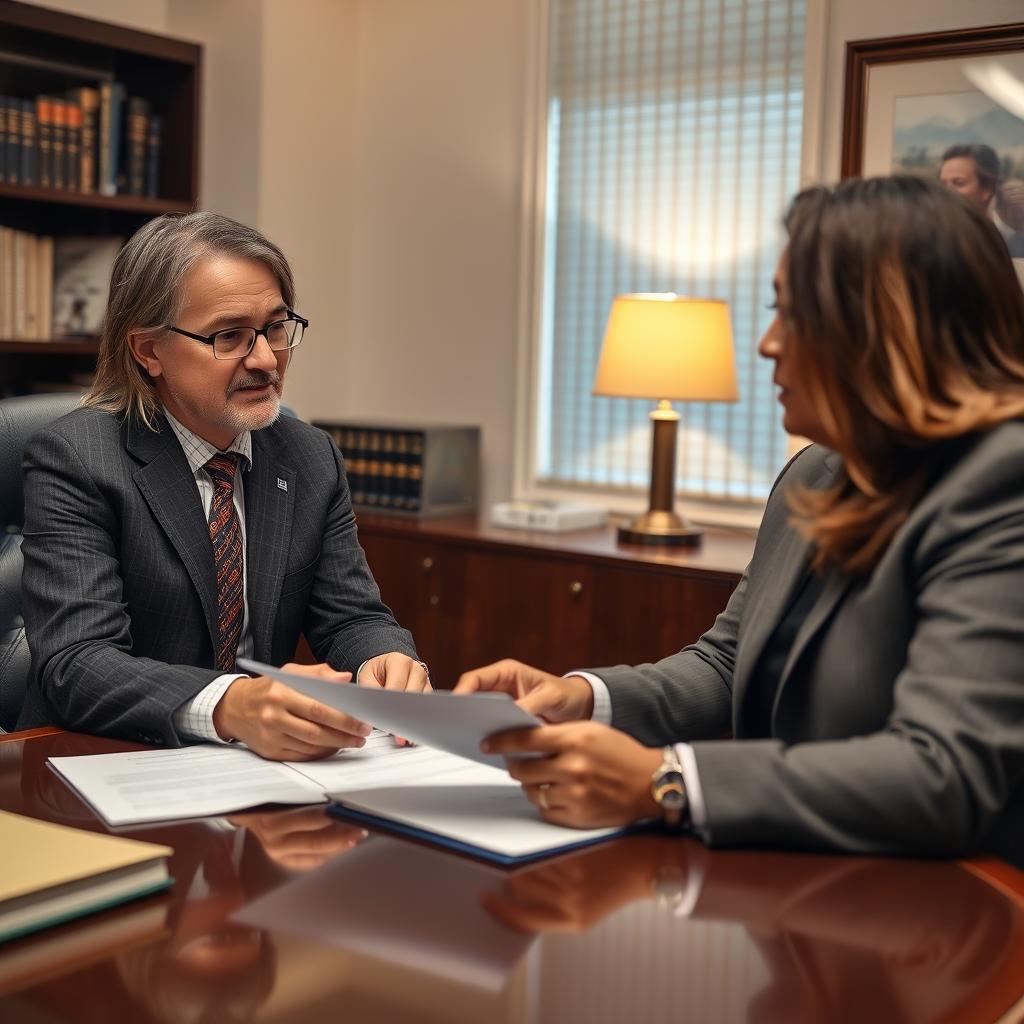
K-3 Spouse Visa Lawyer Warren County, VA
If you are a U.S. Citizen and your spouse resides overseas, the K‑3 spouse visa can help your family reunite in the United States while the immigrant visa petition is being processed. Law Offices Of SRIS, P.C., a multi‑state firm practicing since 1997, represents Warren County families through every step of the K‑3 application. Our Shenandoah location serves clients throughout the Front Royal and Linden areas, guiding them through the U.S. Citizenship and Immigration Services processes that affect their lives. Whether you need to file the I‑130 petition, track consular processing, or address a request for additional evidence, Mr. Sris and his Of Counsel provide attentive counsel. Reach our firm at (888) 437‑7747 to discuss your situation and explore your options for bringing your spouse to the United States. Law Offices Of SRIS, P.C. – Advocacy Without Borders.
What K‑3 Spouse Visa Work Means in Warren County
Warren County residents pursue K‑3 visas with the help of an attorney who understands the federal immigration system and the way that system interacts with the local community. The K‑3 classification, set out in section 101(a)(15) of the Immigration and Nationality Act (8 U.S.C. § 1101(a)(15)(K)), permits the foreign‑national spouse of a U.S. Citizen to enter the United States as a nonimmigrant. While the underlying family‑based immigrant petition (Form I‑130) makes its way through USCIS and, in many cases, the National Visa Center, the K‑3 allows the couple to be together in the United States. After entry the spouse may apply for adjustment of status to lawful permanent resident once the I‑130 is approved and a visa number is available.
Because immigration is exclusively federal, cases are not filed in the Warren County General District Court. Instead, Warren County applicants submit affirmative applications to the USCIS Washington District Office at 2675 Prosperity Avenue, Fairfax, VA 22031. If removal proceedings arise—for example because of a prior immigration violation—matters are heard at the Arlington Immigration Court, 1901 South Bell Street, Arlington, VA 22202. Mr. Sris, who is admitted in Virginia, Maryland, the District of Columbia, New Jersey, and New York, appears before USCIS and the Executive Office for Immigration Review on behalf of Warren County families. The firm’s Shenandoah location, at 505 N Main St, Suite 103, Woodstock, VA 22664, is by appointment only; call (888) 437‑7747 to schedule a consultation.
How Mr. Sris and His Of Counsel Handle K‑3 Spouse Visa Cases
The K‑3 process begins with a thorough review of the marriage and the couple’s immigration history. Mr. Sris and his Of Counsel gather the necessary documentation—proof of the U.S. Citizen’s status, a valid marriage certificate, evidence that the marriage is bona fide, and any prior divorce decrees. The petitioning spouse files Form I‑130 with USCIS and then submits the K‑3 application (Form I‑129F) to the appropriate USCIS service center. Once USCIS approves the I‑129F, it forwards the case to the National Visa Center and then to the U.S. Embassy or consulate in the beneficiary’s home country for consular processing. Throughout this timeline—which varies depending on USCIS caseloads and the consulate’s schedule—the firm tracks the case, responds to any requests for evidence, and prepares the couple for the consular interview.
After the K‑3 visa is issued and the spouse enters the United States, the family can focus on the larger goal: lawful permanent residence. The firm assists with the adjustment‑of‑status application (Form I‑485) and the related work‑permit and travel‑document applications. Government filing fees for these steps, as of this writing, include $1,440 for the I‑485, $675 for the I‑130, and $85 for biometrics. Mr. Sris and his Of Counsel explain each fee and explore whether a fee waiver on Form I‑912 may be available. Because immigration law changes frequently, the firm monitors policy updates that could affect eligibility and processing times, helping Warren County clients make informed decisions.
About Mr. Sris and His Of Counsel Team
Mr. Sris, Owner and Founder of Law Offices Of SRIS, P.C., has built a career on careful preparation and thorough advocacy. A former prosecutor, he brings a thorough understanding of how government agencies approach cases—a perspective that serves his immigration clients well when presenting evidence to USCIS or the immigration court. Mr. Sris testified before the Virginia House Courts of Justice Committee in support of 2019 HB 635 (chief patron Del. David Bulova). He is admitted in Virginia, Maryland, the District of Columbia, New Jersey, and New York.
Mr. Sris and his Of Counsel bring extensive combined legal experience to K‑3 spouse visa matters. Results may vary. in your case. Every Of Counsel attorney is an independent practitioner who works with the firm, never an associate or employee. Together they guide Warren County families through the immigration process with attention to each case’s unique circumstances. For individualized counsel, call (888) 437‑7747.
Frequently Asked Questions
What is a K‑3 spouse visa?
A K‑3 spouse visa is a nonimmigrant visa that allows the foreign‑national spouse of a U.S. Citizen to enter the United States while the immigrant visa petition remains pending. Created by Congress to reduce family separation, the K‑3 classification lets the couple live together in the United States during the often lengthy green‑card process. The spouse must have a pending Form I‑130 and must be outside the United States at the time of the visa interview. Once admitted on a K‑3 visa, the spouse may apply for work authorization and later adjust status to lawful permanent resident. Because the eligibility rules and processing steps can be complex, many applicants work with an immigration attorney to avoid mistakes that could delay the reunion.
How do I start the K‑3 visa application process?
Start by filing Form I‑130, Petition for Alien Relative, with USCIS on behalf of your spouse, and then file Form I‑129F, Petition for Alien Fiancé(e), to request K‑3 classification. The I‑130 must be approved or pending for the I‑129F to be accepted. Both forms require supporting documents: proof of U.S. Citizenship, a valid marriage certificate, evidence that the marriage is genuine, and passport‑style photographs. After USCIS approves the I‑129F, the case is sent to the National Visa Center and then to the U.S. Embassy or consulate in the beneficiary’s home country. An attorney can help you compile the evidence, respond to a request for evidence, and track your case through each stage.
How long does it take to get a K‑3 visa?
The processing time for a K‑3 visa varies based on USCIS caseloads, the consulate’s schedule, and the completeness of the application. Generally, the I‑130 and I‑129F are adjudicated within several months, but backlogs can extend the wait. Consular processing adds additional time. Because the K‑3 is designed to be faster than the immigrant visa route, many families use it to shorten the separation. An experienced attorney can flag issues early and help prevent delays caused by missing documentation or eligibility concerns.
What if my I‑130 is approved before the K‑3 visa is issued?
If the I‑130 immigrant petition is approved before the K‑3 visa is issued, USCIS will administratively close the I‑129F, and the case will proceed directly to consular processing for an immigrant visa instead of a K‑3. In that situation the spouse will enter the United States as a lawful permanent resident upon arrival, bypassing the need for adjustment of status. This is a common outcome that does not harm the overall objective; it simply means the green‑card process has already moved forward. An attorney can monitor the case and explain which path is active so that the family knows what to expect at each stage.
Can my spouse work in the United States on a K‑3 visa?
Yes, a K‑3 visa holder may apply for an employment authorization document (EAD) by filing Form I‑765 with USCIS after admission to the United States. The EAD is typically processed within several months, and the spouse may begin working as soon as it is approved. While the EAD is pending, the spouse can also apply for a travel document (advance parole) if international travel is needed. Because these applications are tied to the underlying adjustment‑of‑status process, it is important to keep all filings consistent. An immigration lawyer can track deadlines and help the spouse maintain lawful status throughout the process.
Do I need a lawyer for a K‑3 visa application?
You are not legally required to hire a lawyer for a K‑3 visa application, but the complexity of immigration forms, supporting evidence, and consular procedures leads many people to obtain legal guidance. A single mistake on the I‑130 or I‑129F—such as an incorrect answer, a missing document, or a failure to explain a prior immigration issue—can cause a denial or a lengthy delay. Mr. Sris and his Of Counsel review your entire immigration history, prepare a complete package, and respond to any government inquiries. For a confidential consultation, call (888) 437‑7747.
For additional resources, explore our related pages:
- Immigration Lawyer in Clarke County, VA
- Immigration Attorney Serving Shenandoah County
- Immigration Lawyer Frederick County, VA
- Rockingham County Immigration Attorney
- Augusta County Immigration Legal Services
For official Virginia court information:
Attorney advertising. Prior results do not guarantee a similar outcome.
Results may vary.
Case results depend on a variety of factors unique to each case.