
K-3 Spouse Visa Lawyer Prince George County
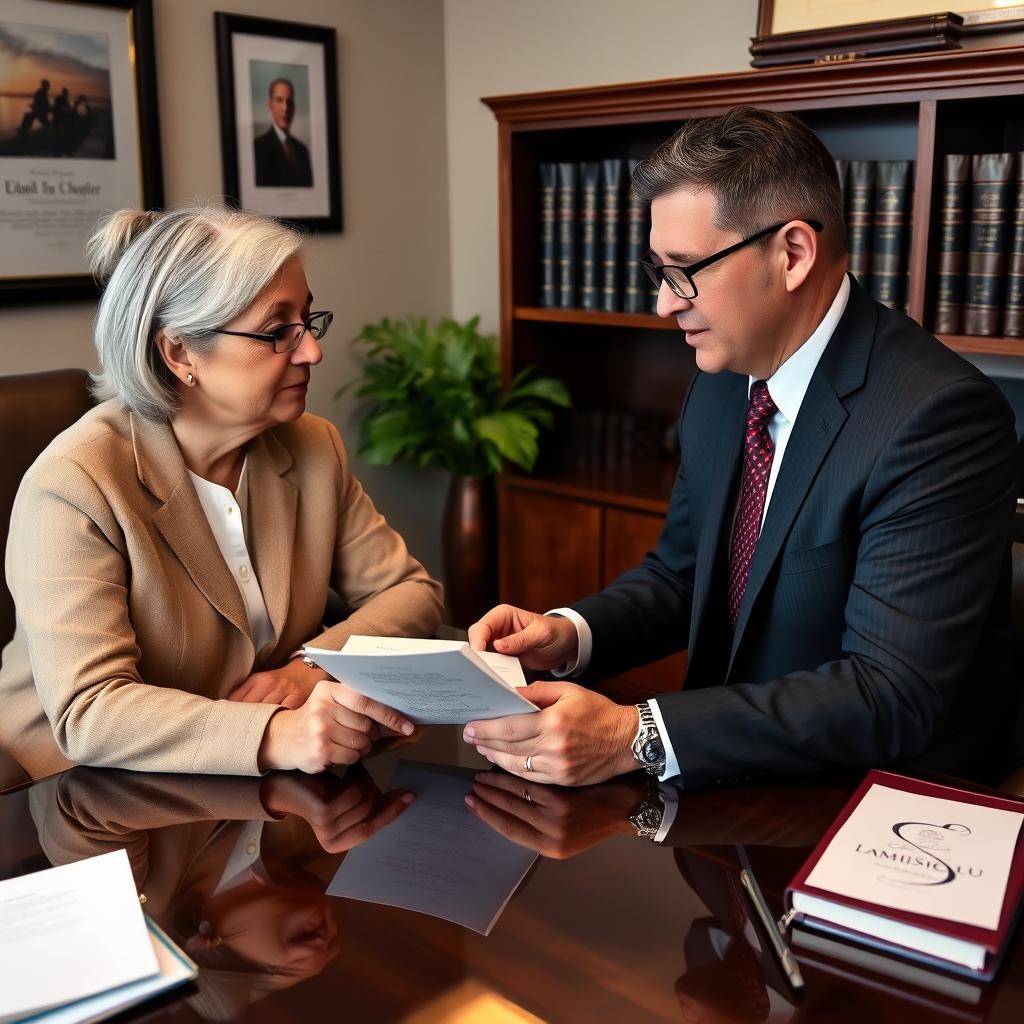
You need a K-3 Spouse Visa Lawyer Prince George County to file the I-129F petition and manage the two-step immigration process. Law Offices Of SRIS, P.C. —Advocacy Without Borders. handles these cases for Prince George County residents. We prepare your petition, coordinate with the National Visa Center, and represent you at the consular interview. (Confirmed by SRIS, P.C.)
Statutory Definition of the K-3 Visa Process
The K-3 nonimmigrant visa is defined under the Legal Immigration Family Equity (LIFE) Act and codified in the Immigration and Nationality Act (INA) § 101(a)(15)(K). It is a temporary visa classification created to allow the foreign-citizen spouse of a U.S. citizen to enter the United States to await approval of an immigrant visa petition. The maximum benefit is lawful entry and a work permit while adjusting status. The process is not governed by Virginia state law but by strict federal immigration statutes and U.S. Citizenship and Immigration Services (USCIS) regulations. A K-3 Spouse Visa Lawyer Prince George County understands these federal layers. They ensure your petition meets all procedural requirements from the initial filing through to the final adjustment of status interview.
Primary Statute: Immigration and Nationality Act (INA) § 101(a)(15)(K) – Nonimmigrant Visa Classification – Allows for entry and adjustment of status.
What is the difference between a K-3 visa and a CR-1 visa?
A K-3 visa is a nonimmigrant visa for spouses to enter the U.S. faster while the immigrant petition processes. The CR-1 is an immigrant visa that grants permanent residence immediately upon entry. The K-3 involves two separate applications: the I-129F for the nonimmigrant visa and the underlying I-130 immigrant petition. For a Prince George County resident, choosing the right path depends on current USCIS processing times and the goal of faster reunification.
What are the basic eligibility requirements for a K-3 visa?
You must be legally married to a U.S. citizen who has filed an I-130 petition on your behalf. The marriage must be legally valid where it was performed. The U.S. citizen spouse must meet income requirements to act as your financial sponsor. You must also demonstrate a bona fide marital relationship to overcome scrutiny. A spousal immigration lawyer Prince George County gathers evidence like joint accounts, photos, and affidavits to prove this.
Can I work in the U.S. on a K-3 visa?
Yes, but you must apply for employment authorization after arriving. You file Form I-765, Application for Employment Authorization, with USCIS. Approval typically takes several months. You cannot work legally until you receive the Employment Authorization Document (EAD). A marriage visa petition lawyer Prince George County will file this application promptly to minimize your wait time.
The Insider Procedural Edge in Prince George County
While immigration is federal, your local connection matters. SRIS, P.C. provides localized support for Prince George County clients handling the USCIS and Department of State systems. Procedural specifics for Prince George County are reviewed during a Consultation by appointment at our Prince George County Location. We manage the entire pipeline from filing the I-129F with the correct USCIS Lockbox to preparing for the consular interview at the U.S. Embassy or Consulate abroad. The timeline hinges on USCIS service center workloads and the specific consulate’s interview backlog. Filing fees are set federally and change; the current fee for Form I-129F is required at the time of submission. We ensure accurate payment and documentation to avoid rejections.
What is the typical timeline for a K-3 visa from start to finish?
The process often takes 10 to 15 months from initial filing to visa issuance. USCIS takes 6-10 months to adjudicate the I-129F petition. The National Visa Center stage takes 1-2 months for document processing. The consular interview scheduling depends on the embassy’s wait times, which can vary widely. A K-3 Spouse Visa Lawyer Prince George County monitors each stage and follows up on delays.
The legal process in prince george county follows specific procedural requirements that affect case timelines and outcomes. Courts in this jurisdiction apply local rules that may differ from neighboring areas. An attorney familiar with prince george county court procedures can identify procedural advantages relevant to your situation.
Where do I file the K-3 visa petition?
You file Form I-129F by mail to the USCIS Dallas Lockbox facility. The address is USCIS, Attn: I-129F, P.O. Box 660151, Dallas, TX 75266. For courier deliveries, use a different physical address. Your lawyer ensures the package is complete and sent to the correct location to prevent processing setbacks.
What happens at the consular interview?
The foreign spouse attends an interview at the U.S. Embassy or Consulate in their home country. A consular officer will verify the marriage’s legitimacy and the applicant’s admissibility. They will review the original civil documents and ask questions about the relationship. Preparation with a lawyer is critical to address any potential issues like prior immigration violations. Learn more about Virginia legal services.
Penalties & Defense Strategies for Visa Issues
The most common penalty for a flawed K-3 application is a denial and loss of filing fees. More severe consequences include a finding of misrepresentation, which can lead to a permanent bar from the U.S. A denied petition wastes significant time and can separate families for years. The table below outlines potential negative outcomes.
Virginia law establishes specific statutory frameworks that govern these matters. Each case involves unique factual circumstances that require careful legal analysis. SRIS, P.C. attorneys evaluate every relevant factor when developing case strategy for clients in prince george county.
| Issue | Consequence | Notes |
|---|---|---|
| Incomplete I-129F Petition | Request for Evidence (RFE) or Denial | Delays process by 3-6 months minimum. |
| Insufficient Proof of Bona Fide Marriage | Petition Denial | Requires re-filing with new evidence, restarting the clock. |
| Misrepresentation (Fraud) | Visa Denial + Possible Permanent Inadmissibility | Under INA § 212(a)(6)(C)(i). Extremely difficult to overcome. |
| Public Charge Grounds | Visa Denial | If the sponsoring spouse’s income is below the poverty guidelines. |
| Criminal Inadmissibility | Visa Denial | May require a separate waiver application (Form I-601). |
[Insider Insight] Consular officers at high-fraud posts scrutinize marriage-based petitions heavily. They look for inconsistencies in the couple’s story, age gaps, and limited time spent together. For Prince George County petitioners with spouses from such regions, assembling a strong evidence package with a timeline of the relationship is non-negotiable. A spousal immigration lawyer Prince George County anticipates these points of contention.
What if my K-3 visa is denied at the consulate?
You can often reapply after addressing the reason for denial. The consular officer should provide a reason for the refusal under a specific section of immigration law. Common reasons include insufficient relationship evidence or missing documents. Your lawyer will analyze the refusal notice and formulate a strategy for a subsequent application.
Can a prior deportation affect my K-3 visa?
Yes, a prior removal order creates a significant barrier. You may be subject to a re-entry bar for 5, 10, or 20 years. You might need to apply for a waiver of inadmissibility on Form I-212. This adds complexity and time to your case, requiring precise legal argumentation.
How much does it cost to hire a K-3 visa lawyer?
Legal fees vary based on case complexity and the lawyer’s experience. You pay USCIS filing fees separately. Investing in a lawyer upfront can prevent costly errors and denials. SRIS, P.C. provides a clear fee structure during your initial consultation for Prince George County cases.
Court procedures in prince george county require proper documentation and adherence to filing deadlines. Missing a deadline or submitting incomplete filings can negatively impact case outcomes. Working with an attorney who handles cases in prince george county courts regularly ensures that procedural requirements are met correctly and on time.
Why Hire SRIS, P.C. for Your Prince George County K-3 Visa
Our lead immigration attorney has over a decade of focused experience handling family-based visa petitions. We understand the procedural nuances that make or break a K-3 case. SRIS, P.C. has successfully guided numerous Prince George County families through the immigration process. Our differentiator is direct attorney involvement and careful evidence preparation. We do not treat your case as a simple form filing; we build a compelling narrative for USCIS and the consulate.
Primary Attorney: Our managing immigration attorney has a proven record with the USCIS Texas and Nebraska Service Centers, where many I-129F petitions are adjudicated. This attorney personally reviews each petition package from our Prince George County clients to ensure compliance with the latest adjudication trends. Learn more about criminal defense representation.
The timeline for resolving legal matters in prince george county depends on multiple factors including case type, court scheduling, and the positions of all parties involved. SRIS, P.C. keeps clients informed throughout the process and works to move cases forward as efficiently as possible.
We assign a dedicated legal team to manage your case from the initial consultation in Prince George County to your spouse’s arrival. We prepare you and your spouse for the consular interview with detailed coaching. Our firm has resources to handle related issues like criminal inadmissibility waivers if they arise. We stay current with policy changes at USCIS and the Department of State that affect processing.
Localized FAQs for Prince George County Residents
Do I need a lawyer in Prince George County for a K-3 visa?
While not legally required, a lawyer prevents errors. USCIS denies incomplete petitions. A local lawyer understands evidence standards for Prince George County residents and can represent you if issues arise.
How long can my spouse stay in the U.S. on a K-3 visa?
The K-3 visa allows for a two-year period of admission. You must file for adjustment of status (Form I-485) to become a permanent resident before this period expires to maintain lawful status.
Financial implications are often a significant concern in legal proceedings. Virginia courts consider relevant financial factors when making determinations. Proper preparation of financial documentation strengthens your position and supports favorable outcomes in prince george county courts.
Can my K-3 visa holder children come with them?
Yes. Minor, unmarried children of the K-3 visa holder may qualify for K-4 nonimmigrant visas. They must be listed on the original I-130 petition and follow the same application process.
What if we get married outside the United States?
The process is the same. The U.S. citizen spouse files the I-130 and I-129F from the United States. The foreign spouse will attend the consular interview in their home country. The marriage must be legally recognized there.
What happens after my spouse enters the U.S. on a K-3 visa?
You must immediately apply for adjustment of status to become a lawful permanent resident. File Form I-485 with USCIS. Your experienced legal team will manage this critical final step to secure the green card.
Proximity, Call to Action & Disclaimer
Our Prince George County Location serves clients throughout the county and surrounding areas. We are accessible for meetings to discuss your K-3 visa strategy and evidence preparation. Consultation by appointment. Call 888-437-7747. 24/7.
Law Offices Of SRIS, P.C.—Advocacy Without Borders.
Phone: 888-437-7747
Past results do not predict future outcomes.