
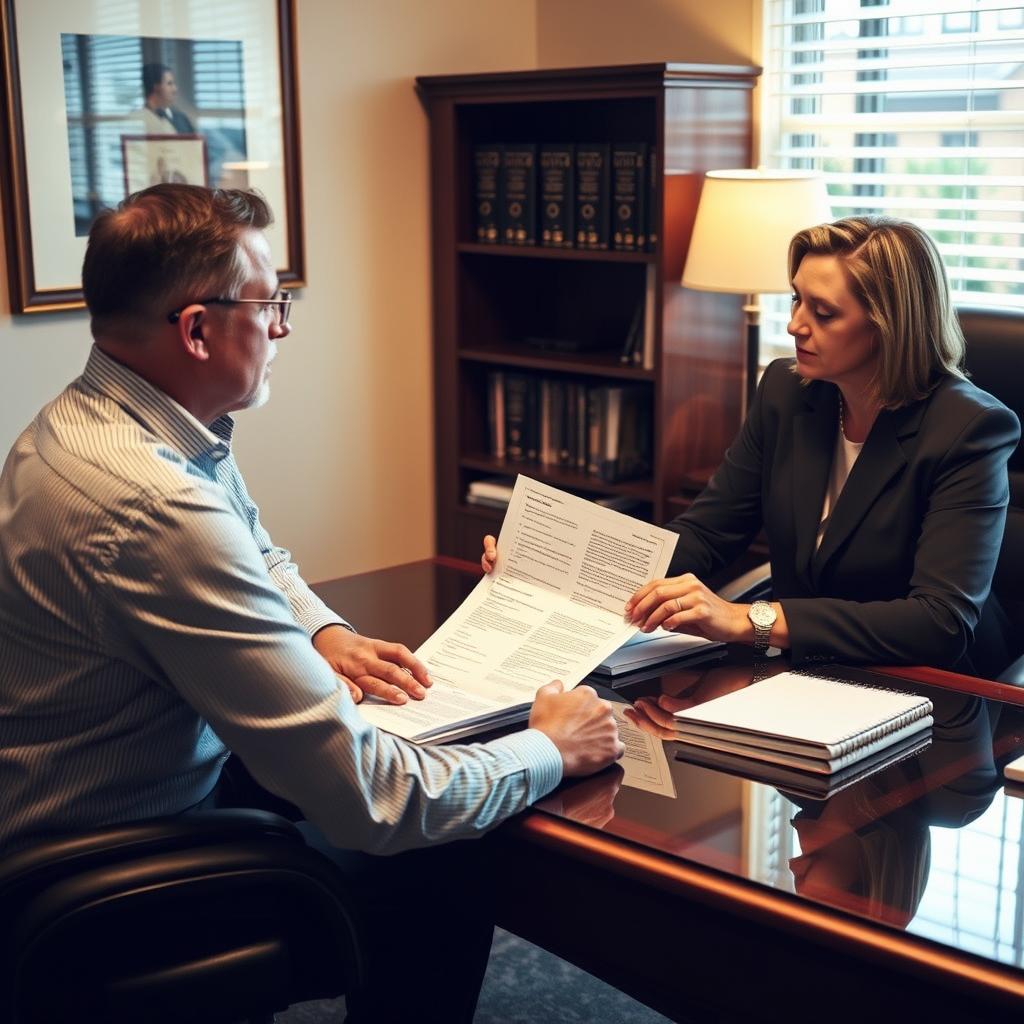
K-3 Spouse Visa Lawyer Fredericksburg, VA
For spouses of U.S. Citizens, the K-3 visa offers a pathway to enter the United States while the immigrant visa petition is pending. Understanding how the K-3 category operates under the Immigration and Nationality Act—and how to navigate the process from Fredericksburg, Virginia—can make a significant difference in reuniting families. Law Offices Of SRIS, P.C. helps individuals and families throughout the Fredericksburg area prepare and pursue K-3 spouse visa applications and related immigration relief. Because immigration matters are handled at the federal level, Fredericksburg residents work with USCIS and, when necessary, the Arlington Immigration Court. Mr. Sris, Owner and Founder of the firm, and his Of Counsel bring extensive experience to family-based immigration cases. To discuss a K-3 visa matter, call (888) 437-7747. Law Offices Of SRIS, P.C. – Advocacy Without Borders.
What a K-3 Spouse Visa Means in Fredericksburg, Virginia
The K-3 nonimmigrant visa category was created to allow the foreign spouse of a U.S. Citizen to enter the United States and await the approval of an immigrant petition. Under 8 U.S.C. § 1101(a)(15), the K-3 classification sits alongside other nonimmigrant categories such as the K-1 fiancé visa. Although the K-3 has become less common in recent years—because USCIS and the Department of State often process the underlying I-130 petition and the immigrant visa simultaneously—it remains a valid option in certain circumstances. For families in Fredericksburg, the process begins not in a state court but with federal immigration authorities. The USCIS Washington Field Office, located at 2675 Prosperity Avenue in Fairfax, handles affirmative applications for Fredericksburg residents, while removal proceedings, if they arise, are docketed at the Arlington Immigration Court.
Fredericksburg sits along the I‑95 corridor roughly an hour south of the Washington, D.C. Metropolitan area, giving residents access to the region’s federal immigration infrastructure. Many Fredericksburg families include individuals who entered on a K‑1 fiancé visa, later married, and now need to adjust status or pursue consular processing. In a K-3 scenario, the couple files a Form I-130 immigrant petition and a Form I-129F nonimmigrant petition, often simultaneously. The process requires meticulous documentation of the bona fide marriage, including joint financial records, shared residence evidence, and statements from community contacts. Because the K-3 pathway interacts with immigrant visa categories under 8 U.S.C. § 1153, when a USCIS-approved I-130 petition is sent to the National Visa Center before the K-3 is issued, the consular process may proceed directly to immigrant visa issuance, effectively bypassing the K-3 entry. An immigration attorney who regularly handles Fredericksburg matters can help a family evaluate whether the K-3 route still makes practical sense for their situation.
How Mr. Sris and His Of Counsel Handle K-3 Spouse Visa Cases
When a prospective client contacts Law Offices Of SRIS, P.C. about a K-3 spouse visa, the first step is a consultation to review the factual history: the date of marriage, the citizenship status of the petitioner, any prior immigration violations, and the current stage of any pending I-130 filing. The firm identifies whether the K-3 classification offers a meaningful advantage over direct consular processing of an immigrant visa. If the K-3 strategy is appropriate, Mr. Sris and his Of Counsel prepare the I-129F petition with the supporting evidence required by USCIS, ensuring that every document meets the agency’s current standards. Because the K-3 is a nonimmigrant visa, the applicant must demonstrate that they intend to return abroad if the immigrant visa is ultimately denied; careful framing of the petition helps avoid unnecessary complications.
Throughout the process, the firm monitors USCIS case status and communicates with the National Visa Center and the relevant U.S. Consulate. If a request for evidence (RFE) or a notice of intent to deny (NOID) is issued, Mr. Sris and his Of Counsel respond with thorough documentation. For Fredericksburg residents who may need to appear before the Arlington Immigration Court—for example, if underlying inadmissibility issues trigger removal proceedings—the firm appears at dockets and advocates for voluntary departure, cancellation of removal, or other relief as appropriate. The approach is built on decades of collective experience: Mr. Sris, a former prosecutor, and his Of Counsel have handled immigration matters since the firm’s founding in 1997. They work toward favorable outcomes for each family, acknowledging that every case is unique.
About Mr. Sris and His Of Counsel Team
Mr. Sris is Owner and Founder of Law Offices Of SRIS, P.C. and has been practicing since 1997. He is a former prosecutor, which gives him insight into how government agencies build cases, and he is admitted in Virginia, Maryland, the District of Columbia, New Jersey, and New York. Mr. Sris testified before the Virginia House Courts of Justice Committee in support of 2019 HB 635 (chief patron Del. David Bulova). He leads the firm’s immigration practice and personally oversees complex family-based petitions, green card applications, and removal defense. The firm’s Of Counsel attorneys bring extensive collective experience to K-3 visa matters, working alongside Mr. Sris to prepare petitions, respond to agency requests, and represent clients at interviews and court hearings.
Law Offices Of SRIS, P.C. has documented immigration case results for families across Virginia, including successes in family-based petitions and deportation defense. Results may vary. in any individual matter. The firm is available to Fredericksburg residents by appointment at the Fairfax location, and consultations can be arranged by calling (888) 437-7747.
Frequently Asked Questions
What is a K-3 spouse visa and who qualifies?
A K-3 visa is a nonimmigrant visa that permits the foreign spouse of a U.S. Citizen to enter the United States while the couple’s I-130 immigrant petition is awaiting adjudication. To qualify, the couple must already be legally married, the U.S. Citizen must have filed an I-130 petition for the spouse, and the foreign spouse must be outside the United States. The K-3 does not grant permanent resident status directly; the spouse must later adjust status or complete consular processing once the I-130 is approved. The K-3 category was created to reduce separation time, but because USCIS and the Department of State now process many cases concurrently, the K-3 is used less frequently than in past years. An attorney can assess whether it still offers an advantage in a particular situation.
How does the K-3 visa process work for a Fredericksburg resident?
The process begins with filing a Form I-129F petition with USCIS after an I-130 immigrant petition has been filed. USCIS will adjudicate the I-129F and, if approved, forward it to the National Visa Center and then to the U.S. Consulate abroad. The foreign spouse attends a visa interview at the consulate, provides biometrics, and undergoes a medical examination. If the consular officer approves the K-3, the spouse can travel to the United States. Once in the U.S., the spouse may apply for work authorization and will later need to adjust status or complete the immigrant visa process. For Fredericksburg residents, the USCIS Washington Field Office in Fairfax handles correspondence and interviews for adjustment applications, while the Arlington Immigration Court has jurisdiction over any removal proceedings that may be triggered by underlying immigration issues.
Do I need a lawyer for a K-3 spouse visa in Fredericksburg?
Immigration law does not require you to hire a lawyer to file a K-3 visa petition, but legal guidance helps avoid procedural mistakes that can cause delays or denials. A K-3 application involves two separate petitions, extensive documentation of the marital relationship, and coordination with multiple federal agencies. Missing deadlines, submitting incomplete evidence, or misunderstanding a notice from USCIS or the consulate can put the case at risk. Mr. Sris and his Of Counsel assist Fredericksburg families by preparing petitions, responding to requests for evidence, and representing spouses during interviews and court appearances. To discuss your specific case, call (888) 437-7747.
What can cause a K-3 visa application to be denied?
A K-3 application may be denied if the petitioner fails to establish a valid marriage, the foreign spouse has certain inadmissibility grounds, or the underlying I-130 immigrant petition is not properly filed. USCIS and consular officers scrutinize whether the marriage is bona fide—not entered into solely for immigration benefits. Inadequate documentation of shared finances, cohabitation, or family ties can lead to denial. Prior immigration violations, criminal history, or health-related grounds of inadmissibility can also create obstacles. Where a waiver is available, an attorney can request it. If USCIS issues a notice of intent to deny, prompt and substantive response is critical. Mr. Sris and his Of Counsel help clients identify potential issues early and build a record that addresses the government’s concerns before a final decision is made.
How does the K-3 differ from the CR-1 or IR-1 spouse visa?
The K-3 is a temporary nonimmigrant visa, while the CR-1 and IR-1 are immigrant visas that confer lawful permanent resident status immediately upon entry to the United States. A spouse who enters on a K-3 is admitted as a nonimmigrant and must later adjust status by filing Form I-485 or complete consular processing abroad. In contrast, a spouse who receives a CR-1 or IR-1 becomes a green card holder at the port of entry. Because the immigrant visa process is often completed in roughly the same timeframe as the K-3 process, many couples choose to wait for the immigrant visa rather than pursue the K-3. However, when there are delays in immigrant visa processing or the foreign spouse needs to enter the U.S. Sooner, the K-3 may still be a useful strategy. An immigration attorney can weigh these options based on current USCIS and consular processing times.
Explore our immigration services in nearby Virginia communities:
Fairfax County Immigration Lawyer |
Fairfax City Immigration Lawyer |
Falls Church Immigration Lawyer |
Prince William County Immigration Lawyer |
Manassas Immigration Lawyer
Attorney advertising. Prior results do not guarantee a similar outcome. Case results depend on a variety of factors unique to each case. Results may vary.