
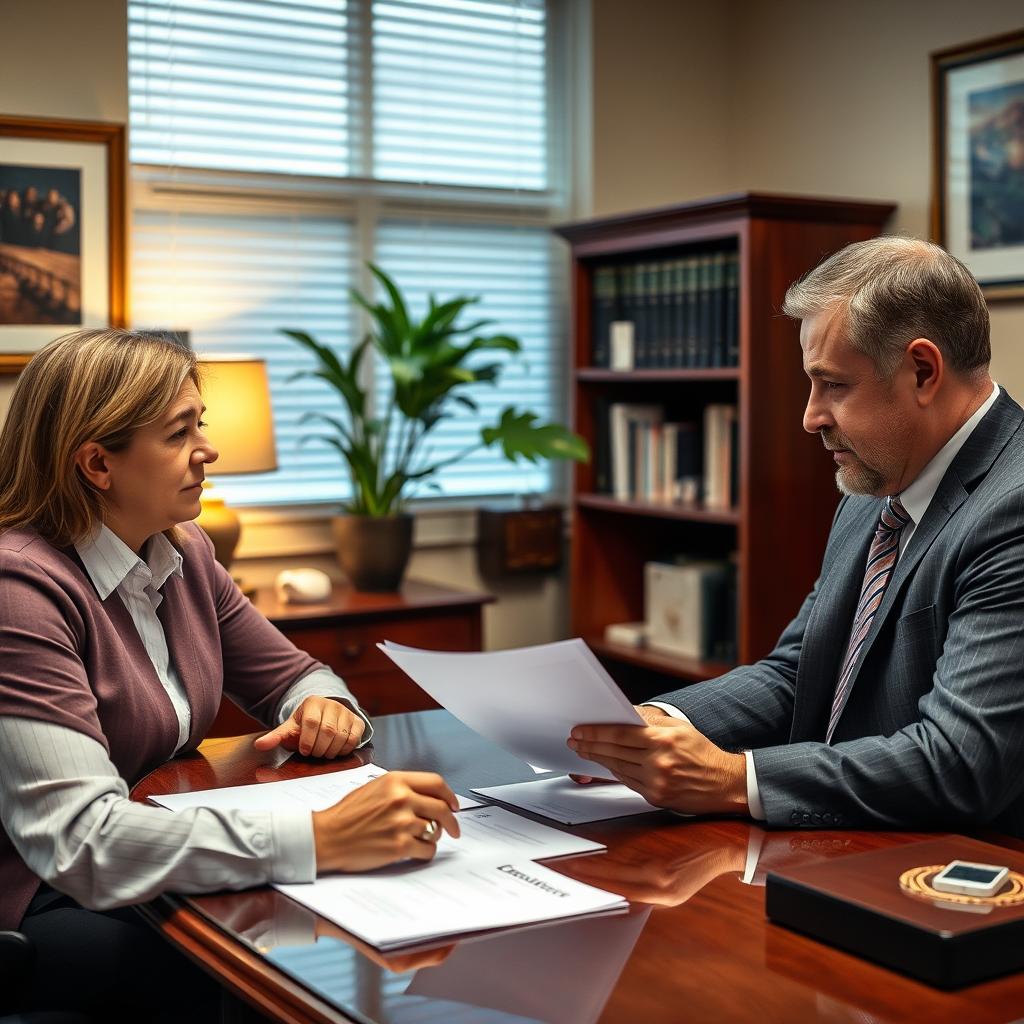
Immigration Waiver Lawyer Prince George’s County
An Immigration Waiver Lawyer Prince George’s County fights to overcome grounds of inadmissibility for clients. Law Offices Of SRIS, P.C. —Advocacy Without Borders. handles complex waiver applications like I-601 and I-601A. These waivers seek forgiveness for past immigration violations or criminal acts. The process is legal and procedural. A strong application requires precise legal arguments and evidence. (Confirmed by SRIS, P.C.)
Statutory Definition of Immigration Waivers
Immigration waivers are governed by federal law, specifically the Immigration and Nationality Act (INA). The INA defines who is inadmissible to the United States. Waivers provide a legal path to forgive certain grounds of inadmissibility. This allows an individual to obtain a visa, adjust status, or re-enter the country. The law is strict but provides specific avenues for relief. Understanding the exact statutory basis for your waiver is the first critical step. An Immigration Waiver Lawyer Prince George’s County analyzes your case against the INA.
Primary Waiver Authority: INA § 212(h) — Discretionary Waiver — Maximum Penalty: Permanent Bar from the U.S. This statute allows the Attorney General to waive certain grounds of inadmissibility. It applies to crimes involving moral turpitude, multiple criminal convictions, prostitution, and simple possession of 30 grams or less of marijuana. The applicant must demonstrate extreme hardship to a qualifying U.S. citizen or Lawful Permanent Resident family member. Approval is not assured and rests on discretionary judgment.
Other key waiver provisions include INA § 212(i) for fraud or misrepresentation and INA § 212(a)(9)(B)(v) for unlawful presence. Each section has distinct eligibility requirements and legal standards. The application process involves filing specific forms with U.S. Citizenship and Immigration Services (USCIS). Supporting documentation must be extensive and compelling. A single error can lead to a denial. Legal strategy is built on the precise code section that fits your facts.
What is the most common waiver application?
The Form I-601, Application for Waiver of Grounds of Inadmissibility, is the most common. This form is used to waive a wide range of inadmissibility grounds for individuals outside the U.S. or those adjusting status. It requires proof that denial would cause extreme hardship to a U.S. citizen or lawful permanent resident spouse or parent. The definition of “extreme hardship” is legal and stringent. An experienced lawyer crafts the hardship argument with detailed evidence.
What is the difference between an I-601 and I-601A waiver?
The I-601A provisional waiver is for individuals only inadmissible due to unlawful presence. Key difference: you file the I-601A from within the United States before departing for your consular interview. It is a “provisional” approval, meaning the final decision comes from the consulate. The I-601 is a broader waiver filed after a consular denial or during adjustment of status. Choosing the correct waiver form is a critical legal decision with major consequences.
Who qualifies as a “qualifying relative” for hardship?
For most waivers, a qualifying relative is a U.S. citizen or Lawful Permanent Resident spouse or parent. Some waivers may also include children. The relative must experience “extreme hardship” if you are denied admission. This hardship must go beyond the normal sadness of separation. It includes factors like medical conditions, financial devastation, or country conditions. The argument must be documented with medical records, experienced reports, and country condition evidence.
The Insider Procedural Edge in Prince George’s County
While waiver applications are filed with federal agencies, local legal support in Prince George’s County is vital. USCIS has field Locations, but cases are often adjudicated at service centers. Having a lawyer who understands the local immigration court docket and USCIS Location temperament provides an edge. Procedural knowledge prevents delays and mistakes. SRIS, P.C. provides this localized support from our Maryland Location.
Where is my waiver application filed and processed?
Waiver applications are mailed to a USCIS Lockbox facility, not a local Location. The Lockbox location depends on your place of residence and the waiver type. For Maryland residents, filings are typically sent to the Phoenix or Dallas Lockbox. The application is then routed to a USCIS Service Center for adjudication. You may later have an interview at a local USCIS Field Location like the one in Baltimore. Knowing this pipeline helps manage expectations and timelines.
What is the current processing time for a waiver?
USCIS processing times for I-601 and I-601A waivers routinely exceed 12 months. Current timelines can be found on the USCIS website for each service center. These times are estimates and can change. Premium processing is not available for most waiver applications. The wait requires patience and precise follow-up. A lawyer monitors your case and responds promptly to any Requests for Evidence (RFEs).
What are the government filing fees for a waiver?
The current filing fee for Form I-601 is $930. The filing fee for Form I-601A is $630. These fees are paid to the U.S. Department of Homeland Security. Fees are subject to change and are non-refundable, even if the application is denied. Biometrics services cost an additional $85. Fee waivers are extremely difficult to obtain for these applications. Budgeting for these costs is part of the legal planning process.
Penalties & Defense Strategies for Waiver Denials
The most severe penalty for waiver ineligibility is a permanent bar from the United States. If you are found inadmissible and no waiver applies, you cannot get a visa or green card. A denial can also trigger removal proceedings. The stakes are permanent separation from family. A strong defense strategy begins long before you file the application.
| Offense / Ground of Inadmissibility | Potential Consequence Without Waiver | Notes |
|---|---|---|
| Crime Involving Moral Turpitude (CIMT) | Permanent inadmissibility under INA § 212(a)(2)(A)(i)(I) | Waiver under INA § 212(h) may be available. |
| Unlawful Presence (More than 180 days) | 3-year bar from U.S. after departure. | Bar triggers upon leaving. I-601A waiver addresses this. |
| Unlawful Presence (More than 1 year) | 10-year bar from U.S. after departure. | Bar triggers upon leaving. I-601A waiver addresses this. |
| Fraud or Willful Misrepresentation | Permanent inadmissibility under INA § 212(a)(6)(C)(i) | Waiver under INA § 212(i) may be available. |
| Multiple Criminal Convictions | Permanent inadmissibility under INA § 212(a)(2)(B) | Waiver under INA § 212(h) may be available. |
[Insider Insight] USCIS adjudicators and Department of State consular officers heavily scrutinize hardship evidence. Generic letters about emotional hardship are insufficient. Successful strategies from our Prince George’s County Location involve detailed documentation: psychological evaluations, country condition reports from experienced attorneys, and thorough financial affidavits. We treat the waiver application like a trial brief, arguing your case with evidence.
What is the best defense against a waiver denial?
The best defense is a perfectly prepared application with overwhelming evidence filed the first time. Anticipate every question an adjudicator will have. Answer it with documentation before they ask. This includes certified court dispositions for any criminal matter, official translations, and affidavits from witnesses. A weak or rushed application invites a Request for Evidence or a denial. We build the case to withstand scrutiny from the start.
Can you appeal a denied immigration waiver?
There is no direct appeal for a denied I-601 or I-601A waiver. Your options are limited to filing a motion to reopen or reconsider with USCIS, or refiling a new application. Both require new, material evidence or a showing of legal error. Refiling often makes more strategic sense. The decision depends on the reason for denial. A lawyer analyzes the denial notice to chart the next course of action.
How does a criminal record affect a waiver application?
A criminal record is often the primary reason a waiver is needed. Not all crimes make you inadmissible. The specific statute of conviction, the sentence imposed, and the date of the crime all matter. We obtain the full record and compare it to the INA’s definitions. Sometimes, post-conviction relief like a pardon or expungement in Maryland can change the analysis. This is a complex area requiring criminal defense representation knowledge.
Why Hire SRIS, P.C. for Your Immigration Waiver
SRIS, P.C. attorneys combine immigration law knowledge with courtroom-tested litigation skills. We fight for your waiver as if it were a trial. Our approach is direct, evidence-based, and strategic. We do not just fill out forms; we build legal arguments. For Prince George’s County residents, we provide accessible, localized counsel from our Maryland Location.
Attorney Background: Our immigration team includes attorneys experienced in both family-based immigration and the intersection of criminal and immigration law. This dual perspective is critical for waiver cases, which often hinge on criminal convictions. We understand how Maryland court records are interpreted by USCIS. We know how to frame hardship arguments that meet the legal standard. Our goal is a single, successful filing.
Our firm handles cases from start to finish. We gather documents, draft legal briefs, and prepare you for interviews. We communicate clearly about risks and expectations. The immigration system is adversarial. Having a determined advocate levels the field. Our experienced legal team is ready to assess your case.
Localized FAQs for Prince George’s County Residents
Where do I file my immigration waiver application from Prince George’s County?
You mail your waiver application to a USCIS Lockbox. The address depends on the waiver type and your mailing method. Your lawyer will ensure it is sent to the correct facility. Procedural specifics for Prince George’s County are reviewed during a Consultation by appointment at our Maryland Location.
How long does it take to get a waiver approved in Maryland?
Current USCIS processing times for I-601 and I-601A waivers often exceed one year. Timelines vary by service center. You can check current estimates on the official USCIS website. Your lawyer will monitor your case status.
Can I stay in the U.S. while my I-601A waiver is pending?
Yes. The I-601A provisional waiver is filed while you are in the United States. You remain here during processing. Do not depart for your consular interview until the provisional waiver is approved. Unauthorized departure can trigger the bar.
What evidence proves “extreme hardship” for a waiver?
Evidence includes medical records of the qualifying relative’s conditions, psychological evaluations, proof of financial dependence, and experienced reports on country conditions. Letters from family and friends have limited value. The evidence must show severe, documented hardship.
What happens if my immigration waiver is denied?
Options include filing a motion to reopen/reconsider or submitting a new waiver application. The best path depends on the denial reason. A denied waiver can lead to removal proceedings. Immediate legal advice is critical after a denial.
Proximity, Call to Action & Disclaimer
SRIS, P.C. serves clients throughout Prince George’s County and Maryland. While waiver applications are filed federally, having local legal counsel is essential. We provide strategic guidance and prepare your case from our Maryland Location. We understand the local community and legal area.
Consultation by appointment. Call 24/7. We will discuss your inadmissibility issues and waiver options. Do not face this complex process alone. Contact an immigration lawyer who knows how to fight for a waiver.
Law Offices Of SRIS, P.C.
—Advocacy Without Borders.
Past results do not predict future outcomes.