
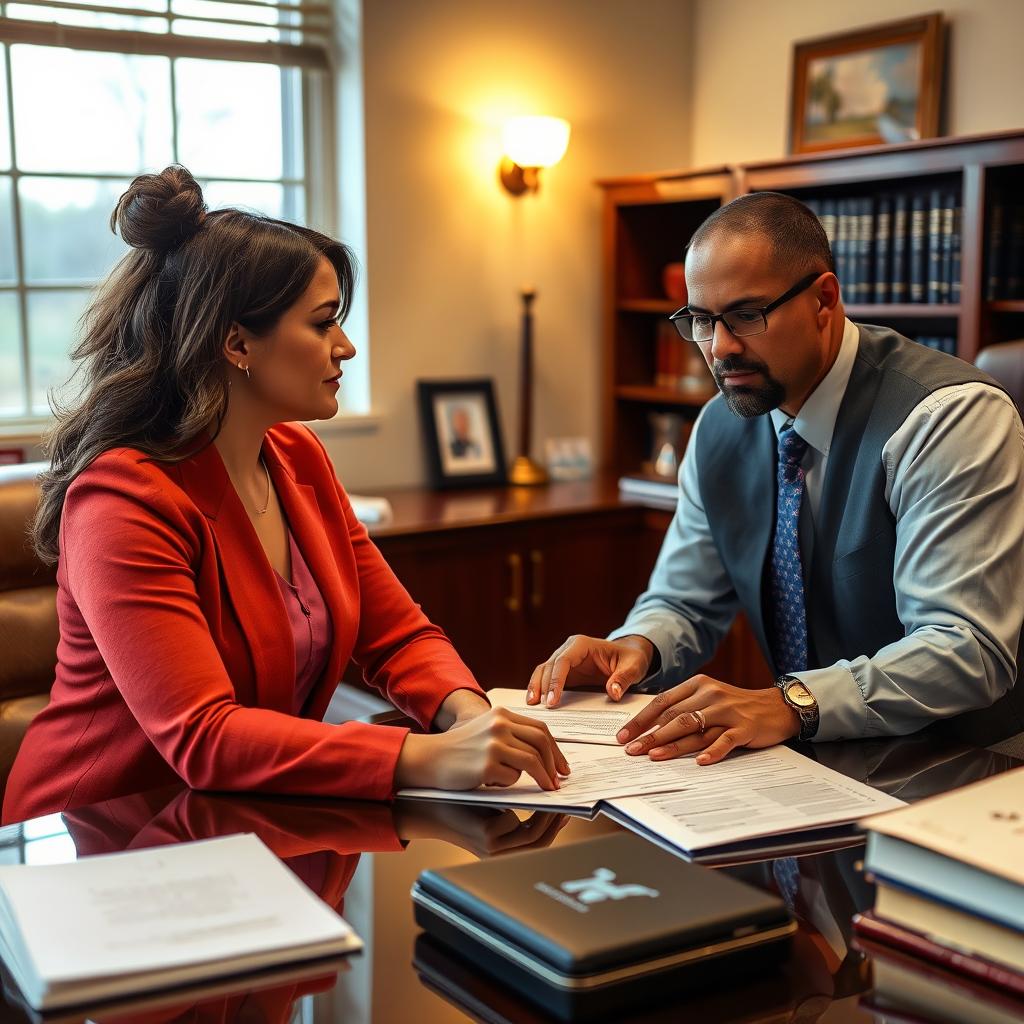
Immigration Motion Lawyer Louisa County, VA
For Louisa County residents facing the complex federal immigration system, the right motion filed at the right time can be the difference between remaining in the United States and a removal order. Law Offices Of SRIS, P.C. assists individuals and families in Louisa County with immigration motions before USCIS, the Immigration Court, and the Board of Immigration Appeals. Our practice concentrates on motions to reopen, motions to reconsider, and related procedural requests that keep cases moving through the administrative process. Mr. Sris and his Of Counsel bring extensive experience in immigration law and understand how the federal immigration courts handling Louisa County matters—including the Arlington Immigration Court—operate. To schedule a consultation about an immigration motion, call (888) 437-7747. Law Offices Of SRIS, P.C. – Advocacy Without Borders.
What Immigration Motions Mean for Louisa County Residents
Louisa County sits between Richmond and Charlottesville along the I‑64 corridor. There is no Immigration Court in the county itself. Immigration motions for Louisa County residents are filed and adjudicated at the Arlington Immigration Court, the Board of Immigration Appeals, or USCIS field offices in Northern Virginia. This means that someone living in Mineral, Louisa, or Zion Crossroads must rely on their attorney to prepare and file motions with the correct federal office and to appear for hearings in Arlington when required. Our Richmond location serves as the firm’s base for Louisa County clients, and we regularly handle immigration motions for people who cannot travel long distances by ensuring all paper filings are timely submitted and by coordinating remote appearances where permitted.
An immigration motion is a formal request asking an immigration judge, the Board of Immigration Appeals, or USCIS to take a specific action on a pending or decided case. Common motions include motions to reopen a deportation order based on new evidence, motions to reconsider a decision based on a legal error, and motions to continue a hearing to allow time to gather supporting documentation. Each motion has strict procedural requirements, and the standard of review varies significantly by the type of motion and the stage of the case. Because immigration law is exclusively federal and the regulations change frequently, working with an attorney who concentrates on immigration practice is especially important for someone in Louisa County who may not have easy access to the Arlington Immigration Court.
How Mr. Sris and His Of Counsel Handle Immigration Motions
When a Louisa County resident contacts the firm about an immigration motion, the first step is a careful review of the procedural history. Mr. Sris and his Of Counsel examine the prior immigration judge’s decision, the notice to appear, and any prior applications for relief to determine whether the motion is timely, whether it raises a proper legal or factual ground, and what supporting evidence is required. The team prepares a memorandum of law and supporting affidavit that addresses the specific regulatory standard—whether it is a motion to reopen under 8 U.S.C. § 1229a(c)(7) or a motion to reconsider citing an error of law.
Once the motion is filed, the firm monitors the docket and communicates with the immigration court or USCIS about scheduling and any additional requests for evidence. If the motion involves a stay of removal, the attorney requests that the immigration judge or Board of Immigration Appeals temporarily halt deportation while the motion is pending. Throughout the process, the Louisa County client is kept informed, and documentation is provided so that they understand the status of their motion and any upcoming hearing dates.
About Mr. Sris and His Of Counsel Team
Mr. Sris, Owner and Founder of Law Offices Of SRIS, P.C., founded the firm in 1997 and is admitted to practice in Virginia, Maryland, the District of Columbia, New Jersey, and New York. He is a former prosecutor who has built a multi-state practice handling immigration matters alongside experienced Of Counsel. The immigration motions team works collaboratively—Mr. Sris and his Of Counsel review each file, identify the strongest procedural arguments, and prepare motions that are tailored to the specific immigration court or USCIS office where the case is being heard. The firm’s approach emphasizes careful preparation, attention to federal filing deadlines, and an understanding of how immigration judges in the Arlington Immigration Court evaluate motions.
Frequently Asked Questions
What is an immigration motion?
An immigration motion is a formal written request to an immigration judge, the Board of Immigration Appeals, or USCIS asking the adjudicator to take a specific action on a case. Motions may seek to reopen a previously closed case, to reconsider a decision based on a claimed error of law or fact, to continue a hearing, or to terminate proceedings. Each type of motion has its own legal standard and strict filing deadlines. Because the rules are technical and the consequences of a denied motion can be severe—including the loss of the right to remain in the United States—individuals often consult an immigration attorney before filing.
Where are immigration motions heard for residents of Louisa County, Virginia?
Louisa County does not have an Immigration Court; motions for Louisa County residents are heard at the Arlington Immigration Court or decided by the Board of Immigration Appeals, depending on the stage of the case. Affirmative motions filed with USCIS are processed at the Washington District Office in Fairfax. The Richmond location of Law Offices Of SRIS, P.C. serves Louisa County clients and appears at the Arlington Immigration Court for motion hearings. The firm also handles motions filed directly with USCIS and the Board of Immigration Appeals without requiring the client to travel to Northern Virginia for every proceeding.
What is the difference between a motion to reopen and a motion to reconsider?
A motion to reopen asks the immigration judge or Board to review the case again based on new evidence that was not previously available, while a motion to reconsider argues that the prior decision was legally or factually incorrect based on the record that already existed. A motion to reopen typically requires the submission of new, material evidence and must explain why the evidence could not have been presented earlier. A motion to reconsider must identify a specific error of law or fact in the original decision. The two types of motions are governed by different time limits and evidentiary requirements; filing the wrong type of motion can lead to a denial and prejudice the case.
Can a motion stop a deportation order for a Louisa County resident?
A properly filed motion to reopen or reconsider can, in some circumstances, result in a stay of removal that temporarily stops deportation while the motion is pending. The attorney must specifically request a stay from the immigration judge or Board, and the request is not automatically granted. The availability of a stay depends on whether the motion presents a strong likelihood of success and whether the noncitizen would suffer irreparable harm if removed before the motion is decided. Even if a stay is not granted, a timely filed motion to reopen generally prevents the government from executing the removal order while the motion is under consideration.
Do I need an attorney to file an immigration motion in my case?
There is no legal requirement to have an attorney file an immigration motion, but the procedural rules are complex and the success rate for pro se motions is significantly lower than for motions prepared by experienced immigration counsel. Immigration motions require a precise understanding of the regulations, the ability to frame arguments under the applicable legal standard, and familiarity with the local practices of the adjudicatory body. An attorney can identify an appropriate type of motion to file, gather and present supporting evidence in a way that meets the immigration court’s expectations, and avoid procedural dismissal for technical defects.
How long does it take for an immigration motion to be decided?
Decision timelines for immigration motions vary widely depending on the type of motion, the adjudicatory body, and the current docket backlog at the specific office handling the case. Motions filed with the Board of Immigration Appeals may take several months to a year or more, while motions before an immigration judge at the Arlington Immigration Court might be scheduled for hearing more quickly depending on the judge’s calendar. USCIS motion processing times are published periodically and differ by form type. An attorney can provide a more realistic estimate based on current processing data once the details of the case are reviewed.
What documents should I gather to support an immigration motion?
The documents required depend on the type of motion and the factual and legal issues involved, but typically include the original decision or order, any new evidence, affidavits from witnesses, and a legal memorandum explaining why the motion should be granted. For a motion to reopen based on changed country conditions, country-condition reports and personal declarations describing the changed circumstances are essential. For a motion to reconsider, the attorney will pinpoint the specific error in the prior decision and submit the relevant portions of the record with legal analysis. The attorney works with the client to identify and obtain all necessary documentation before filing.
Can I file a motion to reconsider if my green card application was denied?
Yes, a motion to reconsider a USCIS denial of a green card application may be filed if the decision was based on an incorrect application of the law or a misreading of the evidence in the record. The motion must be filed within the applicable USCIS deadline and must clearly state the error. It does not allow the introduction of new facts; if new evidence is available, a motion to reopen (or a new application) may be appropriate. An attorney can review the denial notice and determine which motion is the trusted option and whether an appeal to the Administrative Appeals Office is also warranted.
What happens if my immigration motion is denied?
If an immigration motion is denied, the original decision or order remains in effect, and additional avenues of relief may be limited by the denial ruling. In some cases, the denial may be appealed to a higher body, such as the Board of Immigration Appeals or a federal circuit court. The client and attorney should evaluate the denial to determine whether an appeal is viable and whether there are any other options, such as a new application for relief or a request for prosecutorial discretion. An experienced immigration attorney can help Louisa County residents understand the strategic choices after a denial.
Can I file an immigration motion if I missed a court deadline?
Missing a deadline can complicate filing but does not necessarily bar a motion; the rules provide certain exceptions for untimely motions in specific circumstances, such as ineffective assistance of prior counsel or changed country conditions. A motion to reopen that is filed after the prescribed time limit must demonstrate that the delay is excusable under the regulations and that the equities weigh in favor of reopening. For example, a motion to reopen based on changed circumstances in the home country may be filed at any time if it shows that the conditions have materially changed and are relevant to the claim for relief. An attorney can assess whether an exception applies to a particular case.
What should I bring to a consultation about an immigration motion?
For a consultation about filing an immigration motion, bring any correspondence from USCIS or the immigration court, the notice to appear, prior court orders or decisions, your passport, and any evidence you believe is relevant to your case. If you have a previously filed application for asylum, cancellation of removal, or adjustment of status, bring a copy of the application and supporting documents. A detailed chronology of your immigration history, including prior entries, arrests, and applications, is also helpful. The attorney will use this information to evaluate whether a motion is appropriate and what the trusted strategy is.
Also serving: Fairfax County immigration lawyer • Prince William County immigration attorney • Fairfax City immigration lawyer
Attorney advertising. Prior results do not guarantee a similar outcome. Results may vary.
Case results depend on a variety of factors unique to each case.