
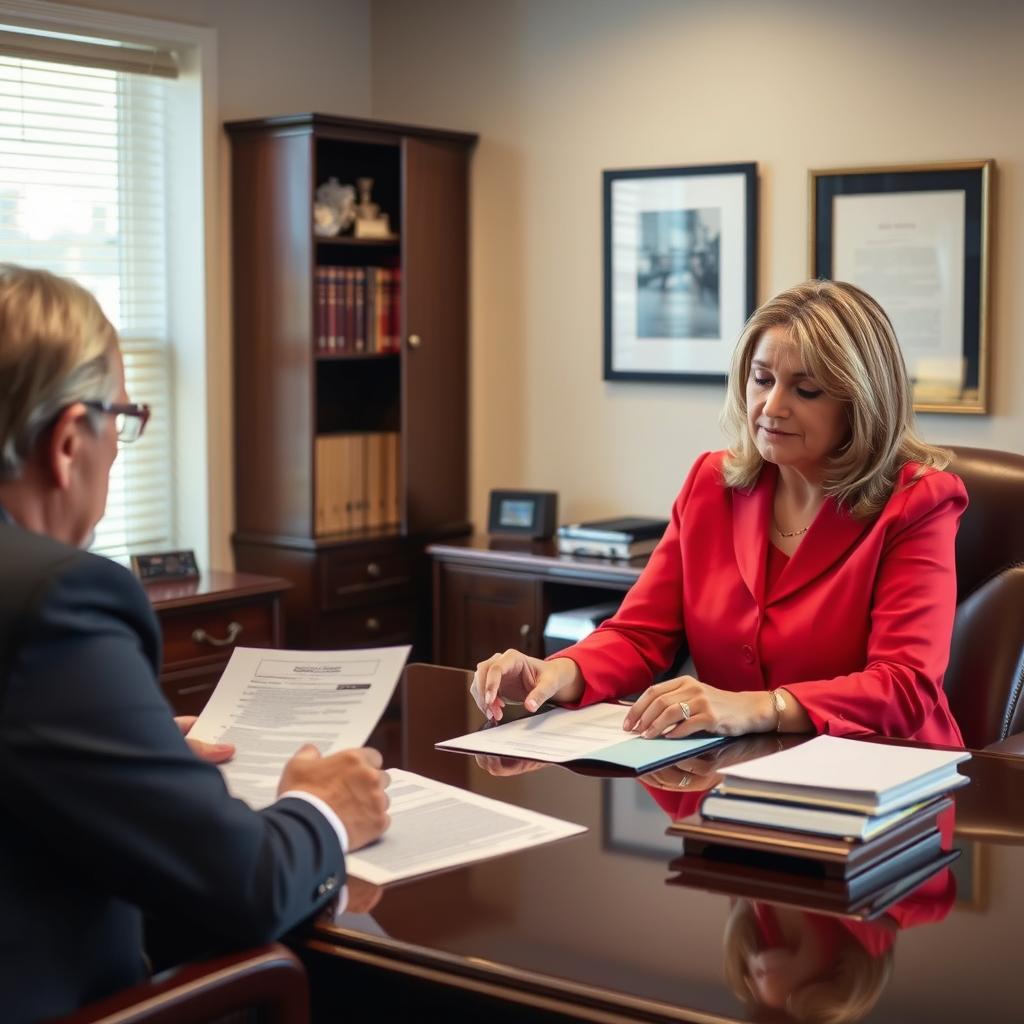
Immediate Relative Petition Lawyer Prince William County, VA
For many families in Prince William County, reuniting with a spouse, a parent, or an unmarried child under 21 is a deeply personal matter. An immediate relative petition—filed with U.S. Citizenship and Immigration Services under the Immigration and Nationality Act—allows a U.S. Citizen to sponsor a qualifying family member for lawful permanent residence without being subject to the annual numerical limits that constrain many other family-based categories. Yet the process is document-intensive, and errors in the Form I‑130 petition or the supporting evidence can lead to requests for evidence, delays, or even denials. Mr. Sris and the firm’s Of Counsel attorneys assist Prince William County residents with preparing immediate relative petitions and navigating the subsequent steps, whether the beneficiary is adjusting status from within the United States or processing through a U.S. Consulate abroad. The firm’s Fairfax Location, a short drive from Manassas, Woodbridge, and Dale City, serves clients throughout the Northern Virginia region. For a consultation, reach the firm at (888) 437‑7747. Law Offices Of SRIS, P.C. – Advocacy Without Borders.
How Mr. Sris and the Firm’s Of Counsel Attorneys Handle Immediate Relative Petition Cases
Filing a Form I‑130 petition is the foundational step, but the legal strategy extends beyond the initial submission. Our immigration practitioners begin by confirming the qualifying relationship—marriage, parentage, or birth—and assessing any potential inadmissibility issues under the INA that could affect the beneficiary. Where a spouse petition raises concerns about the bona fides of the marriage, for example, the firm’s Of Counsel attorneys work with clients to assemble documentary evidence—joint leases, shared financial accounts, photographs, and affidavits—that establishes the legitimacy of the union. Because the standard of proof is a preponderance of the evidence, thorough preparation at the petition stage often reduces the risk of an interview being referred to a fraud investigation.
After the petition is approved, the path forward depends on where the beneficiary is located. If the family member is already lawfully in the United States, an adjustment‑of‑status application may be filed with USCIS concurrently with the I‑130, assuming visa availability. If the family member is abroad, the case moves through the National Visa Center to a U.S. Consulate for immigrant visa processing. Mr. Sris and the firm’s Of Counsel attorneys guide clients through each phase—responding to USCIS requests for evidence, preparing for interviews, and addressing any legal bars that arise—so the family’s focus can remain on reunification, not on procedural surprises.
What Immediate Relative Petition Means in Prince William County
Prince William County sits in Northern Virginia’s Thirty‑first Judicial District, and while immigration is exclusively a federal matter, the practical lifeline for residents runs through the USCIS Washington Field Office in Fairfax and, if a case enters removal proceedings, the Arlington Immigration Court. An immediate relative petition filed on behalf of a spouse, parent, or unmarried child under 21 is not subject to the worldwide numerical caps that often create years‑long backlogs for other family‑based categories. This advantage can make the difference between a family member waiting abroad for years and being eligible for an immigrant visa as soon as the petition is approved and consular processing is complete. Still, the process demands meticulous attention to documentary requirements and a clear understanding of the applicable legal standards.
Residents of Manassas, Woodbridge, Dale City, Dumfries, Gainesville, Haymarket, Lake Ridge, Occoquan, and the broader Prince William County area often meet with the firm’s attorneys at the Fairfax Location to discuss their cases. Because many immediate relative petitioners are also navigating overlapping legal concerns—such as a pending criminal charge that could trigger immigration consequences—having counsel who understands both the immigration and the criminal justice systems helps protect the family’s long‑term stability. Mr. Sris’s background as a former prosecutor provides perspective on how state‑court dispositions can affect immigration eligibility, and the firm’s Of Counsel attorneys bring extensive experience in presenting the strongest possible petition under the INA.
About Mr. Sris and the Firm’s Of Counsel Attorneys
Mr. Sris founded Law Offices Of SRIS, P.C. in 1997 and serves as its Owner and Founder. He is admitted to practice in Virginia, Maryland, the District of Columbia, New Jersey, and New York. His prior service as a prosecutor gave him an insider’s understanding of how government agencies evaluate evidence—an insight he applies when constructing a well‑documented immediate relative petition. Mr. Sris also testified before the Virginia House Courts of Justice Committee in support of 2019 HB 635 (chief patron Del. David Bulova).
The firm’s Of Counsel attorneys collaborate with Mr. Sris on immigration matters, contributing their own litigation experience and institutional knowledge. Together, Mr. Sris and the firm’s Of Counsel attorneys bring extensive combined legal experience to immediate relative petitions. Results may vary. The firm’s attorneys work to present each case clearly so that a family’s desire to live together in the United States receives a fair and thorough review.
Frequently Asked Questions
What is an immediate relative petition, and who can file one?
An immediate relative petition is a Form I‑130 filed by a U.S. Citizen to sponsor a spouse, a parent (if the citizen is 21 or older), or an unmarried child under 21 for lawful permanent residence. Only a U.S. Citizen—not a lawful permanent resident—may file an immediate relative petition. The defining feature of this category is that it is exempt from the annual numerical limits that apply to other family‑based preferences, meaning an immigrant visa or adjustment of status can be available immediately once the petition is approved, without waiting for a priority date to become current under the Visa Bulletin.
Do I need a lawyer to file an immediate relative petition in Prince William County?
There is no legal requirement to hire a lawyer, but an experienced immigration attorney can help you avoid common pitfalls that cause delays or denials. The I‑130 form is deceptively straightforward; the real challenge lies in assembling the supporting documentation and addressing any legal issues—such as prior immigration violations, criminal history, or questions about the bona fides of a marriage—that could jeopardize the petition. Mr. Sris and the firm’s Of Counsel attorneys work with Prince William County families to present a complete, well‑supported petition from the start.
How long does the immediate relative petition process take?
The timeline depends on the service center adjudicating the I‑130, whether the beneficiary is adjusting status or processing abroad, and any requests for additional evidence that USCIS may issue. Generally, a straightforward petition may move through USCIS within several months, but cases requiring a consular interview or those that present complex legal issues can take longer. The firm’s attorneys monitor case status and respond promptly to USCIS inquiries to keep the matter moving forward.
What documents are typically required for an immediate relative petition?
The core documents include proof of the petitioner’s U.S. Citizenship (such as a birth certificate or U.S. Passport), evidence of the qualifying family relationship (e.g., marriage certificate, birth certificate, or adoption decree), and proof that any prior marriages have been legally terminated. Additional items—such as joint financial records, lease agreements, and photographs—are often submitted to establish the bona fides of a marriage where that is the basis for the petition. The firm’s Of Counsel attorneys help clients gather and organize the specific documents USCIS expects for the relationship at issue.
What happens if my immediate relative petition is denied?
A denial does not necessarily end the case; the petitioner may be able to file a motion to reconsider or to reopen, or to appeal the decision to the Administrative Appeals Office or the Board of Immigration Appeals, depending on the circumstances. The denial notice will state the legal and factual grounds for the decision, and the window to act is often limited. Mr. Sris and the firm’s Of Counsel attorneys evaluate the denial, determine whether an administrative review is warranted, and advise on whether refiling with stronger evidence is a better strategic option.
How does having a criminal record affect an immediate relative petition?
A criminal conviction does not automatically bar a petition, but certain offenses can make the beneficiary inadmissible under the INA and may require a waiver of inadmissibility. The nature and immigration consequences of a criminal disposition depend on the specific statute of conviction and the sentence imposed. Because Mr. Sris, a former prosecutor, understands both the criminal and immigration dimensions, the firm is positioned to identify whether a conviction triggers an inadmissibility ground and, if so, to present the case for a waiver where one is available.
For guidance on your specific situation, reach Law Offices Of SRIS, P.C. at (888) 437‑7747.
Related Immigration Services in Northern Virginia:
Fairfax County Immigration Lawyer |
Stafford County Immigration Lawyer |
Loudoun County Immigration Lawyer |
Arlington County Immigration Lawyer
Virginia Primary Sources:
Virginia Judicial System |
Virginia Legislative Information System
Attorney advertising. Prior results do not guarantee a similar outcome. Case results depend on a variety of factors unique to each case. Results may vary.