
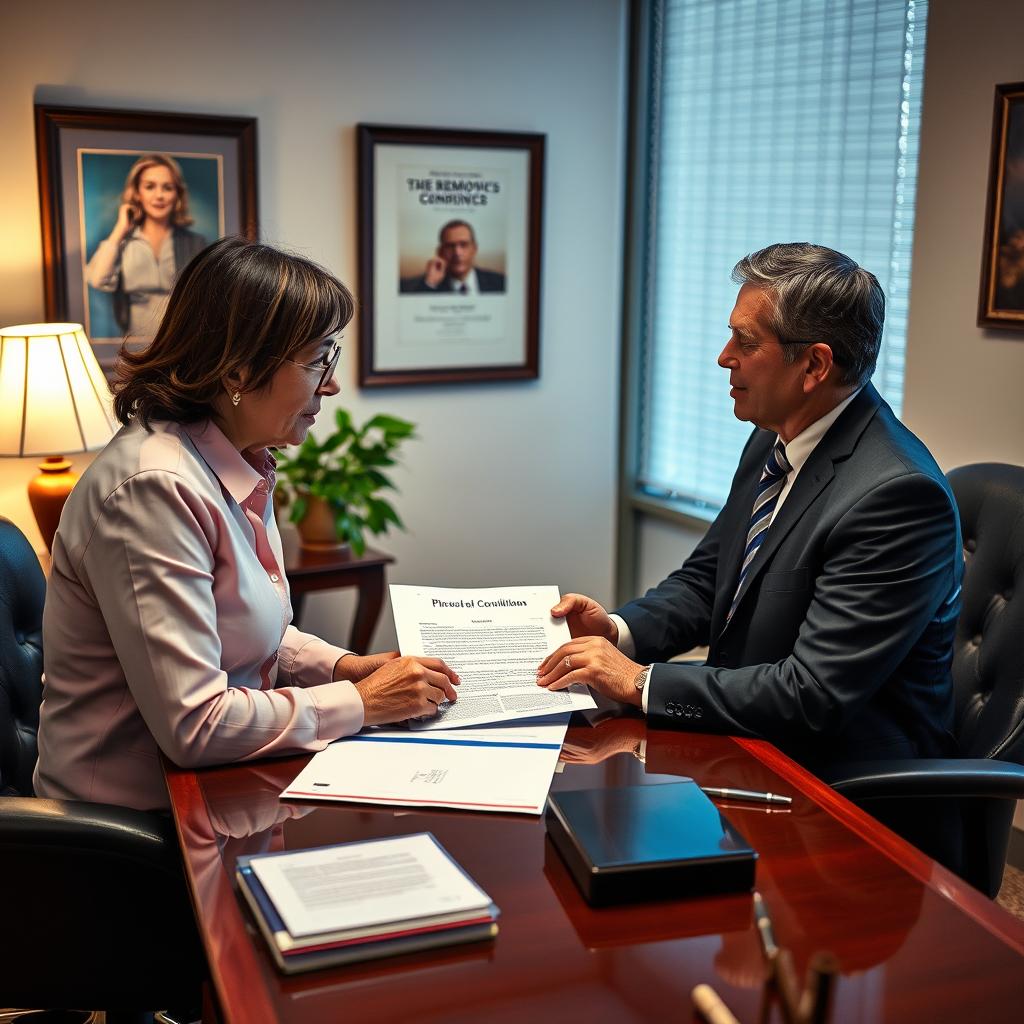
I-751 Removal of Conditions Lawyer Louisa County, VA
For residents of Louisa County, Virginia, the I-751 removal of conditions petition is a critical step in securing permanent residence after a two-year conditional green card. Immigration matters are handled exclusively at the federal level, not by the Louisa County General District Court. Residents of Louisa, Mineral, Zion Crossroads, and surrounding communities file their petitions with U.S. Citizenship and Immigration Services (USCIS) at the Washington District Office in Fairfax, and any removal proceedings are heard at the Arlington Immigration Court. Mr. Sris and his Of Counsel at Law Offices Of SRIS, P.C. assist Louisa County clients throughout the entire I-751 process—from preparing the initial filing to representing them at interviews and handling responses to any agency requests. Reach our Richmond location at (888) 437-7747 to schedule a consultation. Law Offices Of SRIS, P.C. – Advocacy Without Borders.
What the I-751 Removal of Conditions Process Means for Louisa County Residents
The I-751 petition, governed by federal immigration law, is filed jointly by a conditional permanent resident and the U.S. Citizen or lawful permanent resident spouse who petitioned for their admission. Its purpose is to demonstrate that the marriage was entered in good faith and not for immigration purposes. For Louisa County families, this means compiling documentation of shared financial obligations, cohabitation, and family life over the conditional residence period and submitting it to USCIS. The firm’s Richmond location works with clients to assemble the required evidence and ensure all deadlines are met.
Because immigration is a federal matter, the local Louisa County court system does not process or decide I-751 petitions. Instead, the petition is adjudicated by USCIS. If USCIS approves the petition, the conditions are removed and the immigrant receives a ten-year permanent resident card. If USCIS denies the petition, the matter may be referred to the immigration court in Arlington, Virginia, where removal proceedings can begin. An experienced immigration attorney can address the denial by filing a motion to reopen or reconsider, or by presenting defenses before an immigration judge.
Louisa County General District Court is currently presided over by Hon. Claiborne H. Stokes Jr.. Court hours: Mon-Fri 8:30AM-4:30PM. Counsel appearing on immigration matters should plan filings accordingly.
The filing fee for Form I-751 is $850, plus an $85 biometric services fee for each person on the petition, though fee waivers may be available for applicants who demonstrate financial hardship. Processing times vary depending on USCIS workload and the complexity of the case. The firm helps clients prepare a thorough packet to avoid unnecessary delays and monitors the case through every stage.
How Mr. Sris and His Of Counsel Handle I-751 Applications
Mr. Sris leads the firm’s immigration practice and personally oversees strategy for each I-751 matter. His Of Counsel team includes attorneys with years of experience in family-based immigration and knowledge of USCIS adjudication standards. The group works collaboratively to identify the strongest evidence of a bona fide marriage, spot potential issues early, and prepare the client for what to expect at any USCIS interview.
When a petition receives a Request for Evidence (RFE) or a Notice of Intent to Deny (NOID), the team responds promptly with the supplemental documentation needed to satisfy the officer’s concerns. If the petition is ultimately denied, Mr. Sris and his Of Counsel can represent the client in removal proceedings, seeking cancellation of removal or other forms of relief where appropriate. The firm’s multi-state practice means that even if a client relocates from Virginia to Maryland, the District of Columbia, New Jersey, or New York, continuity of representation is often possible.
About Mr. Sris and His Of Counsel Team
Mr. Sris, Owner and Founder of Law Offices Of SRIS, P.C., has practiced law since 1997 and is admitted in Virginia, Maryland, the District of Columbia, New Jersey, and New York. A former prosecutor, he brings a disciplined approach to case preparation and a thorough understanding of how the government evaluates evidence. His immigration practice draws on over 28 years of legal experience. Mr. Sris and his Of Counsel bring over 120 years of combined legal experience, with 4,739+ documented firm-wide results. Results may vary.
Frequently Asked Questions
What is Form I-751 and who needs to file it?
Form I-751, Petition to Remove Conditions on Residence, is required for conditional permanent residents who obtained a green card through marriage and were admitted for a two-year period. The petition must be filed jointly with the U.S. Citizen or permanent resident spouse before the conditional residence expires. Failure to file on time can result in termination of permanent resident status and initiation of removal proceedings. An experienced immigration attorney can help gather the evidence needed to prove the marriage is bona fide and complete the petition accurately.
What happens if my I-751 petition is denied?
If USCIS denies an I-751 petition, the agency typically issues a Notice to Appear (NTA) and refers the case to the immigration court in Arlington, Virginia, for removal proceedings. The immigration judge reviews the denial and can consider any additional evidence the applicant presents. Alternatives such as a motion to reopen or reconsider with USCIS may also be available. Mr. Sris and his Of Counsel represent clients at hearings and can present defenses including cancellation of removal or adjustment of status where applicable.
How long does the I-751 process take?
Processing times for Form I-751 vary based on USCIS caseload and the particular service center handling the case. USCIS publishes current processing times online, and the firm monitors these closely. Cases that receive a Request for Evidence or an interview notice will take longer to resolve. Preparing a comprehensive initial filing can help avoid unnecessary delays. Contact our location at (888) 437-7747 to discuss how we can assist with your petition.
Can I file an I-751 waiver if I am divorced?
Yes, a conditional resident may request a waiver of the joint filing requirement if the marriage was entered in good faith but ended by divorce before the petition was adjudicated. The waiver applicant must demonstrate that the marriage was genuine, not for immigration purposes. Additional waiver categories exist for extreme hardship, battery, or extreme cruelty. Filing a waiver requires careful documentation, and legal guidance can improve the chance of a favorable outcome. For a consultation, reach Mr. Sris and his Of Counsel at (888) 437-7747.
What evidence is needed to support an I-751 petition?
USCIS expects evidence that the marriage is bona fide, such as joint tax returns, bank statements, lease agreements, utility bills, and affidavits from family and friends. Photographs, correspondence, and proof of shared travel or children’s birth certificates also strengthen the case. The firm helps Louisa County clients identify and organize the most persuasive evidence for their particular circumstances, reducing the likelihood of a Request for Evidence or denial.
Do I need a lawyer for an I-751 petition?
There is no legal requirement to have an attorney file an I-751 petition, but representation can help you avoid mistakes that lead to delays, denials, or removal proceedings. An immigration attorney ensures all documentation is complete, responds to USCIS inquiries properly, and represents you if the case goes to the Arlington Immigration Court. To discuss the details of your matter, contact Law Offices Of SRIS, P.C. at (888) 437-7747.
Admitted in Virginia, Maryland, District of Columbia, New Jersey, and New York
Practicing since 1997
Attorney advertising. Prior results do not guarantee a similar outcome.
Case results depend on a variety of factors unique to each case.