
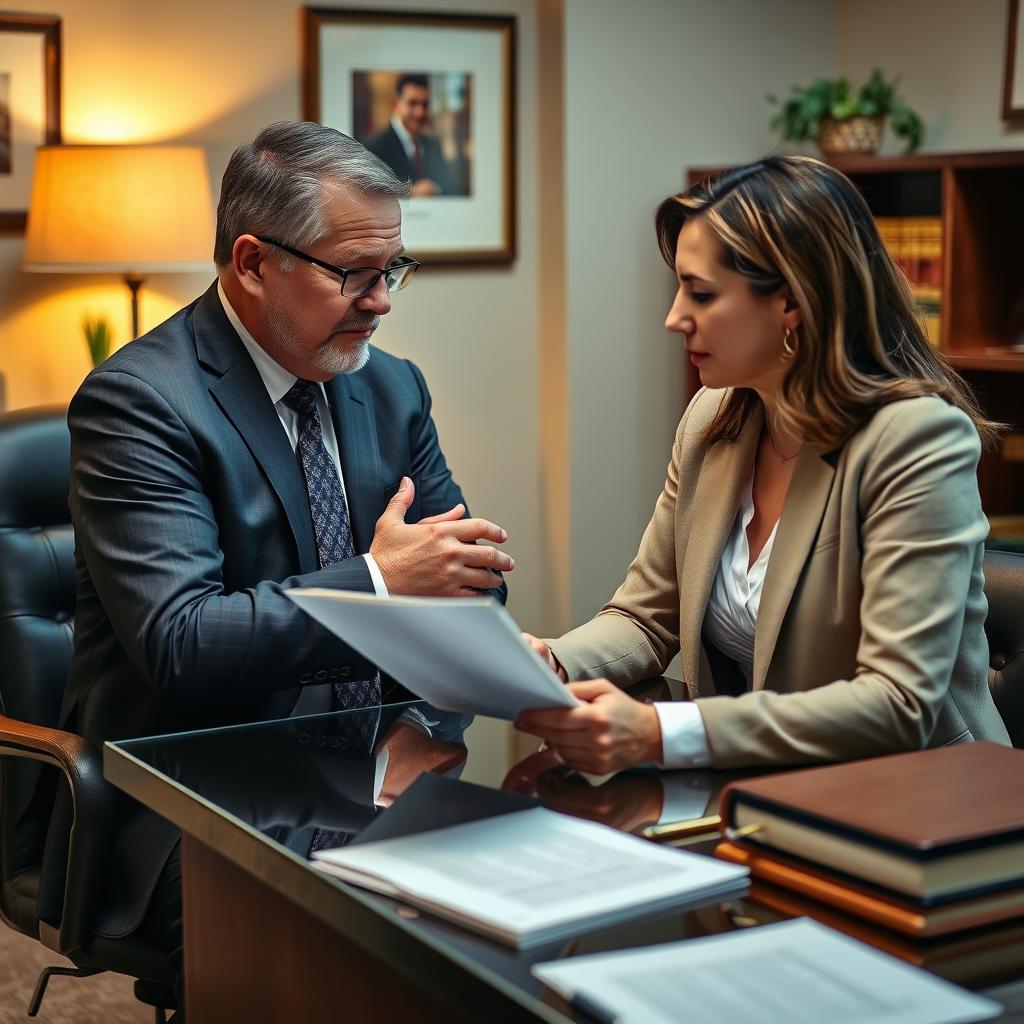
I-751 Petition Lawyer Maryland, MD
If you obtained lawful permanent residence through marriage and it has been fewer than two years since you became a conditional resident, you must file Form I-751, Petition to Remove Conditions on Residence, to transition to permanent resident status. This is not a procedural formality—USCIS reviews the bona fides of the marriage, and a denial can lead to loss of status and removal proceedings. Mr. Sris and his Of Counsel at Law Offices Of SRIS, P.C. assist clients throughout Maryland in preparing, assembling, and submitting I-751 petitions and responding to any resulting requests for evidence or interview notices. To request a consultation, reach the firm at (888) 437-7747. Law Offices Of SRIS, P.C. – Advocacy Without Borders.
Understanding the I-751 Petition to Remove Conditions on Residence
A conditional permanent resident who obtained status based on a marriage that was less than two years old on the date the green card was approved must file the I-751 petition jointly with the petitioning spouse during the 90-day window before the second anniversary of conditional residence. The law permits a waiver of the joint-filing requirement in certain circumstances—such as when the marriage ended in divorce or annulment, the spouse is deceased, the spouse subjected the conditional resident to battery or extreme cruelty, or removal from the United States would cause extreme hardship. No matter the basis for filing, USCIS adjudicators examine whether the marriage was entered into in good faith. An I-751 denial renders the conditional resident’s status subject to termination and places the individual in removal proceedings before the Baltimore Immigration Court. Maryland residents who need to file an I-751 petition or who have received a Notice of Intent to Deny should seek legal guidance promptly because the consequences of an untimely or incomplete filing are serious.
USCIS processing timelines for the I-751 petition fluctuate. Currently, the agency’s posted processing time for the Vermont Service Center (which handles most I-751 filings from the Northeast) often falls between 8 and 14 months. Applicants should also budget for the required filing fee, which is $850 plus a biometrics services fee of $85 (figures subject to change). Working with an experienced immigration attorney helps ensure the petition includes the strength of evidence USCIS expects and that the applicant is prepared for any interview.
How Mr. Sris and His Of Counsel Assist with I-751 Petitions in Maryland
Mr. Sris, Owner and Founder of Law Offices Of SRIS, P.C., and his Of Counsel begin by evaluating the particular filing window and the strength of the available evidence. Every case is fact-dependent, and the approach differs for joint petitions, divorce-based waivers, and VAWA-based waivers. The team gathers and organizes documentation demonstrating that the marriage was genuine: joint lease or mortgage records, tax returns, bank account statements, insurance policies, photographs, and third-party affidavits. Where USCIS issues a Request for Evidence, the team crafts a targeted response that addresses the officer’s specific concerns rather than re-sending the initial submission. If USCIS denies the petition, Mr. Sris and his Of Counsel represent the conditional resident in removal proceedings at the Baltimore Immigration Court, exploring all available avenues for relief.
The firm’s Maryland location, at 199 E. Montgomery Avenue, Suite 100, Room 211, Rockville, MD 20850, serves clients from Montgomery County, Prince George’s County, Howard County, Anne Arundel County, Frederick County, and across the state. Appointments are available by request. Because immigration law is federal, the same legal standards apply no matter where in Maryland the client resides, and the firm handles I-751 matters that are processed through the USCIS Baltimore Field Office or that result in appearances at the Baltimore Immigration Court.
Frequently Asked Questions
What happens if I miss the 90-day window to file the I-751 petition?
Missing the 90-day window can lead to termination of your conditional resident status and the initiation of removal proceedings. USCIS may accept a late-filed I-751 petition if you can demonstrate good cause for the delay and your case is not yet in removal proceedings. Once removal proceedings begin, you may still file the petition, but the process becomes more complex because the immigration judge will review it. Prompt legal guidance is critical if you have already missed the deadline because USCIS does not automatically grant good cause. Mr. Sris and his Of Counsel can help you assemble a persuasive explanation and supporting documentation.
Can I file the I-751 petition without my spouse if we are separated or divorced?
Yes, you may file a waiver of the joint-filing requirement if your marriage ended in divorce or annulment, but you must prove the marriage was genuine. The waiver requests that USCIS excuse the absent spouse’s signature because the marriage has legally ended. You will need to submit a copy of the final divorce decree or annulment order along with evidence that the marriage was entered into in good faith. A divorce-based waiver requires a substantial body of documentary proof. The attorneys at Law Offices Of SRIS, P.C. can help you determine whether your circumstances meet the waiver criteria and what evidence will be most persuasive to an adjudicator.
What if I am a victim of spousal abuse—can I file the I-751 without my spouse?
Yes, conditional residents who have been battered or subjected to extreme cruelty by their U.S. Citizen or permanent-resident spouse may file a waiver under the provisions of the Violence Against Women Act (VAWA). The VAWA self-petition in the I-751 context allows the abused spouse to file alone without the abuser’s knowledge or cooperation. You do not need a divorce to file a VAWA-based I-751 waiver, and you do not need the abusive spouse’s signature. USCIS will not disclose your filing to the abuser. Evidence may include police reports, protective orders, medical records, and statements from domestic-violence advocates. An attorney can help you navigate the sensitive process of gathering proof while maintaining safety.
How much does it cost to file Form I-751?
The USCIS filing fee for Form I-751 is $850, and a biometrics services fee of $85 is also required for most applicants, making the total $935. Fee amounts are set by USCIS and are subject to change. A fee waiver may be available on Form I-912 if an applicant meets the income guidelines, but waivers are not granted automatically. Our firm’s attorneys can discuss fee obligations and whether you may qualify for a waiver. For legal fees, costs vary based on the complexity of the petition; contact Law Offices Of SRIS, P.C. at (888) 437-7747 for a consultation to discuss your situation.
What evidence should I submit with an I-751 petition to prove a good-faith marriage?
You should submit documentation that shows shared financial, residential, and social commitments over the course of the marriage. Strong petitions include joint bank account statements, joint tax returns, titles or leases for a shared residence, utility bills in both names, insurance policies listing the spouse as beneficiary, and photographs from the wedding and throughout the relationship. Affidavits from friends, family, and employers can corroborate the marriage. The standard of proof is “preponderance of the evidence,” meaning you must show it is more likely than not that the marriage was genuine. The attorneys at the firm can review your evidentiary package to identify gaps before filing.
What happens if USCIS denies my I-751 petition?
If USCIS denies your I-751 petition, it issues a Notice of Termination of Conditional Resident Status and refers the matter to an immigration judge for removal proceedings. You will have the opportunity to renew your petition before the immigration judge, who will make an independent determination. At that point, legal representation is especially important because you face the risk of losing your permanent-residence status and being ordered removed from the United States. Mr. Sris and his Of Counsel regularly appear before the Baltimore Immigration Court and can represent you at every stage of removal proceedings.
How long does the I-751 process take in Maryland?
USCIS processing times for I-751 petitions filed at the Vermont Service Center currently range from about 8 to 14 months. The actual timeline depends on caseload volumes, whether USCIS requests additional evidence, and whether an interview is scheduled. Applicants may also apply for naturalization while an I-751 is pending if they are otherwise eligible. Our firm monitors case-status updates and communicates with USCIS on your behalf, so you are never left wondering about the status of your case.
Do I need a lawyer to file an I-751 petition?
Legally, you are not required to retain an attorney to file Form I-751, but the petition involves a high-stakes review of your marriage’s validity and the risk of losing your lawful status is significant. An experienced immigration attorney helps you understand the evidentiary standard, avoids procedural mistakes that can lead to delay or denial, and prepares you for an interview. If USCIS denies the petition or refers your case to immigration court, an attorney can protect your rights in removal proceedings. For guidance on your specific situation, reach Law Offices Of SRIS, P.C. at (888) 437-7747.
What is the difference between a joint I-751 petition and a waiver petition?
A joint I-751 petition is filed together by the conditional resident and the petitioning spouse during the marriage, while a waiver petition is filed solely by the conditional resident when the joint-filing requirement cannot be met. Waiver grounds include divorce, death of the spouse, battery/extreme cruelty, or extreme hardship if removed. A waiver petition generally requires more documentary evidence because the absent spouse cannot affirm the marriage’s validity. The firm advises clients on which filing strategy best fits their circumstances and helps compile the necessary supporting materials.
What happens at the I-751 interview?
Many I-751 petitions are approved without an interview, but if USCIS schedules one, you and your spouse (if a joint petition) will be questioned separately about the details of your marriage and daily life. The officer may ask about your living arrangements, finances, family relationships, and how you met. The purpose is to determine whether the marriage is genuine. An attorney can help you prepare, attend the interview with you, and ensure that the process respects your rights.
Can I travel outside the United States while my I-751 petition is pending?
Yes, you generally may travel abroad while an I-751 petition is pending if you hold a valid unexpired green card or an I-551 stamp in your passport. After you file the I-751 petition, USCIS sends a receipt notice that extends your conditional resident status for a period of time while the petition is adjudicated. You should ensure that any travel documents are current before departing. Because delays can occur, consult your attorney before making international travel plans.
How does an I-751 petition interact with a pending divorce?
If a divorce is pending but not yet finalized, you cannot file a divorce-based waiver because the marriage must be legally ended before USCIS will accept a waiver on that ground. You may still be eligible to file a VAWA-based waiver if you are a victim of abuse, or you may file a joint petition if the marriage is intact. Our attorneys can help you assess whether a waiver pathway exists while a divorce is underway and advise you on the timing of your filing.
About Mr. Sris and His Of Counsel Team
Mr. Sris, Owner and Founder of Law Offices Of SRIS, P.C., is a former prosecutor who founded the firm in 1997. He is admitted to practice in Virginia, Maryland, the District of Columbia, New Jersey, and New York, and concentrates his practice in immigration, family law, and criminal defense. Mr. Sris testified before the Virginia House Courts of Justice Committee in support of 2019 HB 635 (chief patron Del. David Bulova). He is supported by a team of Of Counsel attorneys engaged through Excella, bringing over 120 years of combined legal experience between Mr. Sris and his Of Counsel, with 4,739+ documented firm-wide results. Results may vary.
Montgomery County Immigration Lawyer | Prince George’s County Immigration Lawyer | Howard County Immigration Lawyer | Anne Arundel County Immigration Lawyer | Frederick County Immigration Lawyer
Attorney advertising. Prior results do not guarantee a similar outcome. Results may vary. Case results depend on a variety of factors unique to each case.