
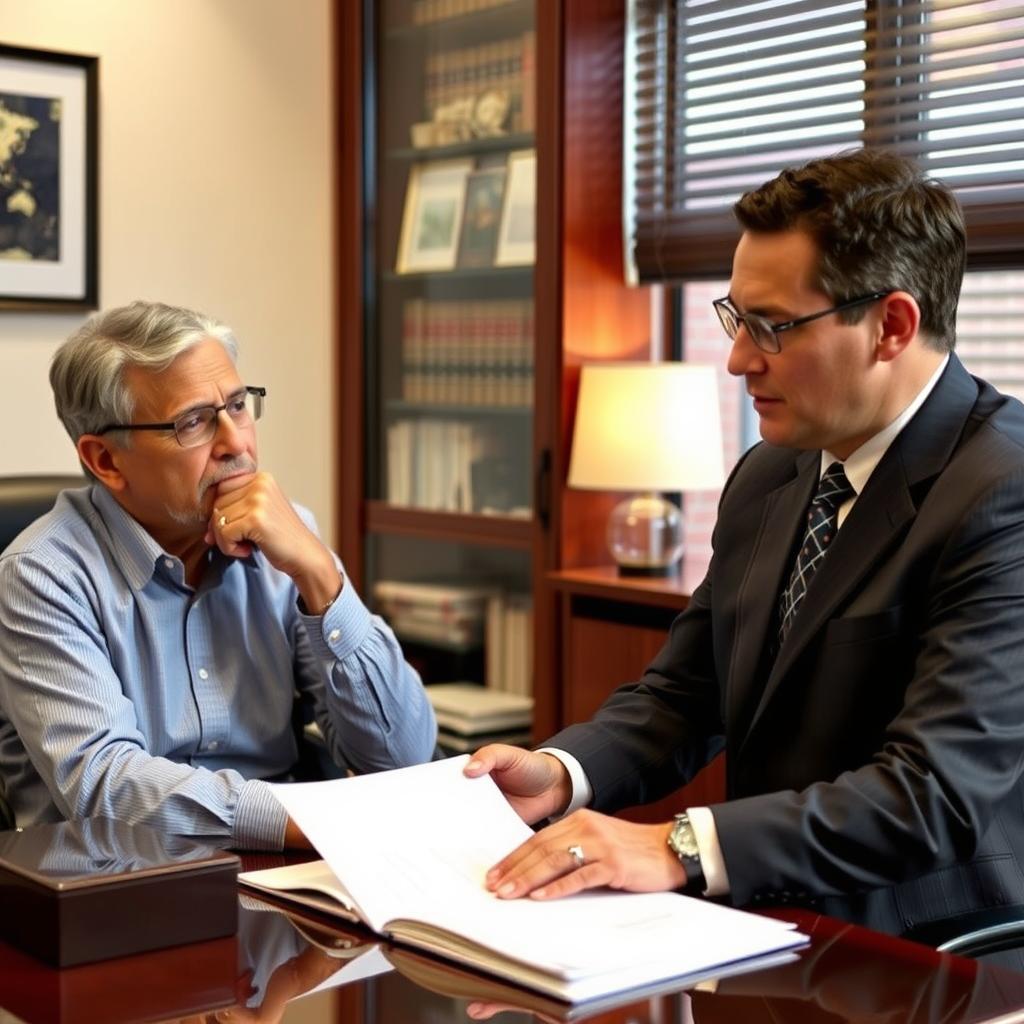
I-601 Waiver Lawyer Georgetown, DC
For Georgetown residents facing inadmissibility, an I-601 waiver can be the path to lawful permanent residence or visa approval. The application requires a showing of extreme hardship to a qualifying U.S. Citizen or lawful permanent resident relative and must overcome grounds ranging from unlawful presence to certain criminal or fraud‑related bars. Mr. Sris and his Of Counsel at Law Offices Of SRIS, P.C. Concentrate on immigration waiver matters and appear before USCIS, the Arlington Immigration Court, and the Board of Immigration Appeals for clients throughout Georgetown and the District of Columbia. To discuss your eligibility and begin preparing a strong waiver package, reach our location at (888) 437-7747.
What an I-601 Waiver Means in Georgetown, DC
The I-601, Application for Waiver of Grounds of Inadmissibility, is the primary form used to request forgiveness when a noncitizen is otherwise ineligible for a visa, adjustment of status, or admission to the United States. In Georgetown, applications are adjudicated by the USCIS Washington District Office, while removal‑related waiver requests may proceed through the Arlington Immigration Court, located just across the Potomac River. Because Georgetown falls within the District of Columbia’s federal immigration jurisdiction, the legal standards are the same as those applied nationwide—rooted in the Immigration and Nationality Act, particularly 8 U.S.C. § 1182(i)—yet local filing logistics, the availability of biometrics appointments, and the familiarity of the adjudicating officers with Georgetown’s demographic profile can influence practical strategy.
An I-601 waiver is not a standalone application; it accompanies an underlying benefit request such as an immigrant visa petition, adjustment of status, or consular processing. The central issue is whether the applicant’s qualifying relative—a U.S. Citizen or lawful permanent resident spouse, parent, or, in limited circumstances, a child—would suffer extreme hardship if the waiver were denied and the applicant were barred from the United States. Georgetown families often present unique hardship factors tied to the District’s cost of living, reliance on a single income, or the presence of special‑needs children accessing D.C.‑based services. Mr. Sris and his Of Counsel evaluate each case against the factors recognized by USCIS and the Board of Immigration Appeals, including health and mental health considerations, educational disruptions, financial impact, and conditions in the country to which the applicant might relocate.
Immigration cases for Georgetown residents are primarily processed through the USCIS Washington Field Office in Fairfax, Virginia, and, when a case is in removal proceedings, through the Arlington Immigration Court. Appeals and motions often go to the Board of Immigration Appeals in Falls Church. This concentration of immigration infrastructure near Georgetown means that an attorney who appears regularly before these bodies can develop insight into the adjudicatory patterns, though results always depend on the specific facts of each case.
How Mr. Sris and His Of Counsel Handle I-601 Waiver Cases
Mr. Sris leads the firm’s immigration practice and, together with his Of Counsel, manages I-601 waiver matters from an initial eligibility assessment through final adjudication. The process begins with a detailed review of the inadmissibility ground—whether it stems from unlawful presence, misrepresentation, criminal history, or another statutory bar—and an honest discussion of the likelihood that the available qualifying relatives can meet the extreme‑hardship threshold. No outcome is promised; instead, the team works to present the strongest possible evidentiary record.
Once a case is accepted, Mr. Sris and his Of Counsel gather the necessary supporting documentation: declarations from qualifying relatives, expert evaluations where appropriate, medical records, financial statements, and country‑conditions evidence. The legal argument is framed to address each element of the extreme‑hardship standard under the authorities that govern USCIS and the Board of Immigration Appeals. The firm prepares the Form I-601 and the accompanying brief, ensures that all supporting exhibits are properly indexed and organized, and monitors the case through biometrics, requests for evidence, and the interview or hearing stage. Throughout the process, clients are advised on their timeline, the possibility of additional legal challenges, and any changes in immigration policy that could affect their case.
For applicants who are in removal proceedings, Mr. Sris and his Of Counsel appear before the Arlington Immigration Court to present the waiver as a form of relief, cross‑examine government witnesses where applicable, and argue the legal and factual bases for a grant. If an adverse decision is issued, the team evaluates grounds for a motion to reconsider or an appeal to the Board of Immigration Appeals. Because immigration law is complex and subject to frequent policy changes, the firm’s approach is grounded in thorough preparation and a commitment to client communication throughout the process.
About Mr. Sris and His Of Counsel Team
Mr. Sris, Owner and Founder of Law Offices Of SRIS, P.C., has practiced law since 1997 and is admitted in Virginia, Maryland, the District of Columbia, New Jersey, and New York. A former prosecutor, Mr. Sris brings his understanding of government proceedings to the firm’s immigration waiver work. He testified before the Virginia House Courts of Justice Committee in support of 2019 HB 635 (chief patron Del. David Bulova). Mr. Sris and his Of Counsel bring extensive combined legal experience to each immigration matter, and the team has documented more than 4,739 case results firm‑wide since 1997, with a favorable outcome rate in many instances. Results may vary.
The Of Counsel attorneys who assist in immigration cases are experienced practitioners engaged through Excella. Together, they work collaboratively with Mr. Sris on I-601 waiver applications, contributing language skills that include English, Spanish, and Tamil, and extending the firm’s reach into the diverse communities of Georgetown and the greater D.C. Area. Each case receives individual attention, and clients are kept informed of developments through regular contact.
Frequently Asked Questions
What is an I-601 waiver?
An I-601 waiver is a request to the U.S. Government to forgive a ground of inadmissibility that would otherwise prevent a noncitizen from obtaining a visa, adjustment of status, or admission to the United States. The form is used when an applicant has been determined inadmissible for reasons such as unlawful presence, misrepresentation of a material fact, certain criminal convictions, or a prior removal order. To succeed, the applicant must demonstrate that denial of the waiver would result in extreme hardship to a qualifying U.S. Citizen or lawful permanent resident relative. The waiver is not a guarantee of entry or status; it simply removes the specific ground of inadmissibility so that the underlying benefit application may proceed. USCIS adjudicates the waiver, but in removal proceedings the application may be decided by an immigration judge. The standards are set by the Immigration and Nationality Act and interpreted through administrative and federal court precedent.
Who qualifies for an I-601 waiver?
Generally, an applicant must have a qualifying relative who would suffer extreme hardship if the waiver were denied. A qualifying relative is usually a U.S. Citizen or lawful permanent resident spouse or parent; in some limited circumstances, a U.S. Citizen child may meet the definition. The applicant must also be inadmissible under a ground for which a waiver is available—common examples include unlawful presence, misrepresentation, and certain criminal‑related inadmissibility. The waiver is not available for every ground of inadmissibility, and some (such as aggravated felony convictions) are not waivable. Each case is fact‑specific, and eligibility depends on the interplay between the inadmissibility charge and the statutory waiver provision. An immigration attorney can evaluate the particular charge, the qualifying relatives, and the evidence needed to build an extreme‑hardship argument.
How do I apply for an I-601 waiver while living in Georgetown, DC?
Georgetown residents file the I-601 with the USCIS Washington District Office unless the case is already before an immigration judge in removal proceedings. The application is typically submitted by mail to the appropriate lockbox or directly to the immigration court. The process requires completing Form I-601 with detailed narrative and documentary evidence of extreme hardship. Biometrics are usually required, and USCIS or the immigration judge may request additional information. Because the Arlington Immigration Court is nearby, Georgetown applicants in removal may attend hearings at 1901 S. Bell Street in Arlington. Having local counsel who is familiar with the court’s procedures can help ensure that all filing deadlines and evidentiary requirements are met. Mr. Sris and his Of Counsel prepare and file the waiver package, track its status, and represent clients at every stage of the proceeding.
What qualifies as extreme hardship for an I-601 waiver?
Extreme hardship is a legal standard that looks at the totality of circumstances a qualifying relative would face if the applicant were denied admission or forced to leave the United States. It is more than the normal hardship that accompanies family separation. Factors may include the qualifying relative’s medical conditions, the impact on their mental health, the loss of educational opportunities for children, the financial consequences of relocating to the applicant’s home country, and country‑conditions evidence such as violence, lack of adequate medical facilities, or persecution. USCIS and the Board of Immigration Appeals consider each factor individually and cumulatively. No single factor is dispositive, and the burden is on the applicant to provide compelling evidence. An experienced immigration attorney can help identify and document the strongest hardship arguments specific to the family’s situation.
Do I need an attorney for an I-601 waiver?
An attorney is not legally required to file an I-601, but the extreme‑hardship standard is demanding and the consequences of a denial can be severe. A denied waiver may result in a lengthy bar from the United States or the initiation of removal proceedings. An attorney can evaluate the strength of the case, assemble and present evidence, draft a persuasive legal memorandum, and represent the applicant in any hearings. Many applicants find that the process is easier to navigate with professional guidance, especially when technical legal arguments are involved. Mr. Sris and his Of Counsel offer a consultation to discuss the specifics of a Georgetown resident’s situation and to explain the firm’s approach before any commitment is made. Contact Law Offices Of SRIS, P.C. at (888) 437-7747 to schedule a consultation.
How long does an I-601 waiver take?
The processing time for an I-601 waiver varies depending on USCIS workloads, the complexity of the case, and whether the application is filed with the immigration court. Some cases are resolved in a matter of months, while others may take longer if requests for additional evidence are issued or if appeals are filed. The timeline also depends on the underlying benefit application and whether the case is part of a removal proceeding, which has its own docketing schedule. Mr. Sris and his Of Counsel monitor the status of each waiver filing and provide clients with updates as the case progresses. For the most current processing estimates, consult USCIS or speak with an attorney about the typical timeline in cases similar to yours.
Outbound primary‑source authority:
- USCIS I‑601 waiver instructions and form: USCIS I‑601 page
- Arlington Immigration Court information: EOIR Arlington Immigration Court
- District of Columbia Courts: DC Courts homepage
Attorney advertising. Prior results do not guarantee a similar outcome. Results may vary. Case results depend on a variety of factors unique to each case.