
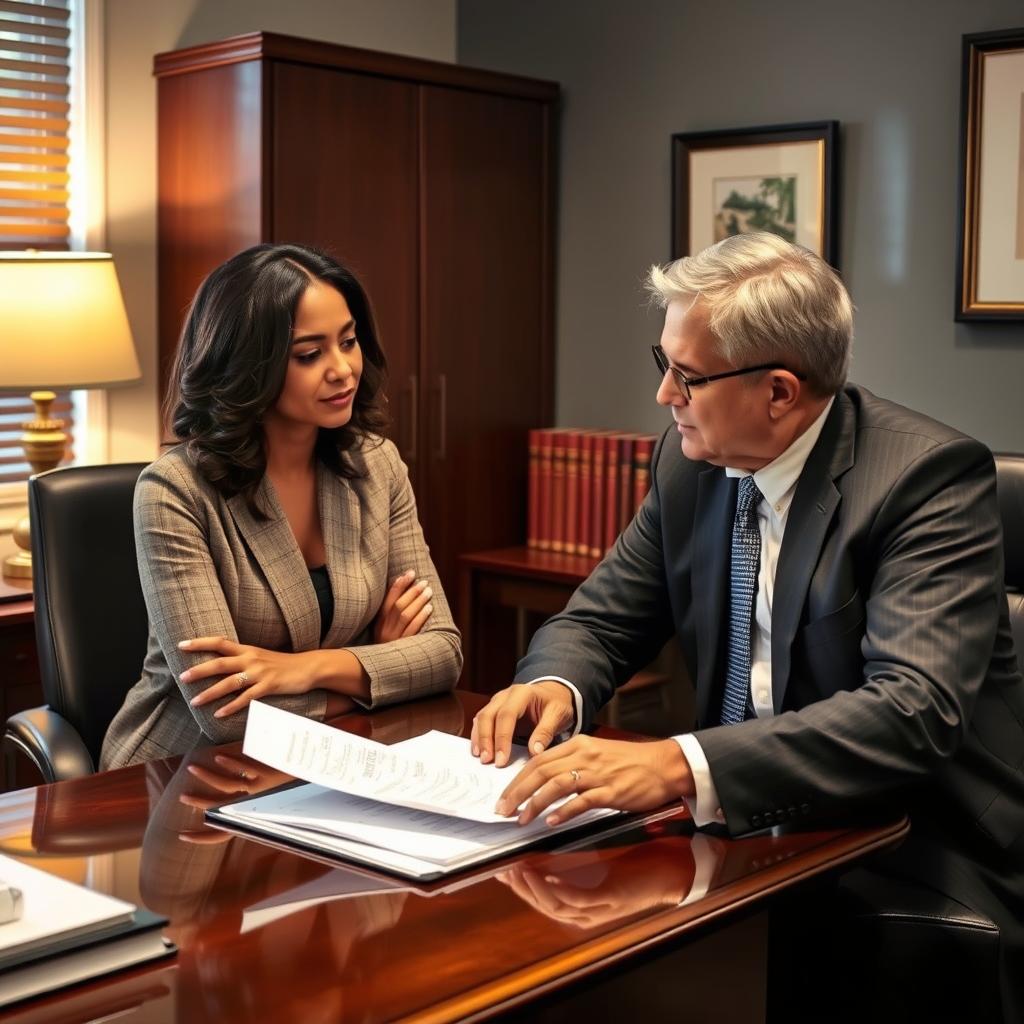
I-130 Petition Lawyer Logan Circle, DC
Filing an I-130 petition is often the first significant step toward reuniting a family across borders. For residents of Logan Circle and the surrounding District of Columbia neighborhoods, understanding how this process works—and having knowledgeable guidance from the start—can make a meaningful difference. The I-130, Petition for Alien Relative, establishes the qualifying family relationship that serves as the foundation for a family-based green card. At Law Offices Of SRIS, P.C., Mr. Sris and his Of Counsel concentrate on helping clients in Logan Circle prepare accurate, well-documented petitions that reflect the specific requirements of U.S. Citizenship and Immigration Services. Whether you are a U.S. Citizen sponsoring a spouse, parent, or child, or a lawful permanent resident petitioning for an immediate relative, the documentation and legal analysis required are exacting. A single oversight can lead to a request for evidence, a denial, or months of added processing time. Mr. Sris and his team work with Logan Circle families to gather the necessary supporting materials, address potential eligibility concerns, and present a clear record to USCIS. Reach Law Offices Of SRIS, P.C. at (888) 437-7747 to discuss your I-130 matter. Law Offices Of SRIS, P.C. – Advocacy Without Borders.
What an I‑130 Petition Means for Families in Logan Circle
For many Logan Circle households, the I‑130 petition represents more than a government form—it is the legal pathway that allows a spouse, parent, or child to begin the immigration process toward lawful permanent residence. The petition itself does not confer immigration status; it is the USCIS determination that a qualifying family relationship exists under the Immigration and Nationality Act. Once approved, the beneficiary may proceed either through adjustment of status if already in the United States, or through consular processing at a U.S. Embassy or consulate abroad. The neighborhood’s proximity to federal agencies and the DC Superior Court means that local residents frequently need counsel who can navigate both USCIS procedures and, when necessary, removal-defense issues at the Arlington Immigration Court. Mr. Sris and his Of Counsel serve Logan Circle clients from the firm’s Arlington location, which is easily reached from the 14th Street corridor and the U Street area. Immigration practice is federal, so the relevant venues are not DC Superior Court itself but rather the USCIS Washington Field Office in Fairfax, Virginia, and the Arlington Immigration Court for respondents in removal proceedings. Still, many Logan Circle families first encounter immigration questions through family-law matters at DC Superior Court, making an attorney who is admitted in the District of Columbia and experienced in both family and immigration law helpful for coordinating parallel proceedings.
Because the I‑130 is the foundational document for family-based immigration, getting it right the first time matters. USCIS scrutinizes the bona fides of the claimed relationship, requiring substantial documentary evidence—birth certificates, marriage certificates, divorce decrees if applicable, proof of the petitioner’s citizenship or permanent-resident status, and evidence of an ongoing, genuine relationship. For spouses, this often includes joint financial records, photographs, affidavits from friends and family, and records of communication. Mr. Sris and his Of Counsel understand the evidentiary standards USCIS applies and help Logan Circle clients assemble a filing that anticipates the adjudicator’s questions rather than merely reacting to a request for evidence later.
How Mr. Sris and His Of Counsel Handle I‑130 Petition Cases
The firm’s approach to I‑130 petitions begins with a thorough evaluation of the petitioner’s and beneficiary’s circumstances. Some cases are straightforward; others involve complex layers—prior immigration violations, past marriages, criminal history, or concerns about public-charge inadmissibility. Mr. Sris and his Of Counsel review all relevant factors to determine an appropriate $1 before filing. For consular-processing cases, the team prepares clients for the interview at the U.S. Embassy or consulate, ensuring the beneficiary understands the questions likely to be asked and the documentation they will need to present. For adjustment-of-status cases, the firm handles the concurrent filing of Form I‑485 and associated applications for work authorization and advance parole where applicable. Throughout the process, the firm monitors case status, responds to USCIS requests for evidence, and stays current with policy changes that may affect pending petitions.
The timeline for an I‑130 petition varies by case type and service center workload. USCIS processing times for immediate-relative petitions have typically ranged from eight to fourteen months, though individual cases can take longer. Because Mr. Sris keeps his caseload manageable, he is able to remain directly involved in each matter while collaborating with his Of Counsel team on document preparation and case monitoring. The firm’s multi-state admissions—Virginia, Maryland, the District of Columbia, New Jersey, and New York—allow it to serve families whose circumstances may span several jurisdictions.
About Mr. Sris and His Of Counsel Team
Mr. Sris, Owner and Founder of Law Offices Of SRIS, P.C., has been practicing law since 1997. He is a former prosecutor and is admitted in Virginia, Maryland, the District of Columbia, New Jersey, and New York. His experience handling federal immigration matters includes family-based petitions, adjustment of status, consular processing, and removal defense. Mr. Sris testified before the Virginia House Courts of Justice Committee in support of 2019 HB 635 (chief patron Del. David Bulova). His legislative involvement reflects a sustained commitment to the legal framework that affects families.
Mr. Sris and his Of Counsel bring extensive combined legal experience to immigration matters. Their collective approach allows clients to benefit from multiple perspectives while remaining under the direct supervision of Mr. Sris. The firm has documented case results across all practice areas since 1997. Results may vary.
Frequently Asked Questions
What is an I‑130 petition?
An I‑130 petition is the USCIS form used by a U.S. Citizen or lawful permanent resident to establish a qualifying family relationship with a foreign national relative. It is the first step in the family-based green card process for spouses, parents, children, and in some cases siblings. Approval of the I‑130 does not itself grant any immigration status, but it confirms the relationship and allows the beneficiary to apply for lawful permanent residence either through adjustment of status inside the United States or through consular processing abroad.
Who can file an I‑130 petition for a family member in Logan Circle?
A U.S. Citizen who resides in Logan Circle can file an I‑130 for a spouse, child (of any age if the sponsor is a citizen), or parent. A lawful permanent resident can petition for a spouse or unmarried child. The petitioner must demonstrate the ability to financially support the beneficiary at 125 percent of the federal poverty guidelines, and must provide evidence of the claimed relationship. The petition is filed with USCIS, and the beneficiary’s location determines whether the case proceeds through adjustment of status or consular processing.
How long does the I‑130 process take?
USCIS processing times for I‑130 petitions vary by the petitioner’s status and the service center that receives the case. For immediate relatives of U.S. Citizens, recent processing windows have been in the range of eight to fourteen months, but individual cases can take less or more time depending on the need for additional evidence, background checks, and agency workloads. Family-preference categories, such as siblings of citizens or married children, are subject to annual numerical limits and may involve significantly longer wait times before a visa becomes available.
Do I need a lawyer to file an I‑130 petition in the District of Columbia?
You are not legally required to hire an attorney to file an I‑130 petition, but legal guidance can help you avoid common mistakes that lead to delays or denials. Completing the form accurately, gathering the correct supporting documents, and presenting a consistent narrative of the relationship are tasks where errors have consequences. An attorney can also identify potential inadmissibility issues—such as past immigration violations, criminal history, or fraud concerns—and address them proactively before USCIS raises them.
What happens after USCIS approves the I‑130 petition?
After I‑130 approval, the next step depends on whether the beneficiary is inside or outside the United States. If the beneficiary is in the U.S. And eligible to adjust status, the firm can concurrently file Form I‑485 with supporting documentation. If the beneficiary is abroad, the case is forwarded to the National Visa Center and later to a U.S. Embassy or consulate for immigrant visa processing. In either path, the beneficiary will eventually attend an interview and, if approved, become a lawful permanent resident.
How can a Logan Circle family find an I‑130 petition lawyer?
Look for an immigration attorney who is admitted to practice before USCIS and federal immigration courts, and who has experience handling family-based petitions. Because immigration law is federal, a lawyer with a District of Columbia bar admission is not required to practice immigration law, but it can be advantageous when immigration and local family-law matters intersect. Reach Law Offices Of SRIS, P.C. at (888) 437-7747 to schedule a consultation and discuss the specifics of your case.
Related practice-area pages: Washington, D.C. Immigration Lawyer | Georgetown Immigration Lawyer | Spring Valley Immigration Lawyer | Cleveland Park Immigration Lawyer | Chevy Chase DC Immigration Lawyer
Attorney advertising. Prior results do not guarantee a similar outcome. Results may vary.
Case results depend on a variety of factors unique to each case.