
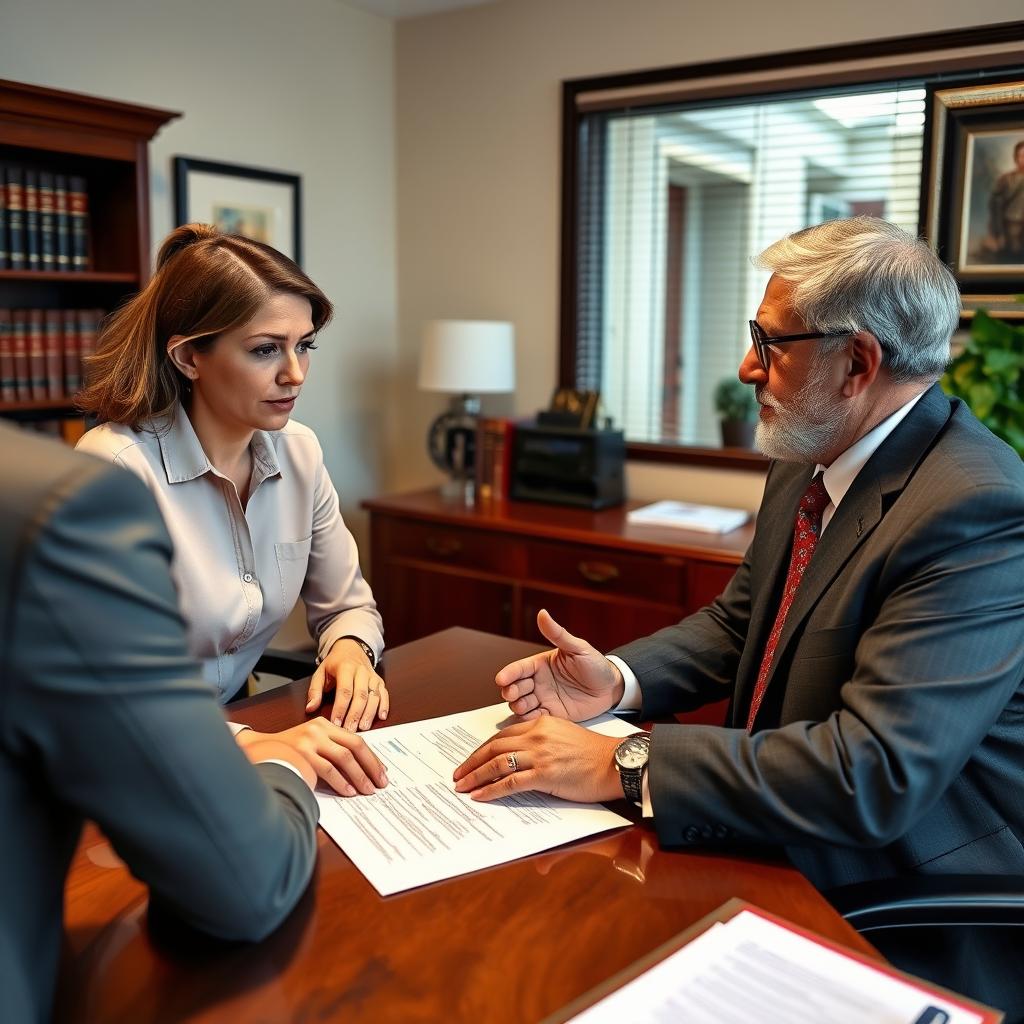
Humanitarian Parole Lawyer Prince William County
You need a Humanitarian Parole Lawyer Prince William County to file a request for urgent, temporary admission to the United States. Law Offices Of SRIS, P.C. —Advocacy Without Borders. This process is discretionary and requires proving urgent humanitarian reasons or significant public benefit. SRIS, P.C. can assess your eligibility and prepare a compelling application for submission to U.S. Citizenship and Immigration Services. (Confirmed by SRIS, P.C.)
Statutory Definition and Legal Basis for Parole
Humanitarian parole is authorized under the Immigration and Nationality Act (INA) § 212(d)(5) — a discretionary authority — permitting temporary entry without a visa. The Secretary of Homeland Security may parole any noncitizen into the United States for urgent humanitarian reasons or significant public benefit. This is not an admission or a path to a green card. It is a temporary status granted on a case-by-case basis. The maximum period of parole is typically one year, subject to extension requests. A denial carries no right of appeal, making the initial application critical. The legal standard is high, requiring evidence that justifies the extraordinary measure. You must demonstrate why normal visa processes are insufficient for your situation. This process is separate from asylum or refugee status determinations. Understanding this statutory framework is the first step for any humanitarian parole lawyer Prince William County.
What Constitutes “Urgent Humanitarian Reasons”?
Urgent humanitarian reasons typically involve a life-or-death medical emergency for the beneficiary or a close family member. The need for a family member to provide critical care or support during a medical crisis qualifies. This includes situations where adequate medical treatment is unavailable in the beneficiary’s home country. Evidence must directly link the parole request to the urgent medical need. Documentation from licensed physicians is mandatory.
What Defines “Significant Public Benefit”?
Significant public benefit often involves parole for witnesses or informants in legal proceedings. It can also apply to individuals needed for law enforcement or national security objectives. Parole for public health emergencies, like vaccine distribution during a pandemic, has been used. The benefit must be substantial and clearly documented by a U.S. government agency. A letter of support from the relevant agency is a powerful piece of evidence.
How Does Parole Differ from a Visa or Asylum?
Parole is a temporary permission to enter, not a formal visa classification or immigrant status. Unlike asylum, parole does not require proving persecution based on a protected ground. A visa is a formal document issued by a consulate for a specific purpose and duration. Parole is an exceptional remedy when visa options are unavailable or too slow. Parolees must depart when their parole period ends or face removal proceedings.
The Insider Procedural Edge in Prince William County
While USCIS adjudicates parole, local procedural knowledge in Prince William County is vital for evidence gathering and client support. SRIS, P.C. understands the local area for supporting documentation. Our Prince William County Location allows for efficient coordination with clients and local entities. We know which local medical facilities and professionals provide documentation acceptable to USCIS. We can help handle the challenges of gathering evidence from within Virginia for an overseas beneficiary. Learn more about Virginia legal services.
Where is the Primary Filing Location and Address?
Humanitarian parole applications are filed by mail with the USCIS Humanitarian Parole Unit. The mailing address is USCIS Humanitarian Parole Unit, 2200 Potomac Center Stop 2425, Arlington, VA 20598-2425. Applications are not filed at local Prince William County courts. All evidence and forms must be submitted in a single, organized package. Using the correct address and unit is essential to avoid processing delays.
What is the Typical Processing Timeline?
USCIS aims to process humanitarian parole requests within 90 days of receipt. The actual timeline varies based on case complexity and USCIS workload. Expedited processing may be requested for truly emergent, life-threatening situations. You should plan for the process to take several months at a minimum. Starting the application process immediately upon identifying the need is crucial.
What are the Required Government Filing Fees?
The current filing fee (Form I-131) for a humanitarian parole application is $575. A separate biometric services fee of $85 is also required for most applicants. Fee waivers are available but difficult to obtain for parole requests. All fees must be paid to the U.S. Department of Homeland Security. Using the wrong payment amount or method will result in rejection.
Penalties, Risks, and Defense Strategies
The most significant penalty for a failed parole request is denial and continued separation from family or lack of critical care. A denial does not legally prejudice future visa applications, but it creates a record. The strategic defense is building an unassailable application from the start. A Humanitarian Parole Lawyer Prince William County from SRIS, P.C. focuses on evidence sufficiency and narrative strength. We anticipate and address potential grounds for denial before submission. Learn more about criminal defense representation.
| Potential Negative Outcome | Consequence | Notes |
|---|---|---|
| Application Denial | No entry; must re-apply or seek alternate immigration path. | No appeal right, but motion to reopen possible in limited cases. |
| Parole Expiration | Accrual of unlawful presence; initiation of removal proceedings. | Extensions must be filed before the current parole expires. |
| Inadmissibility Finding | Future visa applications may be complicated by issues raised. | A well-prepared application can avoid triggering unnecessary scrutiny. |
| Wasted Time & Resources | Loss of filing fees and months of waiting during a crisis. | Professional preparation minimizes the risk of a deficient filing. |
[Insider Insight] USCIS adjudicators are skeptical of parole requests that appear to bypass normal visa queues. They scrutinize medical documentation for authenticity and immediacy. Requests based on general country conditions, rather than individual urgent need, are routinely denied. Presenting a clear, document-driven story is the only way to overcome this inherent skepticism. An emergency immigration parole lawyer Prince William County must translate personal tragedy into a legally compelling petition.
What if My Parole Application is Denied?
You may file a motion to reopen or reconsider with the Humanitarian Parole Unit. This requires new, material evidence that was not previously available. You cannot appeal a parole denial to the Board of Immigration Appeals. A denial does not prevent you from applying for a visa through regular channels. Consulting an attorney immediately after a denial is critical to assess next steps.
Can Parole Lead to a Green Card?
Parole itself does not provide a direct path to lawful permanent resident status. However, a parolee may be eligible to adjust status if they meet separate requirements. For example, a parolee who marries a U.S. citizen may apply for adjustment. The parole must be maintained and valid at the time of the adjustment application. Parole is a temporary bridge, not a permanent immigration solution.
What are the Risks of Parole Expiration?
Once parole expires, you begin accruing unlawful presence in the United States. Accumulating over 180 days of unlawful presence triggers bars to re-entry. You may be placed in removal proceedings if your status lapses. It is imperative to file for an extension well before the current parole end date. Failure to maintain status can jeopardize future immigration benefits. Learn more about DUI defense services.
Why Hire SRIS, P.C. for Your Humanitarian Parole Case
Our lead immigration attorney has over 15 years of experience handling complex humanitarian requests with USCIS. We assign a dedicated legal team to each parole case to ensure careful preparation. SRIS, P.C. has a track record of preparing successful parole applications for Virginia families. Our Prince William County Location provides a central hub for client meetings and evidence coordination. We know how to present a human story within the rigid confines of immigration law.
Attorney Background: Our senior immigration counsel has personally handled dozens of humanitarian parole and related waiver cases. This attorney has successfully argued for parole based on critical medical treatments unavailable abroad. They maintain current knowledge of USCIS policy memos and adjudication trends for parole requests. This direct experience is applied to every case we accept in Prince William County.
We build your case on three pillars: irrefutable documentary evidence, a persuasive legal brief, and precise form completion. We gather affidavits, medical records, and experienced opinions to meet the strict legal standard. Our attorneys draft a detailed cover letter that acts as a legal memorandum supporting the request. We review every form and supporting document for consistency and accuracy before filing. This thorough approach is why families in crisis trust a humanitarian admission lawyer Prince William County from our firm.
Localized FAQs for Prince William County Residents
Can I apply for humanitarian parole from within Prince William County for someone overseas?
Yes. The U.S.-based sponsor or family member typically files the application with USCIS. You must submit extensive evidence proving the overseas beneficiary’s urgent need. The process is managed from the U.S., often with the help of a local attorney. SRIS, P.C. can guide you through this from our Prince William County Location. Learn more about our experienced legal team.
How long can someone stay in the U.S. on humanitarian parole?
Humanitarian parole is granted for a specific period, usually up to one year. You must apply for an extension before it expires if more time is needed. Extensions are not automatic and require a renewed justification. The total period is based on the duration of the humanitarian need.
What evidence is needed for a medical-based parole request?
You need a detailed letter from a licensed physician diagnosing the condition. The letter must explain why treatment is urgently needed and unavailable in the home country. Proof of the family relationship and the U.S. sponsor’s ability to support care is also required. Financial documents and a detailed care plan strengthen the case.
Can a person on parole work or go to school?
A parolee must apply for work authorization by filing Form I-765 with USCIS. Parole itself does not confer the right to work. Similarly, parolees may attend school but must comply with institutional policies for non-immigrant students. Legal status must be maintained to preserve these privileges.
What happens after the humanitarian situation ends?
The parolee is expected to depart the United States before their authorized parole expires. Failure to depart can result in the accrual of unlawful presence and removal proceedings. Planning for departure or exploring other lawful immigration options should begin early. An attorney can advise on potential paths forward before parole ends.
Proximity, Contact, and Critical Disclaimer
Our Prince William County Location is strategically positioned to serve clients throughout the region. We are accessible for meetings to discuss sensitive humanitarian parole matters. Consultation by appointment. Call 888-437-7747. 24/7. Our legal team is ready to evaluate your urgent situation. We understand the emotional weight of these cases and provide direct, actionable counsel.
Law Offices Of SRIS, P.C.—Advocacy Without Borders. We provide global advocacy with local precision from our Virginia Locations. For immediate assistance with a humanitarian parole request, contact our immigration team today. We will review your circumstances and outline a clear strategy.
Past results do not predict future outcomes.