
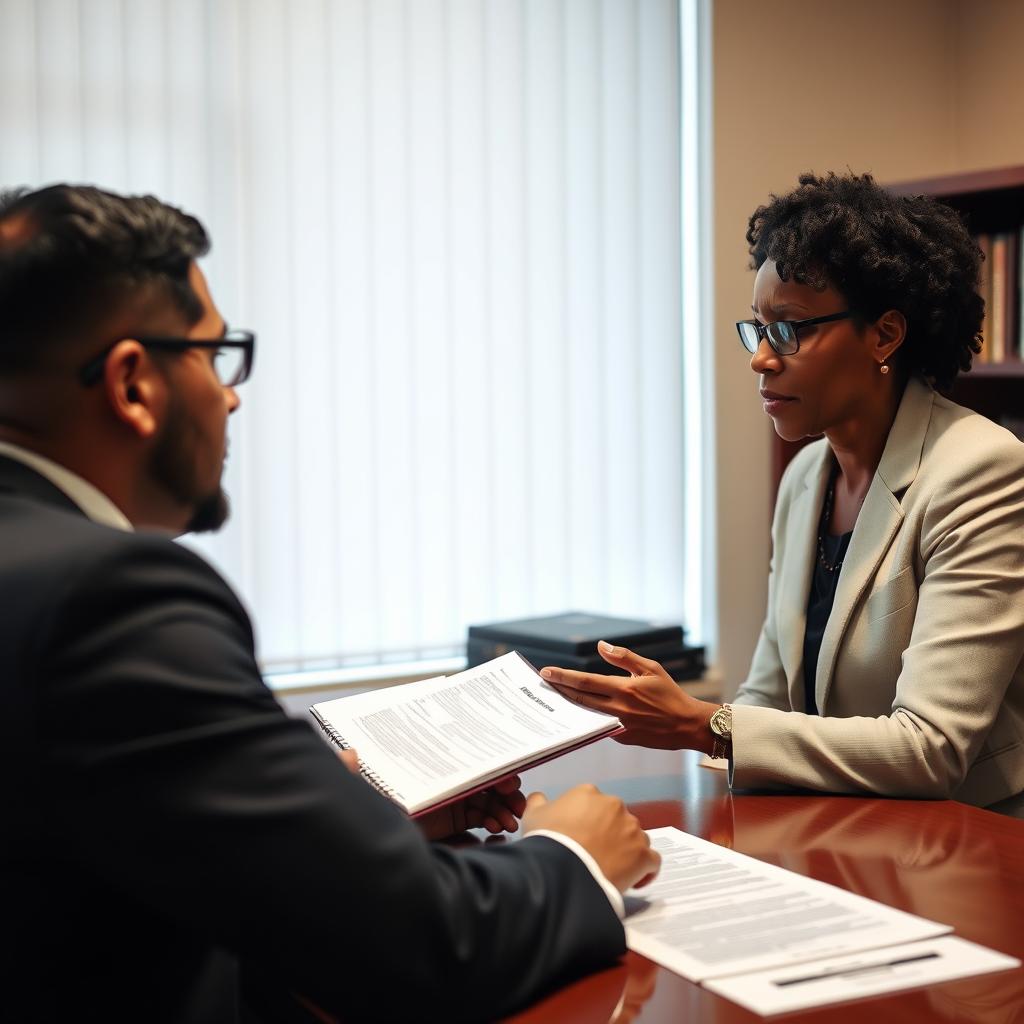
Humanitarian Parole Lawyer Harford County
You need a Humanitarian Parole Lawyer Harford County to file an urgent request with U.S. Citizenship and Immigration Services. Humanitarian parole is a discretionary immigration benefit for urgent humanitarian reasons or significant public benefit. Law Offices Of SRIS, P.C. —Advocacy Without Borders. can assess your case from our Harford County Location. This process is complex and requires precise legal documentation. (Confirmed by SRIS, P.C.)
Statutory Definition and Legal Basis
Humanitarian parole is authorized under the Immigration and Nationality Act (INA) § 212(d)(5)(A) and governed by 8 CFR § 212.5. The Secretary of Homeland Security may parole individuals into the United States temporarily for urgent humanitarian reasons or significant public benefit. This is not a formal admission and does not create a path to permanent status. It is a discretionary, case-by-case determination. The maximum period of parole is typically one year, subject to extension. A denial can be appealed through a motion to reopen or reconsider. The legal standard is high, requiring compelling evidence. This process is separate from asylum or refugee status. It is a critical tool for emergency immigration situations in Harford County.
What constitutes an “urgent humanitarian reason” for parole?
An urgent humanitarian reason is a situation requiring immediate action to prevent severe suffering. This includes critical medical treatment unavailable in the applicant’s home country. It also covers visiting a dying relative or attending a funeral. Family reunification in cases of extreme hardship may qualify. The need must be documented with medical records or death certificates. Each case is judged on its specific, compelling facts.
How does parole differ from asylum or refugee status?
Parole is a temporary permission to enter, not a formal immigration status. Asylum and refugee status are for those fearing persecution based on protected grounds. Parole does not lead to a green card; asylum and refugee status can. Parole requests are filed from outside the U.S. or at a port of entry. Asylum is typically filed from within the United States. The legal processes and long-term implications are fundamentally different.
What is the “significant public benefit” standard for parole?
Significant public benefit parole serves a notable U.S. interest. This can include allowing a witness to testify in a critical legal proceeding. It may involve permitting an informant to assist law enforcement. Parole for medical professionals during a public health crisis is an example. The benefit must be substantial and clearly documented. The government has broad discretion in making this determination.
The Insider Procedural Edge in Harford County
Humanitarian parole applications for Harford County residents are filed with the USCIS Humanitarian Parole Unit. Procedural specifics for Harford County are reviewed during a Consultation by appointment at our Harford County Location. The filing address is USCIS, Humanitarian Parole Unit, 131 M Street, NE, 3rd Floor, Washington, DC 20529. All evidence must be submitted with the initial Form I-131 application. The current government filing fee is $575, plus an $85 biometrics fee if applicable. Processing times are unpredictable and can take several months. Expedited requests require overwhelming proof of the emergency. Local immigration court is at the Baltimore Immigration Court. Having a Humanitarian Parole Lawyer Harford County manage this process is essential.
What is the typical timeline for a parole decision?
USCIS does not publish standard processing times for humanitarian parole. Decisions can take from three months to over a year. The complexity of the case and evidence quality affect the timeline. Requests can be expedited with proof of a life-or-death emergency. Even expedited cases face bureaucratic delays. You must plan for a lengthy wait and have contingency plans. Learn more about Virginia legal services.
Can you apply for parole from inside the United States?
You generally cannot apply for humanitarian parole from inside the U.S. It is for individuals outside the country seeking entry. An exception is “advance parole” for those with pending immigration applications. This is a separate process from emergency humanitarian parole. Confusing the two can lead to a denied application and removal proceedings. An immigration law attorney can clarify your correct path.
What happens after parole is granted?
A granted parolee receives travel documentation to come to the U.S. They are paroled into the country for a specific period, often one year. They must comply with all parole conditions during their stay. They are not eligible for most public benefits. They must depart before the parole period expires or apply for an extension. Failure to depart can lead to deportation and bar future immigration benefits.
Penalties, Risks, and Defense Strategies
The most common risk is a denial, which blocks entry and can separate families. A denied application provides no immigration status or right to remain. It can also negatively impact future visa or asylum applications. Abusing the parole process can lead to permanent immigration bars. Working with an emergency immigration parole lawyer Harford County mitigates these risks.
| Potential Negative Outcome | Consequence | Notes |
|---|---|---|
| Application Denial | No entry to the U.S.; family separation. | Can be appealed via Motion to Reopen/Reconsider. |
| Future Immigration Impact | Can prejudice later visa or asylum claims. | USCIS views prior parole requests in new filings. |
| Fraud Finding | Permanent inadmissibility under INA § 212(a)(6)(C)(i). | Result of misrepresentation or false documents. |
| Overstay of Parole | Accrual of unlawful presence; deportation. | Triggers 3-year or 10-year re-entry bar. |
| Revocation of Parole | Immediate removal from the United States. | Can occur if conditions of parole are violated. |
[Insider Insight] USCIS officers scrutinize parole requests for consistency and credibility. Incomplete applications are often denied without requesting more evidence. Medical cases require detailed letters from U.S. doctors stating treatment is unavailable abroad. Family-based pleas need proof of the U.S. sponsor’s ability to provide full support. A strong legal argument frames the request within strict USCIS policy guidelines.
What are the grounds for denying a humanitarian parole request?
USCIS denies requests that fail to meet the urgent humanitarian or public benefit standard. Insufficient evidence is a primary reason for denial. A prior immigration violation or criminal history can lead to denial. If the need is not deemed time-sensitive, it will be denied. Applications missing required forms or fees are rejected. A criminal defense lawyer may be needed to address prior record issues. Learn more about criminal defense representation.
Can a denied parole application be appealed?
There is no formal appeal process for a denied humanitarian parole request. The options are to file a Motion to Reopen or a Motion to Reconsider. A Motion to Reopen presents new, material evidence not previously available. A Motion to Reconsider argues the decision was based on an incorrect application of law. These motions have strict filing deadlines and fees. Success rates are low without experienced legal representation.
What are the consequences of overstaying a parole period?
Overstaying your parole period makes you immediately deportable. You begin accruing unlawful presence in the United States. If you leave after accruing more than 180 days of unlawful presence, you trigger a 3-year bar on re-entry. More than one year triggers a 10-year bar. This can permanently separate you from family in Harford County. You must file for an extension before your current parole expires.
Why Hire SRIS, P.C. for Your Harford County Case
Our lead immigration attorney has over 15 years focused on complex humanitarian cases. SRIS, P.C. attorneys understand the precise evidence required by the Humanitarian Parole Unit. We prepare a complete legal packet that addresses all regulatory criteria. We manage all communication with USCIS on your behalf. Our goal is to present the strongest possible case from the start.
SRIS, P.C. provides Advocacy Without Borders. from our Harford County Location. We assign a dedicated legal team to each humanitarian parole case. We have handled cases involving critical medical emergencies and family crises. We know how to document urgent humanitarian reasons effectively. We also prepare for potential requests for additional evidence. Our approach is direct and focused on achieving parole approval. You need a humanitarian admission lawyer Harford County who knows the system.
Localized Humanitarian Parole FAQs for Harford County
Who is eligible to apply for humanitarian parole in Harford County?
Any individual outside the U.S. can be sponsored for parole by a U.S. citizen, lawful permanent resident, or entity in Harford County. The petitioner must demonstrate an urgent humanitarian reason or significant public benefit. The beneficiary must be otherwise inadmissible but for the parole grant.
What evidence is needed for a medical humanitarian parole case?
You need a detailed letter from a U.S. licensed physician diagnosing the condition. The letter must state the treatment is urgently needed and unavailable in the home country. Include medical records, cost estimates, and proof of the sponsor’s ability to pay.
How long can someone stay in the U.S. on humanitarian parole?
Parole is granted for a specific period, typically up to one year. Extensions can be requested before the initial period expires. The total period should only cover the duration of the emergency need.
Can a person on parole work in the United States?
A parolee must apply separately for employment authorization using Form I-765. Work permission is not automatic with a parole grant. Processing an EAD can take several months after arrival.
What happens if the humanitarian situation ends early?
The parolee is expected to depart the United States immediately. The sponsor should notify USCIS of the changed circumstances. Failure to depart can result in parole revocation and removal.
Harford County Proximity, Contact, and Critical Disclaimer
SRIS, P.C. serves clients throughout Harford County, Maryland. Our team is accessible to residents in Bel Air, Aberdeen, and Havre de Grace. Procedural specifics for Harford County are reviewed during a Consultation by appointment at our Harford County Location. Consultation by appointment. Call 301-637-5392. 24/7. We provide direct legal guidance for your humanitarian parole application. Our approach is based on the specific facts of your urgent situation.
Past results do not predict future outcomes.