
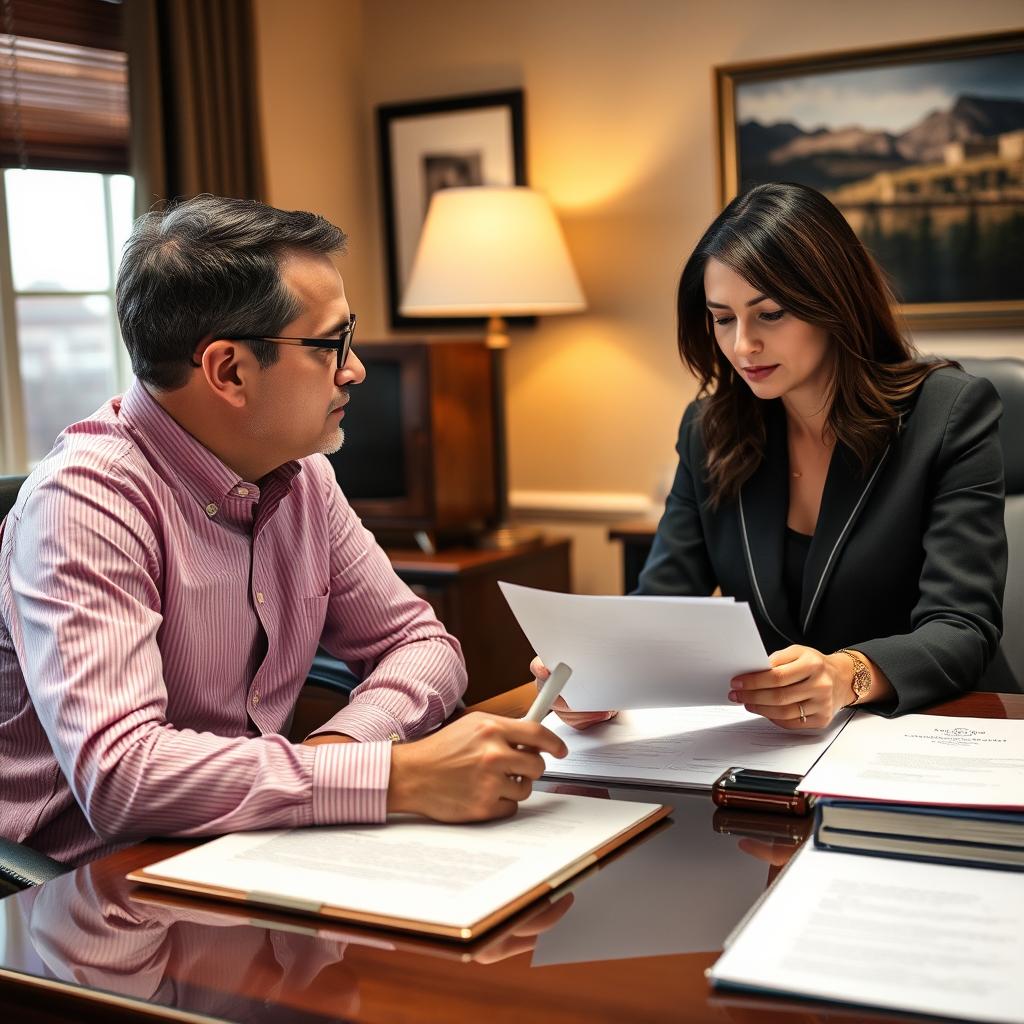
Hardship Waiver Lawyer Colonial Heights, VA
Immigration law can be complex, and few processes are as demanding as the hardship waiver. For residents of Colonial Heights, Virginia, obtaining an I‑601A provisional unlawful presence waiver—commonly called a hardship waiver—requires precise documentation and a thorough understanding of USCIS procedures. At Law Offices Of SRIS, P.C., Mr. Sris and his Of Counsel team bring over 120 years of combined legal experience to hardship waiver cases, working with clients to assemble the evidence that demonstrates extreme hardship to a qualifying U. Results may vary.S. Citizen or lawful permanent resident family member. Our Richmond location, at 7400 Beaufont Springs Drive, Suite 300, Room 395, Richmond, VA 23225, regularly assists individuals from Colonial Heights and the surrounding communities. To request a consultation about your hardship waiver, call (888) 437‑7747 or reach our Richmond location at (804) 201‑9009. Law Offices Of SRIS, P.C. – Advocacy Without Borders.
What a Hardship Waiver Means in Colonial Heights, Virginia
A hardship waiver is a formal request submitted to U.S. Citizenship and Immigration Services (USCIS) asking the government to forgive certain grounds of inadmissibility, most often the unlawful presence bars that would otherwise prevent a family member from obtaining lawful permanent residence. For Colonial Heights families, the application process is routed through the USCIS Washington District Office at 2675 Prosperity Avenue, Fairfax, VA 22031, while any subsequent removal proceedings are heard at the Arlington Immigration Court at 1901 South Bell Street, Arlington, VA 22202. Although Immigration is exclusively federal, understanding how a local USCIS field office operates can help applicants anticipate document requests and processing timelines.
The I‑601A provisional waiver is designed for individuals who are physically present in the United States, have an approved family-based immigrant petition, and can demonstrate that their qualifying relative—a spouse or parent who is a U.S. Citizen or lawful permanent resident—would experience extreme hardship if the applicant were denied entry. The hardship standard is fact‑specific; USCIS evaluates financial, emotional, medical, and country‑condition factors to determine whether the difficulty rises above the normal level of separation. Mr. Sris and his Of Counsel work with Colonial Heights residents to identify the strongest hardship evidence available in each family’s circumstances.
How Mr. Sris and His Of Counsel Handle Hardship Waiver Cases
Every hardship waiver case begins with a detailed consultation in which Mr. Sris or a member of his Of Counsel team reviews the applicant’s immigration history, the qualifying relationship, and the potential hardship factors. Because the firm practices exclusively through its Richmond location, Colonial Heights clients can meet by appointment without traveling far. After gathering all necessary records—medical documentation, financial statements, school records, and country‑condition reports—the legal team prepares a comprehensive application packet that explains how the qualifying relative would suffer extreme hardship if the waiver is not granted. Throughout the process, Mr. Sris and his Of Counsel remain available to answer questions and address USCIS requests for additional evidence.
The firm’s approach emphasizes thorough preparation. While USCIS filing fees are set by the government—including the $1,440 I‑485 fee, the $675 family petition fee, biometrics charges, and the $85 biometrics service fee—fee waivers are available for income‑eligible applicants on Form I‑912. Mr. Sris and his Of Counsel can help Colonial Heights families determine whether a fee waiver is appropriate and submit the necessary financial documentation. Because processing times for hardship waivers vary with USCIS caseloads and case complexity, the team keeps clients informed of status updates and explores every available avenue to move the application forward.
About Mr. Sris and His Of Counsel Team
Mr. Sris is the Owner and Founder of Law Offices Of SRIS, P.C. A former prosecutor, he founded the firm in 1997 and has since built a multi‑state practice admitted in Virginia, Maryland, the District of Columbia, New Jersey, and New York. Mr. Sris testified before the Virginia House Courts of Justice Committee in support of 2019 HB 635 (chief patron Del. David Bulova). Collectively, Mr. Sris and his Of Counsel bring over 120 years of combined legal experience—experience that they apply to every hardship waiver case. Results may vary. The team includes attorneys with diverse backgrounds, and all Of Counsel attorneys are engaged through the firm’s professional structure, provides clients with coordinated, knowledgeable guidance.
Frequently Asked Questions
What is a hardship waiver in immigration?
A hardship waiver is a request to USCIS to forgive a ground of inadmissibility—most often unlawful presence—so that an applicant may obtain lawful permanent residence despite the bar. The waiver, filed on Form I‑601A, requires showing that a qualifying U.S. Citizen or lawful permanent resident spouse or parent would suffer extreme hardship if the family were separated. The hardship must be more than the ordinary emotional and financial difficulty that accompanies family separation.
Who qualifies for an I‑601A provisional unlawful presence waiver?
An individual who is physically present in the United States, has an approved family-based immigrant petition, is the beneficiary of an approved visa petition, and can demonstrate extreme hardship to a qualifying spouse or parent who is a U.S. Citizen or lawful permanent resident qualifies for the I‑601A waiver. The applicant must be otherwise admissible, with the unlawful presence being the only ground of inadmissibility. A denial may be appealed or a motion to reopen may be filed.
How does the hardship waiver process work for Colonial Heights residents?
Colonial Heights residents file the I‑601A application with the USCIS Washington District Office in Fairfax, Virginia, and await a decision. After an approved family petition (Form I‑130) and a favorable waiver determination, the applicant can schedule a consular interview abroad. Mr. Sris and his Of Counsel help clients prepare the waiver package, gather hardship evidence, and respond to any Requests for Evidence (RFE) issued by USCIS.
What government fees are associated with a hardship waiver application?
The I‑601A filing fee is $715 (as of the most recent USCIS fee schedule), and the biometrics services fee is $85, for a total of $800. Additional fees for the underlying family petition (Form I‑130, $675) and the immigrant visa application (DS‑260, $325) are separate. Applicants with demonstrated financial hardship may request a fee waiver on Form I‑912 for the I‑601A filing fee. The total government costs can exceed $2,000 before attorney fees.
How long does a hardship waiver take to process?
Processing times for I‑601A waivers typically range from six to twelve months, though complex cases or RFE responses can extend the timeline. Because wait times depend on USCIS case inventories and staffing at the Washington District Office, families should expect a multi‑month review period. Mr. Sris and his Of Counsel monitor case status and advise clients of any changes.
Do I need a lawyer for a hardship waiver in Virginia?
No regulation requires an attorney, but most successful applicants work with an experienced immigration lawyer to compile the extensive documentation and meet the extreme‑hardship standard. Mr. Sris and his Of Counsel team at Law Offices Of SRIS, P.C. help Colonial Heights residents organize financial, medical, and country‑condition evidence, and advocate for the application before USCIS.
What evidence is needed to show extreme hardship?
Extreme hardship evidence may include financial records, medical assessments, psychological evaluations, school records, and country‑condition reports detailing dangers or lack of opportunities in the applicant’s home country. The qualifying relative’s health needs, special educational requirements, or community ties in the United States are also considered. Mr. Sris and his Of Counsel work with attorneys as needed to strengthen the hardship showing.
Can I apply for a hardship waiver while living outside the United States?
The I‑601A provisional waiver is only available to individuals who are physically in the United States. Those abroad may file Form I‑601 (the standard waiver) with the U.S. Consulate after an immigrant visa interview. Colonial Heights residents who have moved abroad should consult an immigration attorney to determine the correct filing strategy.
What happens if my hardship waiver is denied?
A denial of an I‑601A waiver does not independently trigger removal, but it leaves the applicant unable to complete the immigrant visa process. In some cases, a motion to reopen or reconsider may be filed with USCIS. Mr. Sris and his Of Counsel evaluate denials to determine whether additional evidence or a different legal theory could support a renewed application.
How does Mr. Sris and his team at Law Offices Of SRIS, P.C. assist with hardship waivers?
Mr. Sris and his Of Counsel provide case evaluation, evidence gathering, application preparation, and USCIS liaison services for hardship waiver applicants in Colonial Heights, Virginia. With a Richmond location at 7400 Beaufont Springs Drive, Suite 300, Room 395, Richmond, VA 23225, the firm is accessible to Colonial Heights families. To request a consultation, call (888) 437‑7747 or reach the Richmond location at (804) 201‑9009.
Attorney advertising. Prior results do not guarantee a similar outcome. The firm has documented 4,739+ case results across all practice areas since 1997. Results may vary. Case results depend on a variety of factors unique to each case.