
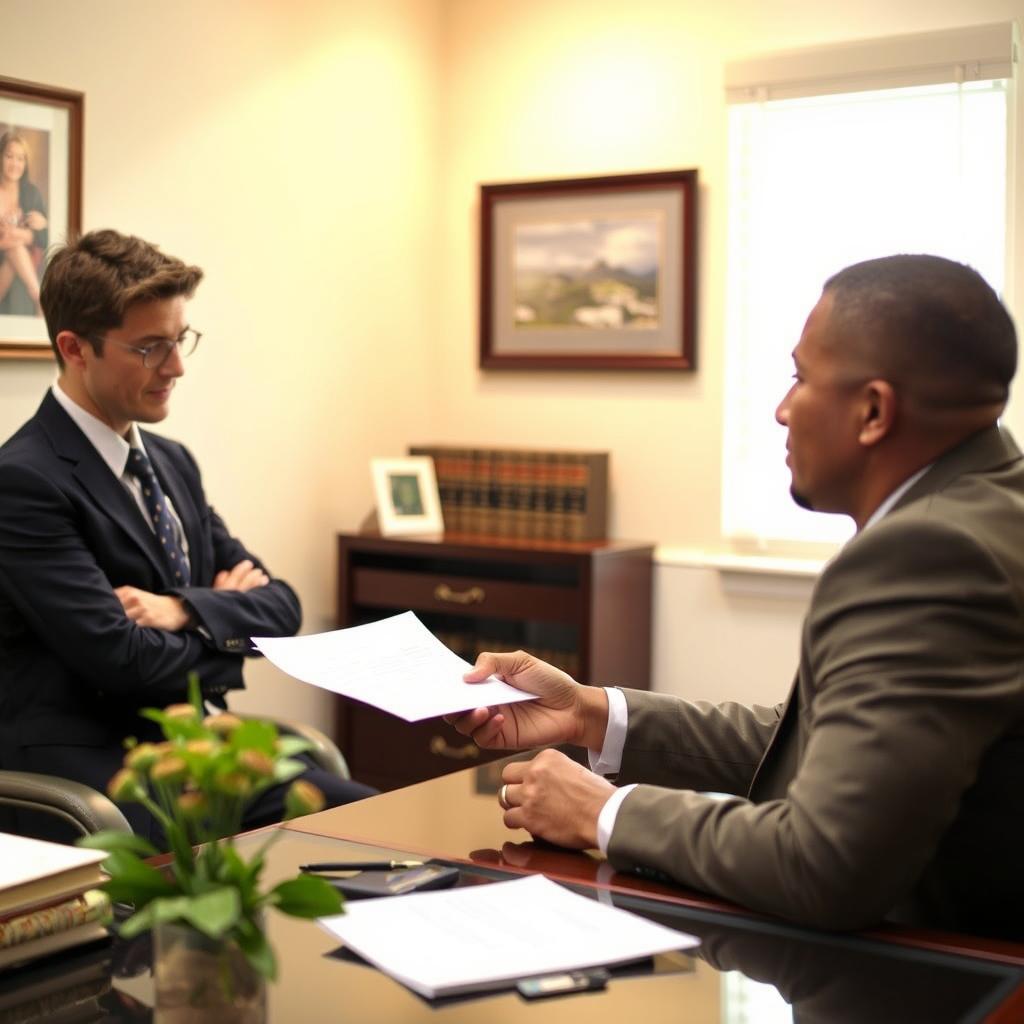
Fiancé Visa Lawyer Frederick County
A Fiancé Visa Lawyer Frederick County handles the K-1 visa process for couples in Frederick County, Maryland. Law Offices Of SRIS, P.C. —Advocacy Without Borders. The process involves a U.S. citizen petition and a foreign fiancé’s consular interview. Procedural specifics for Frederick County are reviewed during a Consultation by appointment at our Frederick County Location. SRIS, P.C. (Confirmed by SRIS, P.C.)
Statutory Definition of the K-1 Fiancé Visa
The K-1 nonimmigrant visa is defined under the Immigration and Nationality Act (INA) Section 101(a)(15)(K). This statute allows a foreign-citizen fiancé of a U.S. citizen to enter the United States for marriage. The petition is filed on Form I-129F. The maximum penalty for visa fraud is severe, including permanent inadmissibility and criminal charges. A Fiancé Visa Lawyer Frederick County understands these federal statutes intimately.
INA § 101(a)(15)(K) — Nonimmigrant Classification — Admission for 90 days to marry U.S. citizen petitioner.
The legal framework is purely federal, governed by U.S. Citizenship and Immigration Services (USCIS) and the Department of State. Maryland state law does not control the visa issuance. However, the marriage must be legally valid in Maryland after the fiancé arrives. The process mandates strict proof of a legitimate relationship and intent to marry within 90 days of entry. Failure to marry results in the beneficiary’s required departure from the U.S.
What is the legal basis for a K-1 visa?
The INA establishes the K-1 visa as a temporary nonimmigrant status. It is a conditional permission to enter for a specific purpose: marriage. The petition proves the relationship is bona fide. The couple must have met in person within two years before filing. A Fiancé Visa Lawyer Frederick County builds the petition around this core legal requirement.
What are the key forms in the K-1 process?
Form I-129F, Petition for Alien Fiancé, is the initial required filing. The foreign fiancé later submits Form DS-160 for the consular interview. After marriage in the U.S., Form I-485 adjusts status to permanent resident. Missing or incorrect forms cause automatic delays or denials. SRIS, P.C. manages this precise documentation for Frederick County clients.
What defines a legitimate fiancé relationship?
USCIS requires clear evidence of a genuine intent to marry. This includes proof of meetings, correspondence, and shared financial commitments. Photos, travel records, and affidavits are standard evidence. The burden of proof rests entirely on the petitioner. An experienced Fiancé Visa Lawyer Frederick County compiles a compelling evidence package.
The Insider Procedural Edge in Frederick County
While USCIS processing is national, local procedural knowledge is critical for Maryland couples. SRIS, P.C. understands the evidence standards expected for petitions filed by Frederick County residents. Procedural specifics for Frederick County are reviewed during a Consultation by appointment. Our Frederick County Location provides direct access to your legal team.
The immigration process does not occur in a local Maryland court. All petitions are filed with the USCIS Dallas Lockbox facility. The consular interview happens at the U.S. embassy or consulate in the fiancé’s home country. However, the Maryland marriage license application is a local step. Frederick County Circuit Court handles marriage license applications for residents.
Filing fees are set federally and change periodically. The current USCIS filing fee for Form I-129F is substantial. Additional costs include medical exams, translation fees, and affidavit support. The total financial outlay is significant and non-refundable if denied. A Fiancé Visa Lawyer Frederick County provides a clear cost breakdown from the start.
Where does the process start for a Frederick County petitioner?
The petitioner in Frederick County mails the I-129F package to the USCIS lockbox. The case is then assigned to a USCIS service center for adjudication. No in-person filing exists in Frederick County for the initial petition. After USCIS approval, the file moves to the National Visa Center. SRIS, P.C. tracks each step for clients. Learn more about Virginia legal services.
What is the typical K-1 visa timeline?
USCIS currently takes several months to adjudicate an I-129F petition. The National Visa Center and consular stages add additional months. The entire process often exceeds nine to twelve months. Unchecked requests for evidence (RFEs) can double the wait time. A Fiancé Visa Lawyer Frederick County works to avoid preventable delays.
What local steps are required after the visa is granted?
After the fiancé enters the U.S., the couple must marry within 90 days. They apply for a marriage license at the Frederick County Circuit Court. The license has a 48-hour waiting period in Maryland. The marriage must be legally performed and recorded. Then, the adjustment of status application (I-485) is filed with USCIS.
Penalties for Misrepresentation & Defense Strategies
Visa fraud carries severe penalties including permanent immigration bans. A Fiancé Visa Lawyer Frederick County develops strategies to prove relationship legitimacy. The most common penalty for a denied petition is loss of fees and time, with no appeal rights. Misrepresentation can lead to a lifetime bar under INA § 212(a)(6)(C).
| Offense / Issue | Penalty / Consequence | Notes |
|---|---|---|
| Visa Fraud / Willful Misrepresentation | Permanent Inadmissibility | INA § 212(a)(6)(C)(i); extremely difficult to waive. |
| Failure to Marry Within 90 Days | Accrual of Unlawful Presence; Removal Proceedings | Fiancé must depart the U.S.; overstay triggers bars. |
| Denied I-129F Petition | Loss of Filing Fee; Process Restart Required | USCIS does not refund fees; must address denial reasons. |
| Criminal History of Petitioner | Petition Ineligibility | Certain crimes, especially involving domestic violence, block approval. |
| Insufficient Evidence of Relationship | Request for Evidence (RFE) or Denial | USCIS may issue an RFE; failure to respond adequately causes denial. |
[Insider Insight] USCIS adjudicators and consular officers are trained to detect fraudulent relationships. Petitions from Frederick County are scrutinized like all others. Officers look for inconsistencies in timelines, age gaps, language barriers, and limited evidence of co-mingled lives. A strong legal strategy anticipates these concerns and addresses them preemptively in the initial filing.
How can a lawyer defend against a visa fraud accusation?
A lawyer gathers contemporaneous evidence proving the relationship’s authenticity. This includes time-stamped photos, travel itineraries, and financial support records. Affidavits from friends and family in Frederick County can provide supporting testimony. The goal is to create an undeniable record of a bona fide relationship. SRIS, P.C. attorneys are skilled at building these defensive evidence packets.
What if the petitioner has a criminal record in Maryland?
Certain criminal convictions make a petitioner ineligible to file an I-129F. This includes any history of specified crimes against a minor or domestic violence. A Maryland criminal record must be disclosed and analyzed before filing. In some cases, record expungement or other post-conviction relief may be necessary. Consulting a criminal defense representation attorney may be a critical first step.
What happens after a Request for Evidence (RFE)?
An RFE is a formal request for more information from USCIS. It specifies a deadline, typically 30 to 90 days. The response must directly and thoroughly address each question. An inadequate response leads to a denial. A Fiancé Visa Lawyer Frederick County crafts a thorough, targeted RFE response to secure approval.
Why Hire SRIS, P.C. for Your Fiancé Visa Case
SRIS, P.C. attorneys bring direct experience handling complex federal immigration systems. Our team understands the precise evidence needed for a successful K-1 petition. We provide focused, strategic guidance from the initial consultation through the green card process. You need an advocate who knows the stakes.
Attorney Background: Our immigration team includes attorneys with deep knowledge of family-based immigration law. They manage cases from Frederick County and across the region. They are familiar with the specific documentation challenges and consular practices that affect outcomes. Their approach is careful and client-focused. Learn more about criminal defense representation.
SRIS, P.C. has a Location in Frederick County to serve clients directly. We offer a Consultation by appointment to review your unique situation. Our process involves a detailed evaluation of your relationship evidence and potential legal issues. We then develop a clear strategy for your K-1 visa petition. Our goal is to achieve an efficient, successful outcome.
We handle the entire process: preparing the I-129F petition, responding to USCIS requests, and preparing for the consular interview. We also assist with the subsequent adjustment of status after marriage. Our our experienced legal team works to prevent errors that cause delays. We communicate clearly about timelines and requirements every step of the way.
Localized Frederick County Fiancé Visa FAQs
Where do I file my K-1 fiancé visa petition from Frederick County?
You file Form I-129F by mail to the USCIS Dallas Lockbox. There is no local filing Location in Frederick County for the initial petition. The petition is adjudicated by a federal USCIS service center. SRIS, P.C. can prepare and submit the complete petition package for you.
How long does the K-1 visa process take for Frederick County residents?
The total process typically takes 9 to 15 months. USCIS processing, NVC review, and the consular interview each add time. Processing times fluctuate based on USCIS caseloads. An attorney can help avoid delays from requests for evidence or documentation errors.
What evidence is best for proving our relationship to USCIS?
Provide passports showing entry stamps, dated photos together, flight itineraries, and hotel receipts. Include copies of communication logs like emails and chat histories. Affidavits from people who know your relationship are also useful. The evidence must show a genuine, ongoing relationship.
Can we get a marriage license in Frederick County before the K-1 visa is approved?
No, you cannot legally marry in the U.S. before your fiancé enters on the K-1 visa. The K-1 visa’s sole purpose is to allow entry for a marriage to occur within 90 days. You can plan the ceremony, but the legal marriage must happen after entry on the K-1 visa.
What happens if our K-1 visa petition is denied?
You will receive a denial notice explaining the reasons. You may refile a new I-129F petition if you can overcome the denial grounds. There is no appeal for a denied I-129F. Consulting a Fiancé Visa Lawyer Frederick County before refiling is critical to address the issues.
Proximity, Contact, and Critical Disclaimer
SRIS, P.C. serves clients in Frederick County, Maryland. Our legal team is accessible for consultations to discuss your K-1 fiancé visa case. Procedural specifics for Frederick County are reviewed during a Consultation by appointment. We provide clear guidance on the federal immigration process and local Maryland marriage requirements.
Consultation by appointment. Call 24/7. To speak with a member of our team about your fiancé visa needs, contact us. We are here to provide the direct legal advocacy you require for this important process.
Law Offices Of SRIS, P.C.—Advocacy Without Borders.
Phone: [PHONE NUMBER FROM GMB]
NAP: [ADDRESS FROM GMB]
Past results do not predict future outcomes.