
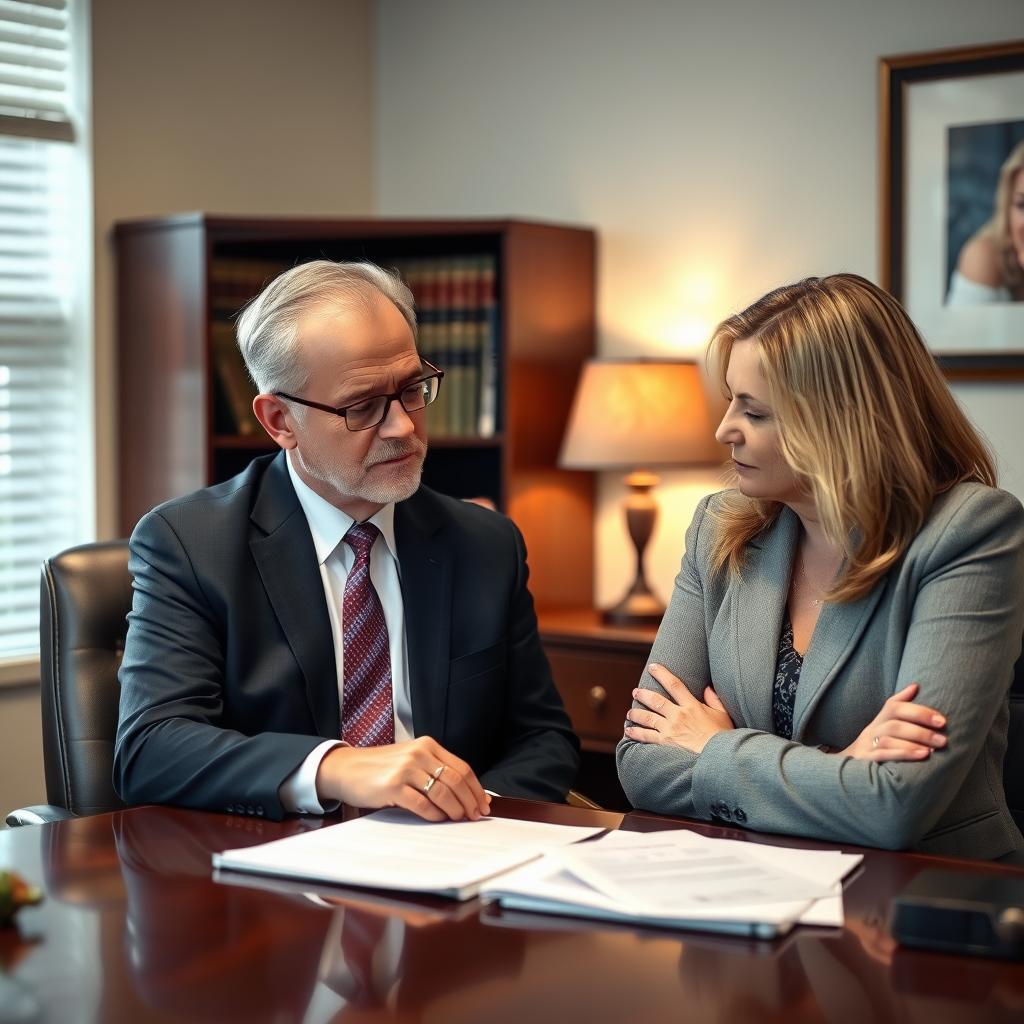
Fiancé Visa Lawyer Shenandoah, VA
You’ve found the person you want to spend your life with, but they live outside the United States. The K‑1 fiancé visa allows your foreign‑national fiancé to enter the U.S. So you can marry within 90 days and then apply for a green card. At Law Offices Of SRIS, P.C., Mr. Sris and the firm’s Of Counsel attorneys guide clients in Shenandoah, Virginia, through the entire fiancé visa process — from the initial I‑129F petition through consular processing abroad and, after the wedding, adjustment of status. Immigration laws are federal, but every application is personal. Mr. Sris and the Of Counsel team work to build a clear, well‑documented case that presents your relationship honestly and thoroughly. Reach Law Offices Of SRIS, P.C. at (888) 437‑7747 to discuss your fiancé’s visa. Law Offices Of SRIS, P.C. – Advocacy Without Borders.
What a Fiancé Visa Means in Shenandoah, Virginia
Shenandoah County, including the towns of Woodstock, Strasburg, Mount Jackson, and New Market, sits in Virginia’s Shenandoah Valley. While immigration is governed solely by federal law, a local perspective matters. Law Offices Of SRIS, P.C. maintains a Shenandoah location at 505 North Main Street, Suite 103, Woodstock, VA 22664 (by appointment only). From there, Mr. Sris and the firm’s Of Counsel attorneys represent clients whose caseloads often involve the USCIS Washington Field Office in Fairfax or the immigration courts in Sterling and Annandale. Although K‑1 petitions are adjudicated by USCIS service centers, consular interviews for Shenandoah‑area clients are typically held at the U.S. Embassy or consulate in the fiancé’s home country. Should complications later arise — for example, if a removal proceeding is initiated — the firm appears before the Arlington Immigration Court and the Board of Immigration Appeals.
Because fiancé visa work is document‑intensive, clients in Shenandoah and surrounding counties benefit from a firm that can meet locally, review documents in person, and coordinate with out‑of‑state processing centers. The Woodstock location allows Mr. Sris and the Of Counsel team to sit down with clients in a familiar setting while handling the case’s federal component. Whether your fiancé is in the Philippines, the United Kingdom, India, or elsewhere, the procedural steps are uniform, but the practical challenges vary. The firm’s approach accounts for both the federal legal framework and the personal logistics that a Shenandoah Valley couple faces.
How Mr. Sris and the Firm’s Of Counsel Attorneys Handle Fiancé Visa Cases
Every fiancé visa case starts with a consultation to verify that the couple meets the K‑1 requirements: the petitioner is a U.S. Citizen, both parties are free to marry, the couple met in person within the past two years (unless a cultural or hardship exception applies), and they intend to marry within 90 days of the fiancé’s entry. Mr. Sris and his Of Counsel review the relationship’s history, collect evidence — photographs, correspondence, travel records, affidavits — and assemble the Form I‑129F petition. The petition is filed with USCIS, and after approval the case is forwarded to the National Visa Center and then to the consulate abroad.
Throughout the process the firm remains in contact with the client and the foreign fiancé, preparing them for the consular interview and ensuring that required documents — birth certificates, police clearances, medical exams, the completed DS‑160 — are in order. Delays can occur if the consulate requests additional evidence. Mr. Sris and the Of Counsel team help respond to Requests for Evidence (RFEs) and address consular concerns. Once the visa is issued and the fiancé enters the United States, the couple must marry within 90 days. The firm then guides the newly‑married spouse through the adjustment‑of‑status application to obtain a green card and, if desired, work authorization. Because immigration policy and processing times change, the attorneys monitor USCIS developments so that clients receive advice based on the most current administrative landscape.
About Mr. Sris and the Firm’s Of Counsel Attorneys
Mr. Sris, Owner and Founder of Law Offices Of SRIS, P.C., founded the firm in 1997. A former prosecutor, he is admitted to practice in Virginia, Maryland, the District of Columbia, New Jersey, and New York. His practice concentrates on immigration, criminal defense, family law, and civil litigation. Whether a fiancé visa case proceeds smoothly or runs into unforeseen obstacles, Mr. Sris draws on decades of experience to chart the most efficient path forward.
The firm’s Of Counsel attorneys bring additional experience in immigration matters, including previous service as a Virginia State Trooper who understands law‑enforcement procedures and evidence standards. The Of Counsel team assists with petition preparation, document review, and case strategy. All work is performed under the supervision of Mr. Sris, and clients receive individual case review throughout the process. The firm’s multilingual capabilities in English, Spanish, and Tamil help bridge communication gaps when the foreign fiancé’s native language is not English.
Frequently Asked Questions
What is the K‑1 fiancé visa process?
The K‑1 visa process begins when a U.S. Citizen files Form I‑129F with USCIS, followed by consular processing abroad and, after marriage, adjustment of status. USCIS reviews the petition; once approved, the case moves to the National Visa Center and then to a U.S. Embassy or consulate. The foreign fiancé undergoes a medical exam and attends a visa interview. If the visa is granted, the fiancé travels to the United States, and the couple must marry within 90 days. After the wedding, the spouse applies for a green card and work authorization.
Who is eligible for a fiancé visa?
A U.S. Citizen who intends to marry a foreign national within 90 days of the fiancé’s entry is eligible to petition for a K‑1 visa. Both parties must be legally free to marry, and they must have met in person within the last two years, unless a cultural custom or extreme hardship makes an in‑person meeting impossible. The petitioner must meet minimum income requirements or provide a joint sponsor. Children of the foreign fiancé may be eligible for K‑2 derivative visas.
How long does a fiancé visa take?
Processing times vary by USCIS service center and consular post; typical I‑129F adjudication takes several months, with additional weeks for consular processing. Factors such as the volume of applications, the need for a Request for Evidence, and the consulate’s interview backlog affect the timeline. Mr. Sris and his Of Counsel monitor the case status throughout and can advise clients on realistic expectations for their specific situation.
Can my fiancé work or travel while the visa is processing?
No. The fiancé cannot work or travel to the United States until the K‑1 visa is issued and the fiancé is admitted at a port of entry. Once the marriage occurs and an adjustment‑of‑status application is filed, the spouse can apply for an employment authorization document (EAD) and advance parole travel document. Processing those applications typically takes several more months, but they give the spouse the right to work and to travel while the green card application is pending.
What if my fiancé is already in the United States?
If the foreign‑national partner is already in the United States on another visa, the K‑1 route may not be the correct path. Depending on the person’s current status — such as a B‑2 visitor, F‑1 student, or H‑1B worker — the couple may be able to marry first and then apply for adjustment of status directly, without leaving the U.S. However, entering the U.S. On a nonimmigrant visa with the pre‑conceived intent to marry is a complex issue. Mr. Sris and his Of Counsel can evaluate your specific circumstances to determine the appropriate legal strategy.
What happens if the fiancé visa application is denied?
A denial may be overturned through reconsideration, appeal, or re‑filing with additional evidence, depending on the reason for the denial. If USCIS denies the petition, the firm can review the denial notice, address the deficiency, and file a new petition or a motion to reopen. For consular denials, the firm can help the couple prepare additional documentation for a follow‑up interview. An experienced immigration attorney can identify weaknesses that led to the denial and work to correct them for a subsequent filing.
For guidance on your specific situation, reach Law Offices Of SRIS, P.C. at (888) 437‑7747.
Other communities the firm serves:
Fiancé Visa Lawyer Fairfax County, VA •
Fiancé Visa Lawyer Prince William County, VA •
Fiancé Visa Lawyer Warren County, VA