
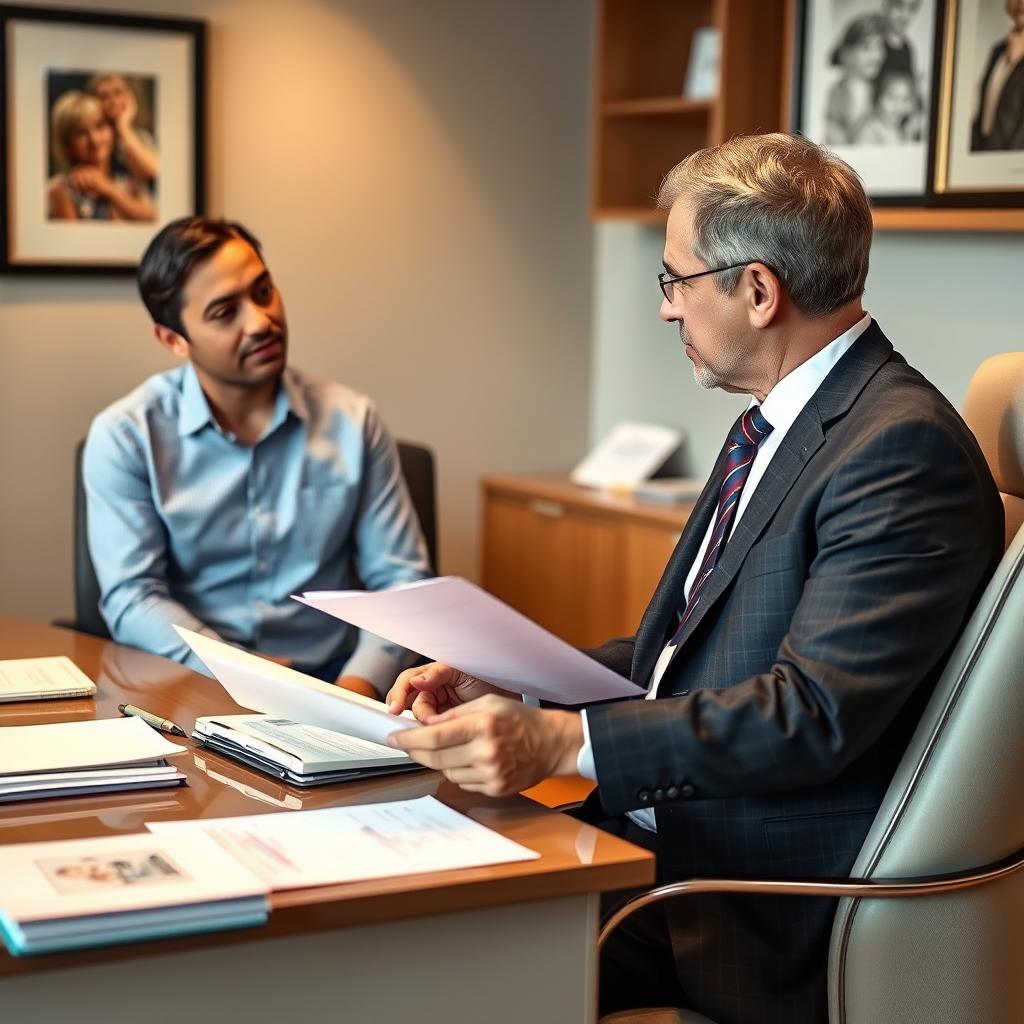
Fiancé Visa Lawyer Dupont Circle, DC
The K‑1 fiancé visa allows a U.S. Citizen to bring a foreign‑national fiancé to the United States to marry and then apply for lawful permanent residence. For Dupont Circle residents, the process involves USCIS adjudication, consular processing, and sometimes removal‑defense considerations—all within the federal immigration system. Law Offices Of SRIS, P.C. represents clients throughout the District of Columbia, with a location in Arlington, Virginia, only minutes from Dupont Circle. Mr. Sris and his Of Counsel handle every stage of the fiancé visa journey, from the initial I‑129F petition and the consular interview to adjustment of status after marriage. The firm has documented case results across multiple practice areas since 1997; Results may vary. To discuss your fiancé visa matter, call (888) 437‑7747.
Law Offices Of SRIS, P.C. – Advocacy Without Borders.
What the K‑1 Fiancé Visa Means in Dupont Circle, DC
The K‑1 nonimmigrant visa, codified at 8 U.S.C. § 1101(a)(15)(K), permits a foreign‑national fiancé of a U.S. Citizen to enter the United States for the purpose of marrying within 90 days of admission. After the marriage, the foreign‑national spouse may apply for adjustment of status to permanent residence. Dupont Circle—a neighborhood known for its embassy presence and international professional community—sees a steady need for family‑based immigration services, including fiancé visa petitions. The nearest USCIS Washington District Office, located in Fairfax, Virginia, processes many local applications, while removal proceedings for any Dupont Circle resident would be heard at the Arlington Immigration Court.
Because many Dupont Circle couples involve a U.S. Citizen petitioner and a foreign‑national beneficiary, the K‑1 visa process must be carefully managed. Eligibility requires that both parties are legally free to marry, have met in person within the two years preceding the petition (with limited exceptions), and intend to establish a life together in the United States. A well‑prepared petition, supported by evidence of the bona fide relationship and compliance with all statutory requirements, is essential. Mr. Sris and his Of Counsel work to ensure that the petition package is complete and that any potential complications—such as prior immigration violations or criminal history—are addressed early.
How Mr. Sris and His Of Counsel Handle Fiancé Visa Cases
Every fiancé visa case begins with a thorough review of the couple’s situation. Mr. Sris and his Of Counsel evaluate the petitioner’s citizenship status, the beneficiary’s immigration history, and any factors that could affect eligibility or admissibility. The I‑129F petition is prepared with careful attention to the documentary requirements, including proof of the relationship, statements of intent to marry, and photographs or other corroborating evidence. The firm monitors the petition through USCIS processing, responds to any Requests for Evidence (RFEs), and assists the couple in preparing for the consular interview abroad.
After the visa is issued and the fiancé enters the United States, timely marriage and adjustment‑of‑status filing are critical. Mr. Sris and his Of Counsel guide clients through the adjustment process, including the I‑485 application, the affidavit of support, and the medical examination. If complications arise—such as a visa denial, a finding of inadmissibility, or a prior removal order—the firm pursues available remedies, including waivers of inadmissibility, motions to reopen, and appeals to the Board of Immigration Appeals. The firm works toward favorable outcomes; Results may vary.
About Mr. Sris and His Of Counsel Team
Mr. Sris, Owner and Founder of Law Offices Of SRIS, P.C., founded the firm in 1997. He is a former prosecutor whose experience spans criminal and civil litigation, and he has built a multi‑state practice admitted in Virginia, Maryland, the District of Columbia, New Jersey, and New York. Mr. Sris testified before the Virginia House Courts of Justice Committee in support of 2019 HB 635 (chief patron Del. David Bulova). His immigration practice concentrates on family‑based visas, deportation defense, and consular processing.
Mr. Sris is supported by a team of Of Counsel attorneys who bring extensive combined legal experience. Results may vary. The firm operates locations in Fairfax, Arlington, Rockville, and elsewhere, and serves clients from the Dupont Circle neighborhood through the Arlington location. All consultations are by appointment. Call (888) 437‑7747 to schedule.
Frequently Asked Questions
What is a K‑1 fiancé visa and how does it work?
A K‑1 fiancé visa is a nonimmigrant visa that allows a foreign‑national fiancé of a U.S. Citizen to enter the United States to marry within 90 days and then apply for permanent residence. The process starts with the U.S. Citizen filing Form I‑129F with USCIS. Once approved, the case moves to the National Visa Center and then to the U.S. Embassy or consulate in the fiancé’s home country. After the visa is issued, the couple must marry within 90 days of entry and file for adjustment of status. An experienced attorney can help avoid delays and address eligibility concerns.
Who is eligible for a K‑1 fiancé visa?
Eligibility requires that the petitioner is a U.S. Citizen, both parties are legally free to marry, and they have met in person within the last two years, unless a cultural or extreme hardship exemption applies. The couple must also intend to marry within 90 days of the fiancé’s admission to the United States. Criminal history, prior immigration violations, or health‑related inadmissibility may affect the beneficiary’s eligibility. A thorough pre‑filing assessment can identify and address these issues before the petition is submitted.
Do I need a lawyer to apply for a fiancé visa?
You are not legally required to hire a lawyer to apply for a fiancé visa, but legal guidance can help you avoid costly mistakes, RFEs, and denials. The I‑129F petition involves detailed documentation, and even small errors can cause months of delay. An attorney can also advise on the consular interview, assist with waivers if there are grounds of inadmissibility, and handle post‑marriage adjustment of status. Mr. Sris and his Of Counsel can provide that support.
What happens if the fiancé visa petition is denied?
If a K‑1 visa petition is denied, the petitioner may receive a decision explaining the reasons and may have the right to file a motion to reopen or reconsider, or to appeal to the Board of Immigration Appeals in appropriate cases. A denial often results from insufficient evidence of a bona fide relationship, failure to meet eligibility requirements, or a finding of inadmissibility. Mr. Sris and his Of Counsel review the denial notice, assess the possible remedies, and advise on whether a new petition or a waiver application might be a better course of action.
How does the process differ if the fiancé is already in the United States?
If the foreign‑national fiancé is already in the United States in lawful nonimmigrant status, the couple may still pursue a K‑1 visa, but they must depart the U.S. To apply for the visa at a consulate abroad. Alternatively, if the couple marries first, the U.S. Citizen spouse may file an I‑130 immigrant petition and seek adjustment of status, provided the beneficiary entered lawfully and is not otherwise barred from adjustment. An attorney can evaluate which path is best under the specific circumstances.
Related Immigration Services in the District of Columbia:
Immigration Lawyer Washington, D.C. |
Immigration Lawyer Georgetown |
Immigration Lawyer Spring Valley
Primary‑Source References:
8 U.S.C. § 1101 (Nonimmigrant Visa Categories) |
USCIS – Fiancé(e) Visa (K‑1)
Attorney advertising. Prior results do not guarantee a similar outcome. Case results depend on a variety of factors unique to each case. Results may vary.