
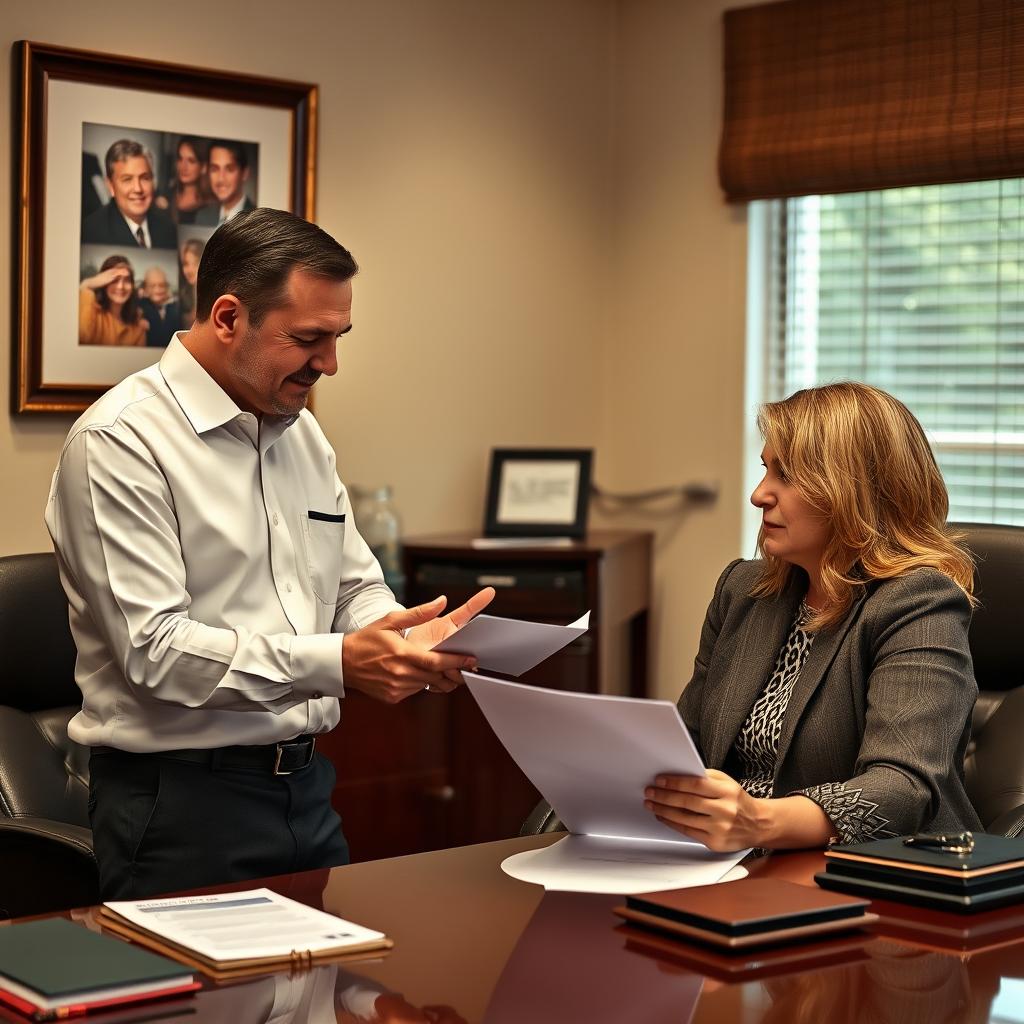
Fiancé Visa Lawyer Alexandria, VA
For Alexandria residents who are planning to marry a foreign national and bring their fiancé(e) to the United States, the K‑1 fiancé visa is the primary pathway. The process requires an I‑129F petition filed with U.S. Citizenship and Immigration Services, followed by consular processing abroad and, after entry and marriage, an adjustment of status. Mistakes in any step can delay or derail a couple’s plans. Mr. Sris and the firm’s Of Counsel attorneys guide clients through the entire fiancé visa process—from the initial petition to the green card application. To request a consultation, call (888) 437-7747.
Alexandria General District Court is currently presided over by Hon. Donald M. Haddock Jr. Court hours: Mon-Fri 8:00AM-4:00PM. Counsel appearing on immigration matters should plan filings accordingly.
What a Fiancé Visa Means for Alexandria Residents
Alexandria, Virginia is home to a diverse international community, and many residents navigate the U.S. Immigration system to unite with loved ones. Fiancé visa applications for Alexandria residents are processed through federal channels—primarily the USCIS Washington District Office at 2675 Prosperity Avenue in Fairfax, Virginia. Consular interviews occur at the U.S. Embassy or consulate in the fiancé(e)’s home country. If an application is denied or a visa is revoked, removal proceedings could follow at the Arlington Immigration Court, 1901 South Bell Street, Arlington, Virginia 22202.
The firm’s Arlington location, at 1655 Fort Myer Drive, Suite 700, Room 719, Arlington, VA 22209, is minutes from Alexandria and serves clients throughout Northern Virginia. By appointment only, the firm assists with family‑based petitions, adjustment of status, consular processing, naturalization, deportation defense, and VAWA petitions. Mr. Sris, who is admitted in Virginia and four other jurisdictions, appears in immigration matters that touch multiple states and countries.
How the K‑1 Fiancé Visa Process Works
The K‑1 nonimmigrant visa allows a U.S. Citizen’s foreign-citizen fiancé(e) to travel to the United States for the purpose of marrying the petitioner within 90 days of arrival. The process begins with the U.S. Citizen filing Form I‑129F, Petition for Alien Fiancé(e), with USCIS. The couple must show they have met in person within the two years before filing, are both free to marry, and intend to marry within 90 days of the fiancé(e)’s admission. After USCIS approves the petition, the case moves to the National Visa Center and then to the consulate abroad for a visa interview and medical examination.
Once the fiancé(e) enters the U.S. And the marriage takes place, the new spouse can apply for adjustment of status to lawful permanent resident (a green card) by filing Form I‑485. The couple must submit evidence of a bona fide marriage, including joint financial documents, photographs, and affidavits from family and friends. The Arlington‑area office helps clients compile the required documentation, respond to Requests for Evidence, and prepare for interviews at the USCIS field office in Fairfax. Throughout the process, the firm monitors case status and addresses any delays or complications that arise.
Consequences of Visa Denial and Immigration Law Risks
A fiancé visa denial can occur for several reasons: incomplete documentation, insufficient proof of the relationship, concerns about the petitioner’s financial ability to support the beneficiary, or findings of inadmissibility on the part of the beneficiary. If the visa is refused at the consular stage, the couple may need to reapply, request a supervisory review, or explore alternative pathways such as a spouse visa after an overseas marriage. If the fiancé(e) enters the U.S. On a K‑1 visa but does not marry the petitioner, they cannot adjust status through another marriage and may accrue unlawful presence.
Unlawful presence carries severe consequences. The three‑year bar applies to individuals who remain in the U.S. For more than 180 days but less than one year after their lawful status expires; the ten‑year bar applies to those who remain for one year or more. A prior removal order combined with unlawful reentry can trigger a permanent bar to admission. Criminal convictions can also result in mandatory deportation for aggravated felonies or crimes involving moral turpitude. Mr. Sris and the firm’s Of Counsel attorneys defend against removal proceedings at the Arlington Immigration Court and the Annandale and Sterling Immigration Courts, pursuing relief options such as cancellation of removal, asylum, or voluntary departure where appropriate.
How Mr. Sris and the Firm’s Of Counsel Attorneys Handle Immigration Cases
Immigration matters are exclusively federal, but local knowledge matters. The firm’s approach is built on preparation, verification, and a thorough understanding of both the statutory framework and the practical realities of USCIS and EOIR processing. When a client hires the firm for a fiancé visa petition, the team first gathers all required documentation—proof of citizenship, evidence of the relationship, financial affidavits, and the beneficiary’s personal and immigration history. Every form is checked for accuracy before filing to minimize Requests for Evidence and processing delays.
If USCIS or the consulate raises questions, Mr. Sris and the firm’s Of Counsel attorneys respond promptly with additional evidence and legal arguments. When removal proceedings are initiated, the firm represents clients at the Arlington Immigration Court, challenging the charges, seeking bond, and requesting relief from removal. The team works to protect clients’ due‑process rights and to identify viable pathways to lawful status. Throughout the matter, clients receive clear explanations of their options and realistic assessments of what to expect.
About Mr. Sris and the Firm’s Of Counsel Attorneys
Mr. Sris, Owner and Founder of Law Offices Of SRIS, P.C., has practiced since 1997 and is a former prosecutor. He testified before the Virginia House Courts of Justice Committee in support of 2019 HB 635 (chief patron Del. David Bulova). Admitted in Virginia, Maryland, the District of Columbia, New Jersey, and New York, he concentrates his practice on immigration, criminal defense, and family law. The firm’s Of Counsel attorneys bring extensive experience in immigration, including former law‑enforcement backgrounds that inform rigorous case analysis.
Mr. Sris and the firm’s Of Counsel attorneys bring extensive combined legal experience. Results may vary. The firm has documented case results across all practice areas since 1997. In Alexandria, the firm has appeared in numerous immigration matters. For a consultation about a fiancé visa or other immigration concern, reach Law Offices Of SRIS, P.C. at (888) 437-7747.
Our Arlington Location Serving Alexandria
Law Offices Of SRIS, P.C.
Arlington Location
1655 Fort Myer Drive, Suite 700, Room 719
Arlington, VA 22209
By appointment only. Call (888) 437-7747 to schedule.
Toll‑free during business hours phone consultations available.
The location serves clients from Alexandria, Old Town, Del Ray, Kingstowne, and across Northern Virginia. Free parking is available at the building. Spanish and Tamil language assistance is also offered.
Frequently Asked Questions
What is a K‑1 fiancé visa?
A K‑1 visa allows a U.S. Citizen’s foreign‑citizen fiancé(e) to enter the United States for the purpose of getting married within 90 days of arrival. The visa is a nonimmigrant status that requires a valid, bona fide relationship. After the marriage, the foreign spouse can apply for adjustment of status to become a lawful permanent resident.
What are the basic requirements for a K‑1 visa?
Both parties must be legally free to marry, have met in person within the two years before filing, and intend to marry within 90 days of the beneficiary’s arrival. The U.S. Citizen petitioner must meet income requirements to sponsor the fiancé(e), and the beneficiary must pass a medical exam and background checks.
How long does the K‑1 fiancé visa process take?
Processing times vary, but the entire K‑1 visa process—from filing the I‑129F petition to the visa interview—generally takes several months, depending on USCIS and consular workloads. Processing delays are common, and the timeline can be affected by Requests for Evidence, security checks, and backlog at the specific consulate. An experienced attorney can help avoid mistakes that cause additional delays.
Can my fiancé(e) work in the U.S. On a K‑1 visa?
The K‑1 visa holder may apply for employment authorization by filing Form I‑765 after entry, but cannot work until the Employment Authorization Document is approved. Many couples also apply for a work permit concurrently with the adjustment of status application after marriage.
What is the difference between a K‑1 fiancé visa and a marriage‑based green card?
A K‑1 visa is for a foreign‑citizen fiancé(e) who will enter the U.S. To marry a U.S. Citizen; a marriage‑based green card (CR‑1/IR‑1) is for a spouse who is already married to a U.S. Citizen. The K‑1 is a nonimmigrant visa that requires marriage and an adjustment of status later, while the spousal immigrant visa grants permanent residence upon entry after consular processing. Each pathway has different timelines and documentation requirements.
How much does a green card cost?
USCIS filing fees for adjustment of status (Form I‑485) are $1,440, the family petition (I‑130) is $675, and biometrics are $85—total government fees around $2,200 before attorney fees. Fee waivers are available for income‑eligible applicants on Form I‑912. For Alexandria residents, applications are processed at the USCIS Washington District Office in Fairfax. Actual costs vary, and the firm can discuss fees during an initial consultation.
How long does it take to get a green card through a fiancé visa?
After entering on a K‑1 visa and marrying, the adjustment of status to a green card typically takes eight to fourteen months for an immediate relative. Processing times depend on USCIS workload and whether an interview is required. The firm monitors case status and responds promptly to any agency requests.
What happens if my fiancé visa is denied?
If a K‑1 visa is denied at the consulate, the couple may reapply, request supervisory review, or explore a spousal visa after an overseas marriage. Denials often result from insufficient documentation, eligibility concerns, or inadmissibility findings. An attorney can review the denial notice and recommend the trusted course of action.
What happens if I get a deportation notice?
Removal proceedings for Alexandria residents are heard at the Arlington Immigration Court, 1901 South Bell Street, Arlington, VA 22202. You have the right to an attorney—though not provided by the government. Options include cancellation of removal, asylum, voluntary departure, and appeals. Mr. Sris and the firm’s Of Counsel attorneys handle deportation defense and can appear with you at the Arlington court.
What immigration services are available for Alexandria residents?
Law Offices Of SRIS, P.C. handles fiancé visas, family petitions, adjustment of status, naturalization, deportation defense, and work permits for clients in Alexandria. The firm also assists with hardship waivers, VAWA petitions, and consular processing. Consultations are by appointment; call (888) 437-7747.
Do I need a lawyer for a fiancé visa?
While you are not legally required to hire a lawyer, a fiancé visa application involves complex legal requirements, and errors can result in denial or prolonged separation. An experienced immigration attorney helps prepare the petition correctly, gather supporting evidence, respond to USCIS or consular inquiries, and address any inadmissibility issues that arise.
Related Immigration Resources
- Fairfax County Immigration Lawyer
- Fairfax City Immigration Lawyer
- Falls Church Immigration Lawyer
- Prince William County Immigration Lawyer
- Manassas Immigration Lawyer
Outbound Authority Links
For additional information, consult these official resources:
Attorney advertising. Prior results do not guarantee a similar outcome.
Results may vary.
Case results depend on a variety of factors unique to each case.