
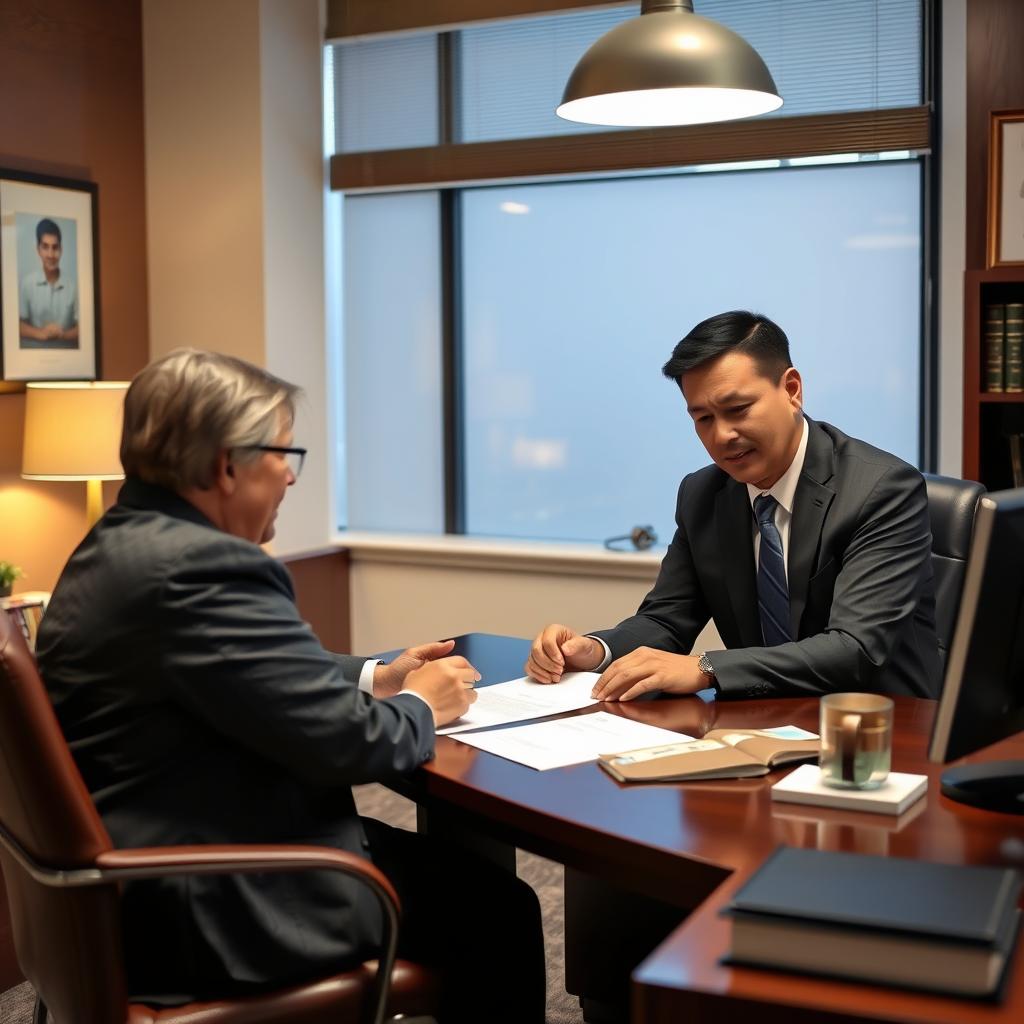
Family Green Card Lawyer Columbia Heights
A Family Green Card Lawyer Columbia Heights handles petitions for lawful permanent residence based on family ties. The process is governed by federal immigration law, not D.C. statute, and involves filing with U.S. Citizenship and Immigration Services. Law Offices Of SRIS, P.C. —Advocacy Without Borders. provides direct representation for these complex federal filings from our Columbia Heights Location. Procedural specifics for Columbia Heights are reviewed during a Consultation by appointment. (Confirmed by SRIS, P.C.)
Statutory Definition and Federal Framework
Family-based green cards are governed by the Immigration and Nationality Act (INA), specifically under provisions for Immediate Relative and Family Preference immigrant visas. The INA is federal law, codified in Title 8 of the U.S. Code, and is administered uniformly across all states, including the District of Columbia. There is no separate D.C. code for immigration matters. The process is a federal administrative procedure, not a state or local court action. The maximum penalty for misrepresentation in an application can include permanent inadmissibility and deportation.
handling the INA requires understanding specific visa categories. Immediate Relative (IR) visas are for spouses, unmarried children under 21, and parents of U.S. citizens. These categories have no annual numerical limits. Family Preference (F) visas are for more distant family relationships, such as unmarried adult children or siblings. These categories have strict annual caps and waiting periods. A Family Green Card Lawyer Columbia Heights categorizes your case correctly from the start. This classification dictates the entire timeline and probability of success.
The petition process begins with a U.S. citizen or lawful permanent resident filing Form I-130, Petition for Alien Relative. This form establishes the qualifying family relationship. Approval of the I-130 does not grant immigration status. It simply recognizes the relationship for visa purposes. The beneficiary must then apply for an immigrant visa or adjust status if already lawfully present in the U.S. Each step has distinct evidence requirements and potential legal hurdles. Missing a single document can cause months of delay or a denial.
Evidence is the cornerstone of any family-based petition. For a spousal petition, you need proof of a bona fide marriage. This includes joint financial records, leases, photographs, and affidavits. For parent-child petitions, you must provide official birth certificates establishing the relationship. All foreign documents must be accompanied by a certified English translation. USCIS officers scrutinize this evidence for consistency and authenticity. A Columbia Heights family-based green card petition lawyer ensures your evidence package is complete and persuasive before submission.
What are the main visa categories for family sponsorship?
Immediate Relative visas and Family Preference visas are the two main categories. Immediate Relative visas have no annual limits and include spouses, minor children, and parents of U.S. citizens. Family Preference visas have annual quotas and include unmarried adult children, married children, and siblings of U.S. citizens, as well as spouses and children of Green Card holders. A green card through family lawyer Columbia Heights will identify the correct category, which determines your wait time.
What is the difference between consular processing and adjustment of status?
Consular processing is for beneficiaries outside the United States, who apply for an immigrant visa at a U.S. embassy. Adjustment of status is for beneficiaries already lawfully inside the U.S., who file Form I-485 to change their status. The choice depends entirely on the beneficiary’s current location and immigration status. Your lawyer will determine the correct path and prepare the corresponding forms and evidence.
What is the role of the Affidavit of Support (Form I-864)?
The Affidavit of Support is a legally binding contract where the sponsor promises to financially support the immigrant. The sponsor must demonstrate income at or above 125% of the Federal Poverty Guidelines. This requirement is mandatory for most family-based applications. If the sponsor’s income is insufficient, a joint sponsor may be used. Failure to meet this requirement will result in a visa denial.
The Insider Procedural Edge in Columbia Heights
While immigration is federal, local USCIS field Location procedures and local immigration court dockets impact Columbia Heights residents. The primary federal administrative hub for D.C. area filings is the USCIS Washington D.C. Field Location, though filings are often mailed to centralized lockboxes. For matters requiring an in-person interview or hearing, Columbia Heights residents will typically be scheduled at the Washington D.C. Field Location or the Arlington Immigration Court. A Family Green Card Lawyer Columbia Heights knows the specific preferences and procedural nuances of these local federal Locations.
The Washington D.C. USCIS Field Location handles interviews for applications like Form I-485 (Adjustment of Status) and Form N-400 (Naturalization). Its address is 2675 Prosperity Ave, Fairfax, VA 22031. While not in D.C. proper, this Location serves the metropolitan area. Interview notices will specify this location. Wait times for interview scheduling at this Location can vary significantly based on application type and caseload. Having a lawyer who regularly appears here provides a distinct advantage in preparation.
For cases that encounter legal issues and are placed in removal proceedings, the relevant court is the Arlington Immigration Court. Its address is 901 N. Stuart St., Suite 1300, Arlington, VA 22203. This court falls under the jurisdiction of the Executive Location for Immigration Review (EOIR). Master calendar hearings and individual merits hearings are held here. The timeline from a Notice to Appear (NTA) to a final hearing can span several years. An attorney familiar with this court’s judges and procedures can handle these delays more effectively.
Filing fees are set nationally by USCIS and change periodically. As of the latest schedule, Form I-130 costs $625. Form I-485 (Application to Register Permanent Residence or Adjust Status) costs $1,440 for most applicants, which includes biometrics. Form I-765 (Application for Employment Authorization) and Form I-131 (Application for Travel Document) can be filed concurrently with the I-485 at no additional fee if filed together. These fees are non-refundable, even if the application is denied. A Columbia Heights family-based green card petition lawyer ensures all fees are calculated and submitted correctly to avoid rejection.
Where are interviews for Adjustment of Status held for Columbia Heights applicants?
Interviews are typically held at the USCIS Washington D.C. Field Location in Fairfax, Virginia. Applicants receive a notice with the exact date, time, and address. The interview is a standard part of the process where an officer verifies the application and relationship. Preparation for this interview is critical, as the officer’s decision is often made on the spot.
What is the typical processing timeline for a family-based green card?
Processing times vary widely by visa category and service center. Immediate Relative petitions can take 10-15 months for the entire process from filing to green card receipt. Family Preference categories can take several years due to visa backlogs. Current processing times are published monthly on the USCIS website. A lawyer monitors these timelines and can inquire about delays outside normal processing times.
What happens if I move during the application process?
You must file Form AR-11, Alien’s Change of Address, with USCIS within 10 days of moving. Failure to update your address can result in missed notices and a denial for abandonment of your application. You must also update your address with the U.S. Postal Service for mail forwarding. Your attorney can assist with this critical administrative step to maintain your case’s viability.
Penalties, Risks, and Defense Strategies
The most common risk in family-based immigration is a request for evidence (RFE) or a notice of intent to deny (NOID), leading to significant delays. More severe penalties include visa denial, removal proceedings, and findings of fraud or misrepresentation. A finding of fraud can result in a permanent bar from the United States. A green card through family lawyer Columbia Heights builds a strong initial case to avoid these outcomes and develops strategies to respond effectively if they arise.
| Issue/Risk | Consequence | Notes |
|---|---|---|
| Request for Evidence (RFE) | Processing delay of 60-90+ days | Must be responded to within deadline or case is denied. |
| Notice of Intent to Deny (NOID) | High likelihood of denial if not overcome | Stronger than an RFE; requires a compelling legal and factual rebuttal. |
| Visa Denial | Application rejected; filing fees lost | May be appealed or refiled, depending on grounds. |
| Finding of Fraud/Misrepresentation | Permanent inadmissibility under INA § 212(a)(6)(C)(i) | Extremely difficult to waive; can apply to all future immigration benefits. |
| Placement in Removal Proceedings | Deportation hearing before an Immigration Judge | Requires a full defense in immigration court; process can take years. |
[Insider Insight] USCIS officers at the Washington D.C. Field Location are particularly thorough in reviewing evidence of bona fide marriages for spousal petitions. They frequently issue RFEs for additional joint financial documentation or relationship evidence. Local immigration judges at the Arlington court have varying dockets and dispositions. An experienced attorney knows which judges are more receptive to certain forms of relief and can tailor the litigation strategy accordingly. Proactive evidence gathering is the best defense against local procedural scrutiny.
Defense strategies begin during case preparation. Anticipating potential issues allows for preemptive evidence collection. For marriage-based cases, this means accumulating a continuous record of co-mingled finances and cohabitation. For all cases, it means ensuring all foreign documents have proper certified translations and certificates of authenticity. If an RFE or NOID is received, the response must be targeted and thorough, directly addressing each concern the officer raised. A generic response will likely lead to denial.
In removal proceedings, the strategy shifts to litigation before an Immigration Judge. Defenses can include applying for adjustment of status as a defense to removal, applying for cancellation of removal, or seeking other forms of relief. The success of these defenses hinges on strict eligibility criteria and persuasive presentation of facts and law. Having an attorney from SRIS, P.C. who is admitted to practice before the EOIR is essential. Our team understands the burden of proof and can present a compelling case for relief.
Why Hire SRIS, P.C. for Your Columbia Heights Family Green Card Case
Our lead immigration attorney has over a decade of focused experience handling the USCIS system and immigration courts, including the Arlington court. This specific experience with the local administrative and judicial bodies that handle Columbia Heights cases is invaluable. We prepare each case with the understanding that it must withstand scrutiny from the officers and judges we regularly appear before. You need a lawyer who knows the local procedural area.
Attorney Background: Our primary immigration counsel has represented hundreds of clients in family-based adjustment of status and consular processing cases. This attorney is a member in good standing of the state bar and is authorized to practice before the Executive Location for Immigration Review (EOIR). This dual authorization is critical for cases that may progress from USCIS to immigration court.
SRIS, P.C. provides direct attorney handling of your case from start to finish. We do not delegate critical tasks to paralegals or assistants without supervision. Our approach involves a detailed initial assessment to identify all potential issues, such as prior immigration violations, criminal history, or public charge concerns. We then develop a thorough strategy to address these issues head-on. We believe in full transparency about the strengths and challenges of your case.
The firm’s structure supports our experienced legal team in providing diligent representation. We have systems for tracking critical deadlines, such as RFE response dates, biometrics appointments, and interview schedules. We prepare clients thoroughly for USCIS interviews through mock questioning sessions. For cases in court, we draft detailed legal briefs and assemble evidence packets that meet the court’s standards. Our goal is to present the strongest possible case at every stage.
Localized FAQs for Columbia Heights Residents
How long does it take to get a green card through marriage in Columbia Heights?
For a spouse of a U.S. citizen, the process typically takes 10-15 months from filing to approval if no complications arise. This includes I-130 petition processing, I-485 adjudication, and the interview. Backlogs or requests for evidence can extend this timeline significantly. Current processing times for the relevant service center should be checked.
Can I work while my family-based green card application is pending?
Yes, by filing Form I-765 for an Employment Authorization Document (EAD). You can file this concurrently with your Form I-485. The EAD typically arrives within 6-8 months of filing. You cannot legally work until you receive the physical EAD card. The EAD must be renewed if your green card application is still pending when it expires.
What if my family member sponsoring me lives in another state?
The sponsor’s state of residence does not dictate where you file or have your interview. The application is based on the beneficiary’s physical address. A Columbia Heights resident will file based on D.C. jurisdiction and likely interview at the D.C. Field Location. The sponsor must still meet all financial requirements for the Affidavit of Support, regardless of location.
What are the income requirements for the sponsor in a family petition?
The sponsor’s household income must be at least 125% of the Federal Poverty Guidelines for their household size. The guidelines are updated annually. If income is insufficient, assets can be used, or a joint sponsor can be added. The requirement is assessed using the most recent tax returns and current pay stubs.
What happens if I have a prior deportation order?
A prior deportation order is a serious complication. You may be ineligible to adjust status within the U.S. and could be subject to immediate detention. You may need to apply for a waiver or consent to reapply before proceeding. This situation requires immediate legal advice from a criminal defense and immigration law attorney to assess your options.
Proximity, Contact, and Critical Disclaimer
SRIS, P.C. serves clients throughout the District of Columbia, including the Columbia Heights community. Our legal team is familiar with the local federal immigration Locations that impact your case. Consultation by appointment. Call 703-278-0405. 24/7.
Our attorneys are accessible to Columbia Heights residents for case reviews and strategy sessions. We understand the specific procedural pathways that apply to cases filed from this area. We focus on providing clear, direct guidance on the federal immigration process. To discuss your family-based green card petition with a lawyer who knows the local federal system, contact our firm.
Address for correspondence and meetings is available upon scheduling a consultation. We handle cases for clients in Columbia Heights, Adams Morgan, Mount Pleasant, and across Washington D.C. For related legal needs, our firm also provides Virginia family law attorneys for matters involving both family and immigration law.
Past results do not predict future outcomes.