
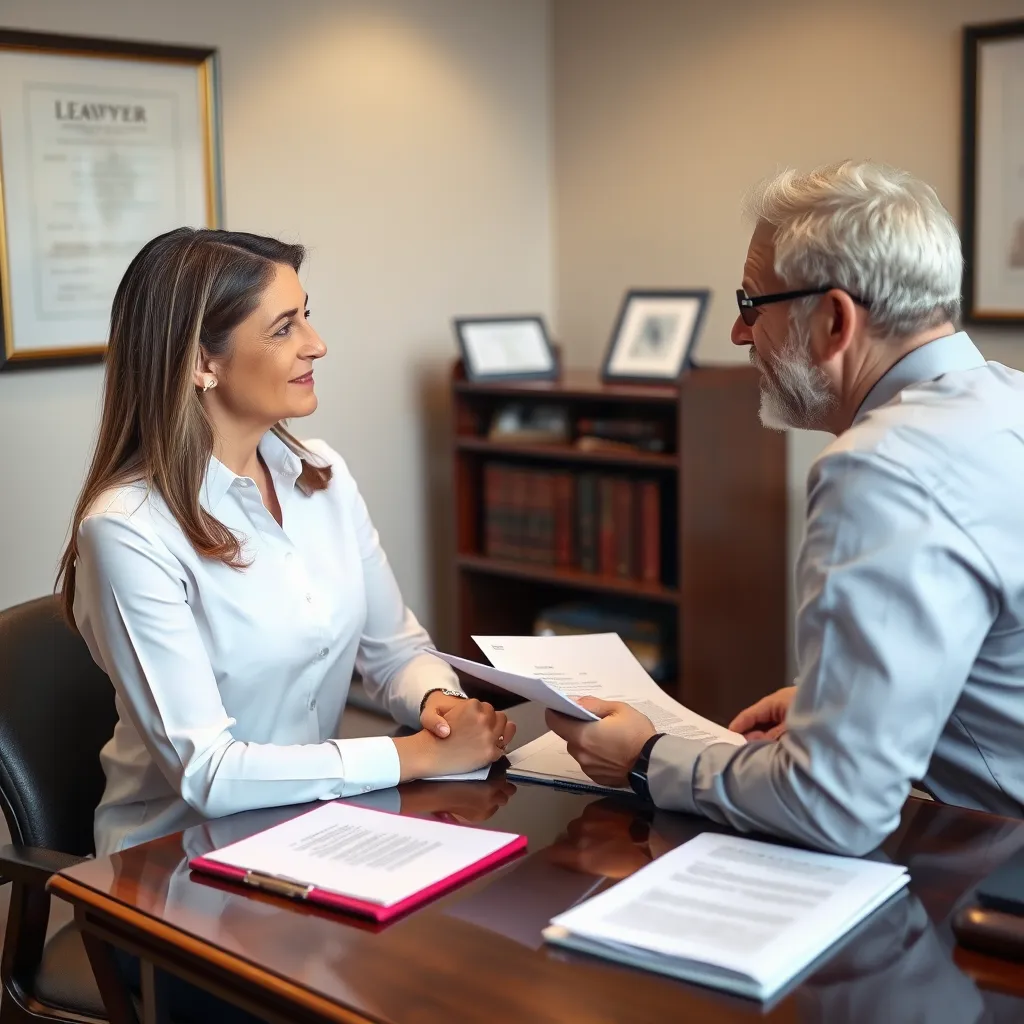
Note: This article is confirmed by Law Offices Of SRIS, P.C.
WRITTEN BY: Immigration Attorney
Our immigration attorney has extensive experience handling consular processing cases. They understand the specific requirements for visa applications through U.S. embassies and consulates abroad. They work diligently to help clients prepare complete documentation and represent their interests effectively. Their approach focuses on thorough preparation and clear communication throughout the process.
Falls Church VA Consular Processing Lawyer
What is Consular Processing
Consular processing represents the official pathway for individuals located outside the United States to obtain U.S. visas through American diplomatic missions abroad. This system applies to both immigrant visas, which lead to lawful permanent residence, and nonimmigrant visas for temporary purposes such as work, study, or tourism. The process begins with approval of an underlying petition filed with U.S. Citizenship and Immigration Services, followed by transfer of the case to the National Visa Center for document collection and fee payment.
Once the National Visa Center completes its review, the case moves to the appropriate U.S. embassy or consulate where the applicant resides. This triggers scheduling of required medical examinations with authorized physicians and collection of civil documents including birth certificates, marriage records, police certificates, and financial evidence. Each consulate maintains specific procedures for document submission, interview scheduling, and case processing timelines that can vary significantly by location.
Legal representation during consular processing involves verifying document completeness, preparing applicants for embassy interviews, and addressing potential issues before they arise. Common challenges include missing documentation, incomplete forms, medical inadmissibility concerns, and administrative processing delays. An experienced legal professional helps develop strategies to present the strongest possible case to consular officers while ensuring compliance with all procedural requirements.
Professional insight into consular processing recognizes that each embassy operates with distinct procedures and processing times. Some locations experience significant backlogs while others maintain more efficient timelines. Understanding these variations helps set realistic expectations and develop appropriate preparation strategies. Legal professionals monitor policy changes, procedural updates, and local embassy requirements to provide current guidance throughout the process.
How to Prepare for Consular Processing
Preparation for consular processing begins with understanding the specific requirements of the designated U.S. embassy or consulate. Each diplomatic mission publishes local instructions covering document formatting, translation requirements, medical examination procedures, and interview protocols. These instructions must be followed precisely to avoid processing delays or case returns. Initial steps involve collecting civil documents including birth certificates, marriage records, divorce decrees, police certificates, and military records where applicable.
Document organization follows embassy-specific guidelines regarding original documents versus certified copies, translation requirements, and notarization standards. Financial documentation demonstrating ability to support the applicant without becoming a public charge represents another vital component. This includes affidavit of support forms, tax returns, employment verification, and evidence of assets. Medical examinations must be completed with embassy-approved physicians within specific timeframes before the interview date.
Interview preparation involves understanding common questions, practicing clear and concise responses, and preparing to present supporting documentation effectively. Consular officers typically inquire about family relationships, employment history, travel plans, and intentions regarding U.S. residence. Mock interviews help applicants develop confidence and identify areas needing additional clarification or documentation. Legal professionals provide guidance on appropriate attire, arrival times, and conduct during embassy visits.
Strategic preparation addresses potential concerns before they reach the consular officer. This includes reviewing criminal history, previous immigration violations, medical conditions, or other potential grounds of inadmissibility. Developing explanations and supporting evidence for any issues helps present a complete picture to the reviewing officer. Legal representation also involves preparing for possible administrative processing requests and understanding typical timelines for case resolution.
Can I Handle Consular Processing Without Legal Help
Individuals considering handling consular processing independently should understand the procedural requirements, documentation standards, and potential challenges involved. The process requires careful attention to detail across multiple government agencies including USCIS, the National Visa Center, and the U.S. embassy or consulate. Each stage has specific forms, fees, and documentation requirements that must be completed accurately and within designated timeframes. Missing deadlines or submitting incomplete information can result in case delays or denials.
Documentation requirements represent a significant challenge for self-represented applicants. Embassies require specific formats for civil documents, translations, and certifications that vary by country and consulate. Financial evidence must meet specific income thresholds and documentation standards. Medical examinations must be completed with approved physicians using specific forms and within designated time limits. Understanding these requirements and ensuring compliance demands substantial research and attention to detail.
Interview preparation presents another area where professional guidance proves valuable. Consular officers ask questions designed to verify information and assess eligibility. Responses must be consistent with documentation and demonstrate eligibility under applicable visa categories. Applicants must understand what questions to expect, how to respond appropriately, and what documentation to present when asked. Without proper preparation, applicants may provide inconsistent information or fail to present supporting evidence effectively.
Professional insight recognizes that consular processing involves more than form completion. It requires understanding of immigration law, embassy procedures, and strategies to address potential concerns. Legal professionals help identify issues before they become problems, develop explanations for potential concerns, and prepare supporting evidence. They also provide representation if issues arise during processing, including responding to requests for additional evidence or addressing administrative processing delays.
Why Hire Legal Help for Consular Processing
Legal representation for consular processing offers several advantages throughout the visa application journey. Professionals bring knowledge of immigration regulations, embassy-specific procedures, and strategies developed through experience with similar cases. They help ensure documentation meets all requirements before submission, reducing the risk of requests for additional evidence or case returns. This proactive approach addresses potential concerns before they reach consular officers, presenting the strongest possible case from the beginning.
Document preparation represents a primary area where legal assistance proves valuable. Attorneys review all forms for accuracy and completeness, verify supporting documentation meets embassy requirements, and ensure proper organization according to consulate preferences. They help gather necessary civil documents, arrange certified translations when needed, and verify financial evidence meets support requirements. Medical examination coordination ensures completion with approved physicians using correct forms within appropriate timeframes.
Interview preparation benefits significantly from professional guidance. Legal teams conduct mock interviews, review potential questions, and help develop clear, consistent responses. They provide guidance on presenting supporting documentation effectively and addressing any concerns the consular officer might raise. This preparation builds confidence and helps applicants present their cases professionally. Representation continues through the interview process, with attorneys available to address any issues that arise during or after the embassy appointment.
Professional insight extends to managing expectations and addressing challenges that may arise. Legal professionals understand typical processing times, common reasons for administrative processing, and strategies to address potential inadmissibility concerns. They provide realistic assessments of case strengths and potential challenges, helping clients make informed decisions throughout the process. This guidance reduces uncertainty and stress while improving the likelihood of successful outcomes through careful preparation and strategic case presentation.
FAQ:
What documents are needed for consular processing?
Required documents include passport, birth certificate, marriage records, police certificates, medical exam results, financial evidence, and completed visa application forms. Specific requirements vary by visa category and consulate.
How long does consular processing take?
Processing times vary by embassy location and visa category. Typical timelines range from several months to over a year depending on caseload and individual circumstances.
What happens during the embassy interview?
The consular officer reviews documents, asks questions about the application, and verifies information. Interviews typically last 10-20 minutes and determine visa eligibility.
Can family members attend the interview?
Policies vary by embassy. Some allow accompanying family members in waiting areas but typically only the applicant enters the interview window.
What if my medical exam shows a health issue?
Certain medical conditions may require additional evaluation or treatment. The embassy provides instructions based on physician findings and applicable regulations.
How do I prepare for potential questions?
Practice common questions about relationships, employment, travel plans, and intentions. Provide clear, consistent answers supported by documentation.
What happens after visa approval?
Approved visas are placed in passports, typically within days or weeks. Recipients receive instructions on travel validity periods and entry procedures.
Can I change embassies during processing?
Transfer requests between embassies are possible but require approval and may cause delays. Valid reasons include relocation or consulate closure.
What if my case goes into administrative processing?
Additional review may be required for security, background, or documentation verification. This extends processing time beyond standard timelines.
How can legal help improve my chances?
Professional assistance ensures complete documentation, thorough preparation, and strategies to address potential concerns before consular review.
What are common reasons for visa denial?
Incomplete documentation, insufficient financial support, criminal history, misrepresentation, or failure to establish eligibility can lead to denial.
Can I reapply after denial?
Reapplication is possible after addressing reasons for denial. New applications require updated documentation and may involve additional requirements.
Past results do not predict future outcomes