
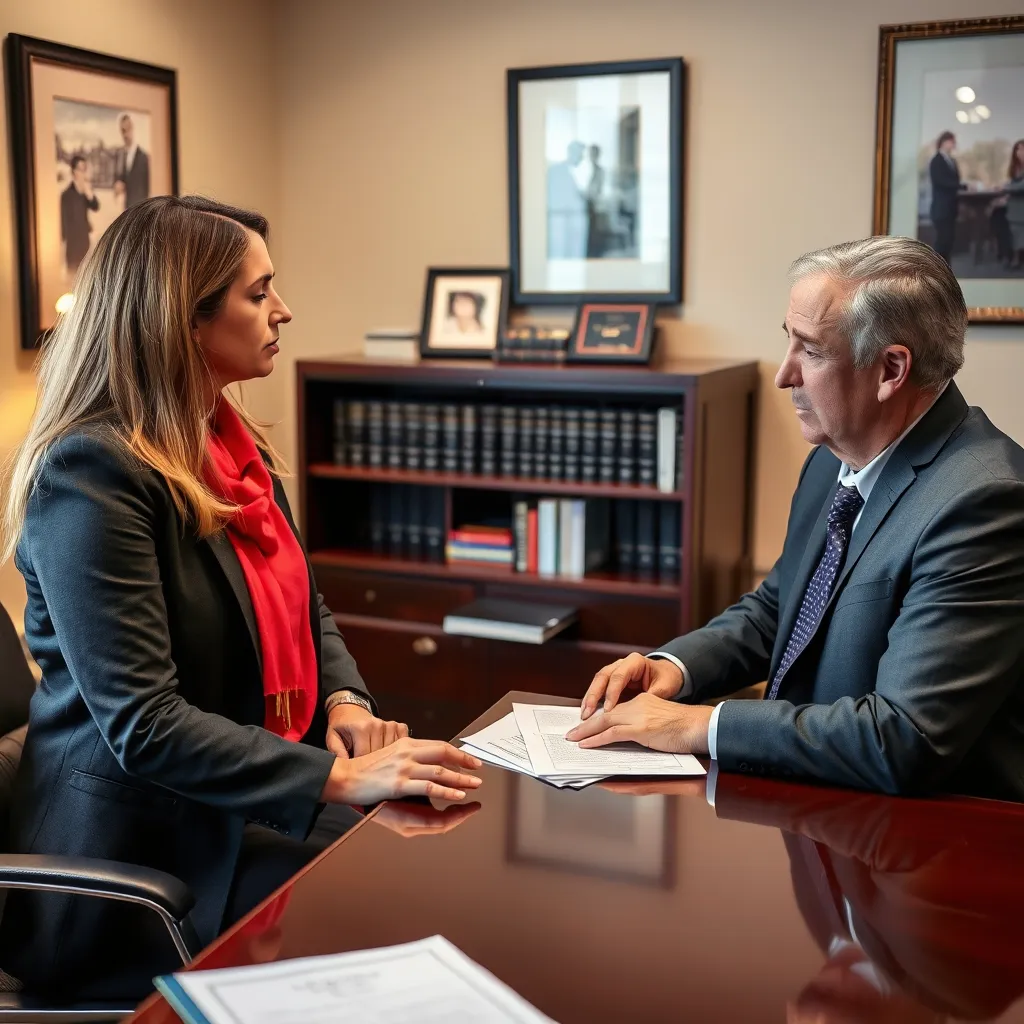
Note: This article is confirmed by Law Offices Of SRIS, P.C.
WRITTEN BY: Attorney Name
Attorney Name has practiced law for over 15 years. They focus on immigration matters with domestic violence components. They understand the sensitive nature of these cases. They work to protect clients’ rights throughout the legal process.
Fairfax VA Domestic Violence Immigration Lawyer
What is Domestic Violence Immigration Law
Domestic violence immigration law encompasses legal provisions designed to protect individuals experiencing abuse within family relationships while addressing their immigration status concerns. This attorney area combines elements of immigration law with protections for survivors of domestic violence. The primary mechanism for relief comes through the Violence Against Women Act (VAWA), which Congress originally passed in 1994 and has since reauthorized multiple times.
The VAWA provisions allow certain abused spouses, children, and parents of U.S. citizens or lawful permanent residents to self-petition for immigration benefits. This process enables survivors to seek lawful status independently, without requiring the abuser’s cooperation or knowledge of the petition. To qualify, applicants must demonstrate they have been subjected to battery or extreme cruelty by the qualifying family member. They must also show they entered the marriage in good faith, resided with the abuser, and are persons of good moral character.
Beyond VAWA self-petitions, other immigration options exist for domestic violence survivors. These include U visas for victims of certain crimes who have suffered substantial mental or physical abuse and cooperate with law enforcement. T visas are available for victims of severe forms of trafficking. Cancellation of removal provides another potential avenue for survivors already in removal proceedings.
Successfully handling these cases requires understanding the evidentiary requirements and procedural steps involved. Documentation must establish both the qualifying relationship and the abuse suffered. Medical records, police reports, photographs, affidavits from witnesses, and psychological evaluations can all serve as evidence. Timing considerations are vital, as certain applications have specific filing deadlines or eligibility windows.
How to Handle Domestic Violence Immigration Cases
Handling domestic violence immigration cases requires a systematic approach that addresses both legal requirements and the sensitive nature of the situation. The process begins with a comprehensive evaluation of the survivor’s circumstances to determine which immigration relief options may apply. This assessment considers factors such as the relationship to the abuser, immigration status, type of abuse experienced, and available evidence.
For VAWA self-petitions, the initial step involves gathering documentation to establish the qualifying relationship. This includes marriage certificates, birth certificates, or adoption papers proving the familial connection. Simultaneously, evidence of the abuse must be collected. This evidence can take various forms, including police reports, medical records documenting injuries, photographs of bruises or property damage, threatening messages or emails, and affidavits from witnesses who observed the abuse or its effects.
The application process requires completing specific forms with precise information. Form I-360 serves as the primary VAWA self-petition application, accompanied by supporting documentation and a detailed personal statement describing the abuse. This statement should chronologically detail incidents of violence, their frequency, and their impact on the survivor’s physical and mental well-being. The personal statement must be thorough yet focused, providing enough detail to establish the pattern of abuse without becoming unnecessarily graphic.
After submission, applicants may need to respond to requests for additional evidence from U.S. Citizenship and Immigration Services. If approved, the process continues with adjustment of status applications or consular processing, depending on the individual’s circumstances. Throughout this process, maintaining confidentiality remains vital to protect the survivor’s safety and prevent retaliation from the abuser.
Can I Get Immigration Help After Domestic Violence
Yes, immigration help exists for individuals who have experienced domestic violence. Multiple legal pathways provide relief depending on the survivor’s specific circumstances and relationship to the abuser. The most common option is the VAWA self-petition, available to abused spouses, children, and parents of U.S. citizens or lawful permanent residents. This provision allows survivors to petition for lawful status independently, without the abuser’s knowledge or cooperation.
For survivors who don’t qualify for VAWA, other options may apply. U visas provide temporary status to victims of certain qualifying crimes who have suffered substantial mental or physical abuse and assist law enforcement in investigating or prosecuting the crime. Domestic violence often qualifies as a covered crime under this provision. The U visa process requires certification from a law enforcement agency confirming the survivor’s cooperation in the investigation or prosecution.
T visas offer protection to victims of severe forms of trafficking, which can include situations where domestic violence involves elements of forced labor or commercial sex acts. Cancellation of removal provides relief for individuals already in removal proceedings who can demonstrate they have been physically present in the United States for a continuous period, have good moral character, and that removal would result in exceptional and extremely unusual hardship to qualifying family members.
Eligibility for these options depends on specific criteria including the nature of the abuse, the survivor’s immigration history, criminal background, and relationship to the abuser. Each pathway has distinct requirements regarding evidence, filing deadlines, and procedural steps. Professional evaluation helps determine which option best fits an individual’s situation and maximizes chances of success.
Why Hire Legal Help for Domestic Violence Immigration Matters
Hiring legal help for domestic violence immigration matters provides significant advantages in managing these sensitive and involved cases. Immigration law involves detailed procedures, specific forms, and strict deadlines that can overwhelm individuals already dealing with the trauma of abuse. Professional guidance helps survivors understand their options, gather appropriate evidence, and present their case effectively to immigration authorities.
Legal professionals bring understanding of the evidentiary standards required for different types of immigration relief. They know what documentation immigration officials expect to see and how to present it persuasively. This includes helping survivors prepare personal statements that effectively communicate the abuse experience while maintaining the factual precision needed for legal proceedings. Attorneys also assist in obtaining supporting documents from medical providers, law enforcement agencies, and other sources.
The procedural aspects of immigration applications require careful attention to detail. Missing deadlines, submitting incomplete forms, or failing to respond properly to requests for evidence can result in denial of relief. Legal representatives monitor these timelines and ensure all procedural requirements are met. They also handle communications with immigration authorities, reducing the stress on survivors who may fear contact with government agencies.
Beyond procedural management, legal help provides strategic advantages. Attorneys can identify potential issues early and develop strategies to address them. They understand how different forms of relief interact and can advise on the most appropriate pathway based on individual circumstances. In cases involving removal proceedings, legal representation becomes even more vital as the stakes involve potential deportation.
FAQ:
What is VAWA?
VAWA stands for Violence Against Women Act. It allows certain abused family members to self-petition for immigration status without the abuser’s knowledge.
Who qualifies for VAWA?
Abused spouses, children, and parents of U.S. citizens or lawful permanent residents may qualify if they meet specific criteria regarding the abuse and relationship.
What evidence do I need for VAWA?
You need evidence of the qualifying relationship and documentation of the abuse, including police reports, medical records, and witness statements.
Can men apply under VAWA?
Yes, VAWA protections apply regardless of gender. Both men and women can seek relief under these provisions.
What is a U visa?
A U visa provides temporary status to victims of certain crimes who cooperate with law enforcement in investigation or prosecution.
How long does VAWA processing take?
Processing times vary but typically take several months to over a year depending on case challenge and USCIS workload.
Can I work while my VAWA petition is pending?
Yes, you can apply for work authorization once your VAWA petition is pending with USCIS.
What happens if my VAWA petition is denied?
You may have options to appeal or reconsider the decision depending on the reasons for denial and your specific circumstances.
Do I need to be divorced to file VAWA?
No, you can file VAWA while still married. The law recognizes that leaving an abusive relationship takes time and planning.
Can VAWA help with deportation?
Yes, an approved VAWA petition can provide relief from removal proceedings and lead to lawful permanent residence.
What if my abuser is not a U.S. citizen?
VAWA requires the abuser to be a U.S. citizen or lawful permanent resident for the self-petition to qualify.
Are there fees for VAWA applications?
USCIS may waive fees for VAWA petitioners who demonstrate inability to pay through a fee waiver request.
Past results do not predict future outcomes