
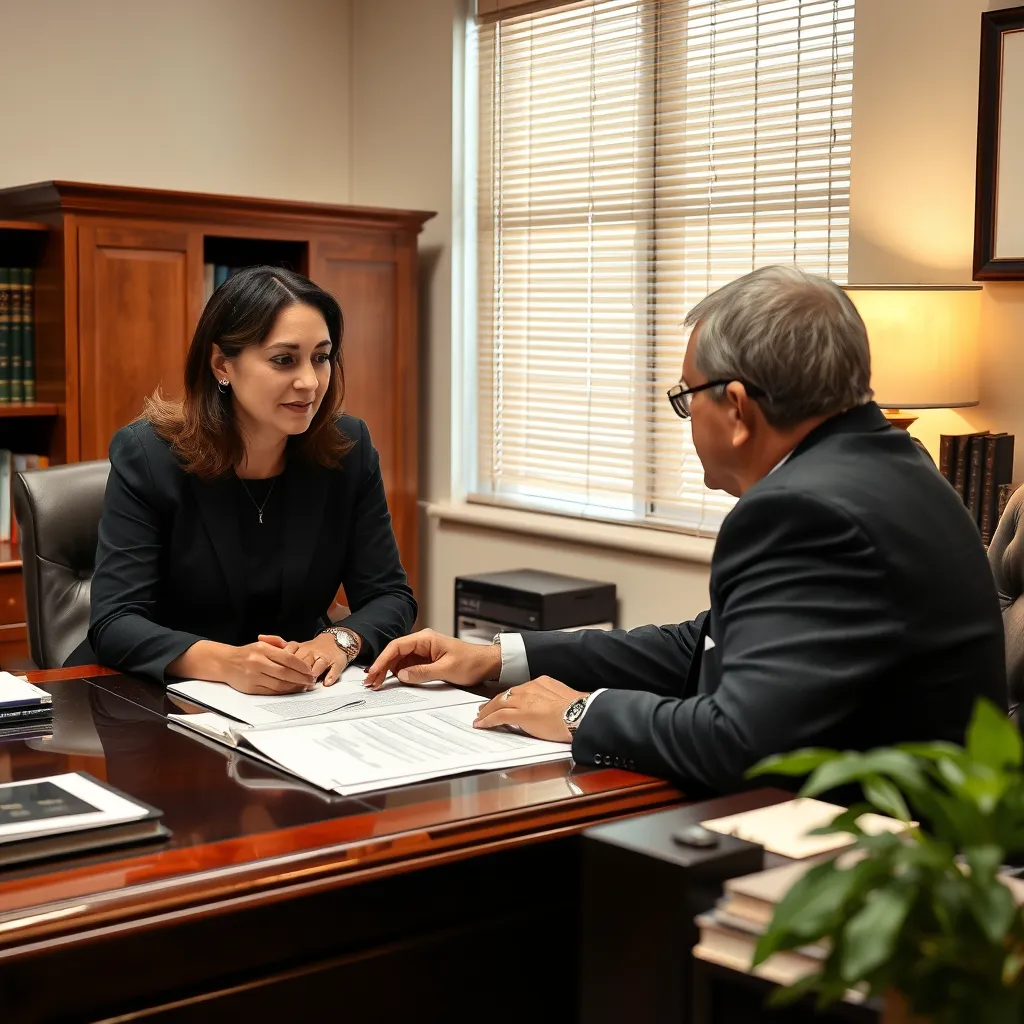
Note: This article is confirmed by Law Offices Of SRIS, P.C.
WRITTEN BY: [Author Name]
Fairfax VA Cancellation of Removal Lawyer
What is Cancellation of Removal
Cancellation of removal represents a legal remedy within immigration proceedings that permits certain non-citizens facing removal to apply for adjustment of status to lawful permanent resident. This provision exists under the Immigration and Nationality Act and serves as a discretionary form of relief granted by immigration judges. The process requires applicants to establish eligibility through documented evidence and persuasive legal arguments.
Eligibility criteria include continuous physical presence in the United States for at least ten years immediately preceding the application date. Applicants must demonstrate good moral character throughout this period and establish that removal would result in exceptional and extremely unusual hardship to a qualifying relative who is a United States citizen or lawful permanent resident. Qualifying relatives typically include spouses, parents, or children.
The application process involves submitting Form EOIR-42B along with supporting documentation to the immigration court. Evidence must substantiate all eligibility requirements, including proof of continuous physical presence, documentation of good moral character, and evidence demonstrating the hardship that removal would cause to qualifying relatives. Immigration judges evaluate each case individually, considering both statutory requirements and discretionary factors.
Successful cancellation of removal applications result in the grant of lawful permanent resident status. This status provides authorization to live and work permanently in the United States. However, approval rates remain relatively low due to the stringent requirements and discretionary nature of this relief. Applicants denied cancellation of removal may face removal orders and potential deportation.
Reality Check: Meeting the ten-year continuous presence requirement can be challenging. Any departures from the United States, even brief ones, may interrupt this period and disqualify applicants.
How to Apply for Cancellation of Removal
Initiating a cancellation of removal application begins with comprehensive eligibility assessment. Individuals must first determine if they meet the basic requirements including ten years of continuous physical presence, good moral character, and qualifying relatives who would experience exceptional hardship. This preliminary evaluation helps identify potential strengths and weaknesses in the case before proceeding with formal application.
Document preparation constitutes the most substantial portion of the application process. Applicants must collect evidence spanning the entire ten-year period of continuous physical presence. This documentation may include employment records, tax returns, lease agreements, utility bills, medical records, school records, and affidavits from witnesses. Each document must establish uninterrupted residence within the United States throughout the required timeframe.
Good moral character documentation requires evidence showing compliance with laws and community standards. This includes criminal background checks, character references, evidence of community involvement, and documentation of financial responsibilities. Any criminal convictions or immigration violations must be disclosed and addressed within the application context. Applicants with certain criminal convictions may face additional challenges or disqualification.
Hardship evidence must convincingly demonstrate that removal would cause exceptional and extremely unusual hardship to qualifying relatives. This requires detailed documentation of medical conditions, educational needs, financial circumstances, and emotional impacts. Medical records, psychological evaluations, educational assessments, and financial statements help establish the severity of hardship. The evidence must show hardship beyond what would normally be expected in deportation situations.
Court proceedings involve presenting the completed application and supporting evidence before an immigration judge. Applicants must testify regarding their eligibility and respond to questioning from both the judge and government attorneys. Legal representatives present arguments highlighting how the evidence satisfies statutory requirements and merits favorable exercise of judicial discretion.
Straight Talk: Government attorneys actively challenge cancellation applications. Strong evidence organization and persuasive presentation are essential for overcoming opposition.
Can I Qualify for Cancellation of Removal
Qualification assessment begins with the continuous physical presence requirement. Applicants must prove uninterrupted residence in the United States for at least ten years immediately preceding the application date. This period excludes any time spent in immigration detention or under certain immigration proceedings. Brief departures from the country typically break continuity, though exceptions exist for certain temporary absences. Documentation must cover the entire ten-year span without gaps.
Good moral character evaluation examines the applicant’s conduct throughout the ten-year period. This assessment considers criminal history, immigration compliance, financial responsibility, and general adherence to societal norms. Certain criminal offenses automatically disqualify applicants, including aggravated felonies, drug trafficking offenses, firearms offenses, and crimes involving moral turpitude. Even minor offenses may raise concerns about moral character if they demonstrate patterns of problematic behavior.
Hardship determination represents the most subjective aspect of qualification. Applicants must prove that their removal would cause exceptional and extremely unusual hardship to qualifying relatives. These relatives must be spouses, parents, or children who are United States citizens or lawful permanent residents. The hardship must extend beyond normal emotional or financial difficulties associated with family separation. Medical conditions, special educational needs, country conditions, and family circumstances all contribute to hardship assessment.
Disqualifying factors include certain criminal convictions, immigration fraud, false claims to U.S. citizenship, smuggling offenses, and security-related concerns. Applicants previously ordered removed or who reentered illegally after prior removal may face additional barriers. Immigration judges also consider discretionary factors including community ties, employment history, family relationships, and potential contributions to society.
Eligibility often depends on nuanced interpretations of statutory requirements and judicial discretion. Similar factual situations may yield different outcomes based on evidence presentation, legal arguments, and individual judge perspectives. Comprehensive case evaluation by experienced legal professionals helps identify potential qualification issues and develop strategies to address them.
Blunt Truth: Many applicants overestimate their hardship evidence. Exceptional hardship means significantly more than normal family separation difficulties.
Why Hire Legal Help for Cancellation of Removal
Legal representation provides systematic case evaluation that identifies eligibility factors and potential challenges. Attorneys assess continuous physical presence documentation, evaluate moral character evidence, and analyze hardship circumstances. This professional assessment helps clients understand realistic case prospects and make informed decisions about proceeding with applications. Early identification of issues allows for strategic planning to address potential weaknesses.
Evidence collection and organization benefit significantly from legal guidance. Attorneys understand what documentation immigration courts require and how to present it effectively. They help gather comprehensive evidence covering the entire ten-year period, obtain necessary certifications and translations, and organize materials in persuasive formats. Proper evidence presentation can make substantial differences in how judges perceive case strengths.
Legal professionals develop strategic approaches to hardship demonstration. They help identify which hardship factors carry most weight with immigration judges and how to document them convincingly. This includes coordinating medical evaluations, educational assessments, psychological reports, and country condition evidence. Attorneys frame hardship arguments within legal standards established by immigration case law and statutory requirements.
Court representation involves preparing clients for testimony, developing direct examination questions, anticipating cross-examination challenges, and presenting closing arguments. Attorneys understand procedural rules, evidence standards, and judicial expectations. They advocate for favorable exercise of discretion based on client circumstances and legal precedents. Professional representation helps ensure proper procedural compliance and effective case presentation.
Post-hearing matters including appeals and motions also benefit from legal assistance. If cancellation is denied, attorneys can evaluate appeal options or alternative relief possibilities. They help clients understand next steps and potential consequences of different outcomes. Ongoing legal support provides continuity through involved immigration processes that may extend over significant time periods.
Reality Check: Immigration court procedures have strict deadlines and formal requirements. Missing filings or improper submissions can jeopardize cases regardless of merit.
FAQ:
What documents prove continuous physical presence?
Employment records, tax returns, lease agreements, utility bills, medical records, school records, and affidavits from witnesses covering ten years.
How long does cancellation of removal take?
Processing times vary but typically involve several months to years depending on court schedules and case challenge.
What happens if cancellation is denied?
Applicants may face removal orders and potential deportation unless other relief options exist or appeals are filed.
Can I work while waiting for decision?
Work authorization may be available through separate applications but isn’t automatic with cancellation filings.
What qualifies as exceptional hardship?
Medical conditions requiring U.S. treatment, special educational needs, country dangers, or severe financial impacts beyond normal separation.
Do criminal convictions disqualify applicants?
Certain convictions including aggravated felonies automatically disqualify; others may affect good moral character assessment.
Can family members help with application?
Qualifying relatives provide hardship evidence and testimony but don’t directly apply for the applicant.
What costs are involved?
Filing fees, document costs, translation fees, and legal representation expenses vary based on case specifics.
Can I travel during application?
Travel outside the U.S. typically breaks continuous presence and jeopardizes eligibility; consult legal counsel first.
What if I entered illegally?
Illegal entry doesn’t automatically disqualify but may affect other immigration options if cancellation is denied.
How do judges decide cases?
Judges evaluate statutory compliance, evidence strength, hardship severity, and discretionary factors including community ties.
Can I apply without a lawyer?
Self-representation is permitted but involved procedures and evidence requirements make professional assistance advisable.
Past results do not predict future outcomes